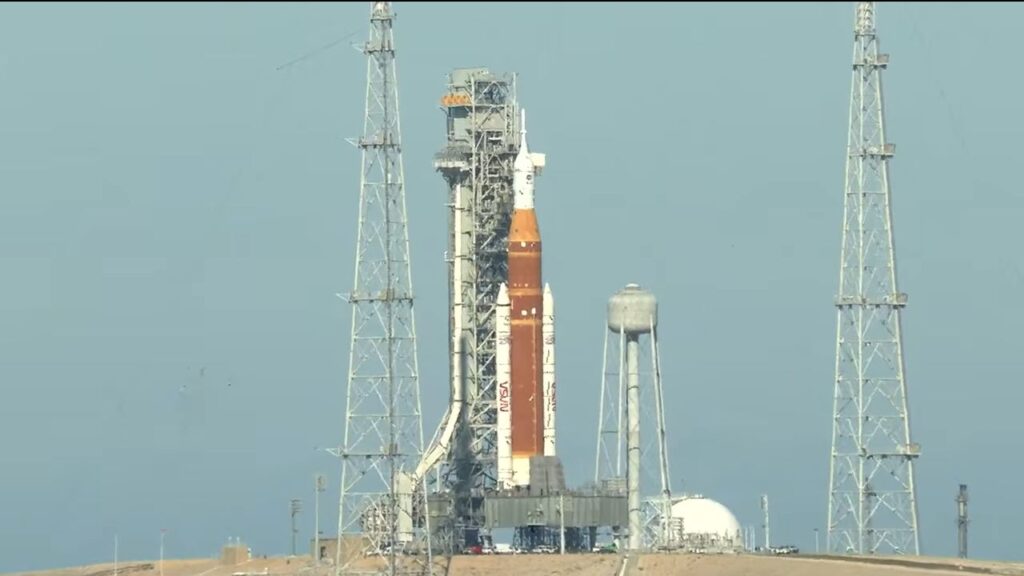
Kennedy Space Center, Florida – NASA’s colossal Space Launch System rocket for the Artemis 2 mission now towers at Launch Complex 39B, offering a continuous live view to the world as final preparations unfold.
Rocket’s Journey to the Pad Accelerates Historic Mission
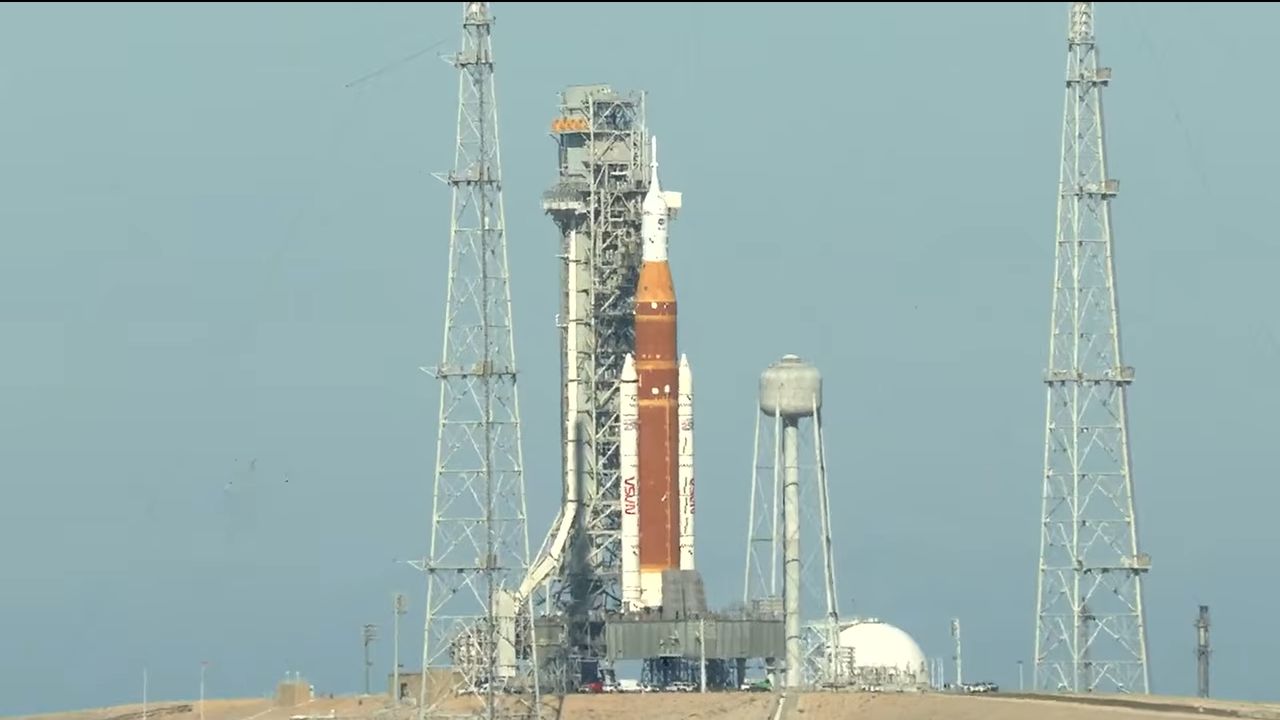
Rocket’s Journey to the Pad Accelerates Historic Mission (Image Credits: Cdn.mos.cms.futurecdn.net)
The Space Launch System, stacked with the Orion spacecraft, completed its rollout from the Vehicle Assembly Building to the launch pad on January 17 after a meticulous 12-hour trek. Engineers secured the hardware promptly and shifted focus to pad operations. This step followed stacking in October 2025 and built on lessons from the uncrewed Artemis 1 flight in 2022.
Teams recently loaded hydrazine into the solid rocket boosters and checked the core stage’s four RS-25 engines. They also pressurized Orion’s propulsion system tank and tested the launch abort system. Cold weather protocols addressed Florida’s lower-than-normal temperatures on January 27.
Upcoming Wet Dress Rehearsal Tests Launch Readiness
A pivotal wet dress rehearsal looms, where technicians will load over 700,000 gallons of cryogenic propellants into the SLS core stage. The simulation includes a full countdown to T-minus 33 seconds, with holds and recycles to mimic real launch scenarios. NASA targets the first run as early as January 31, potentially running late into the night.
Artemis launch director Charlie Blackwell-Thompson noted during a January 17 press conference that procedural and design updates from Artemis 1 promise a smoother process this time. Unlike the predecessor mission, which needed multiple attempts over months, Artemis 2 aims for efficiency. Success here clears the path for liftoff no earlier than February 6.
Crew Enters Quarantine for Lunar Frontier
The four astronauts – Commander Reid Wiseman, Pilot Victor Glover, Mission Specialist Christina Koch, and Mission Specialist Jeremy Hansen of the Canadian Space Agency – entered quarantine in Houston on January 23. This standard protocol spans two weeks ahead of the targeted launch window.
The 10-day flight will send them into Earth orbit initially for systems checks before a trans-lunar injection slings them around the moon. It marks humanity’s first crewed deep-space voyage on SLS and Orion, paving the way for Artemis 3’s lunar landing in 2027 or 2028. Backup launch opportunities extend through April if needed.
Access the 24/7 Livestream from Anywhere
NASA provides uninterrupted views of the rocket via a YouTube channel from Kennedy Space Center. The feed captures the pad day and night, though occasional fog from the Atlantic may briefly obscure sights. Watch it here or via NASA’s official Artemis II page at nasa.gov/artemis-ii.
- Rocket visible around the clock, weather permitting.
- Track real-time pad activity leading to wet dress rehearsal.
- Stay updated on countdown milestones and crew prep.
- Multiple camera angles from Launch Complex 39B.
- Ideal for following the first crewed Artemis flight.
Key Takeaways
- SLS and Orion rolled to Pad 39B on January 17, 2026.
- Wet dress rehearsal set for late January, launch no earlier than February 6.
- Stream live now on NASA’s YouTube for 24/7 access.
As Artemis 2 edges closer to reviving lunar exploration, this livestream bridges the gap between Earth and the moon for millions. Safety remains paramount, with NASA prioritizing readiness over deadlines. What do you think about this giant leap? Tell us in the comments.