Palitana, Gujarat, India – An Asiatic lion wandered calmly among pilgrims on the ancient stone steps of Shatrunjaya Hill, drawing widespread attention through a viral video.
A Predator’s Poised Appearance
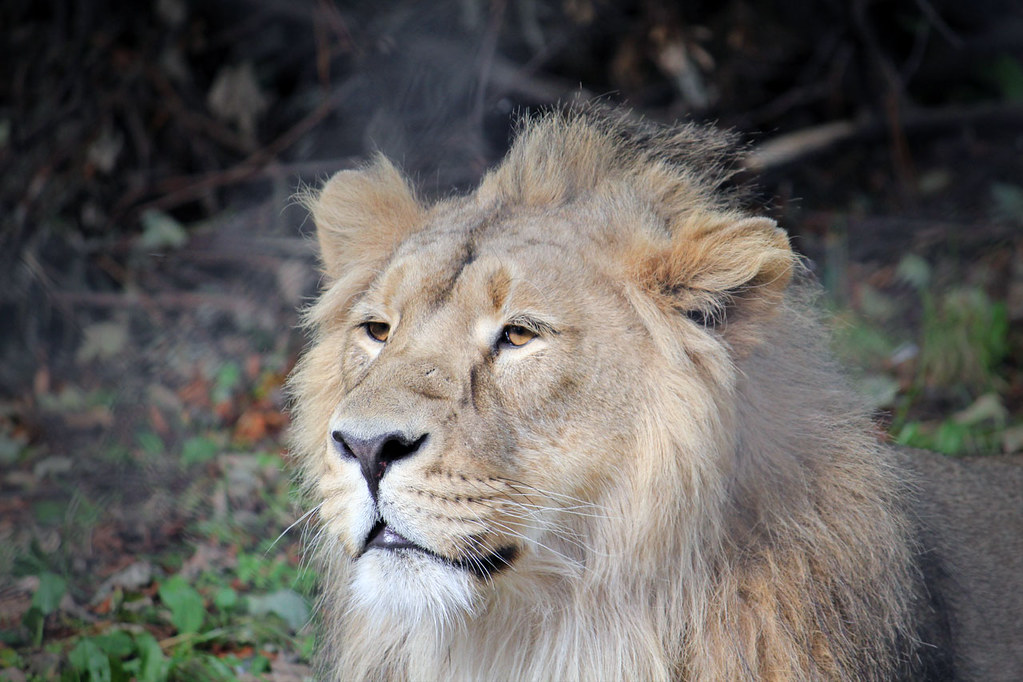
Asiatic Lion’s Serene Stroll Through Gujarat’s Holiest Steps Captivates Online Audiences (Image Credits:
Devotees chanted prayers as the lion moved steadily past them, showing no signs of distress from the human presence. The footage, captured amid the bustling pilgrimage site, highlighted a rare moment of coexistence between wildlife and worshippers. Forest officials responded swiftly by pausing pilgrim traffic on the steps.
This marked the second such sighting at the location within two months. Authorities urged visitors to stay composed, avoid abrupt gestures, and resist the urge to record the animal. The lion eventually continued its path undisturbed, leaving pilgrims in awe.
Shatrunjaya Hill: A Pinnacle of Jain Faith
Shatrunjaya Hill stands as one of India’s most revered Jain pilgrimage centers, drawing over 500,000 visitors annually to its cluster of temples perched on more than 900 meters of elevation. Pilgrims ascend thousands of steps to reach the hilltop shrines, a ritual embodying devotion and endurance. The site’s sanctity amplifies the astonishment of the lion’s visit.
The video, shared by local resident Rohan Choksi on X, quickly gained traction. “Lions 🦁 are everywhere in Gujarat. This is at our Jain tirth Palitana. 😭,” Choksi posted alongside the clip. View the video on X Such encounters underscore the proximity of wild habitats to human sacred spaces in Gujarat.
Rising Encounters Signal Broader Pressures
Asiatic lions, native to Gujarat’s Gir Forest, face shrinking territories due to urban expansion and tourism growth. These factors drive animals into populated areas, increasing interactions with people. Climate shifts, including erratic rains and extended dry periods, further strain resources and push wildlife outward.
In a related event, a lion entered a residence in Gujarat’s Amreli district, scaling a kitchen wall to peer inside. Officials noted that such intrusions stem from scarcity rather than hostility. India’s conservation initiatives have bolstered lion numbers through reserves and monitoring, yet sustained success requires broader habitat linkages.
Key factors contributing to these sightings include:
- Habitat fragmentation from development projects.
- Tourism expansion near protected zones.
- Climate-induced resource shortages.
- Growing lion populations venturing beyond core areas.
Balancing Reverence and Wildlife Management
Authorities emphasize preparedness at pilgrimage sites near lion territories. Visitors receive guidance on maintaining distance and minimizing provocation during sightings. These protocols aim to protect both humans and the endangered species.
Long-term strategies focus on wildlife corridors and restored ecosystems to curb conflicts. Enhanced tourism practices can foster appreciation for biodiversity alongside spiritual pursuits. The incident serves as a reminder of Gujarat’s unique challenge: harmonizing faith, people, and predators.
Key Takeaways
- Asiatic lions thrive in Gujarat but encroach on human areas due to habitat pressures.
- Palitana’s Shatrunjaya Hill exemplifies a sacred site vulnerable to wildlife visits.
- Calm responses and conservation corridors offer paths to safer coexistence.
This serene lion sighting reinforces the delicate balance between Gujarat’s natural heritage and its spiritual legacy. What steps should pilgrimage sites take to welcome both devotees and wildlife? Share your thoughts in the comments.