Australia – A detailed analysis of federal spending has uncovered a troubling gap where subsidies detrimental to wildlife far exceed investments in conservation.
A Staggering Fiscal Tilt Toward Damage
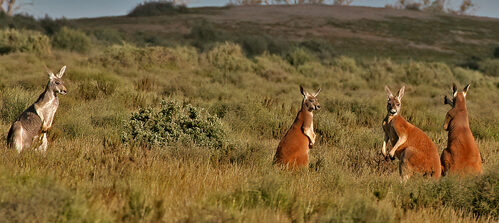
A Staggering Fiscal Tilt Toward Damage (Image Credits: Imgs.mongabay.com)
Researchers examined the 2022-2023 Australian federal budget and identified A$26.3 billion (US$18.6 billion) in subsidies linked to medium or higher biodiversity harm. This figure represented 1.1% of the nation’s gross domestic product.
In stark contrast, annual spending on biodiversity conservation fell below A$0.8 billion (US$0.6 billion), according to estimates from the Australian Biodiversity Council. The net result left roughly US$18 billion more flowing to harmful activities than protective ones. This conservative tally focused solely on federal outlays and overlooked state-level contributions. Lead author Paul Elton of the Australian National University emphasized the findings’ timeliness ahead of key deadlines.
Sources of the Harmful Funding
The bulk of these subsidies supported fossil fuel extraction and usage, totaling A$14.1 billion (US$10 billion). Transportation infrastructure followed closely with A$8.5 billion (US$6 billion). Additional support appeared in sectors like agriculture, fisheries, and forestry.
Experts applied an Organisation for Economic Co-operation and Development (OECD) methodology to pinpoint these payments and tax concessions. Collaborators from the Australian Biodiversity Council ranked their biodiversity impacts. The study, published in the Australasian Journal of Environmental Management, highlighted data gaps that likely understated the true scale.
| Sector | AUD Amount (billions) | USD Equivalent (billions) |
|---|---|---|
| Fossil Fuels | 14.1 | 10 |
| Transport Infrastructure | 8.5 | 6 |
| Other (Ag, Fisheries, Forestry) | 3.7 | 2.6 |
Guarding a Unique Natural Legacy
Australia ranks as a global biodiversity hotspot, hosting over two-thirds of the world’s marsupials alongside numerous endemic species. Yet European settlement triggered widespread extinctions, and environmental decline persists today.
Conservation efforts remain underfunded relative to threats. The Department of Climate Change, Energy, the Environment and Water (DCCEEW) portfolio budgeted A$10.1 billion (US$7.1 billion) for environmental initiatives from 2025-2026 through 2028-2029. Still, this falls short of countering harmful subsidies effectively.
Global Pledges Demand Urgent Shifts
Australia committed under Target 18 of the Kunming-Montreal Global Biodiversity Framework to catalog harmful incentives by 2025 and cut them by 2030. Officials have not yet published required assessments.
“The urgency of the 2030 reform deadline, and the ongoing deterioration of Australia’s environment, made it clear that this work couldn’t wait,” Elton stated in an email to Mongabay. He added, “Australia can and should play a leading role in demonstrating how a wealthy, megadiverse nation transforms its fiscal policy to support rather than erode biodiversity.” A DCCEEW spokesperson responded that the government pursues multifaceted actions to stem biodiversity loss.
Key Takeaways
- Federal harmful subsidies hit A$26.3 billion in 2022-2023, dwarfing conservation’s under A$0.8 billion.
- Fossil fuels and transport claimed the lion’s share of damaging funds.
- Target 18 looms without official government estimates on harmful spending.
This fiscal misalignment underscores the need for policy realignment to safeguard Australia’s irreplaceable ecosystems. Targeted reforms could redirect resources equitably while honoring international vows. What reforms would you prioritize to bridge this gap? Tell us in the comments.