Australia – Researchers have uncovered a profound disconnect between the nation’s biodiversity goals and its spending priorities. A study from the Australian National University identified A$26.3 billion in federal subsidies from the 2022-23 budget that experts rated as moderately or highly harmful to ecosystems. This figure, equivalent to about 4% of the federal budget, towers over annual conservation outlays, which fall below A$1 billion. Such incentives quietly propel habitat destruction and resource overuse, intensifying threats to the continent’s endemic animals and plants.
A Staggering Scale Emerges from Budget Scrutiny
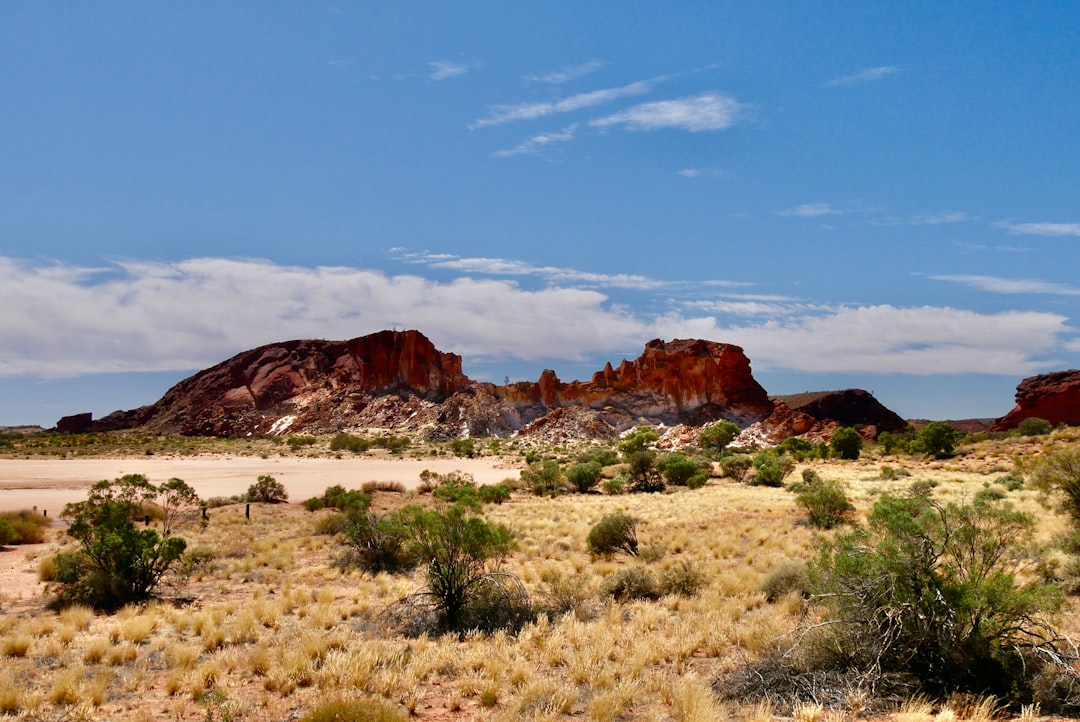
A Staggering Scale Emerges from Budget Scrutiny (Image Credits: Unsplash)
Australia devoted A$26.3 billion to biodiversity-damaging supports in a single year, researchers calculated. The analysis applied an Organisation for Economic Co-operation and Development framework to direct payments and tax concessions. Experts from the Biodiversity Council then assessed each for environmental impact, flagging 36 measures as problematic. This conservative tally excluded state-level spending and unquantified indirect costs, suggesting the real burden exceeds current estimates.
The disparity shocked observers. Conservation funding, by contrast, represented mere “loose change” next to this “pile of cash,” as one expert described it. Paul Elton, the study’s lead author from the Australian National University, noted that these subsidies undermine nature 25 times more than they protect it. Fiscal policy thus works at cross-purposes with environmental safeguards.
Key Sectors Driving the Damage
Fossil fuel incentives claimed the largest slice at A$14.1 billion. Prominent among them stood the fuel tax credit scheme, which delivered billions to mining operations for off-road diesel use. Transport infrastructure followed with A$8.5 billion, funding roads that carve through habitats and unlock remote wildlands. Agriculture, fisheries, and forestry rounded out major recipients, promoting practices like land clearing and intensive extraction.
- Fossil fuels: A$14.1 billion, sustaining emissions that fuel climate extremes.
- Transport: A$8.5 billion, enabling fragmentation via new roadways.
- Agriculture: Incentives for pasture growth in biodiversity hotspots.
- Fisheries: Support for fleets exceeding sustainable catches.
- Forestry: Boosts to logging in sensitive areas.
These mechanisms lower costs for polluters and expand production beyond market-driven limits. Less harmful options, such as sustainable farming, face unfair competition as a result.
Wildlife Bears the Brunt of Policy Misfires
Australia hosts 7.8% of the world’s described species, many found nowhere else. Yet biodiversity metrics have trended downward for decades, driven by habitat loss, invasives, and warming climates. Over 1,900 animals, plants, and communities now carry threatened status, with undocumented risks likely higher.
Subsidies amplify these dangers directly. Road projects splinter ecosystems, isolating populations of ground-dwelling marsupials. Agricultural expansions devour grasslands vital to small mammals and birds. Fossil fuel persistence worsens droughts and megafires, which have decimated koala habitats and pushed platypus toward peril. Elton warned, “The longer these subsidies stay in place, the harder it is going to be to get back on a nature-positive trajectory.”
International Vows Meet Domestic Silence
The 2022 Kunming-Montreal Global Biodiversity Framework demanded nations pinpoint harmful incentives by 2025 and slash them by 2030. Australia signed on but produced no official tally, prompting independent research. Government reports sidelined the issue, framing it as an “enabler” rather than priority.
Officials defended staples like the fuel tax credit, denying subsidy status despite researcher critiques. Meanwhile, modest boosts – such as A$224.5 million for species recovery – pale against the harmful tide. Elton stressed the urgency: “The ongoing deterioration of Australia’s environment made it clear that this work couldn’t wait.”
Reform paths exist, though politically fraught. Gradual phase-outs, paired with worker retraining and regional aid, could redirect billions toward restoration payments and green infrastructure. Such shifts promise greater gains than isolated conservation hikes, aligning budgets with ecological realities.
Key Takeaways
- Australia’s A$26.3 billion in harmful subsidies dwarfs conservation spending by 25-fold.
- Fossil fuels and transport lead, fragmenting habitats and stoking climate threats.
- Phasing out these incentives supports global biodiversity targets and endemic wildlife survival.
Australia stands at a fiscal crossroads where subsidy reform could safeguard its irreplaceable wildlife legacy. Targeted changes now might avert deeper losses for generations ahead. What steps should policymakers take next? Share your views in the comments.