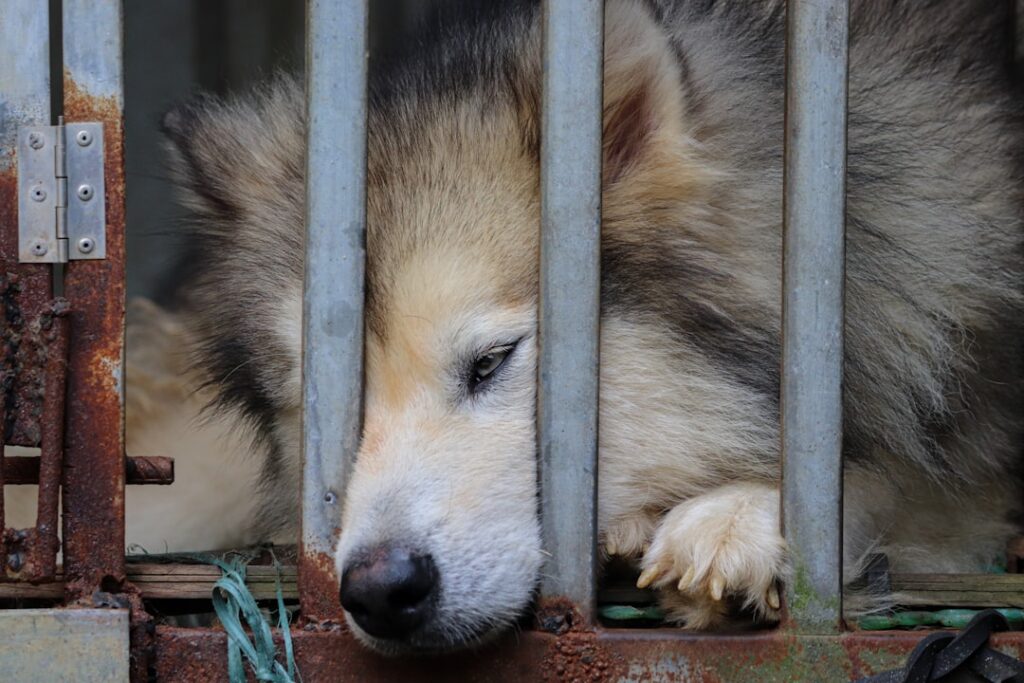
Australia – Laboratories across the country subjected more than 845,000 animals to experiments last year, with suffering shielded from public scrutiny.
Shocking Numbers Emerge from Shadowy Facilities

Shocking Numbers Emerge from Shadowy Facilities (Image Credits: Unsplash)
Researchers estimated that over 845,000 animals endured procedures in Australian labs during the past year alone. This figure highlighted a persistent issue in scientific testing. Facilities operated behind secured doors, limiting external awareness. Animals faced prolonged pain without consistent safeguards. The scale underscored a national challenge in research practices.
Public discourse rarely addressed these numbers. Institutions managed operations independently. Data collection remained fragmented. This opacity fueled concerns among advocates. Calls grew for greater accountability.
Diverse Species Caught in Experiments
Mice formed the bulk of test subjects, but larger animals also suffered. Dogs underwent trials that extended over weeks. Pigs endured invasive procedures. Monkeys faced drawn-out studies. Each species experienced distress tailored to research goals.
Facilities prioritized outcomes over comfort. Basic housing varied widely. Pain mitigation proved inconsistent. Survival rates differed by protocol. Documented cases revealed repeated use of individuals.
Gaps in Regulation Expose Vulnerabilities
Australia lacked a centralized reporting mechanism for lab activities. Institutions self-regulated without mandatory national disclosures. Routine inspections occurred infrequently, if at all. This setup allowed variations in standards. Oversight bodies struggled with enforcement.
State-level rules applied unevenly. Some regions imposed stricter guidelines. Others permitted broader flexibility. Harmonization efforts stalled. Reform proposals surfaced periodically but gained little traction.
Pathways to Transparency and Reform
Advocates pushed for a unified national database. Such a system would track animal numbers and procedures. Mandatory audits could ensure compliance. Public access to summaries might build trust. International models offered blueprints for change.
Researchers defended certain tests as essential. Alternatives like computer simulations gained ground slowly. Ethical reviews influenced some protocols. Progress remained incremental. Broader shifts demanded policy updates.
- Mice: Most common subjects in high-volume trials.
- Dogs: Used in prolonged physiological studies.
- Pigs: Featured in surgical and toxicity tests.
- Monkeys: Employed in neurological and behavioral research.
Key Takeaways
- Over 845,000 animals affected yearly in Australian labs.
- No national reporting or regular inspections in place.
- Calls intensify for centralized oversight and transparency.
The absence of robust national controls perpetuates hidden suffering for hundreds of thousands of animals each year – what steps could bridge this gap? Share your views in the comments.