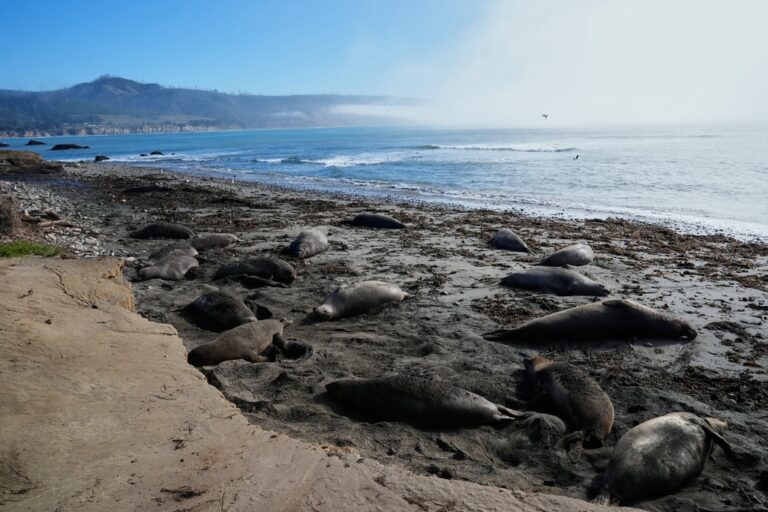
Año Nuevo State Park, California – Officials suspended guided seal-watching tours after seven elephant seal pups tested positive for highly pathogenic avian influenza H5N1, marking the first such cases in the state’s marine mammals.
Rapid Surveillance Uncovers Early Threat
Rapid Surveillance Uncovers Early Threat (Image Credits: Imgs.mongabay.com)
Researchers spotted the outbreak quickly thanks to heightened monitoring efforts. Teams from the University of California, Davis, and UC Santa Cruz had ramped up testing along the coast since 2024, focusing on marine birds and mammals. Samples from sick and dead pups, collected on February 19 and 20, screened positive at California’s Animal Health and Food Safety Laboratory before USDA confirmation on February 25.
Christine Johnson, director of UC Davis’ Institute for Pandemic Insights, highlighted the speed of detection. “This is exceptionally rapid detection of an outbreak in free-ranging marine mammals,” she said. Coordinated surveillance identified what experts believe are the initial cases.
Symptoms and Toll on Vulnerable Pups
Weaned pups showed severe respiratory and neurological distress, including weakness, tremors, whole-body shaking, convulsions, and seizures. Around 30 seals, mostly young ones, died since late last week, with tests pending on additional samples.
The colony at Año Nuevo typically hosts 3,000 to 5,000 northern elephant seals during the winter breeding season, which extends through March. About 1,350 animals remained on the beach when symptoms first appeared. Most adult females had already migrated, leaving researchers cautiously optimistic about limiting wider damage.
Park Closures Prioritize Wildlife Safety
California State Parks closed elephant seal viewing areas and canceled guided tours through the season’s end, at least until March 1. The decision affected over 4,300 ticket holders and barred the roughly 30,000 annual visitors from the park’s top attraction.
Jordan Burgess, deputy district superintendent, described the move as precautionary to prevent human activity from aiding spread. Park docent Tom Halderman emphasized risks to seals, birds, and people alike. The park itself stays open, but access to rookeries remains off-limits.
Global Context Raises Alarms
This H5N1 strain devastated southern elephant seal populations in Argentina in 2023, killing over 17,000 animals. Earlier U.S. cases hit seals in Maine in 2022 via bird spillover. NOAA’s Deborah Fauquier noted seals may carry antibodies similar to seasonal flu resistance, offering hope against massive die-offs.
Experts from NOAA Fisheries, California Department of Fish and Wildlife, and The Marine Mammal Center continue drone surveys and observations. Roxanne Beltran of UC Santa Cruz leads long-term colony tracking, spanning six decades.
Public health risks stay low, though contact with sick seals threatens people and pets. Officials urge distance and reporting to the NOAA hotline at (866) 767-6114.
Key Takeaways
- First H5N1 cases in California marine mammals detected through proactive surveillance.
- Tours canceled out of caution, protecting 3,000+ seals during breeding season.
- Lessons from Argentina underscore need for ongoing wildlife monitoring.
Swift action at Año Nuevo underscores the delicate balance between tourism and conservation amid emerging wildlife threats. What steps should parks take next to safeguard species like these? Tell us in the comments.