São Mateus, Portugal – A veteran fisher hauled his vessel ashore amid winter swells, voicing unease over sweeping marine safeguards reshaping the waters around this North Atlantic archipelago.
Landmark MPA Network Shields Biodiversity Hotspot
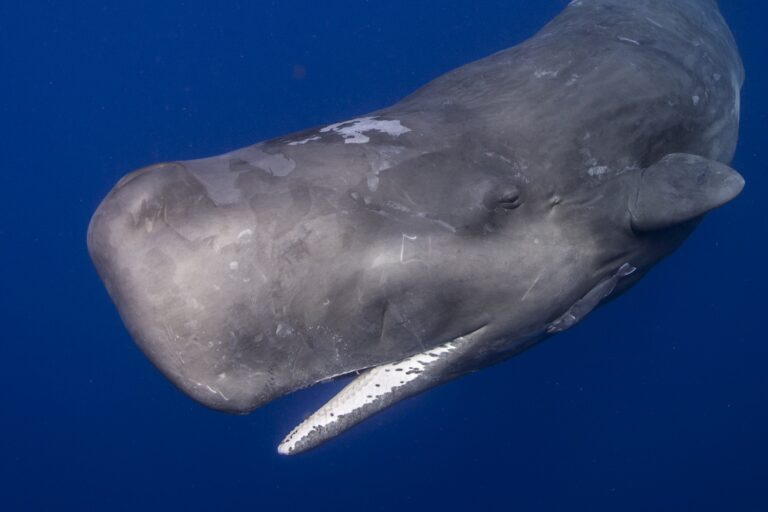
Landmark MPA Network Shields Biodiversity Hotspot (Image Credits: Imgs.mongabay.com)
The Azores unveiled its Marine Protected Areas Network in late 2024, a vast system activating at the start of this year. This initiative covers 287,000 square kilometers, encompassing 30% of regional waters and establishing the North Atlantic’s largest such framework.
Sixty-three designated zones divide evenly between fully protected areas, barring all extractive pursuits, and highly protected sites permitting limited, selective activities. These realms harbor rich ecosystems: deep-sea corals, hydrothermal vents, seamounts, alongside 19 cetacean species, 19 sharks, turtles, and seabirds. The expansion elevated Portugal’s safeguarded marine territory from 4.5% to 19.1%, bolstering national targets under global pacts like the Kunming-Montreal Agreement.
Fishing Interests Challenge No-Take Boundaries
Soon after implementation, a proposal surfaced to permit pole-and-line tuna fishing within fully protected zones. Originating from the Azorean Socialist Party, it targeted traditional methods deemed low-impact by proponents, particularly the tuna processing sector.
Critics, including researchers and environmental groups, warned of dire repercussions. Such allowances risked declassifying zones under international standards, eroding ecosystem resilience and inviting broader encroachments. Government officials decried the move as a threat to regional credibility and funding streams tied to conservation pledges.
Pole-and-line techniques, while selective, still remove predators vital to food webs, potentially disrupting sharks and marine mammals. Studies underscore that fully protected areas replenish adjacent fisheries, countering claims of economic harm.
Legislators Uphold Strict Safeguards
On January 15, the regional parliament delivered a resounding rebuke. Lawmakers from multiple parties, including the governing Social Democratic Party and Socialists, forged a compromise preserving no-take rules in fully protected areas.
The adjusted measure greenlit pole-and-line tuna operations solely in highly protected zones, sans prior approvals. This broad consensus – opposed only by two parties and one dissenter – sidestepped a perilous precedent while stabilizing governance for ensuing rules.
- 63 MPAs total, half fully protected.
- 287,000 sq km, over three times Portugal’s landmass.
- Targets high-vulnerability sites like seamounts Princesa Alice and Condor banks.
- Supports 30% ocean protection goal by 2030.
- €10 million compensation fund for affected fishers over three years.
Stakeholders Weigh In on the Balance
Fishers registered frustration. Emanuel Alves, 64, from São Mateus on Terceira Island, pondered, “Where are we going to fish?” as he winterized his boat. The Fisheries Federation highlighted inadequate offsets – €10 million versus €42 million yearly sector income – and tuna’s seasonal transit.
Conservation voices celebrated. Blue Azores coordinator Luís Bernardo Brito e Abreu affirmed that total protection precludes extraction. Portugal’s ZERO deemed it historic, averting integrity loss amid enforcement hurdles.
| Stakeholder | Position |
|---|---|
| Fishers & Federation | Seek access, better compensation |
| Government & Blue Azores | Prioritize no-take integrity |
| Researchers & NGOs | Warn of ecological risks |
Key Takeaways:
- Rejection secures half the network as no-take zones.
- Compromise eases tuna fishing in select areas.
- Enhances Azores’ global conservation leadership.
The Azores’ firm stance fortifies a blueprint for ocean recovery, harmonizing heritage fisheries with biodiversity imperatives. What steps should follow to ensure enforcement and equity? Share your views in the comments.