Nusa Penida, Indonesia – An independent underwater filmmaker plunged a low-cost camera more than 200 meters into the Bali Sea, yielding video of rare creatures that marine specialists struggle to classify.
A Daring Descent into Legendary Waters
A Daring Descent into Legendary Waters (Image Credits:
Barny Dillarstone sought to pierce the veil of the deep ocean with an experiment anyone could replicate. He assembled a rig featuring an Insta360 action camera, rope, weights, and bait at a total cost of about $400. Lowered near Nusa Penida, an island steeped in local lore of demons and sorcery, the device spent two nights at extreme depths.
The filmmaker, known for such ventures on YouTube, captured a parade of sea life amid the darkness. Sharks prowled the bait, while other forms darted through the frame. This approach bypassed the high expenses of professional deep-sea expeditions, proving accessible technology can unlock hidden realms.
Rare Sights Emerge from the Abyss
Among the highlights, a purple eagle ray glided into view, a species rarely documented in its natural habitat and possibly filmed alive for the first time. Slender, eel-like shapes slithered past, alongside shadowy silhouettes that defied easy identification. Dillarstone himself pondered whether some represented species new to science.
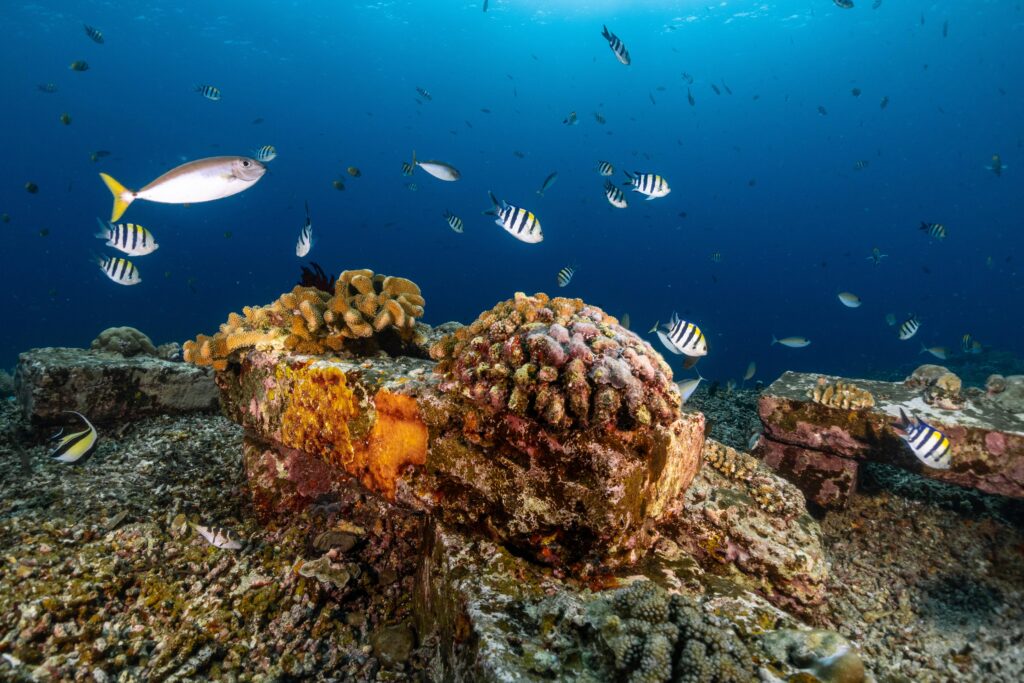
The footage revealed the ocean floor’s bizarre tapestry at around 200 meters. Moray eels lurked, and unfamiliar organisms investigated the bait. Such glimpses underscored how little humanity knows about even moderately deep waters, let alone the abyss.
- Purple eagle ray: Seldom captured on live video.
- Unidentified eel-like creatures: Elongated forms not matching known species.
- Odd silhouettes: Shadowy figures prompting expert scrutiny.
- Sharks and rays: Common visitors drawn by bait.
Marine Experts Grapple with the Unknown
Scientists reviewing the clips noted that video evidence alone cannot confirm new species, yet it exposed gaps in deep-sea knowledge. Specialist communities labeled certain animals as unknown deep-sea entities. The discovery highlighted persistent mysteries in marine biodiversity.
Dillarstone’s work echoed prior drops in the region, building a catalog of rare encounters. Publications from LADbible to PetaPixel amplified the footage, drawing global attention to Indonesia’s waters. Though no formal identifications emerged immediately, the video fueled discussions on underexplored ecosystems.
Lessons for Future Ocean Probes
This feat demonstrated that off-the-shelf gear rivals sophisticated setups in revealing nature’s secrets. Deep ocean studies often demand vast budgets, but simple rigs offer vital data. The event reminded observers that oceans cover most of Earth, yet remain largely unmapped.
Footage like this bolsters wildlife conservation by spotlighting biodiversity hotspots. Nusa Penida’s waters, rich in life, warrant protection amid growing pressures. Dillarstone’s method invites citizen scientists worldwide to contribute.
Key Takeaways
- Affordable cameras can document rare deep-sea life effectively.
- Unidentified species in Bali Sea footage signal vast unknowns.
- Such discoveries advance marine science and conservation awareness.
As explorations continue, revelations from Bali’s depths challenge assumptions about ocean inhabitants. What secrets might next drop uncover? Share your thoughts in the comments.