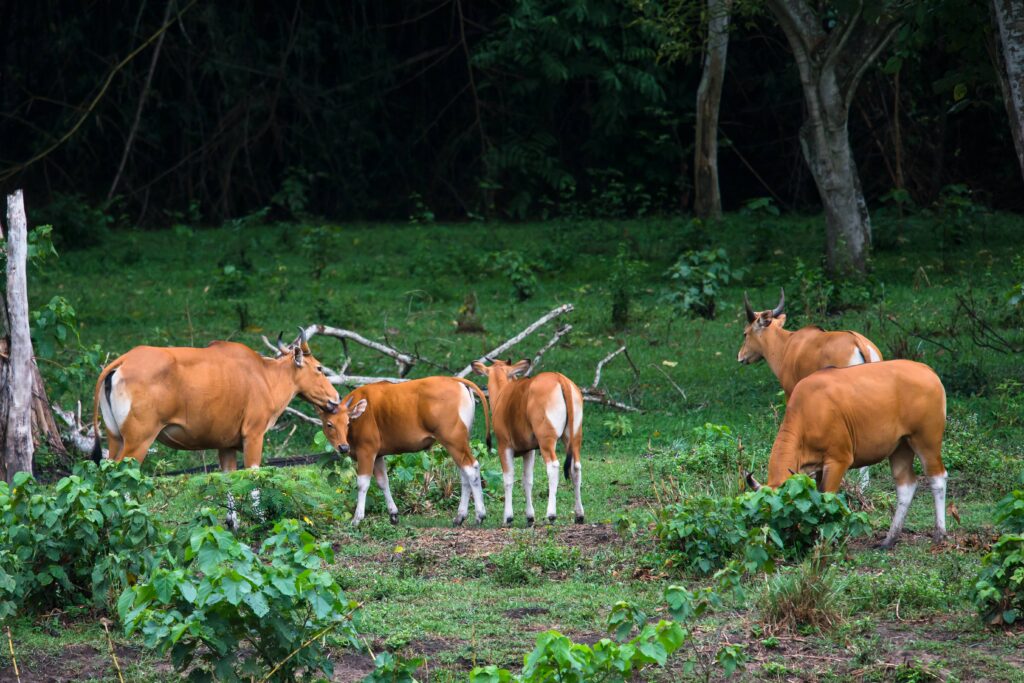
Huai Kha Khaeng, Thailand – Herds of critically endangered banteng now graze openly in grassy clearings near this premier wildlife sanctuary, drawing crowds of visitors and reshaping the fortunes of surrounding villages. Conservation efforts that doubled the local population over two decades have spilled beyond protected borders, sparking human-wildlife tensions that communities turned into opportunity through innovative tourism. Local leaders report a profound shift, where once-elusive wild cattle now anchor sustainable livelihoods.
A Striking Recovery in the Heart of the Forest
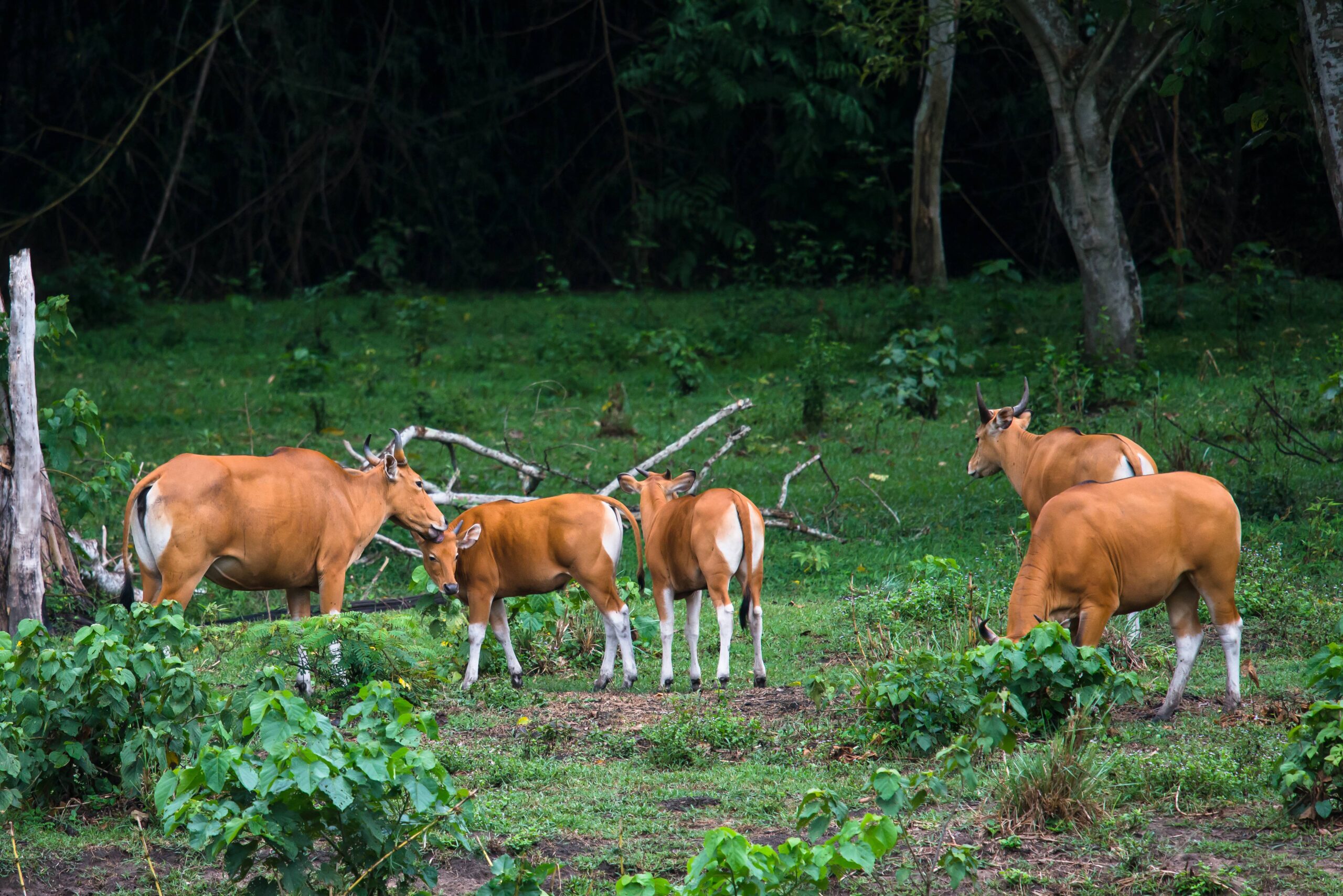
A Striking Recovery in the Heart of the Forest (Image Credits: Upload.wikimedia.org)
Transect surveys in 2024 revealed that banteng numbers in Huai Kha Khaeng Wildlife Sanctuary had doubled over the past two decades, reaching an estimated 1,400 individuals – the largest population in Southeast Asia. This rebound stood in stark contrast to global trends, where the species suffered an 80% decline, leaving fewer than 4,900 worldwide and prompting an uplisting to critically endangered status in 2024.
Rangers credited the turnaround to the SMART patrol system, introduced in 2006. This intelligence-driven approach, rolled out across 237 Thai protected areas by over 10,000 staff, curbed poaching that once littered forests with carcasses. Habitat restoration and revived water sources further aided dispersal, allowing breeding herds to venture into buffer zones. Density estimates from revisited transects confirmed the gains, with banteng rising from 0.91 to 1.71 individuals per square kilometer between 2007 and 2021.
Early Conflicts Give Way to Strategic Solutions
As banteng pushed into community lands, farmers faced trampled crops and disease risks from mingling livestock. Authorities removed hundreds of cattle in 2020, compensating owners at 500 baht per animal – about $15 – while subdistrict funds covered some losses. Resentment grew amid restrictions on grazing and farming without clear benefits.
Officials responded by rezoning buffer areas. In February 2023, the Huai Thap Salao–Huai Kok Khwai became a non-hunting zone under the Department of National Parks. The Huai Thap Salao Recreational Forest followed in June 2025 under the Royal Forest Department. These steps aimed to balance protection with human needs, setting the stage for coexistence.
Community Tourism Takes Center Stage
Rabam subdistrict residents launched a wildlife tourism venture in 2021, inspired by gaur-watching success in Kui Buri National Park. Over 320 people from 19 villages now participate, guiding visitors along nature trails, boat tours on the Tab Salao reservoir, and workshops in weaving and permaculture.
Visitor numbers exploded from dozens to thousands monthly, elevating tourism to primary income for many. A rotational system ensures fair shares, with 5% of earnings funding roads, schools, and health care. Members pledged no hunting or wild harvesting in protected zones, earning a 2025 award from Thailand’s Ministry of Natural Resources and Environment.
- Wildlife viewing platforms for banteng spotting
- Boat excursions spotting waterfowl and deer
- Cultural crafts like tie-dyeing and traditional weaving
- Permaculture gardens showcasing sustainable farming
- Nature trails highlighting elephants and peafowl
“Five years ago, we’d never have been able to see this,” said Boonlert Tianchang, a local leader peering through binoculars at a nearby herd. “To see just one banteng, we would have had to go deep into the forest. Now, they’re right here.”
Lasting Impacts on People and Ecosystems
Former poachers and fishers embraced new roles. Supaporn Kulkhot, supporting six family members, once viewed wildlife as food but now sees it as an enduring income source. “Gradually, the tourism has built a sense of ownership among the villagers,” Boonlert noted. “They feel the forest is an asset they want to protect.”
Camera traps captured 28 breeding banteng in community forests, signaling acceptance. These herbivores bolster ecosystems through seed dispersal and nutrient cycling, while sustaining predators like tigers and leopards. Experts hailed the model for deterring poaching via economic incentives.
| Aspect | Before Recovery | After Tourism Launch |
|---|---|---|
| Local Attitude | Restrictions and conflicts | Ownership and protection |
| Income Source | Livestock, fishing | Tourism primary |
| Banteng Sightings | Deep forest only | Buffer zones routine |
Key Takeaways
- Banteng populations doubled to 1,400, fueling ecotourism for 320+ villagers.[1]
- SMART patrols and community rules slashed poaching, aiding tigers and deer.
- Tourism shifted conflicts to collaboration, modeling sustainable coexistence.
This success story proves wildlife recovery can uplift communities when paired with inclusive economics. As banteng herds thrive, so do the people stewarding their habitat. What do you think about this model for conservation? Tell us in the comments.