Gujarat’s Barda Wildlife Sanctuary continues to demonstrate the rewards of vigilant conservation as animal numbers rise steadily in its safeguarded forest areas.
Lions Reclaim Ancient Territory After 143 Years
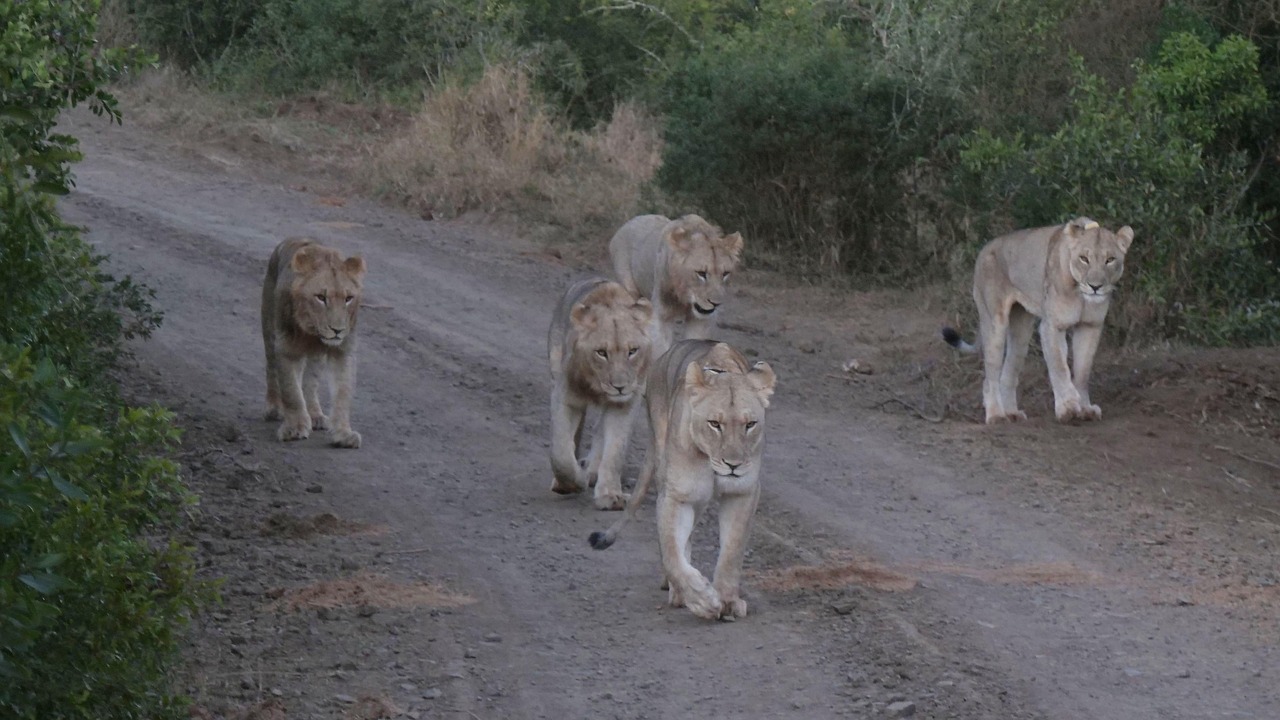
Lions Reclaim Ancient Territory After 143 Years (Image Credits: Pixabay)
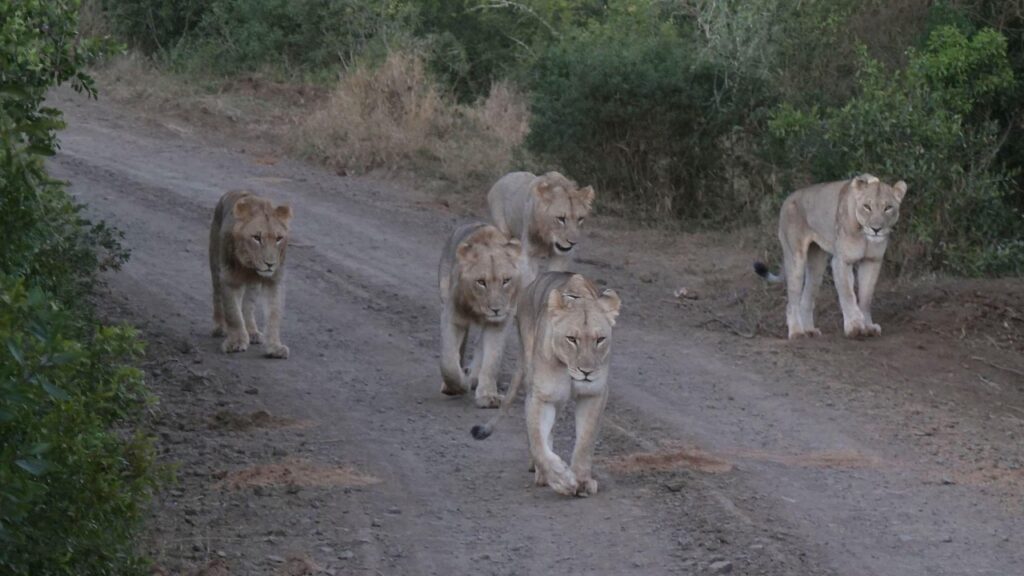
Asiatic lions, symbols of Gujarat’s natural heritage, have staged a remarkable comeback in Barda Wildlife Sanctuary. Natural migration brought the big cats back to the area in 2023, marking their first established presence since 1879. Forest officials documented 17 lions during the 2025 census, including six adults and 11 cubs.
This recolonization underscores broader population growth across Gujarat, where lion numbers reached 891 in 2025, up 32 percent from 674 five years earlier. Officials celebrated the milestone on World Lion Day last August, with Union Environment Minister Bhupender Yadav calling it an “astounding success” during events at the sanctuary.
Biodiversity Thrives Amid Enhanced Safeguards
The sanctuary, spanning 192 square kilometers across Porbandar and Devbhumi Dwarka districts, supports a rich array of species beyond lions. Migratory water birds find seasonal refuge here, while herbivores and other mammals benefit from restored habitats. Recent reports highlight continuous increases in overall wildlife counts within protected forest zones.
Prey species such as nilgai and wild pigs sustain the growing carnivore presence, fostering ecological balance. Improved conditions have drawn animals back to these areas, transforming Barda into a vital biodiversity hotspot.
Conservation Measures Fuel the Revival
Forest department teams implemented stricter anti-poaching patrols and advanced monitoring systems, curbing threats and allowing populations to rebound. Habitat restoration efforts created safer corridors, encouraging natural dispersal from core areas like Gir.
In October 2024, authorities introduced morning and evening jungle safaris, complete with trained guides who educate visitors on local flora and fauna. These initiatives prioritize safety while promoting awareness.
- Enhanced surveillance cameras and patrols reduced illegal activities.
- Habitat improvements boosted prey availability.
- Community engagement fostered coexistence with nearby villages.
- Scientific censuses tracked progress accurately.
- Investment in veterinary facilities supported animal health.
Ecotourism Developments Promise Sustainable Growth
Government leaders unveiled a Rs 180 crore package last year to expand infrastructure at Barda, including a new safari park on 248 hectares and an interpretation center. These projects aim to generate revenue for ongoing protection while drawing eco-conscious travelers.
Gujarat Chief Minister Bhupendra Patel emphasized the lions’ return as a restoration of ecological harmony during the launch. Such steps position Barda as a complement to Gir, easing pressure on established habitats.
Key Takeaways
Barda’s progress offers a blueprint for wildlife recovery, proving that targeted actions yield tangible results. As populations stabilize and habitats strengthen, the sanctuary stands ready for a vibrant future. What steps can communities take next to support such successes? Share your thoughts in the comments.