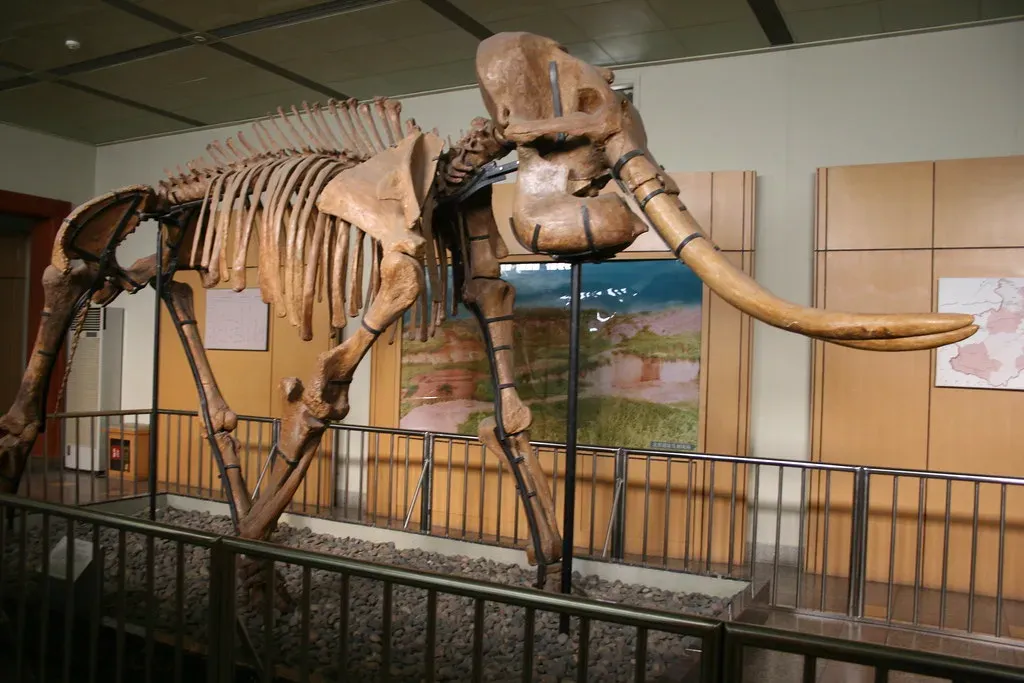
Bayanga, Central African Republic — Amid persistent conflict and fragile infrastructure that dominate perceptions of the Central African Republic, a quieter narrative unfolds in the southwest. Dzanga-Sangha Protected Areas draw adventurous travelers to witness forest elephants and habituated gorillas in the heart of the Congo Basin rainforest. Officials reported around 800 visitors in 2025, generating approximately $1 million in revenue that supports local communities.
Dzanga Bai: A Gathering of Giants
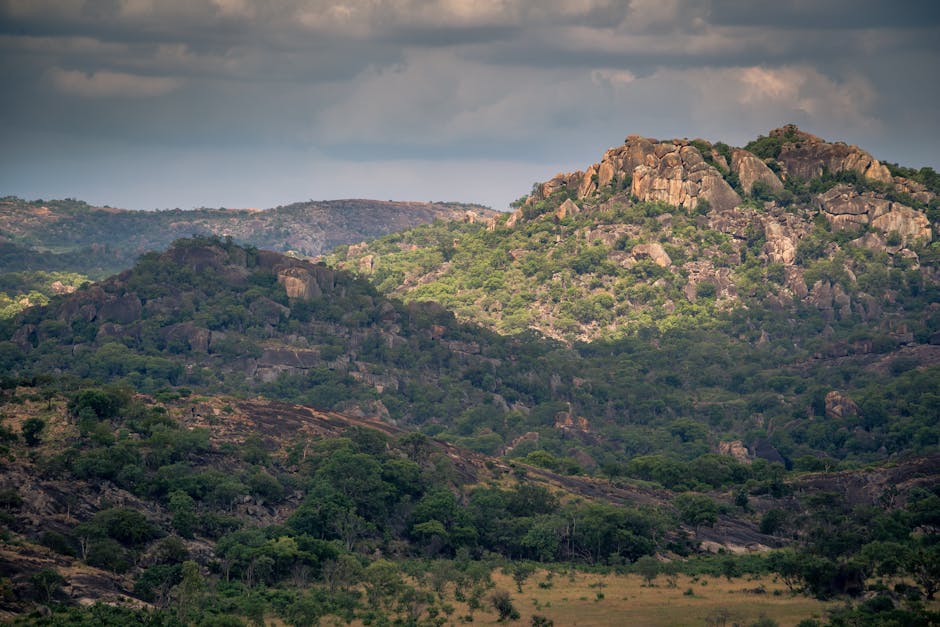
Dzanga Bai: A Gathering of Giants (Image Credits: Pexels)
Forest elephants emerge from thick cover into Dzanga Bai, a mineral-rich clearing that serves as their vital gathering spot. Dozens, and occasionally over 100, wade into shallow pools to extract salts, magnesium, and zinc essential for survival. Mothers protect calves in the open space, while bulls perform subtle greeting rituals before dispersing back into the forest.
This spectacle captivated visitors long before tourism formalized here. Trackers monitor the site from platforms, ensuring minimal disturbance. The bai also attracts bongos, forest buffalo, and giant forest hogs, offering a rare glimpse into Congo Basin biodiversity. Local guides like Léonce Madomi noted that tourists marvel at family groups far larger than those seen elsewhere.
Gorilla Treks and Ba’aka Traditions
Western lowland gorillas, habituated to human observers, provide another highlight in Dzanga-Sangha National Park. Small groups trek through dense undergrowth to observe these critically endangered primates in their natural habitat. The experience contrasts with savanna safaris, immersing visitors in humid, vine-draped forests.
Ba’aka Indigenous communities enrich the cultural side. Tourists join net-hunting expeditions or witness traditional dances in villages like Yobé-Sangha. These activities foster direct exchanges, with revenues flowing back to participants. Béatrice Babona, a Ba’aka radio host, observed that such interactions revive ancestral practices while funding education and healthcare.
- Gorilla habituation treks
- Dzanga Bai observation platforms
- Ba’aka cultural performances
- Forest walks and birdwatching
- Waterfall hikes and river boat trips
Revenue Flows to Remote Communities
Tourism generated tangible economic activity in Bayanga, a town once overshadowed by national instability. Lodges like Sangha Lodge and Doli Lodge accommodated steady arrivals, employing staff in hospitality and guiding. Zongbo Noella, a longtime Doli Lodge worker, said increased visitors helped families amid local hardships.
Entrance fees followed a structured distribution model. Officials detailed the breakdown as follows:
| Recipient | Share |
|---|---|
| Local communities | 30% |
| Ministry of Water and Forests | 15% |
| Ministry of Tourism | 20-25% |
| Dzanga-Sangha Protected Areas | 35% |
Gervais Pamongui, deputy director of the protected areas, credited growth to the site’s appeal and regional stability, attracting Europeans, Americans, and growing numbers of domestic travelers.
Obstacles Temper Optimism
Relative peace in Bayanga enabled this progress, yet broader challenges persisted. Poor roads from Bangui complicated access, often requiring charter flights. Food shortages and limited services strained daily life, as Noella highlighted.
Job creation proved uneven. Guides and eco-guards benefited most, but Madomi pointed out insufficient expansion to address unemployment. Seasonal fluctuations and equitable benefit-sharing questions lingered. Conservation groups like WWF supported trackers, such as Grace Balembe, who credited tourism for employment opportunities.
Despite these hurdles, stakeholders expressed cautious hope. Enhanced infrastructure and marketing could amplify impacts without compromising the raw wilderness.
Key Takeaways
- Ecotourism generated $1 million in 2025, with 30% directly aiding communities.
- Unique wildlife viewings, like 100+ elephants at Dzanga Bai, drive interest.
- Stability in Dzanga-Sangha contrasts national strife, fostering gradual growth.
Dzanga-Sangha demonstrates how wildlife and communities can coexist profitably, even in unlikely settings. As visitor numbers climb, the model holds promise for broader conservation. What experiences have you had with ecotourism in challenging regions? Share in the comments.