Imagine a world without trees, without animals, without even a breath of oxygen in the air. Picture an Earth covered in shallow, toxic seas where the only sound is the crash of waves against barren rock. This is where your story begins – billions of years before the first dinosaur ever roamed. Let’s be real, life on our planet started in a way that seems almost unimaginable today. Yet those earliest organisms left evolutionary fingerprints that still shape every living thing you see around you. So what were these pioneer life forms, and how did they pave the way for complex creatures like you and me? Get ready to journey back to a time when the planet itself was barely recognizable.
The Dawn of Life in an Alien Ocean
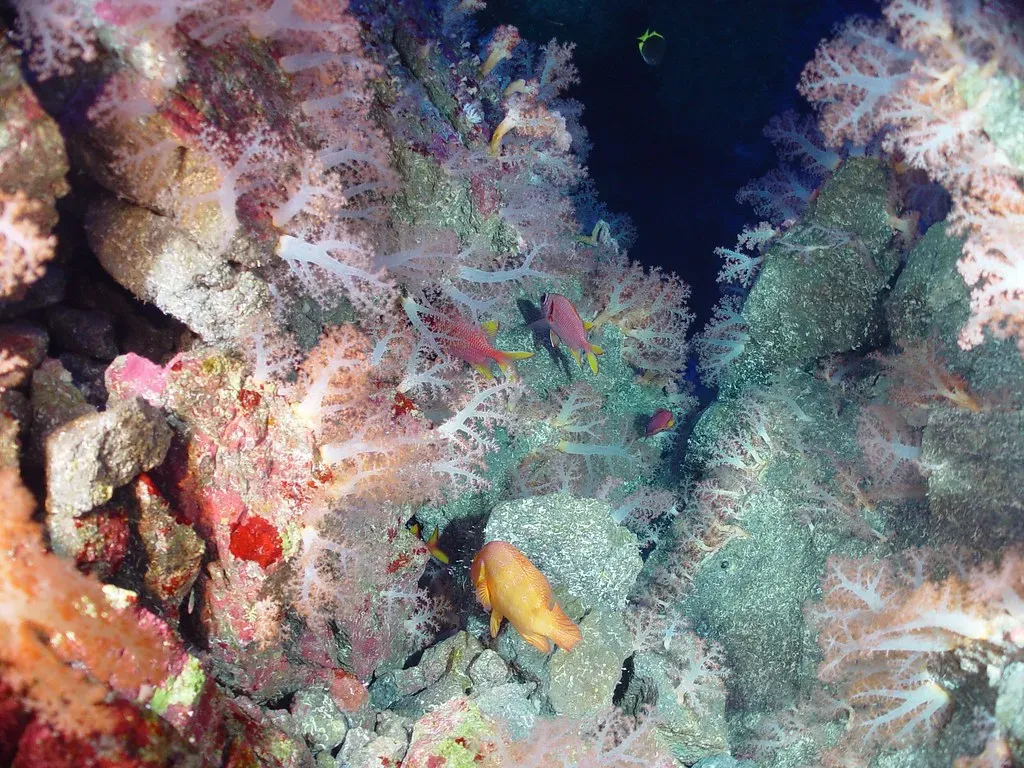
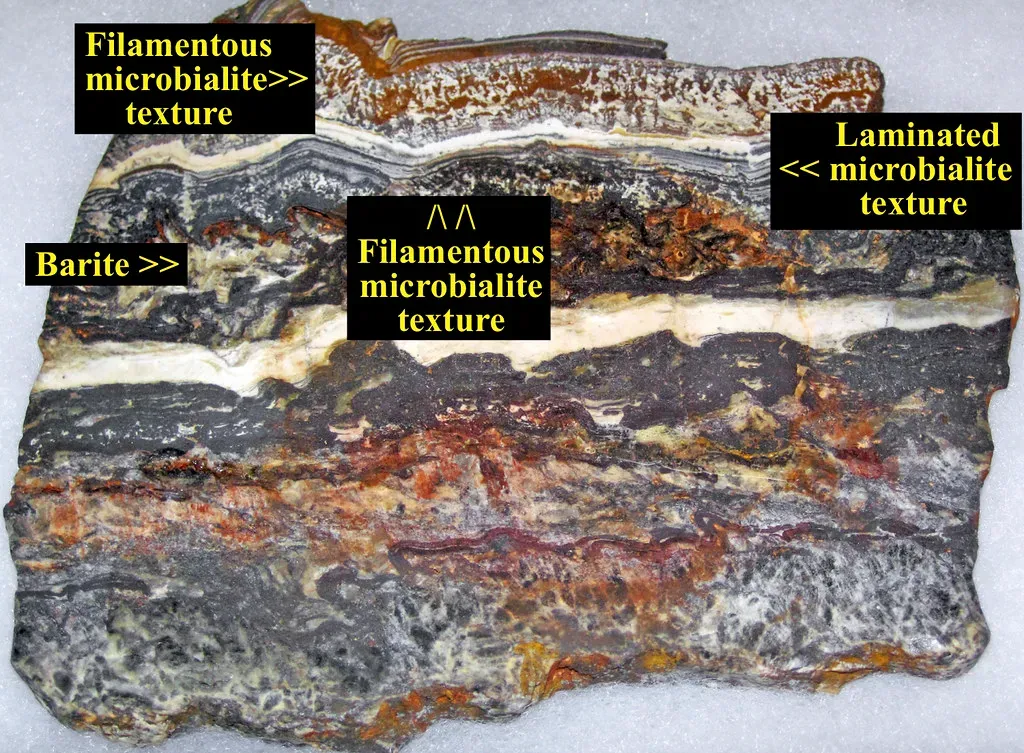
Life emerged on Earth at least three and a half billion years ago, possibly as early as four billion years. Think about that for a moment. The earliest undisputed evidence comes from stromatolite fossils found in ancient rocks, which are layered structures created by communities of microorganisms. These weren’t just random blobs of organic matter. They were organized colonies working together in ways that would make modern biofilms look simple.
Early Earth was extremely hot, volcanically active, and bathed in brutal ultraviolet radiation. There was no protective ozone layer, and the atmosphere lacked the oxygen you’re breathing right now. Yet somehow, in this hostile environment, microscopic organisms not only survived but thrived. Scientists suggest that deep-sea hydrothermal vents may have been the birthplaces of Earth’s first life forms, where mineral-rich water and energy from the planet’s interior created perfect chemical laboratories for life to begin.
Stromatolites: Earth’s Earliest Architects
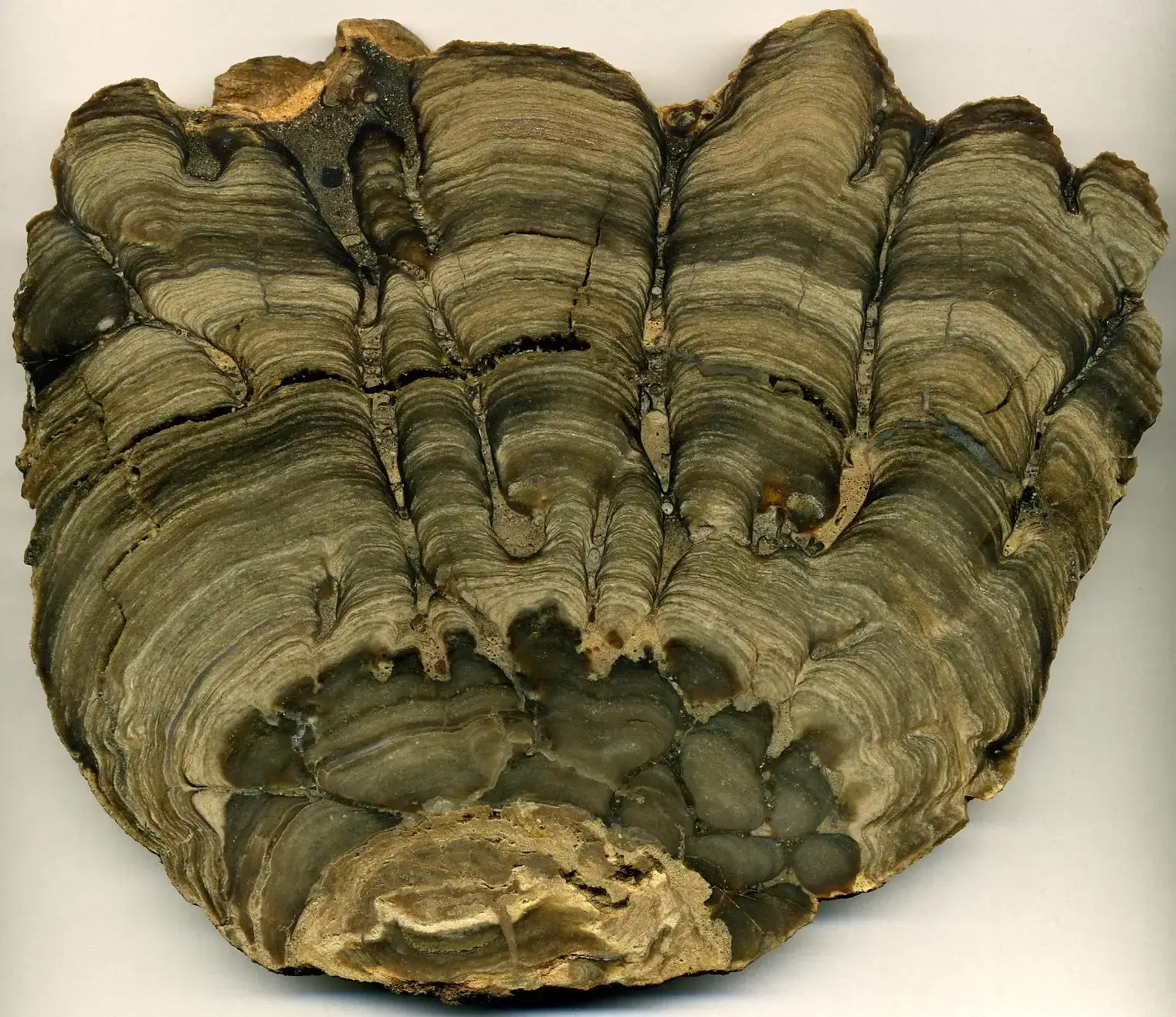
Stromatolites are layered structures formed in shallow water by the trapping and binding of sedimentary grains in microbial mats, especially through the action of cyanobacteria. These ancient formations might not look like much at first glance, but they’re actually some of the most important fossils on the planet. Picture massive domes and columns rising from ancient seafloors, built layer by painstaking layer over thousands of years.
Stromatolites first appeared roughly three and a half billion years ago, nearly two thirds of Earth’s entire existence. Honestly, it’s hard to wrap your head around that timespan. A single meter-tall structure may be two thousand to three thousand years old, growing at a pace so slow it makes glaciers look speedy. Living stromatolites exist today in only two well-developed marine locations worldwide: the Bahamas and Hamelin Pool in Western Australia, where they thrive in hypersaline water twice as salty as normal seawater.
Cyanobacteria: The Oxygen Revolution
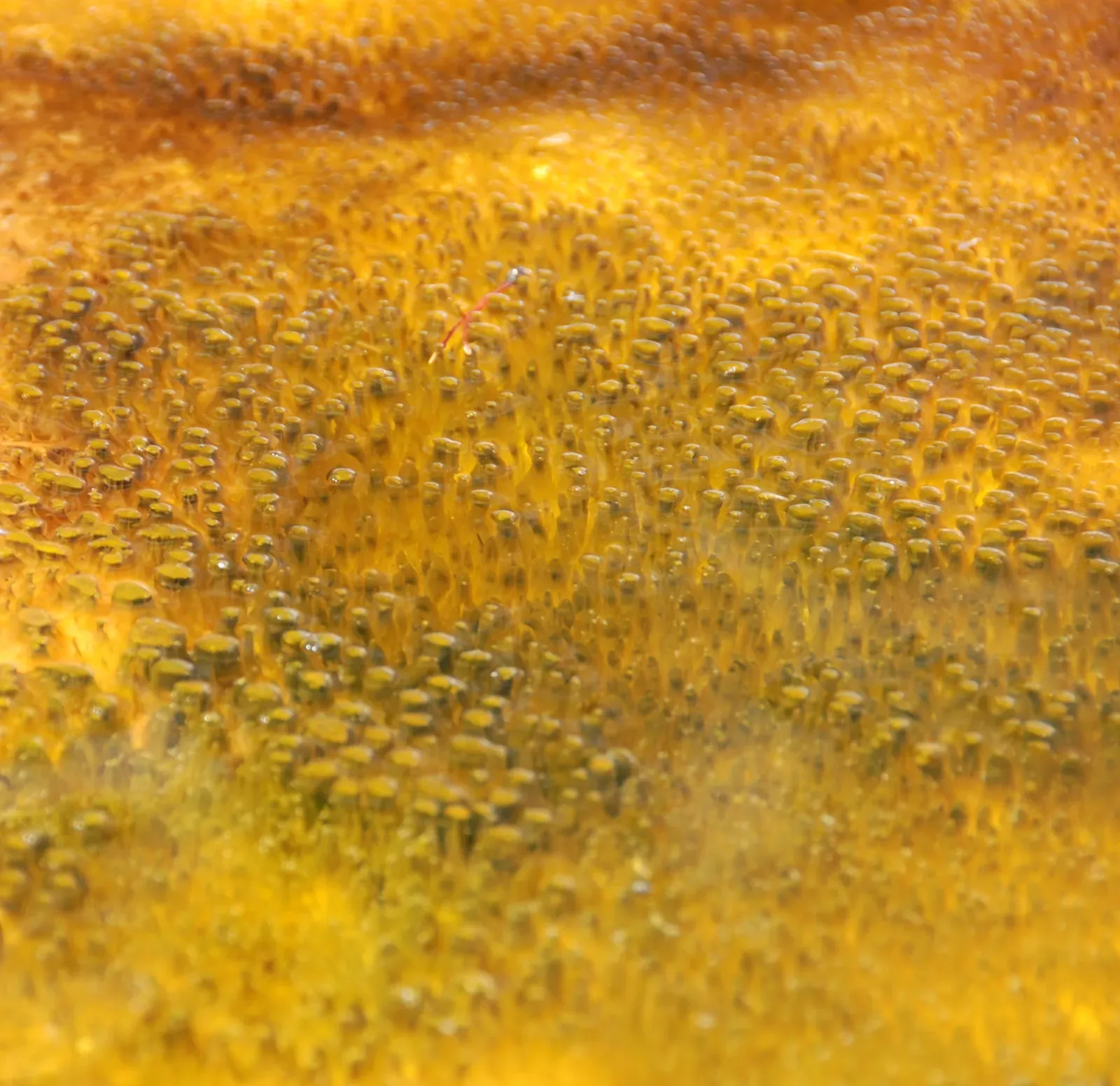
Here’s where things get really interesting. Cyanobacteria, also called blue-green algae, are photosynthetic organisms that get their energy from the sun. These microscopic powerhouses didn’t just survive – they fundamentally transformed the entire planet. The evolution of photosynthesis by cyanobacteria around three and a half billion years ago eventually led to oxygen buildup in the oceans, and after saturating all available reductants on Earth’s surface, oxygen accumulated in the atmosphere during the Great Oxygenation Event around two point four billion years ago.
Let me put this in perspective. Before cyanobacteria, air was only about one percent oxygen, but for two billion years, photosynthesizing stromatolites pumped oxygen into the oceans like underwater trees, and when ocean waters became saturated, oxygen was released into the air, eventually reaching around twenty percent. Without this ancient microbial activity, complex life as we know it would be impossible. You wouldn’t be here reading this.
The Rise of Complex Cells
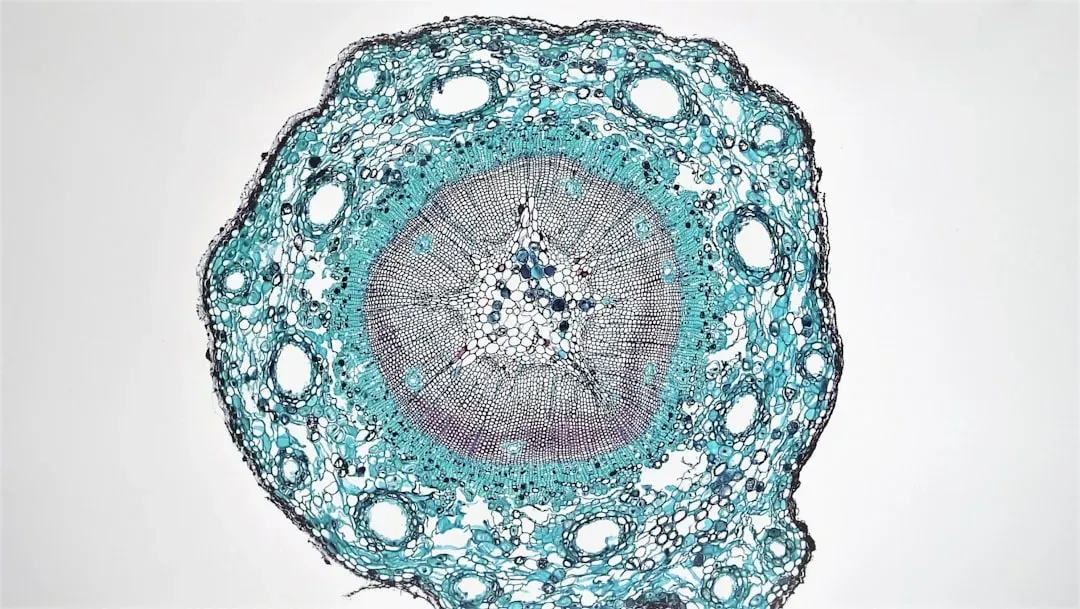
The earliest evidence of eukaryotes – complex cells with organelles – dates from roughly one point eight five billion years ago, likely due to symbiogenesis between anaerobic archaea and aerobic bacteria. This was a massive evolutionary leap. Instead of simple bacterial cells, life suddenly had cells with internal compartments, nuclei, and specialized machinery. It’s hard to say for sure what triggered this transition, but the availability of oxygen seems to have played a crucial role.
Research suggests that eukaryotes were present on Earth as early as two point three three billion years ago, right around the time oxygen became a permanent fixture in the atmosphere, significantly predating the earliest macroscopic fossils found in the record. These early eukaryotes were still microscopic, single-celled organisms, yet they possessed a level of cellular complexity that opened entirely new evolutionary possibilities. The conditions created by earlier microbes made the environment hospitable for the emergence of more complex life forms beginning about one point two billion years ago.
Ediacaran Mysteries: First Animals Emerge
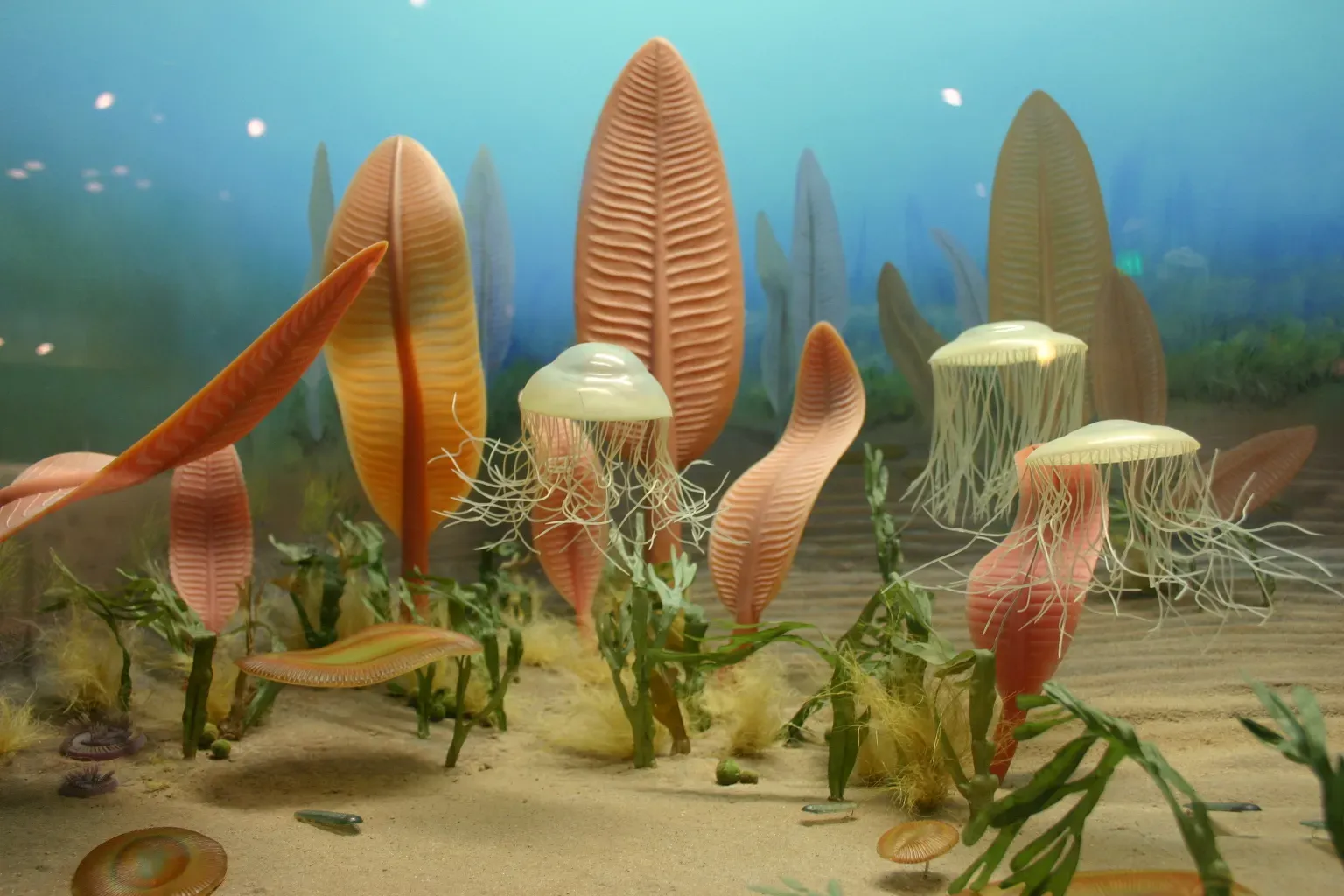
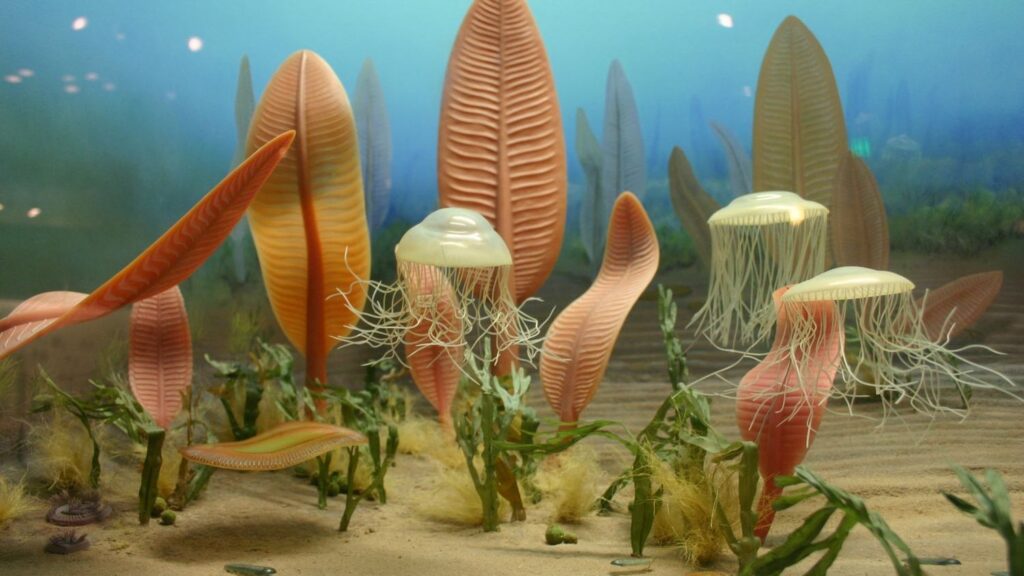
The Ediacaran biota consists of all life forms present during the Ediacaran Period from roughly six hundred thirty-five to five hundred thirty-eight million years ago, including enigmatic tubular and frond-shaped organisms that represent the earliest known complex multicellular organisms. These creatures were nothing like animals today. Some resembled quilted pillows, others looked like alien fronds anchored to the seafloor.
Lacking any mouth, gut, reproductive organs, or evidence of internal anatomy, their lifestyle was peculiar by modern standards, with the most widely accepted hypothesis suggesting they absorbed nutrients from seawater through osmosis. Can you imagine organisms with no way to eat in the conventional sense? The Ediacaran organisms first appeared around six hundred million years ago and flourished until the Cambrian boundary, when characteristic communities vanished, with rare survivors found as late as the Middle Cambrian. Their disappearance remains one of paleontology’s enduring mysteries.
The Cambrian Explosion: Life Gets Serious
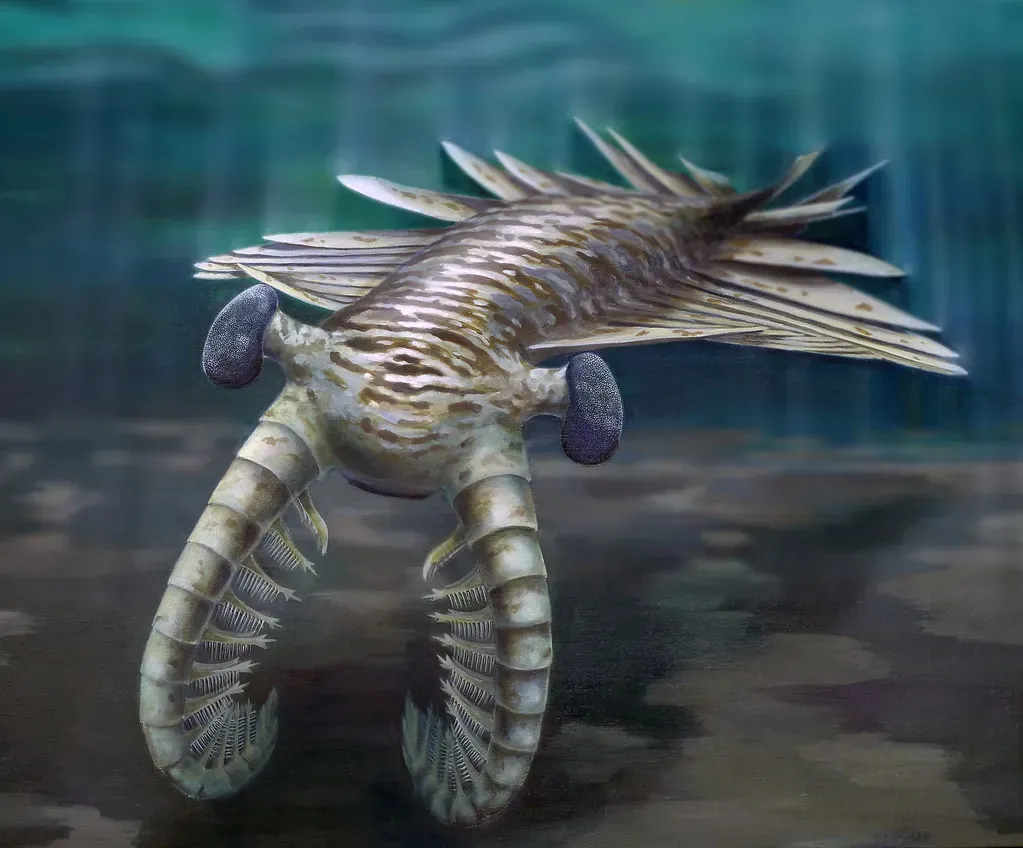
Around five hundred thirty million years ago, a wide variety of animals burst onto the evolutionary scene in the Cambrian explosion, with marine animals evolving most basic body forms we observe in modern groups in perhaps as few as ten million years. This wasn’t gradual change – it was an evolutionary sprint. Suddenly, the fossil record shows creatures with eyes, legs, shells, and jaws. Predators appeared, triggering an evolutionary arms race that continues to this day.
The Cambrian Explosion saw an incredible diversity of life emerge, including many major animal groups alive today, among them the chordates, to which vertebrates such as humans belong. Recent research suggests the Cambrian explosion may have been triggered by only a small increase in oxygen levels in Earth’s atmosphere and shallow ocean waters, as Cambrian animals likely did not require as much oxygen as scientists previously believed. Sometimes tiny environmental shifts create massive biological consequences.
Evolutionary Legacies That Shape Life Today
The ecosystems of life’s first two billion years seem alien, but it was within these early oceans that the fundamental biogeochemical circuitries of carbon, sulfur, nitrogen and phosphorus cycling were established – microbial processes that still underpin all functioning ecosystems on Earth. Every breath you take, every plant that grows, every animal that walks or swims depends on metabolic pathways invented billions of years ago by organisms you could never see with your naked eye.
As photosynthetic organisms raised oxygen levels in the atmosphere, new environments for microbial life were created and different nutrients became accessible to fuel growth, while microbes that couldn’t survive in oxygen had to adapt, perish, or find environments where oxygen didn’t persist. Within nascent eukaryotic cells, new genetic and cell biological features took root, ultimately making the evolution of complex multicellular organisms possible, making us very much a product of that distant world. Honestly, without those ancient pioneers, nothing you know would exist.
When you look at life before the dinosaurs, you’re really looking at the foundation of everything. Those microscopic organisms living in toxic seas billions of years ago weren’t just surviving – they were engineering an entire planet, transforming a lifeless rock into a world capable of supporting staggering diversity. Their legacy lives on in every cell of your body, in the air you breathe, in the complex ecosystems that surround you. Next time you see a rock or gaze at the ocean, remember that beneath your feet and within those waters lies evidence of Earth’s most ancient inhabitants, the true pioneers who made everything else possible.
What do you think about these ancient life forms? Does it change how you see the world around you?