Benin – Researchers documented hundreds of critically endangered hooded vultures openly sold in fetish markets across southern Benin, revealing a trade fueled by traditional beliefs. These birds, once common scavengers near human settlements, now face near-extirpation due to demand from Vodùn practitioners seeking supernatural benefits. The findings underscore a growing regional crisis, where illegal commerce spans multiple West African countries despite protective laws.
A Familiar Sight Turned Target
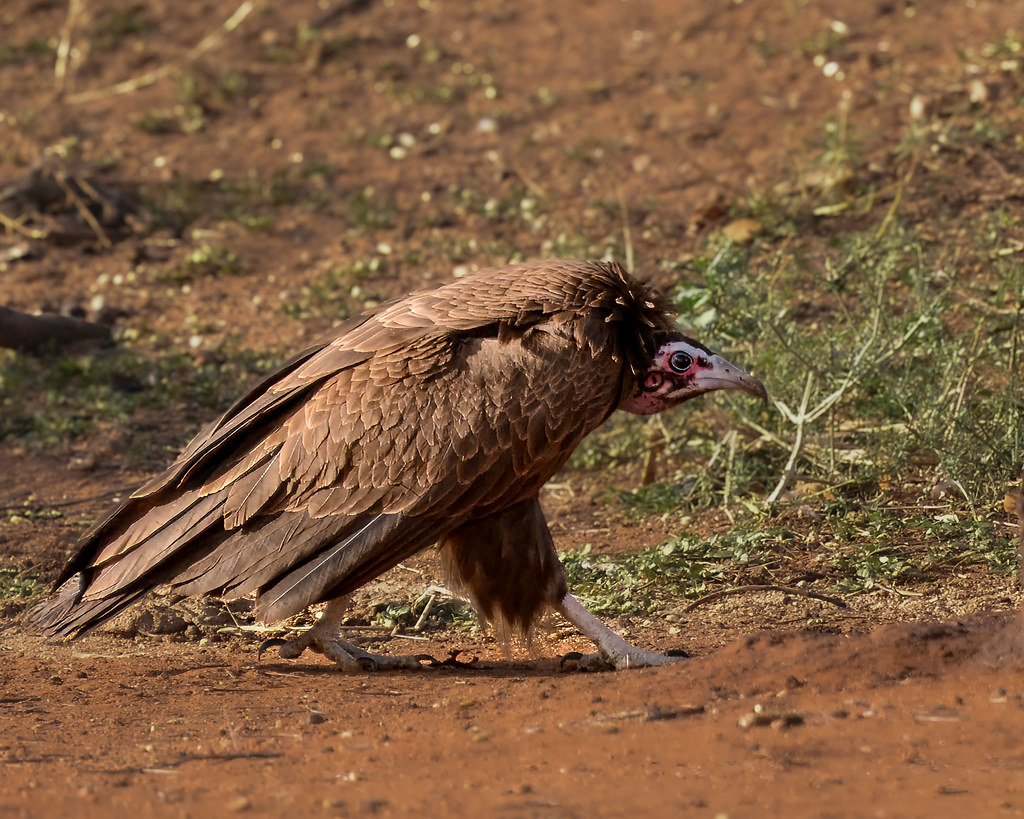
A Familiar Sight Turned Target (Image Credits: Flickr)
The hooded vulture (*Necrosyrtes monachus*) stands out with its scruffy appearance and distinctive beige feather patch resembling a hood. Native to sub-Saharan Africa, this small raptor thrives amid human activity rather than dense forests. Often spotted scavenging meat and waste near villages, abattoirs, and landfills, the species earned a comparison to the “pigeons of West Africa” from conservationist Nico Arcilla.
That closeness to people proved disastrous. Easily captured using poisoned or tobacco-laced baits, hooded vultures supply a lucrative market. Their numbers plunged 80% over three generations, earning a Critically Endangered status on the IUCN Red List – the final step before extinction.
Unveiling the Trade’s Scale
In 2023, a team led by Abiola Sylvestre Chaffra surveyed nine fetish markets in southern Benin over four months. They interviewed 115 vendors and counted 522 hooded vultures for sale, including 383 dried carcasses, 90 heads, and 49 live birds. Vendors sourced birds from at least 10 countries beyond Benin, with 60% from Ghana, Burkina Faso, Nigeria, and Niger.
Prices reflected high demand: an average of 76,800 CFA francs ($128) per bird, surpassing Benin’s monthly income average, and up to 500,000 CFA francs ($884) for live specimens. Nearly all vendors practiced Vodùn and belonged to the Fon ethnic group, with most lacking formal education. Though 92% knew of bans on vulture trade, no prosecutions had occurred.
- Dried carcasses: 73.4% of offerings
- Heads: 17.2%
- Live birds: 9.4%
- Origins: Benin (25%), neighboring nations (60%), distant countries (15%)
Supernatural Beliefs Fuel Demand
Vodùn, Benin’s official cultural religion intertwined with Christianity for many, attributes mystical powers to vultures. Practitioners sacrifice and consume parts for protection against witchcraft, luck in lotteries, election success, or wealth – nearly half of buyers were businessmen and politicians. Powdered parts create soaps for washing, while heads or carcasses adorn homes for fortune.
About 90% of trade served belief-based needs: two-thirds mystical, one-third medicinal for ailments like anemia or infertility. Nico Arcilla described the volume as “staggering,” warning that “the demand for fetish animals in Benin can drive them extinct.” What began as local rituals has expanded regionally, outpacing earlier estimates of under 1,500 birds sold annually in West Africa.
Population Plunge and Ecological Fallout
A 2019 road survey across 1,451 km in northern Benin tallied just 52 hooded vultures, averaging 3.58 per 100 km – evidence of near-extirpation. Poaching for beliefs topped threats at 56%, followed by food scarcity from reduced offal at abattoirs. Experts predict disappearance outside protected areas within two decades.
These “nature’s janitors” control disease by consuming carcasses and waste, ingesting pathogens harmlessly. Their loss prolongs decay, boosts flies, and risks outbreaks for humans and livestock, according to Darcy Ogada of the Peregrine Fund. She labeled belief-based trade the “biggest threat,” with captures via poisoning a “horror story.”
Urgent Calls for Action
Benin’s laws ban hunting, possession, and trade, with penalties up to three years in jail, yet enforcement lags. Researchers urge awareness campaigns targeting Vodùn communities, stronger policing, and alternatives for vendors. International agreements like the CMS Raptors MOU could bolster efforts. For details, see the study in Bird Conservation International.
Slow breeders with one chick yearly, hooded vultures cannot rebound quickly. Conservationists stress education to bridge cultural practices and wildlife protection.
Key Takeaways
- 522 vultures traded in nine markets over four months signals surging demand.
- Beliefs in luck and protection drive 90% of sales, ignoring legal bans.
- Populations crashed to near-zero in surveys; ecosystems suffer without scavengers.
Hooded vultures teeter on the edge, their fate hinging on curbing this belief-driven trade before Benin loses them forever. What steps should governments take to balance culture and conservation? Tell us in the comments.