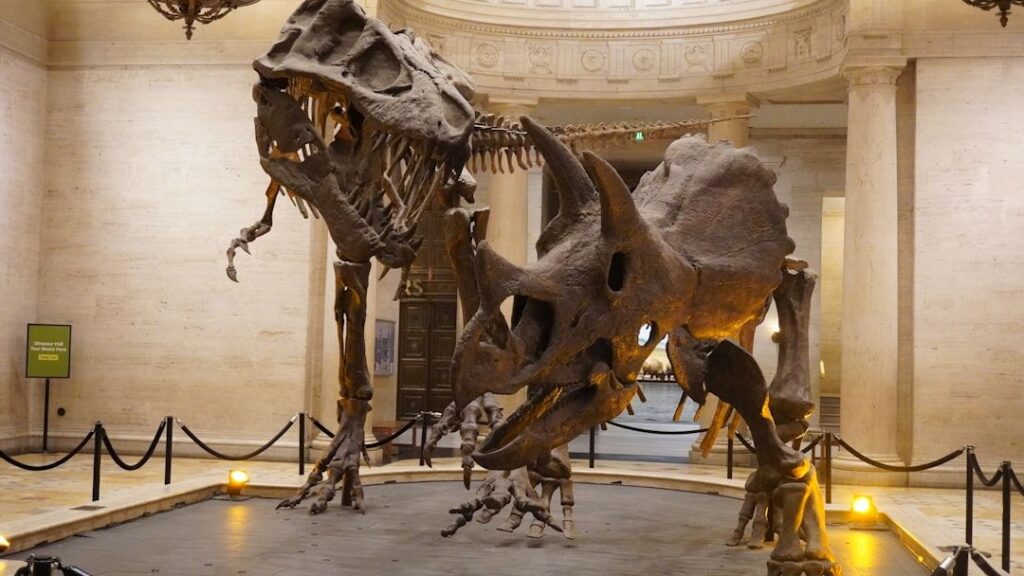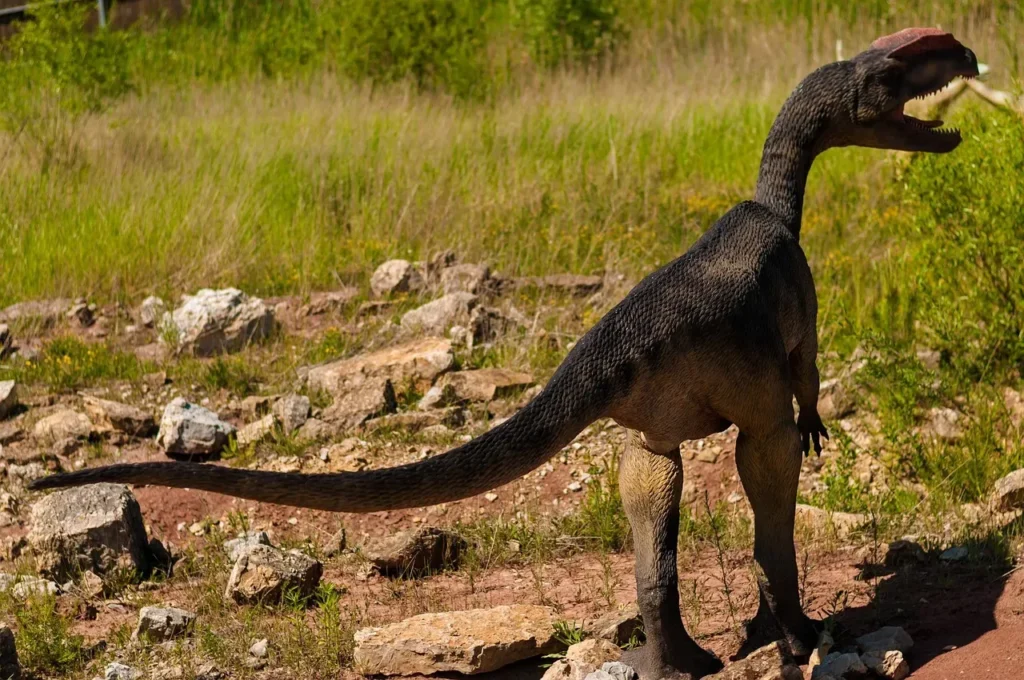
When you think about prehistoric life, your mind probably jumps to the classic image of a towering dinosaur skeleton standing in a museum atrium. Bones, teeth, skulls – impressive, no doubt. But honestly, they only tell you what a creature looked like. They rarely whisper a word about how it actually lived, moved, hunted, or raised its young.
That’s where things get truly fascinating. Beneath the surface of ancient rock lies a whole other category of clues, one that scientists call trace fossils, and they tell stories that bones simply cannot. You’d be surprised what a fossilized footprint, a centuries-old burrow, or even a prehistoric dropping can reveal about the daily life of a vanished species. So let’s dive in.
What Are Trace Fossils? Understanding the Basics of Ichnology
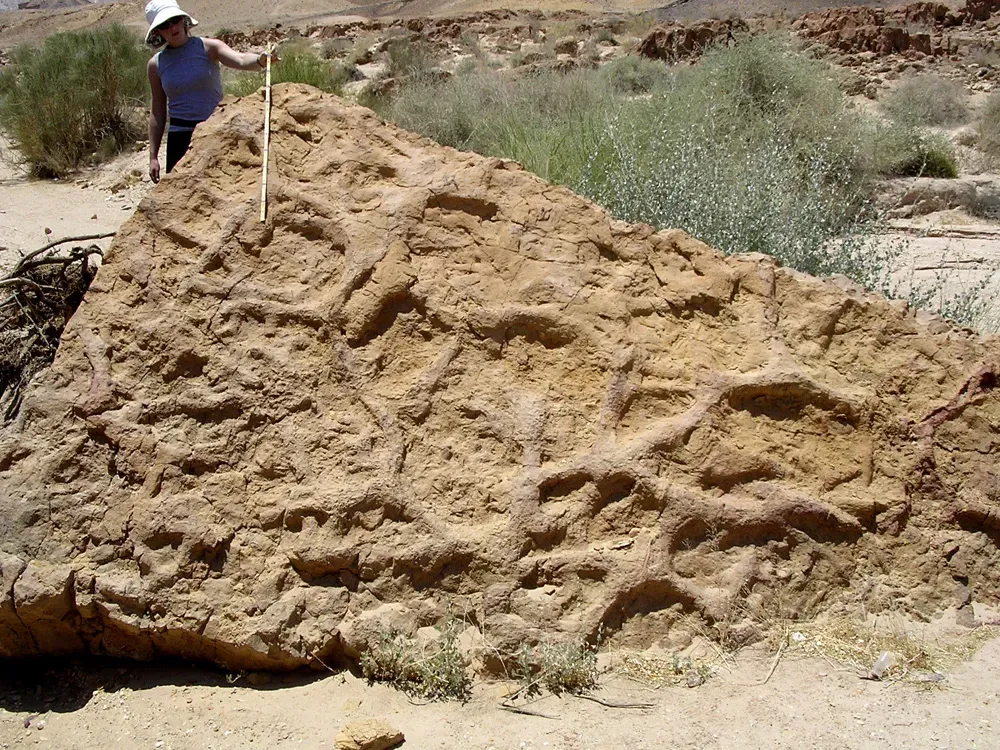
Think of trace fossils as the ancient world’s version of security camera footage. A trace fossil, also called an ichnofossil, is a fossil record of biological activity by lifeforms, but not the preserved remains of the organism itself. In other words, you are not looking at the creature – you are looking at what it did. That distinction is enormous.
Unlike body fossils which preserve the physical structure of an organism, trace fossils record behaviors such as locomotion, feeding, dwelling, reproduction, and resting. When you study a trace fossil, you are essentially reading the diary of an ancient animal. The study of trace fossils is called ichnology, and it is a valuable tool for paleontologists who are trying to understand the behavior and ecology of extinct organisms.
Trace fossils may consist of physical impressions made on or in the substrate by an organism – for example, burrows, borings, footprints, feeding marks, and root cavities may all be trace fossils. The sheer variety is staggering. You can be looking at a worm tunnel in Cambrian mud or a sauropod footprint the size of a dining table and both qualify as trace fossils.
Footprints and Trackways: Reading Movement in Stone
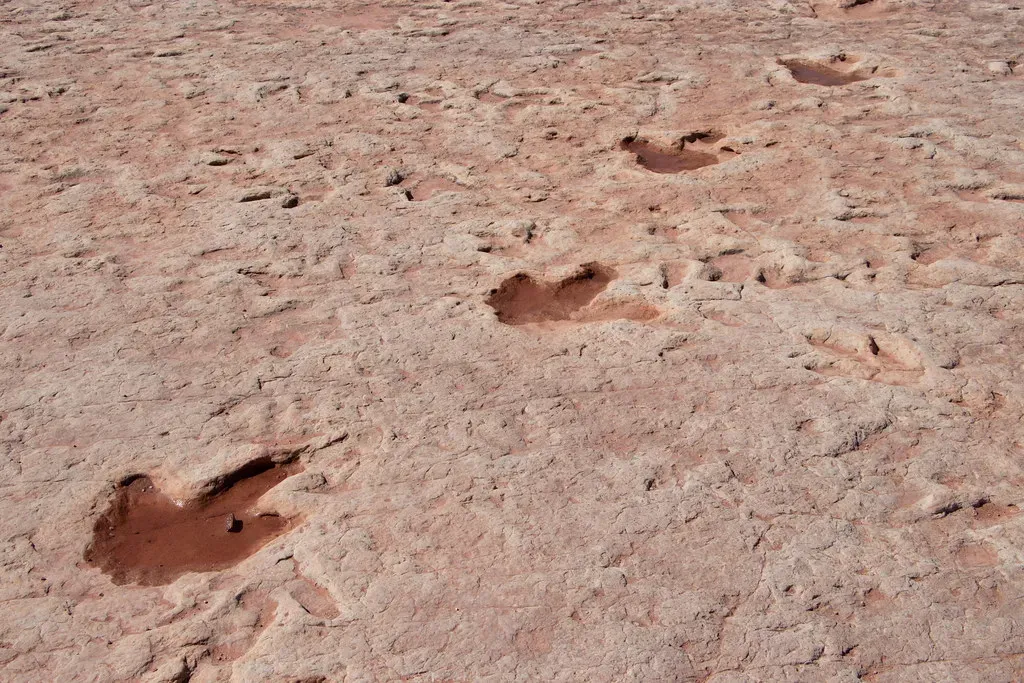
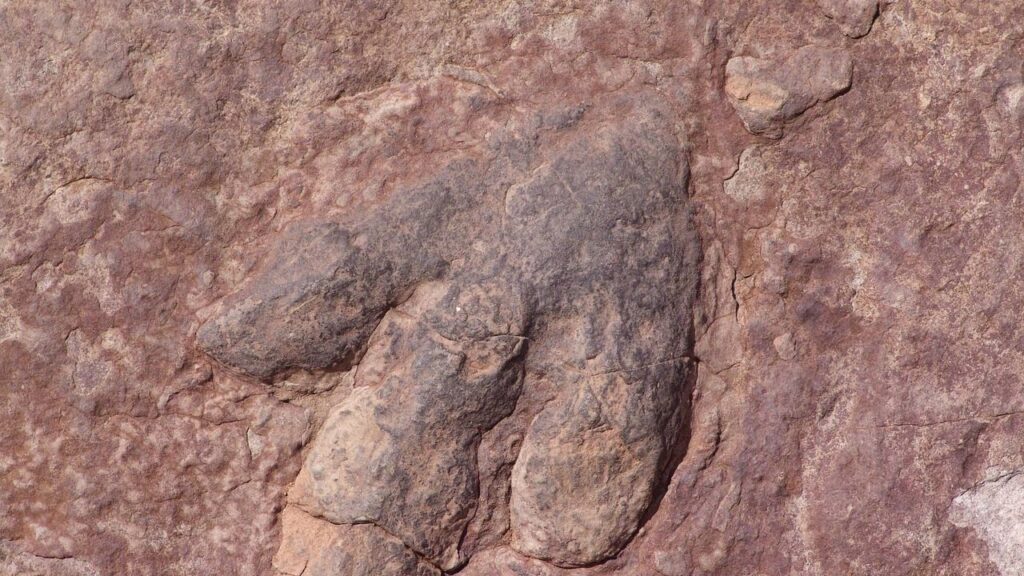
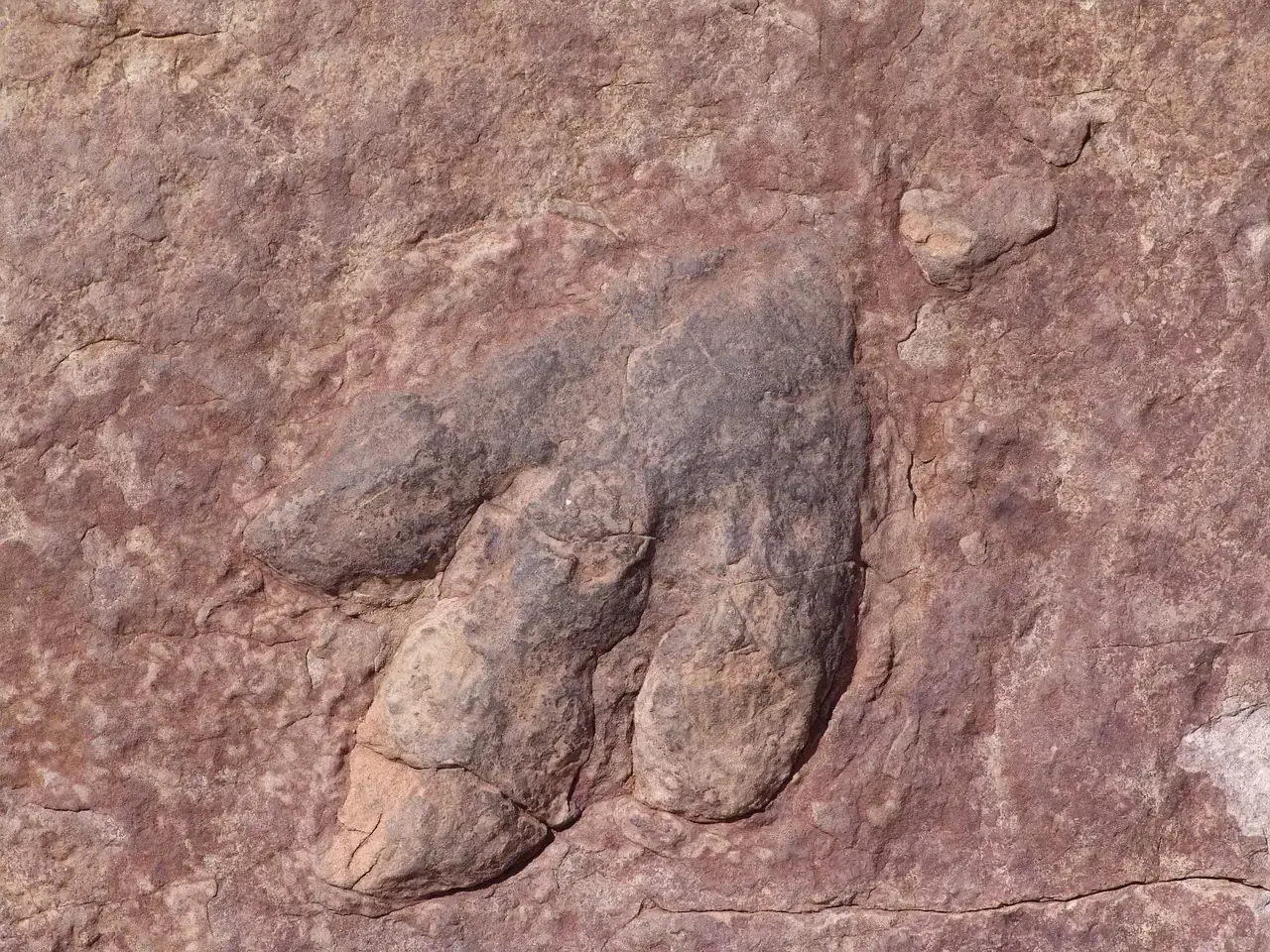
There is something almost magical about a fossilized footprint. Dinosaur tracks provide a snapshot of when these animals roamed across our planet. They are direct evidence of how an individual was behaving at a specific moment in time. No other type of fossil can claim that level of immediacy. You are essentially looking at the imprint of a single living moment, frozen in rock for millions of years.
Footprints reveal the direction an animal was moving, whether it was traveling alone or in a group, and also provide clues about whether it was walking or running. It is like reading a complete narrative from a set of impressions in soft ground. A series of parallel tracks may suggest that animals were moving in a group and could indicate possible herd behaviour, while some experts propose that some trackways with prints made by different types of dinosaurs are evidence of prehistoric chase scenes.
Fossil trackways can even indicate speeds, as there is a constant relationship between the spacing of footprints, stride length, leg length, and speed. Think about that for a moment. You can calculate how fast a creature was running hundreds of millions of years ago, just from the distance between its steps. Although the skeletons of dinosaurs can be reconstructed, only their fossilized footprints can determine exactly how they stood and walked, and such tracks can tell much about the gait of the animal which made them.
Burrows and Borings: Secrets Hidden Underground
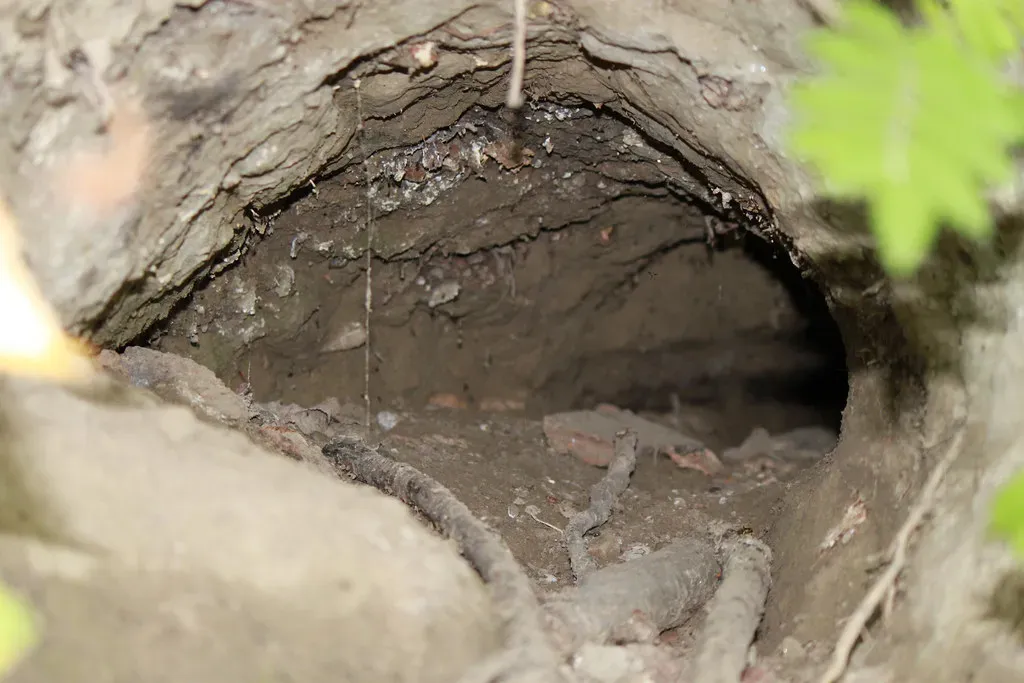
Burrows are tunnels or tubes created by organisms as they move through sediment or soil. Burrows can belong to various organisms, including worms, insects, or even small vertebrates, and fossilized burrows reveal the burrowing habits of organisms, helping scientists understand their behavior, habitat preferences, and even predator-prey interactions. It’s hard to say for sure how complex the social structures of ancient burrowing communities were, but the architecture of their tunnels speaks volumes.
Sediments that were heavily mixed by burrowing organisms prior to turning to rock are said to be bioturbated, and the absence of finely preserved layers is sometimes an indication for geologists that the sediments were well oxygenated, allowing animals to crawl through them. This is a brilliant example of how a single trace fossil can reveal not just animal behavior but also the physical conditions of an ancient environment. One clue, many answers.
The burrowing animals of the Cambrian were able to tunnel down through the microbial mats, churning the sediment beneath. The burrowers may have started tunneling to access new sources of food or to escape predation by digging deep into the substrate. Survival strategy, food foraging, and predator avoidance – all of it readable from a tunnel left in stone.
Coprolites: What Ancient Poop Can Teach You
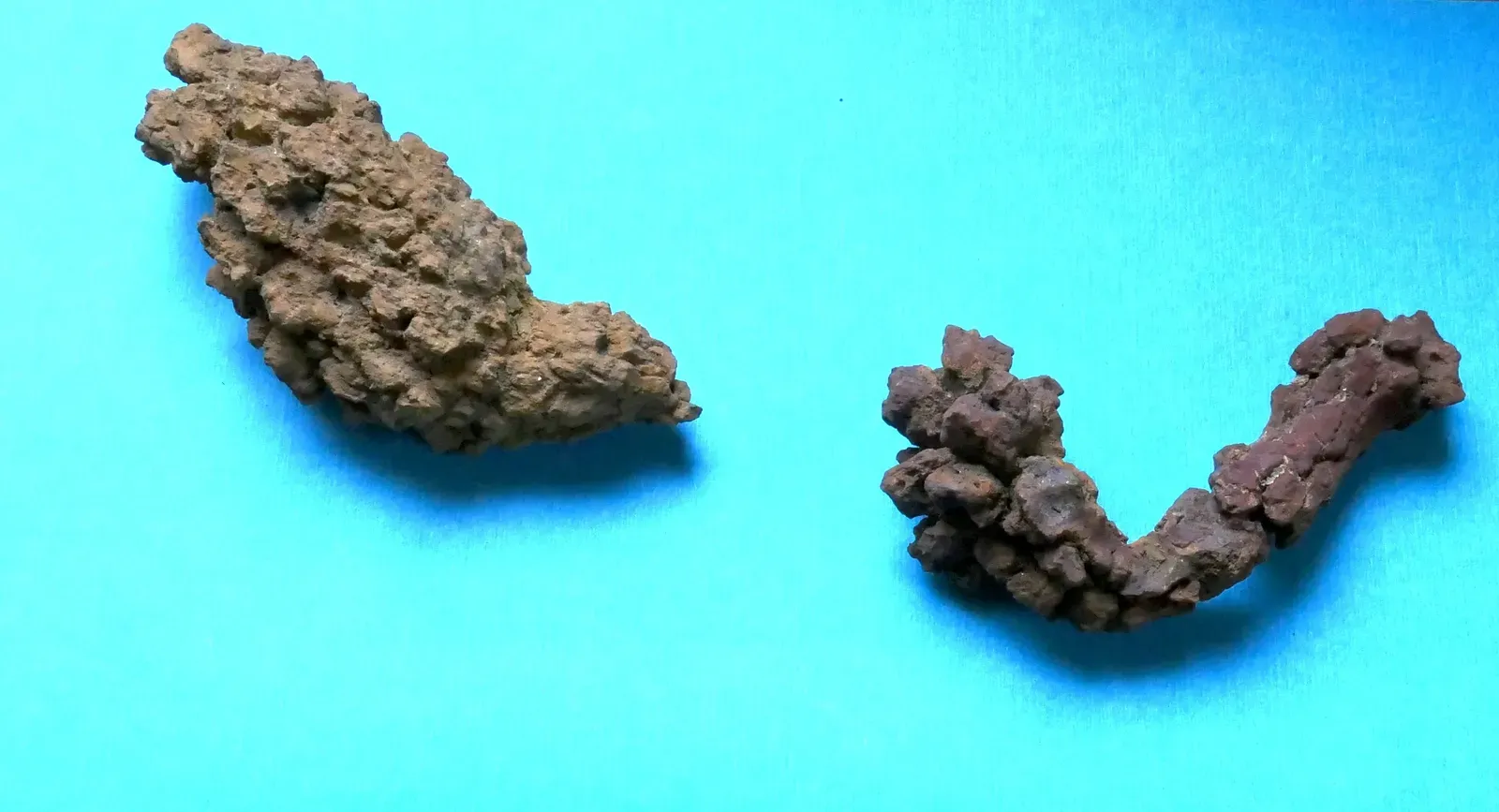
Let’s be real – fossilized poop is not the most glamorous subject. Yet it might be the most surprisingly informative. Coprolites serve a valuable purpose in paleontology because they provide direct evidence of the predation and diet of extinct organisms. You can learn more about what a creature ate from its ancient droppings than from almost any other trace it left behind.
Coprolites from carnivorous dinosaurs often contain bone fragments or scales of their prey, providing direct evidence of predation and scavenging behaviors. Herbivorous coprolites may contain plant tissues or pollen grains, offering clues about the vegetation and environmental conditions in which these animals lived. It is like finding a grocery receipt from 70 million years ago – specific, revealing, and frankly kind of remarkable.
Modern scientific techniques have revolutionized the study of coprolites. Methods such as microscopy, chemical analysis, stable isotope analysis, and DNA sequencing can be used to identify food remains, microbial communities, and genetic material preserved within coprolites. The science has come an incredibly long way. Various types of data from coprolites provide detailed evidence of the producer’s condition, like diet, intestinal microbiome, virus infection and parasite diseases. You could not have imagined any of that from a skeleton alone.
Nests and Eggs: Clues to Reproductive Behavior
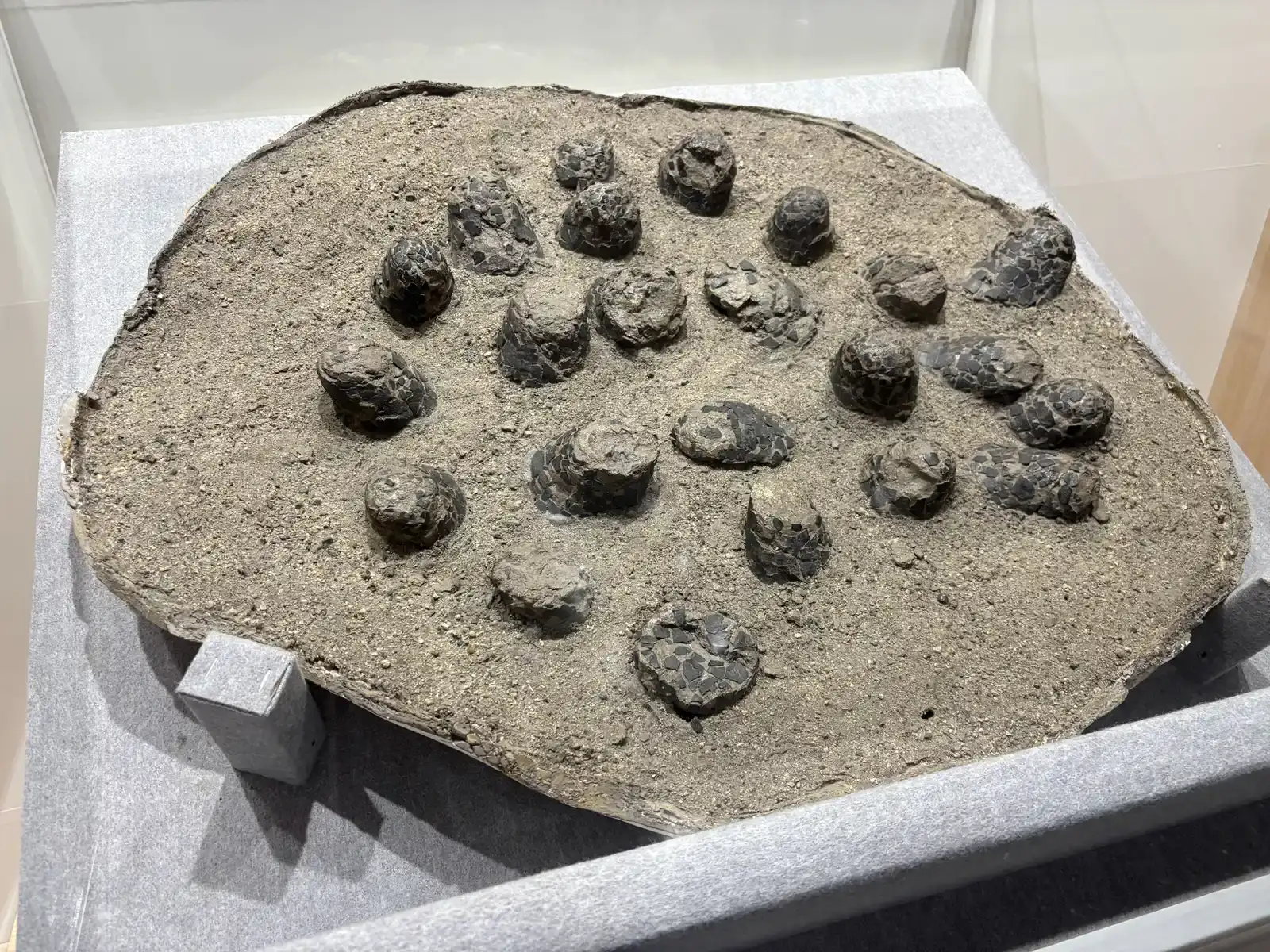
Eggs and nests are indirect evidences of reproductive behavior, and their fossilized equivalents are trace fossils. As structures primarily made for facilitating the development of younger animals, nests may or may not include eggs. Some dinosaur eggs have preserved embryo remains, which are body fossils, but the egg itself is a trace fossil. The line between body fossils and trace fossils can feel surprisingly blurry here, but the distinction matters scientifically.
Dinosaur nesting sites and trackways support the idea that some herbivorous dinosaurs were gregarious. This same evidence may also point to migrating behavior. It is exciting, really, because you are looking at evidence of social life and family structure in creatures that went extinct tens of millions of years ago. Trace fossils combined with body fossils represent one of the most compelling pieces of evidence for brooding behavior in dinosaurs.
Ichnofacies: When Trace Fossils Map Ancient Environments
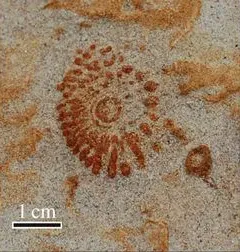
Here’s the thing most people don’t realize: trace fossils don’t just reveal individual animal behavior. They can reconstruct entire ancient ecosystems. Palaeontologist Adolf Seilacher pioneered the concept of ichnofacies, whereby geologists infer the state of a sedimentary system at its time of deposition by noting the fossils found in association with one another. This was genuinely groundbreaking work that changed how scientists read the geological record.
The assortment of fossils preserved are primarily constrained by the environmental conditions in which the trace-making organisms dwelt. Water depth, salinity, hardness of the substrate, dissolved oxygen, and many other environmental conditions control which organisms can inhabit particular areas. So when you find a particular grouping of trace fossils, you can essentially look up what kind of environment that would have required. It’s like a geological fingerprint.
Because environmental factors often influence activities, trace fossils provide important clues to the original conditions of ancient environments. Trace fossils reflect environmental factors such as salinity, oxygen levels, energy, interactions among organisms, and food supplies. This makes ichnofacies analysis one of the most powerful tools in all of paleontology, though it often flies quietly under the radar compared to the drama of discovering dinosaur bones.
Trace Fossils and the Cambrian Explosion: The Behavioral Big Bang
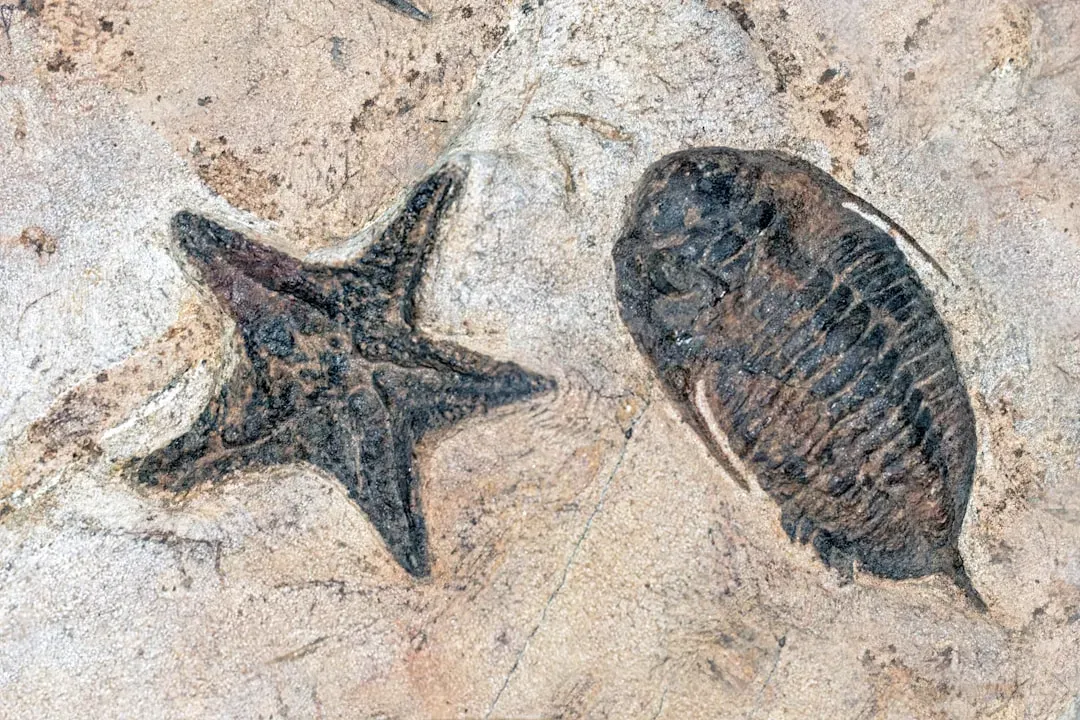
If you want to talk about the most dramatic moment in the history of animal behavior on this planet, the Cambrian explosion is your story. The Cambrian explosion began approximately 538.8 million years ago in the Cambrian period of the early Paleozoic, when a sudden radiation of complex life occurred and practically all major animal phyla started appearing in the fossil record. It lasted for about 13 to 25 million years and resulted in the divergence of most modern metazoan phyla. Nothing quite like it has happened since.
Trace fossils made by animals also show increased diversity in Cambrian rocks, showing that the animals of the Cambrian were developing new ecological niches and strategies such as active hunting, burrowing deeply into sediment, and making complex branching burrows. You can literally watch the evolution of complex behavior unfold through the rock layers. The Cambrian explosion of animal life is well-documented by a dramatic increase in the diversity of trace fossils, indicating a significant shift in benthic seafloor ecosystems.
During the late Ediacaran, metazoans produced only simple horizontal traces on the surface of the sea floor. Starting in the Cambrian, animals began to tunnel vertically through the sediments and exhibit more varied behaviours. That shift from horizontal to vertical, from simple to complex, is one of the most fascinating behavioral transitions in Earth’s entire history. It changed the planet permanently.
Behavior Over Bones: Why Trace Fossils Are the Bigger Story
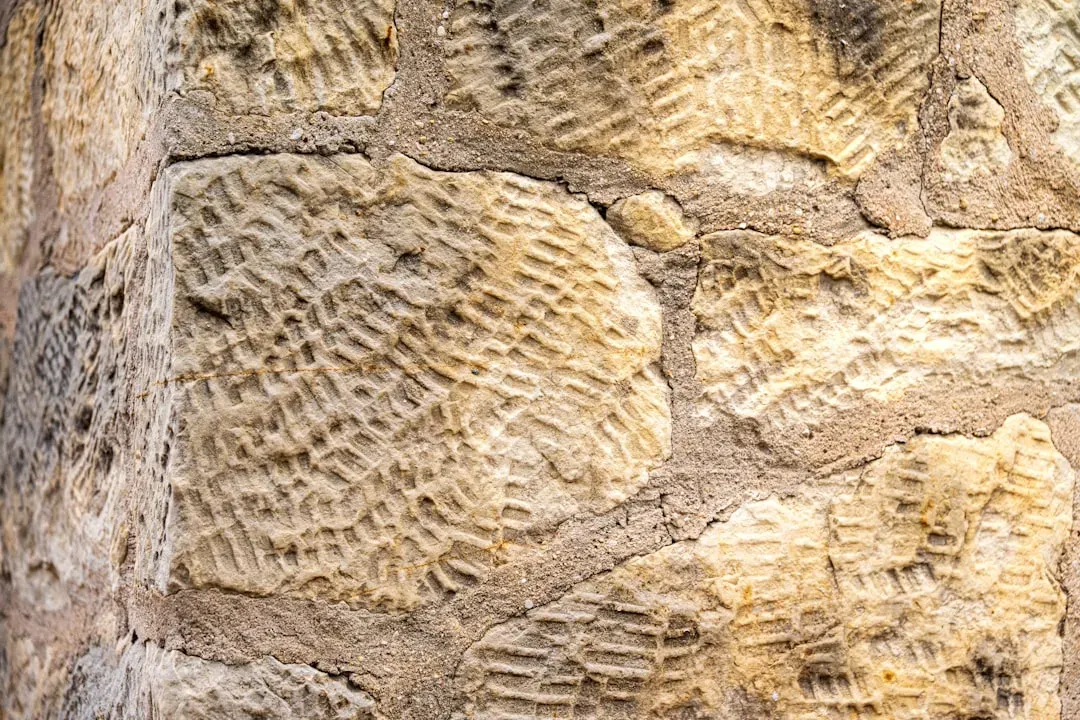
While the fossil remains of animals tell us about their post-mortem state, tracks show us their in vivo behavior. Thus, fossil tracks are one of the main sources of information about the behavior and movement of extinct creatures. It’s a simple point but a profound one. Dead things tell you about form. Living actions tell you about function. Trace fossils capture function.
Body fossils provide information about the physical characteristics of an organism, while trace fossils reveal its behavior – how it lived, moved, fed, and interacted with its environment. Trace fossils offer a dynamic perspective, while body fossils provide a static one. Think of it like the difference between a photograph of someone standing still and a video of them going through their day. Both are useful, but one is far richer.
Often, no fossils remain of soft-bodied animals, and only their tracks give us information about them. Furthermore, in some sedimentary rocks, shells and other skeletal remains may disappear, leaving traces of vital activity as the only evidence of ancient life. In those cases, trace fossils are not just complementary to other evidence – they are the only evidence. Without them, vast stretches of Earth’s living past would remain completely invisible to us.
Conclusion
It’s remarkable, when you think about it, how much of the ancient world is preserved not in bone or shell, but in action. A footstep in soft mud. A burrow carved into seafloor sediment. A meal digested and left behind. These are the traces that complete the picture, bringing ancient creatures back to life in ways that no skeleton ever could.
Ichnology, the science of reading those traces, continues to evolve. New technologies like synchrotron scanning, isotope analysis, and ancient DNA extraction are unlocking layers of information from these fossils that previous generations could only dream of. The insights gained from ichnology are crucial for reconstructing past environments, understanding the evolution of animal behavior, and addressing fundamental questions about the origins and diversification of life, and continued research and advancements in ichnological techniques will undoubtedly reveal even more about the fascinating world of prehistoric life.
So the next time you visit a natural history museum and find yourself captivated by the enormous dinosaur skeleton in the hall, take a moment to look for the footprint cast in the corner, or the small display of burrows and coprolites nearby. Those quieter traces might just be telling you the more honest, more intimate story. After all, bones show you what life looked like – but traces show you how it was actually lived. What would you have guessed tells the bigger story?