When most people think about dinosaur science, they picture massive skeletons towering over museum halls, enormous claws, and razor-sharp teeth. Bones get all the glory. But honestly, some of the most revealing secrets about what dinosaurs actually ate aren’t locked inside their bones at all. They’re hiding in something far more unexpected: ancient plants.
Fossilized leaves, seeds, pollen, and even prehistoric dung have quietly been rewriting everything scientists thought they knew about dinosaur diets. The picture that’s emerging is far more nuanced, surprising, and frankly fascinating than anything a skeleton alone could tell you. Let’s dive in.
The Science of Reading Ancient Plant Fossils
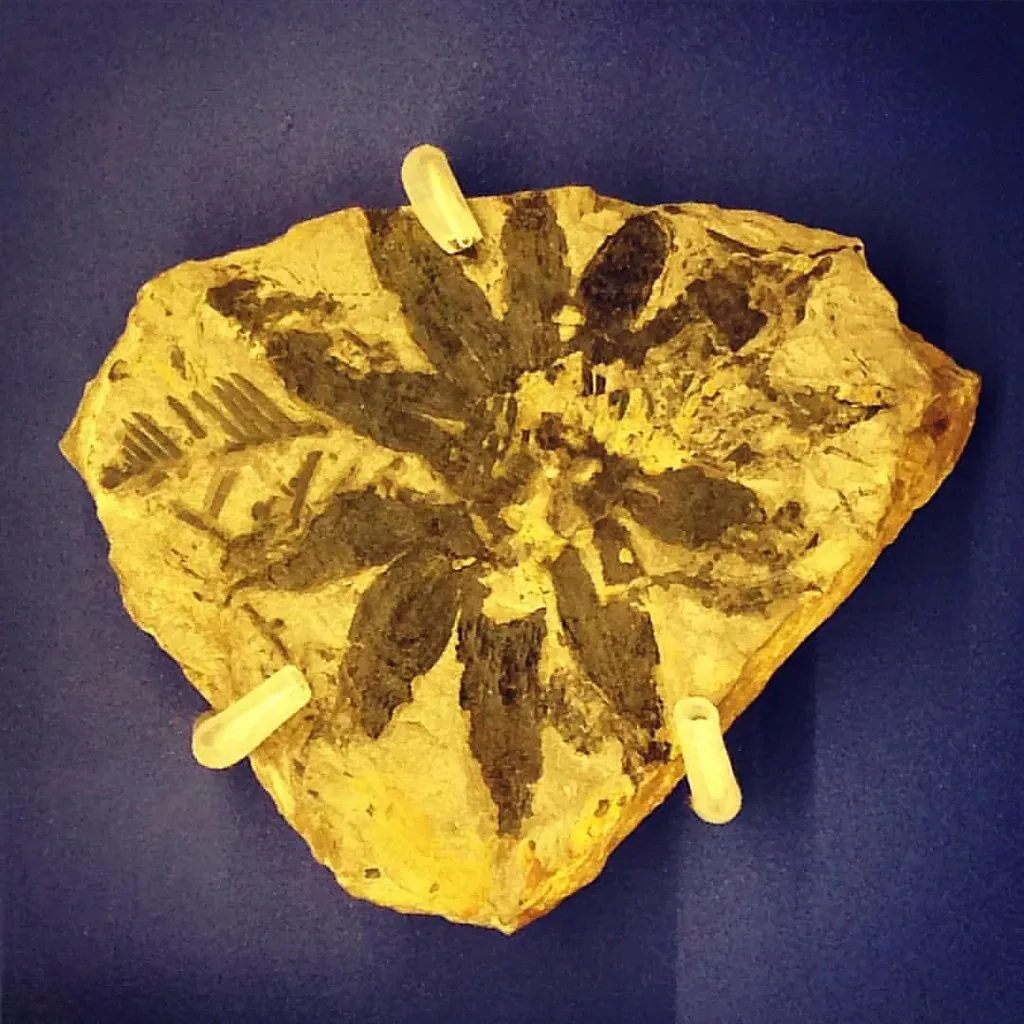
You might be wondering how a leaf that crumbled to dust tens of millions of years ago could tell us anything useful today. Here’s the thing: plants fossilize in surprisingly detailed ways. Paleobotany, also known as paleophytology, is the branch of botany dealing with the recovery and identification of plant fossils from geological contexts, and their use for the biological reconstruction of past environments. It’s essentially forensic science applied to ancient flora, and the results are remarkable.
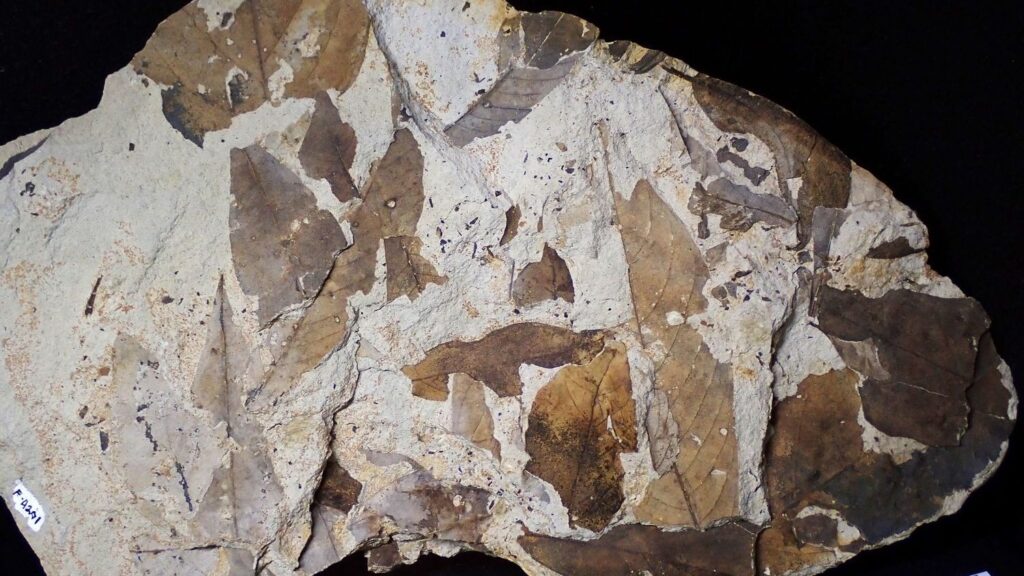
Fossil plants range from the most delicate of flowers to the largest of petrified trees and stumps, and include nearly every other part of a plant: leaves, roots, nuts, cones, berries, needles, stems, twigs, seeds, and pollen. Each type of preserved material tells a slightly different story. Think of it like reading a dinner menu from 100 million years ago, one page at a time.
Fossilized pollen, known through the study of palynology, can reveal detailed information about past climates. Pollen grains are highly durable and can survive in the fossil record for millions of years. These microscopic grains are species-specific, meaning they provide evidence of the types of plants that existed during different periods. So even something as tiny and invisible as a pollen grain becomes a powerful dietary clue when examined carefully.
What Was Actually on the Dinosaur Menu?
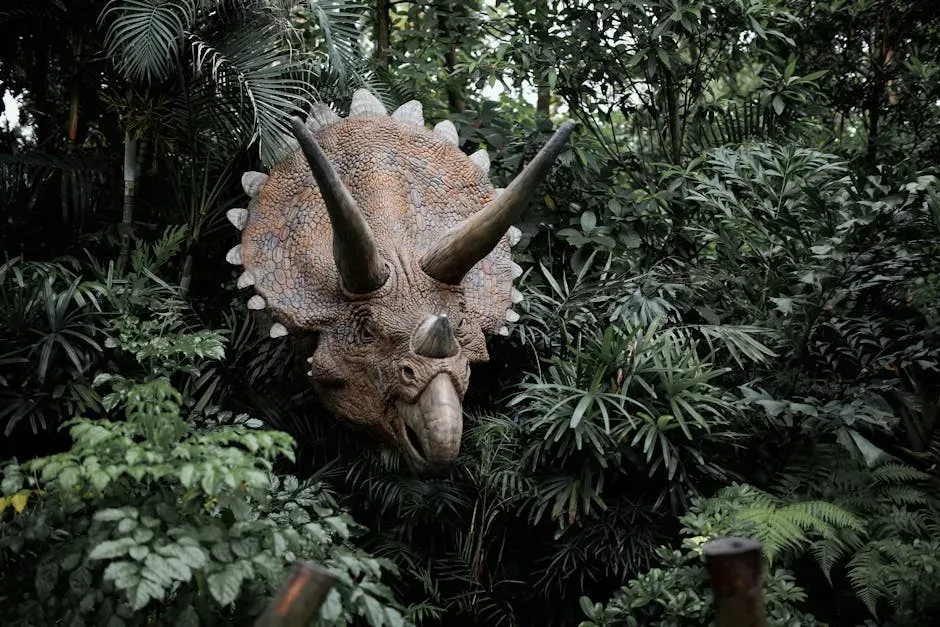
Forget the classic image of a single giant dinosaur stripping leaves from the same tree day after day. The plant world these creatures lived in was dramatically varied. Ferns, horsetails, club-mosses, conifers, cycads, and ginkgoes dominated Triassic and Jurassic menus. The Cretaceous saw an expansion of options, with flowering plants becoming dominant and grasses appearing towards the end of the period. Essentially, the dinosaur “restaurant” changed dramatically across millions of years.
Many plants we see today were eaten by herbivorous dinosaurs. Soft and spongy moss, spindly and fragrant pine trees, and Ginkgo biloba, one of the oldest living tree species in the world, made it onto their plates. I think it’s genuinely wild to consider that when you walk past a ginkgo tree today, you’re looking at something a dinosaur likely chewed on. Paleontologists believe that roughly two thirds of all dinosaur species were herbivores. That’s a staggering majority sustained almost entirely on plant life.
Coprolites: The Most Surprising Evidence of All
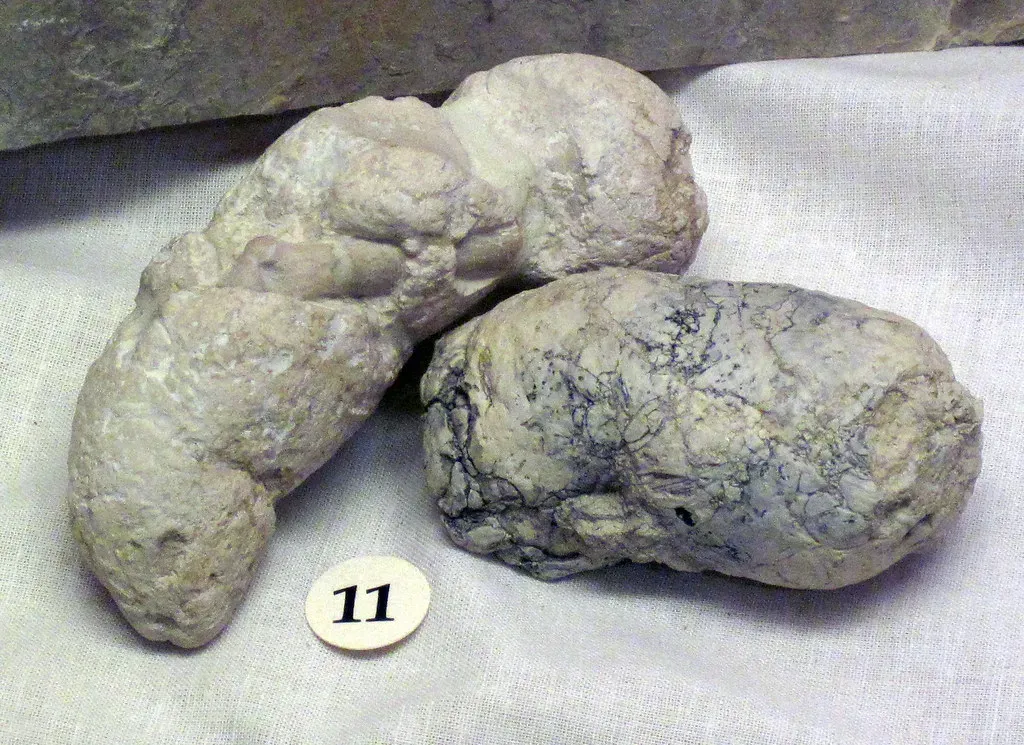
Let’s be real, nobody expects fossilized dung to be the star of paleontological research. Yet here we are. Coprolites, which are basically prehistoric fossilized feces, are one of the most direct windows into what dinosaurs actually consumed. A coprolite is fossilized feces, classified as a trace fossil as opposed to a body fossil, as it gives evidence for the animal’s behavior, specifically diet, rather than morphology. In other words, it’s behavioral evidence frozen in stone.
Coprolites from Late Cretaceous titanosaurs in India revealed phytoliths, microscopic remnants of grass, providing the earliest known evidence of grass consumption by dinosaurs. This was a shocking discovery because grass wasn’t supposed to exist during the age of dinosaurs at all. The work was the first evidence that dinosaurs ate grass and that the large grass family, known as Poaceae, had originated and diversified during the Cretaceous era. Scientists had to essentially rewrite what they thought they knew about when grasses evolved.
Gut Contents: A Rare and Priceless Time Capsule
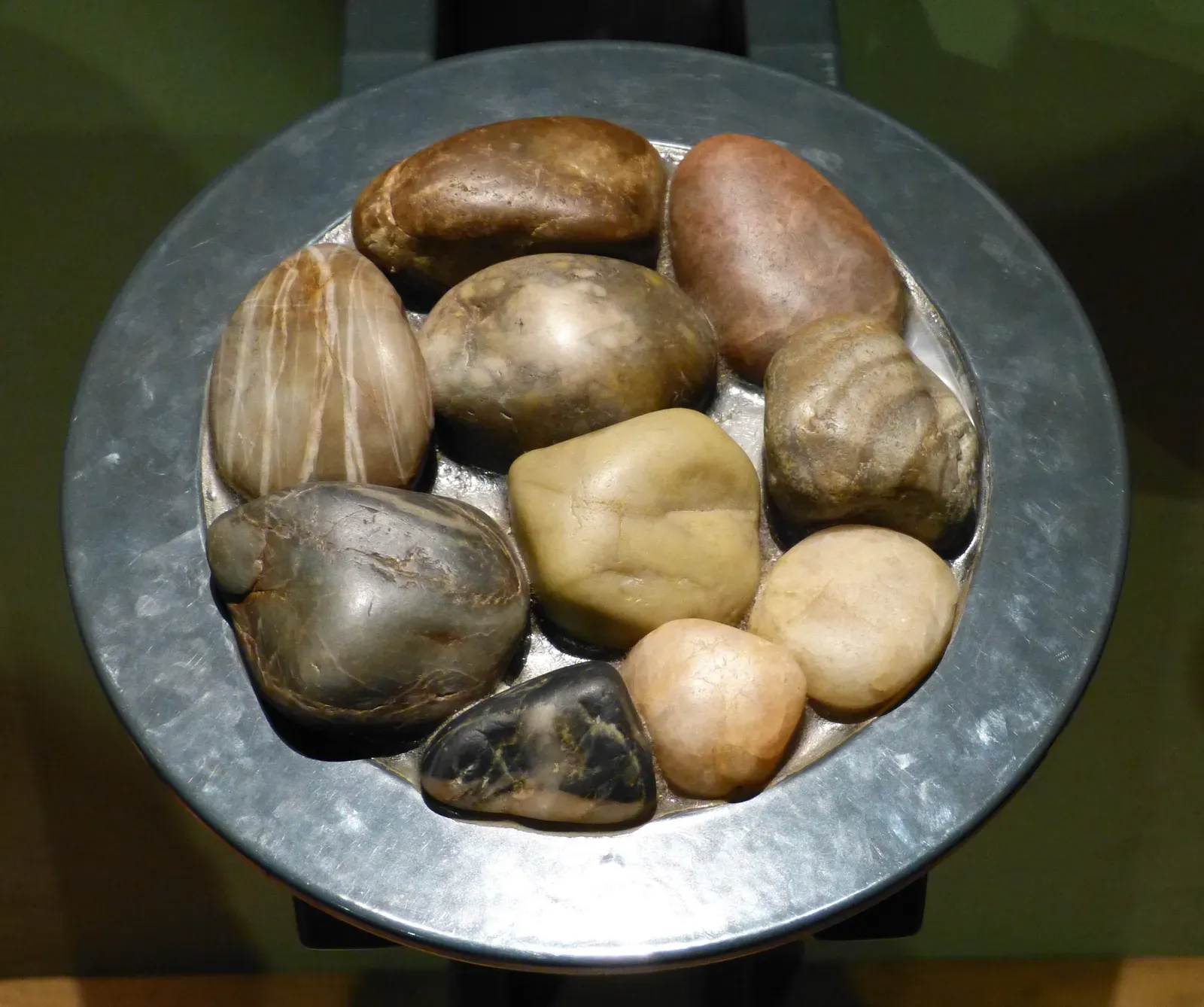
Even rarer than coprolites are preserved gut contents, the actual plant material found inside a dinosaur’s abdomen at the time of fossilization. I know it sounds crazy, but this has actually happened. A prehistoric digestive time capsule was unearthed in Australia, where plant fossils found inside a sauropod dinosaur offered the first definitive glimpse into what these giant creatures actually ate. The remarkably preserved gut contents reveal that sauropods were massive, indiscriminate plant-eaters who swallowed leaves, conifer shoots, and even flowering plants without chewing, relying on their gut microbes to break it all down.
Although it was not unexpected that the gut contents provided support for sauropod herbivory and bulk feeding, researchers were surprised to find angiosperms in the dinosaur’s gut. Angiosperms became approximately as diverse as conifers in Australia around 100 to 95 million years ago, when this sauropod was alive. This suggests that sauropods had successfully adapted to eat flowering plants within 40 million years of the first evidence of the presence of these plants in the fossil record. That’s a jaw-dropping dietary adaptation happening right before scientists’ eyes, in fossilized form.
Calcium Isotopes: Chemistry Reveals the Picky Eaters
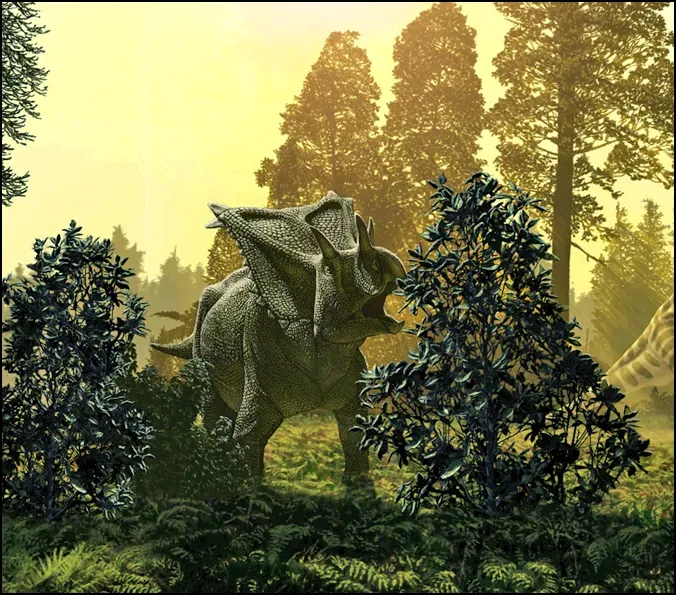
Here’s something that might genuinely surprise you: scientists can now figure out not just what type of plant a dinosaur ate, but which specific part of the plant it preferred. Different plants, and even different sections of the same plant, contain unique chemical signatures. Tooth enamel contains calcium isotopes that reflect the range of foods the dinosaurs ate; different types of plants have different chemical signatures, and discrete parts of trees, from buds to bark, can also have unique signatures.
Previously, scientists believed that large herbivorous dinosaurs coexisted by munching on different levels of the tree canopy according to height. However, research shows that plant height wasn’t the only factor driving the differentiation of their diets; instead, it was specific plant parts. For example, Camptosaurus was a rather discerning eater, preferring softer, more nutritious plant parts such as leaves and buds. The Camarasaurus ate mostly conifers, with a preference for woody plant tissues. Think of it like the difference between someone who only eats the soft inside of bread versus someone who exclusively goes for the crust. Same loaf, completely different dining experience.
How Plant Fossils Explain Dinosaur Coexistence
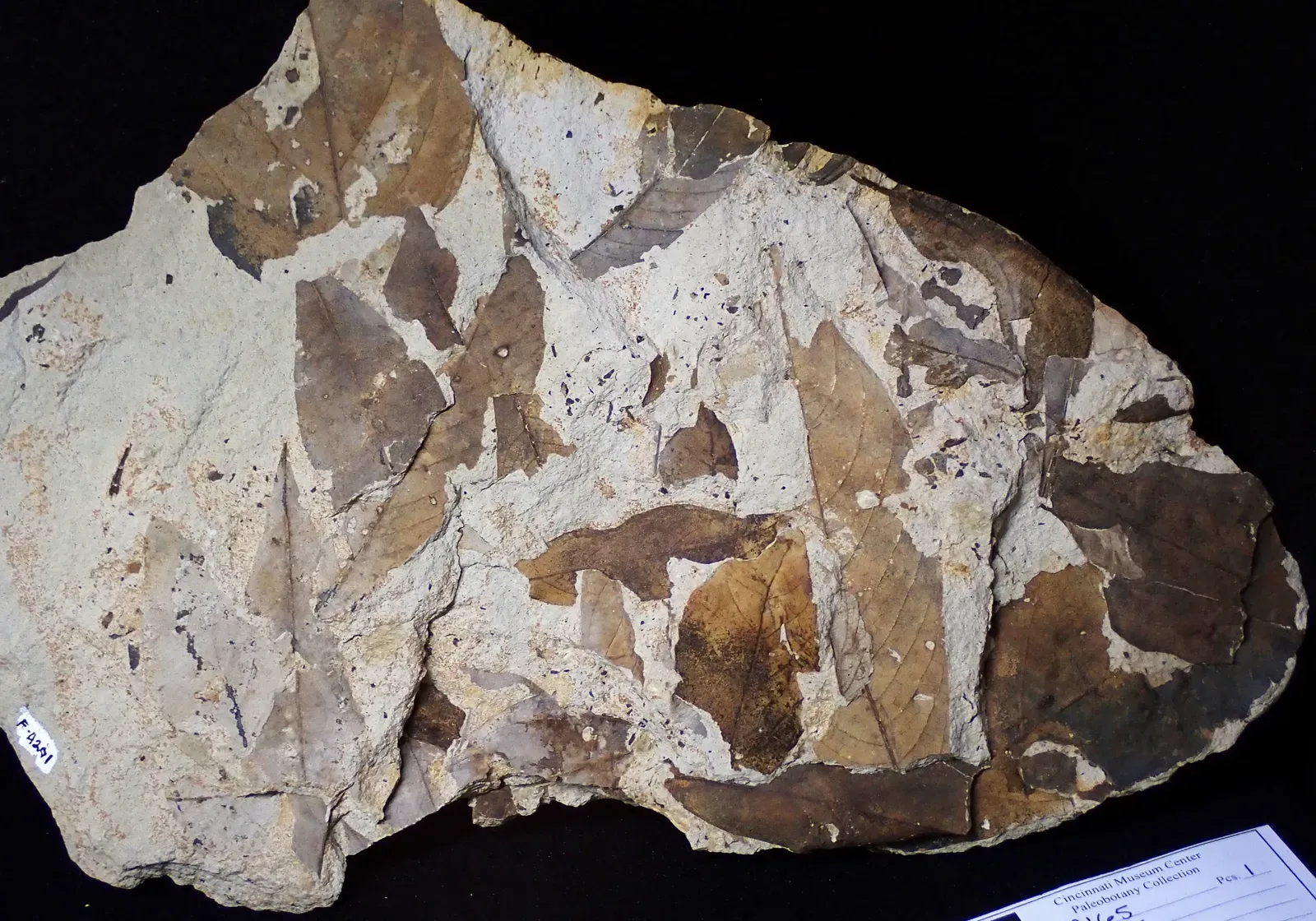
One of the great mysteries paleontologists grappled with for a long time was this: how could so many enormous plant-eating dinosaurs live in the same ecosystem without eating each other out of house and home? The results of dietary chemistry research help explain how so many behemoth creatures all lived together in the same area at the same time, because the ecosystem involved giant herbivores all coexisting in what had long been a mystery. Plant fossil evidence was the key to solving it.
The Diplodocus ate more of a mixed diet that included soft ferns and horsetail plants lower to the ground, as well as tougher plant parts. So you had one enormous sauropod grazing on woody conifers, another preferring tender leaf buds, and yet another sweeping up low-growing ferns. It’s an ecological strategy as elegant as anything you’d find in the wild today. For this ancient ecosystem to have supported so many enormous dinosaurs with such specific dietary preferences helps to paint a picture of the vegetation and plant productivity of the time. Fossilized plants didn’t just tell us what dinosaurs ate, they revealed how entire prehistoric communities organized themselves.
Evolving Teeth and the Plants That Drove Them
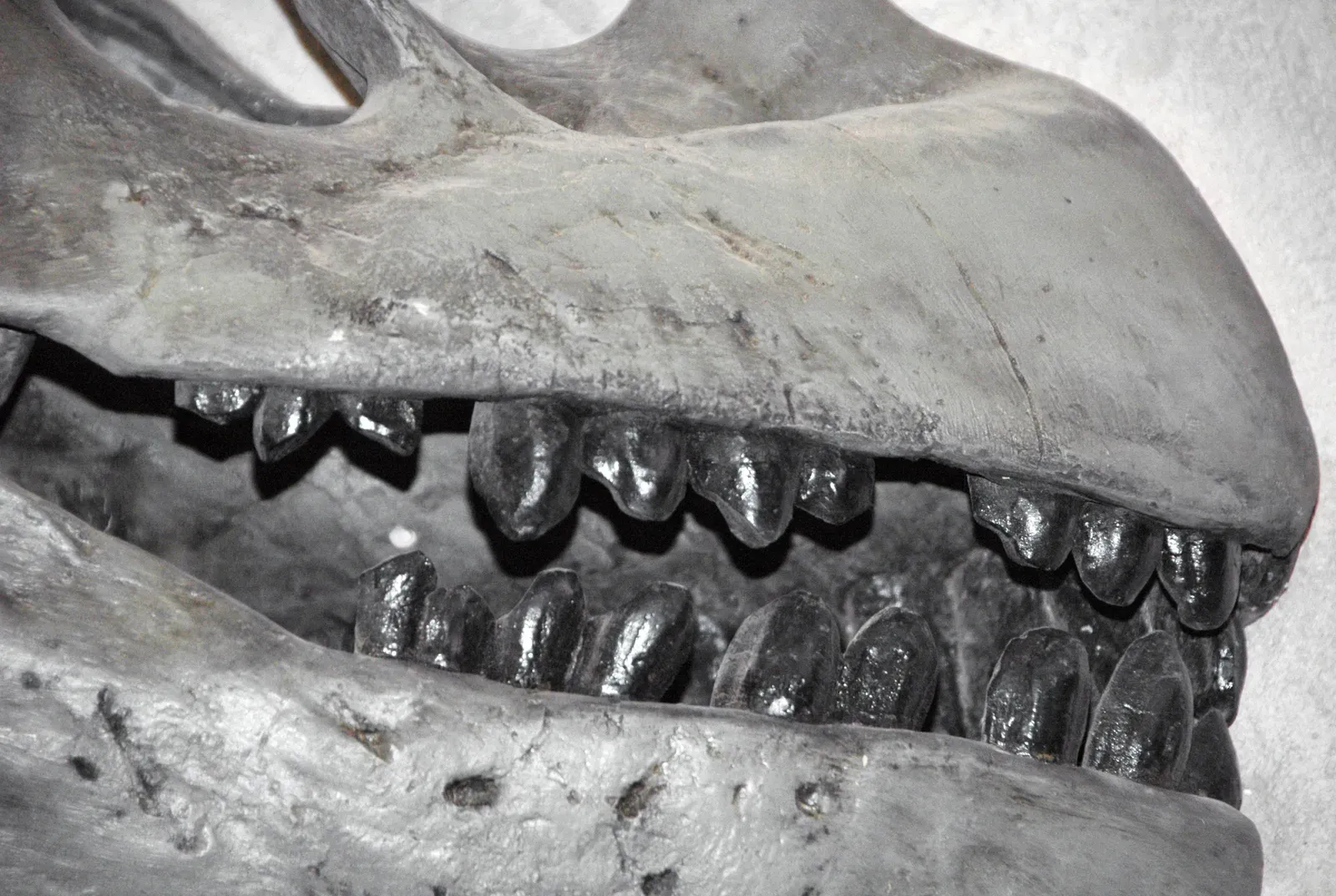
Perhaps one of the most dramatic stories plant fossils tell is how the evolution of plant life actually drove changes in dinosaur anatomy over millions of years. It’s a genuine arms race between flora and fauna. At the end of the Cretaceous, the duck-billed hadrosaurs were the most advanced herbivores on Earth. New research revealed just how voracious these dinosaurs were, with their average tooth worn away in less than two months as they consumed enormous amounts of plants.
Scientists can see a sequential increase in the complexity of their adaptations for herbivory as these dinosaurs evolved. At the start, they had single rows of fairly simple teeth with limited wear, probably because these dinosaurs focused on fruits and softer plants. Over time, as tougher plant species became more dominant in the landscape, the teeth changed in response. The skulls of early dinosaurs are helping scientists understand how some of the earliest herbivores may have evolved different ways of eating plants. Most dinosaurs were plant eaters, although they are all descended from a carnivorous ancestor. The plant fossil record essentially gives us the “why” behind all that extraordinary dental evolution.
Conclusion
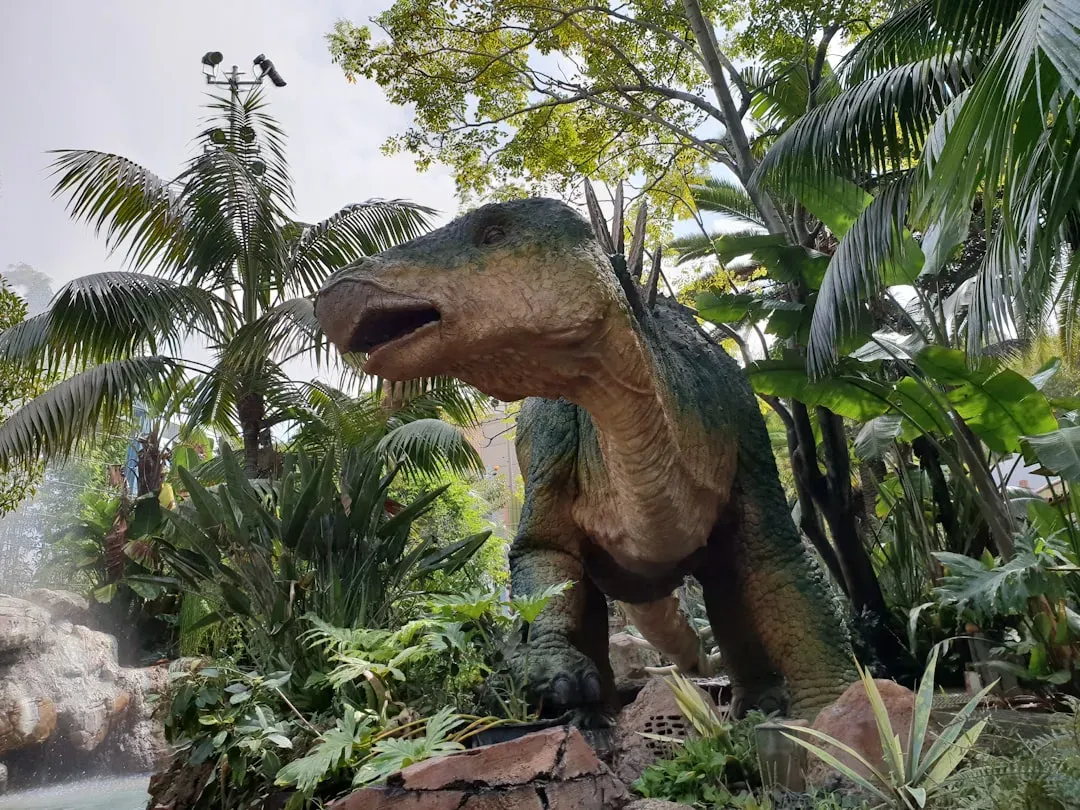
The story of dinosaur diets has never been just about teeth and claws. It’s written in fossilized leaves pressed flat in ancient rock, in microscopic grass silica locked inside prehistoric dung, and in the chemistry of plants absorbed into tooth enamel over 150 million years ago. Fossilized plants aren’t a supporting cast to the dinosaur story. They are, in many ways, the main event.
Every new discovery in paleobotany chips away at the oversimplified picture of these creatures as mindless eating machines and replaces it with something far more compelling: picky eaters, ecological specialists, and adaptive foragers who shaped and were shaped by the plant world around them. The more researchers look beyond bones and into the ancient botanical record, the more extraordinary and complex the picture of prehistoric life becomes.
So next time you walk past a fern or run your hand along the bark of a conifer, consider this: you might be touching the distant relative of a plant that fed one of Earth’s greatest giants. What other secrets do you think are still locked inside those ancient leaves, waiting to be found?