Have you ever looked up at the night sky and wondered where you came from? Not just in the genealogical sense, but in the truly cosmic one. It turns out, your story might have begun billions of years ago in the heart of distant stars, traveled through the icy void of space, and eventually found its way to this blue planet we call home. The origin of life isn’t just an earthbound mystery anymore.
Scientists are now peeling back layers of cosmic history, tracing molecular breadcrumbs from stellar nurseries to our own oceans. The question isn’t simply how life began on Earth. It’s about understanding whether our existence is part of a grander, universal pattern woven into the very fabric of the cosmos itself.
Stardust to Cellular Machinery: The Cosmic Chemistry of Life
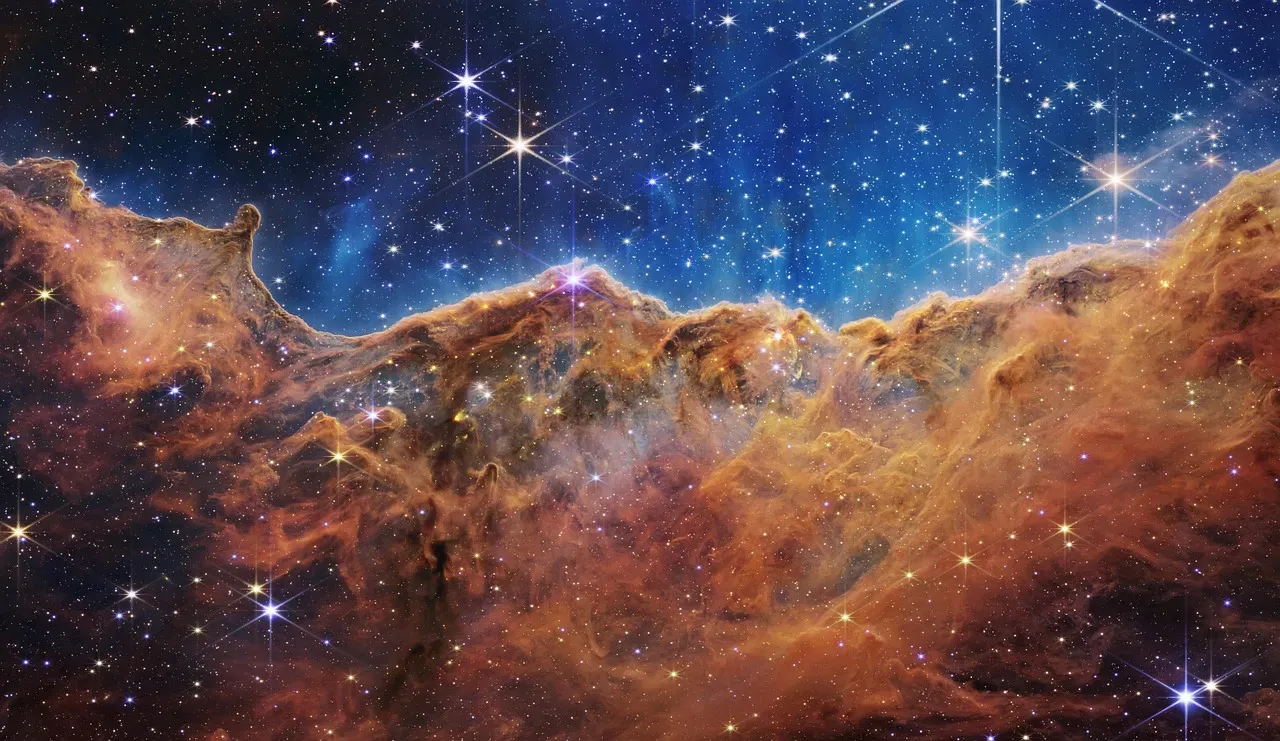
Let’s be real, the idea that you’re made of stardust isn’t just poetic. It’s literally true. Every carbon atom in your body, along with water, ammonia, methane, and other building blocks essential to life, originated inside swirling clouds of gas and dust that contained ingredients forged in the hearts of previous generations of stars.
The story of life’s origin begins not on Earth, but in the interiors of distant stars. When massive stars explode as supernovas, they scatter these elements across space. Over billions of years, these materials coalesce into new solar systems, planets, and eventually into living organisms like us. Recent research has shown something remarkable: protein building blocks essential for life can form readily in space, significantly raising the statistical probability of finding extraterrestrial life.
A Sydney student recreated cosmic dust in a laboratory, generating carbon-rich material similar to that found drifting between stars and embedded in comets, asteroids, and meteorites. The dust contained a complex cocktail of carbon, hydrogen, oxygen, and nitrogen – known collectively as CHON molecules – the exact ingredients needed for life. The universe, it seems, is a natural chemistry lab constantly cooking up the ingredients for biology.
Panspermia: Life Hitchhiking Through the Cosmos
Here’s where things get wild. Panspermia is the hypothesis that life exists throughout the universe, distributed by cosmic dust, meteoroids, asteroids, and comets, and that life did not originate on Earth but instead evolved somewhere else. Think of it as cosmic seeding, where life might be hopping between worlds on interstellar vehicles made of rock and ice.
Speculation includes the possibility that the first living cells might have arisen on Mars, seeding Earth via meteorites that are known to travel from Mars to our planet. Mars was warmer and wetter billions of years ago, and could potentially have hosted primitive life forms before Earth became habitable. Lithopanspermia proposes that extremophile-type microscopic life could exist in debris blasted into space from planetary collisions.
Yet skepticism remains. Critics argue that panspermia does not answer the question of the origin of life but merely places it on another celestial body, and it cannot be tested experimentally. Still, certain microorganisms like tardigrades have demonstrated remarkable resilience under space conditions, lending some credibility to the possibility that life could survive such journeys.
From Primordial Soup to Hydrothermal Cauldrons
For nearly a century, scientists believed life emerged in a “primordial soup” – a warm pond where lightning strikes and ultraviolet light sparked chemical reactions that created the first living cells. This idea suggested life began from a series of chemical reactions in a warm pond on Earth’s surface, triggered by an external energy source.
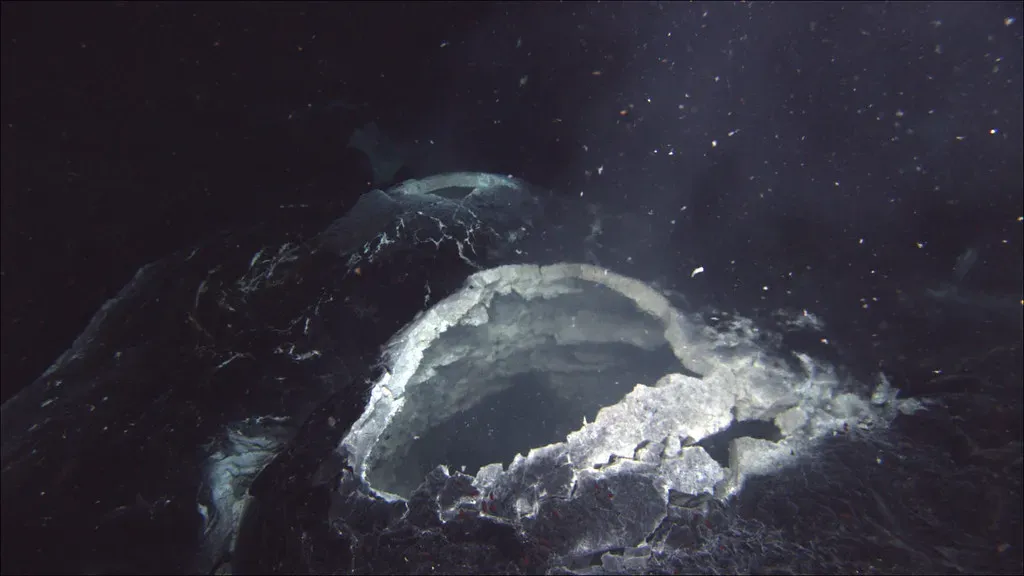
That picture is changing. Recent research adds weight to an alternative idea, that life arose deep in the ocean within warm, rocky structures called hydrothermal vents, where the last common ancestor of all living cells fed on hydrogen gas in a hot iron-rich environment. These underwater chimneys, where seawater meets hot volcanic rock, create natural chemical gradients remarkably similar to those used by all modern cells.
Alkaline fluids from Earth’s crust flow up the vent towards the more acidic ocean water, creating natural proton concentration differences remarkably similar to those powering all living organisms today, and in the earliest stages of life’s evolution, chemical reactions in primitive cells were likely driven by these non-biological proton gradients. Eventually, cells learned to produce their own gradients and escaped into the wider ocean. Deep-sea hydrothermal vents represent the only known environment that could have created complex organic molecules with the same kind of energy-harnessing machinery as modern cells.
Meteorite Delivery Service: Organic Compounds from Space
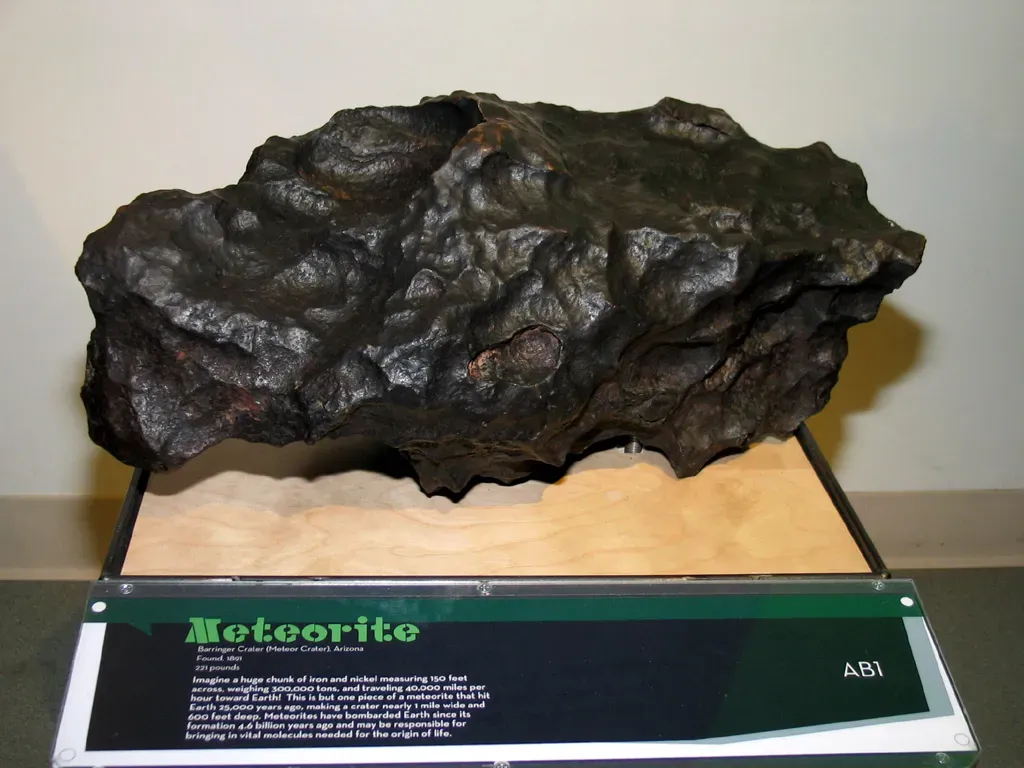
Between about three and a half and four and a half billion years ago, Earth was bombarded by meteorites, micrometeorites, and interplanetary dust particles originating from asteroids and comets, and these objects are thought to have delivered vast amounts of organic material to the planet’s surface. Imagine Earth as a planet under constant cosmic bombardment, each impact potentially bringing the molecular Lego blocks needed for life.
Investigations of meteorites have shown that the chemical elements needed for life – the CHNOPS elements (carbon, hydrogen, nitrogen, oxygen, phosphorous, and sulfur) – can be found inside these space rocks, and scientists have even found many types of molecules made up of CHNOPS elements that are used by living things on Earth. These include sugars and amino acids, the building blocks of proteins.
Recent missions have confirmed these findings. Missions like Hayabusa and OSIRIS-REx are bringing us pieces of asteroids, which helps us understand the conditions that form planets. The consensus is growing: the raw ingredients for life are remarkably common in the universe, scattered throughout the cosmos waiting for the right conditions to assemble into living systems.
Complex Molecules Forming Before Stars Are Born
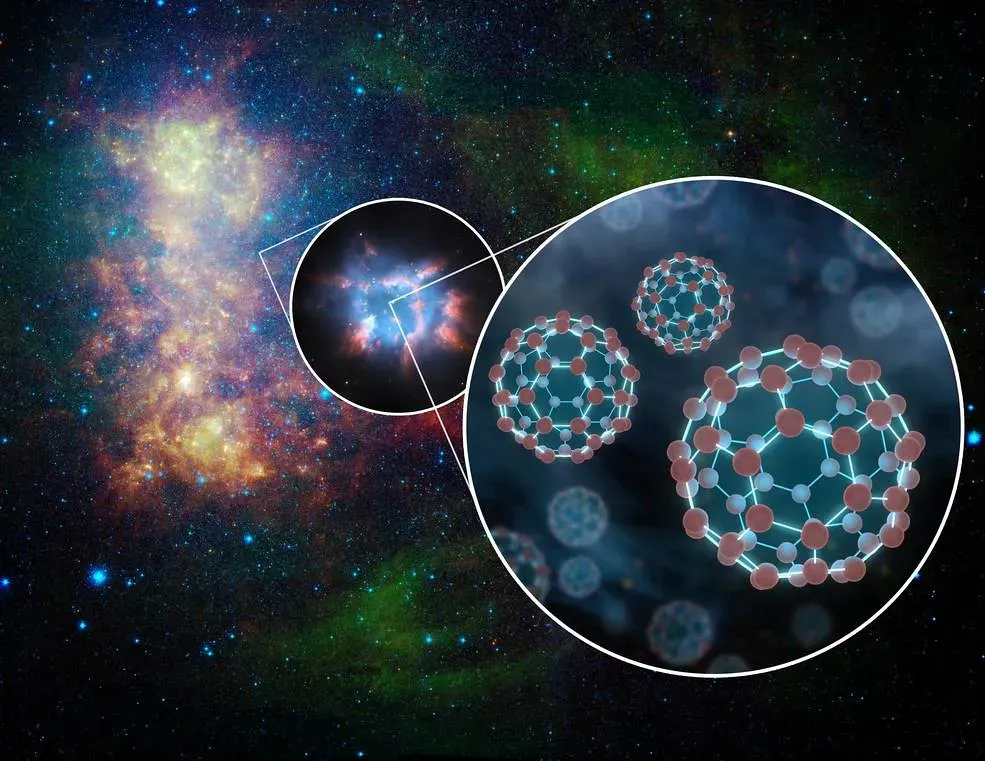
One of the most surprising recent discoveries is that complex organic chemistry doesn’t wait for planets to form. Scientists used to think that only very simple molecules could be created in interstellar clouds, and that more complex molecules formed much later, once gases had begun coalescing into a disk that eventually becomes a star.
Experiments simulating interstellar conditions demonstrate that glycine, a simple amino acid, can spontaneously form peptides on dust grain surfaces when exposed to cosmic ray analogs, suggesting that complex protein precursors arise naturally in space. Even more remarkably, the first unambiguous detection of a complex, ring-shaped sulfur-containing molecule in interstellar space represents a crucial step toward understanding the chemical link between space and the building blocks of life.
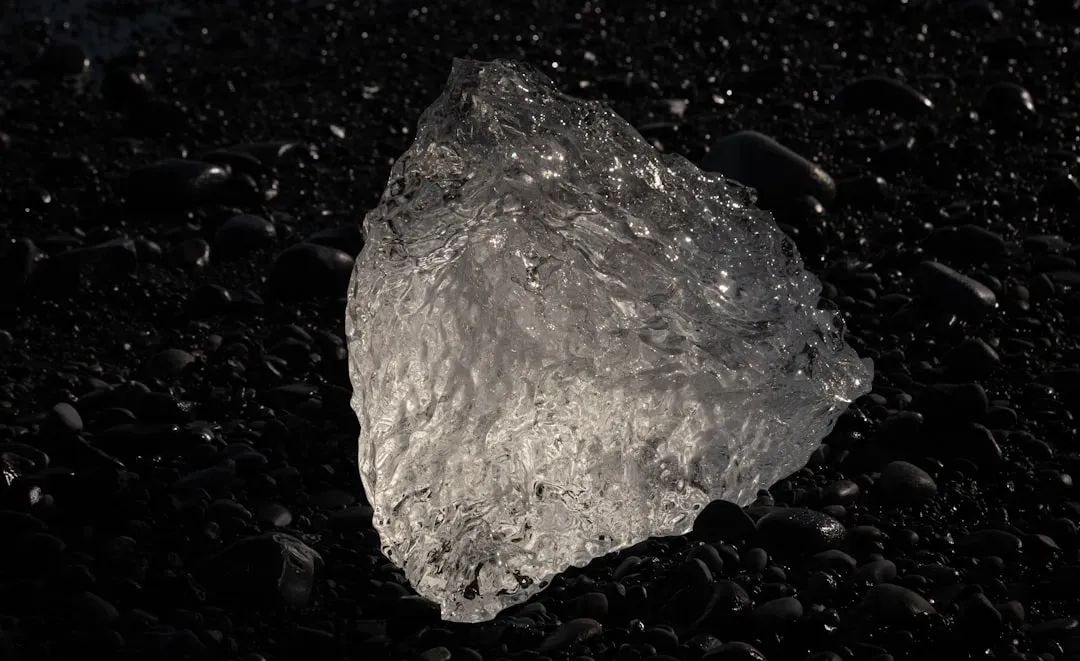
This means the chemical foundations for biology are being assembled long before planets even exist. Finding icy complex organic molecules in similar conditions to those in the early universe suggests that the building blocks for larger biomolecules were formed much earlier and under a greater variety of cosmic conditions than previously thought. The universe is essentially constructing a vast library of prebiotic chemistry, waiting for habitable worlds to emerge.
Hunting for Life Beyond: The Search for Biosignatures
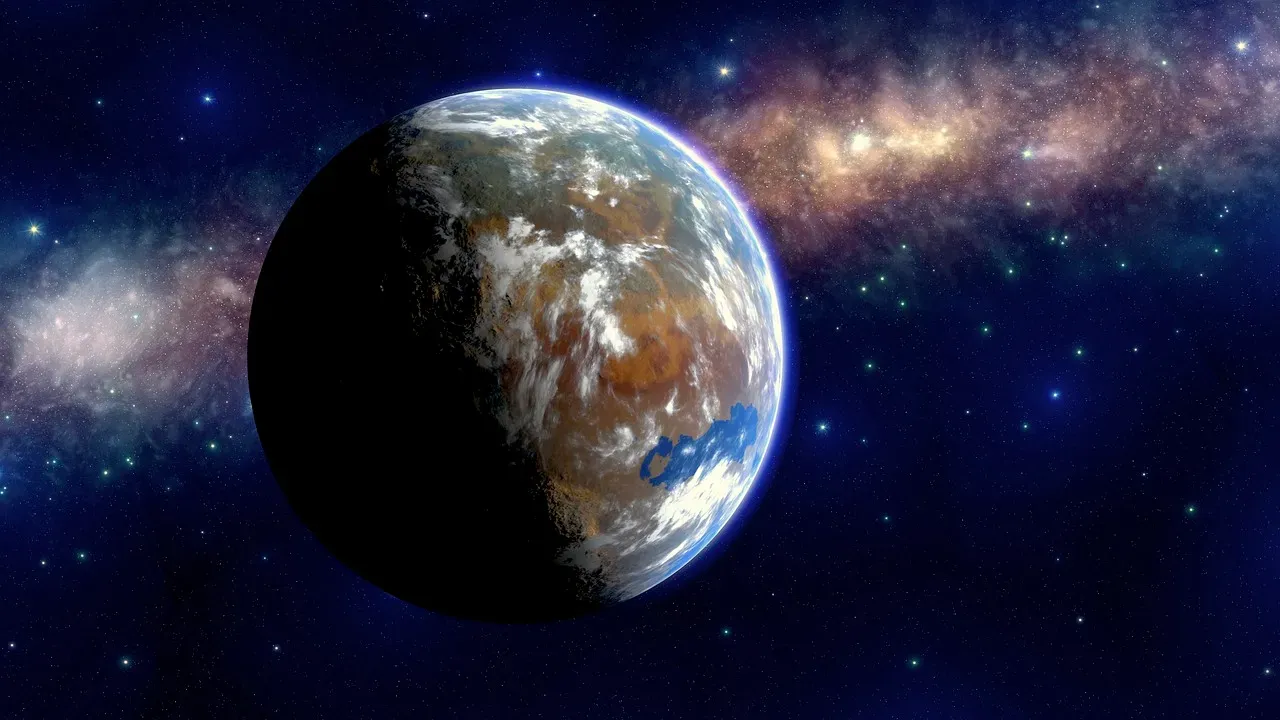
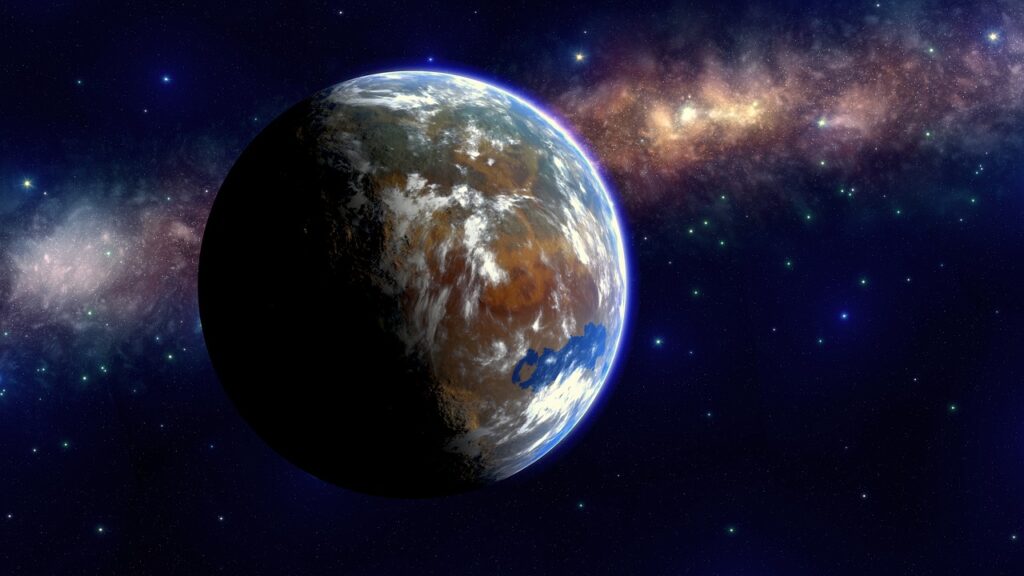
So how do we find life on distant worlds? Scientists look for biosignatures – chemical fingerprints or physical patterns that suggest biological activity. The search for life beyond the Solar System is a significant motivator for the detection and characterization of extrasolar planets, and transit and radial velocity surveys have confirmed the existence of thousands of exoplanets with well over a dozen located within the circumstellar habitable zones of their host stars.
Astronomers have detected the most promising signs yet of a possible biosignature outside the solar system, with the James Webb Space Telescope detecting the chemical fingerprints of dimethyl sulfide (DMS) and/or dimethyl disulfide (DMDS) in the atmosphere of the exoplanet K2-18b, and on Earth, DMS and DMDS are only produced by life, primarily microbial life such as marine phytoplankton.
Yet caution is warranted. The observations have reached the three-sigma level of statistical significance, but to reach the accepted classification for scientific discovery, the observations would have to cross the five-sigma threshold. Scientists need more data, more observations, and a deeper understanding of planetary environments to confidently declare we’ve found life elsewhere. The universe might be full of life, but proving it requires extraordinary evidence.
The Cosmic Perspective: Are We Alone?
For those studying the origin of life, the question is no longer whether life could have originated by chemical processes involving nonbiological components, but which of many pathways might have been followed to produce the first cells. The chemistry is there. The ingredients are universal. The question becomes not if life exists elsewhere, but where and in what form.
Our view of the history of life on Earth ranges from the bottom of the deep ocean at hydrothermal vents all the way up to potential life-generating chemistry on the earliest land surface, and the components and functions of life might even have arisen piecemeal, at various times and places over hundreds of millions of years. Life might not have a single origin point but rather multiple chemical experiments running in parallel, eventually converging into the biology we recognize today.
The truth is, we’re living in an extraordinary moment in human history. With advanced telescopes scanning distant atmospheres and rovers exploring other worlds in our own solar system, we’re closer than ever to answering one of humanity’s oldest questions. The cosmic dance that created us is still unfolding, and we’re finally learning the choreography. What will you think when we finally detect life on another world?