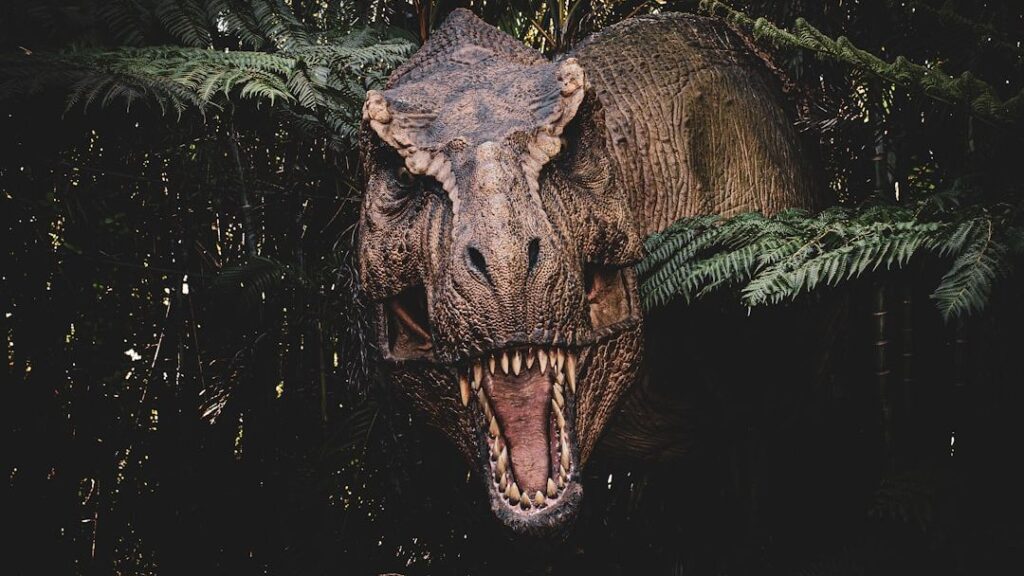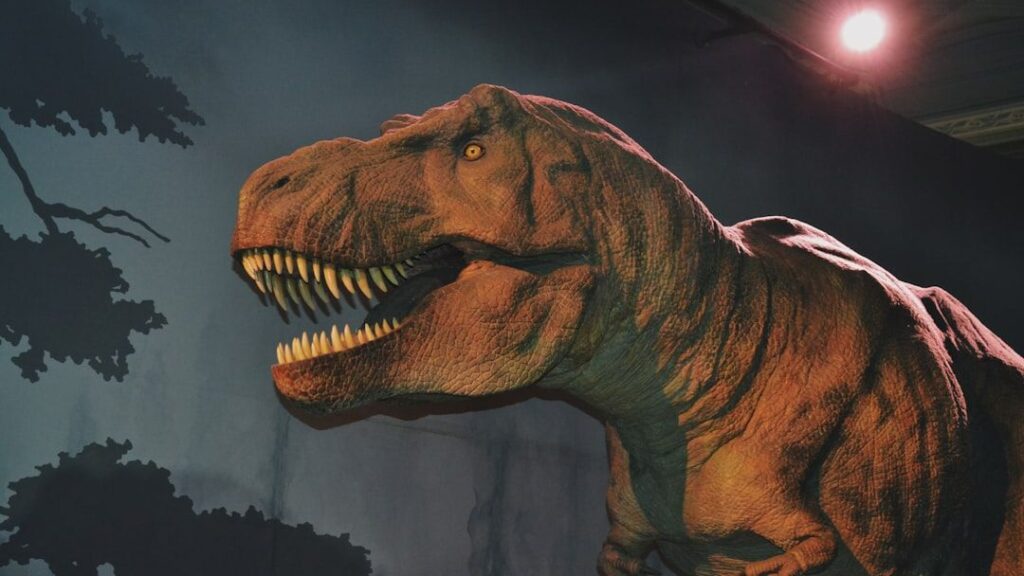
Most people picture dinosaurs as gloriously dim-witted monsters, big bodies stomping through ancient forests on autopilot. You probably grew up thinking T-Rex was little more than a walking set of teeth with an attitude problem, running purely on instinct. Honestly, that image has stuck around for a surprisingly long time.
The truth? Science has been quietly blowing that assumption apart for decades now. What researchers have uncovered about dinosaur cognition, sensory ability, and social complexity is nothing short of jaw-dropping. So buckle up, because what you’re about to read might completely change the way you think about the most legendary animals that ever lived. Let’s dive in.
The CT Scanner Revolution: Peeking Inside Prehistoric Skulls
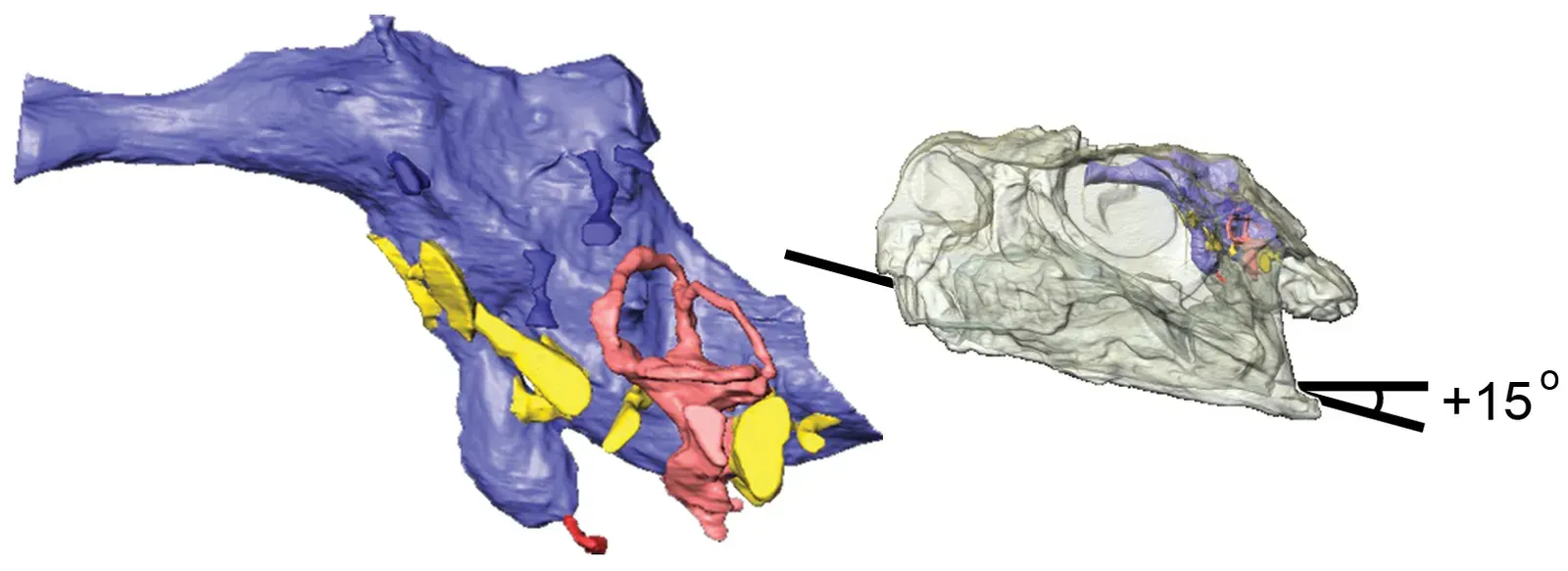
You can’t just crack open a fossil and read what’s inside – but you can do the next best thing. Recent research utilizing computed tomography (CT) scanning has enabled scientists to create accurate models of dinosaur brains, allowing for more comprehensive analyses of their cognitive capacities. Think of it like using a medical MRI, but on a 70-million-year-old skull instead of a patient in a hospital gown.
Ever since dinosaurs were first described in the early 1800s, paleontologists have debated their intelligence and sensory capabilities. Early investigations relied on natural endocasts formed when sediment fills the empty space in a skull, replicating the shape of the braincase’s contents. The conventional wisdom long held that all dinosaurs had tiny brains and therefore unsophisticated behaviors. CT scanning shattered that outdated consensus, and what it revealed was genuinely startling.
CT scans revealed what the brain of dinosaurs like Ceratosuchops would have contained, including the brain cavity, cranial nerves, inner ear, and blood vessels. Suddenly, researchers weren’t just guessing anymore. They could measure, compare, and draw real conclusions.
T-Rex Was Smarter Than You Think – But Not a Genius Either
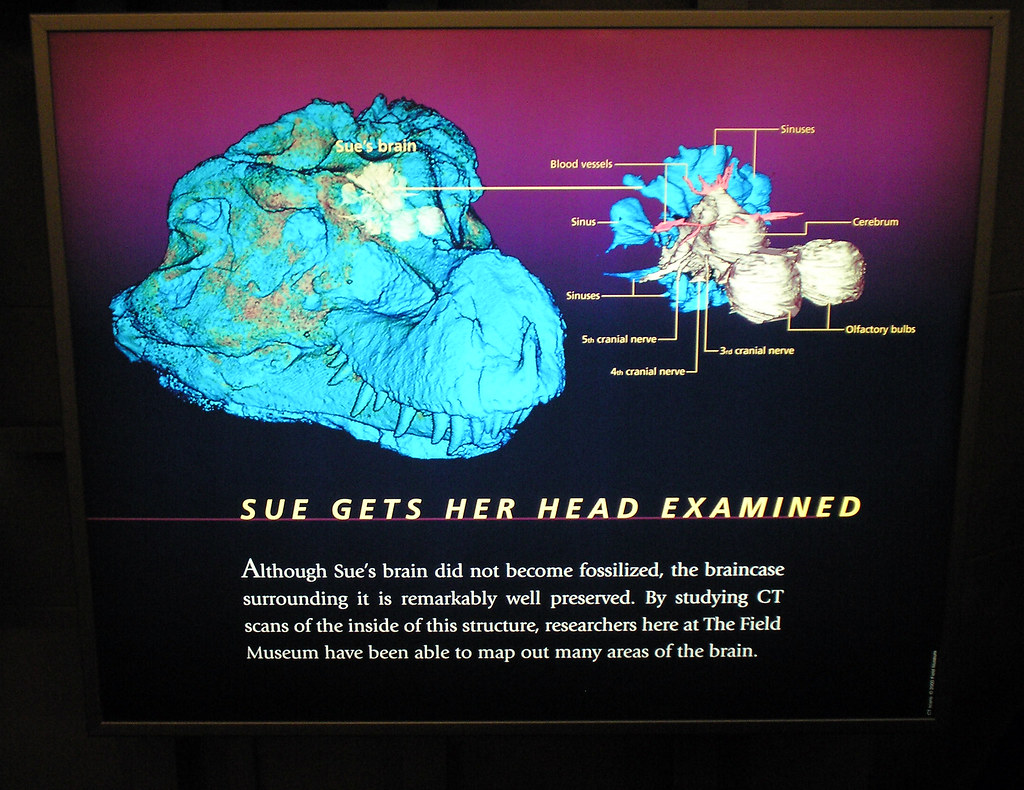
Here’s the thing about T-Rex intelligence: it has become one of the most hotly contested debates in modern paleontology. T-Rex had an encephalization quotient, or EQ, of about 2.4, compared with 3.1 for a German shepherd dog and 7.8 for a human, leading some to assume it was at least somewhat smart. That puts it firmly in a respectable middle ground, not a mindless predator but certainly no genius either.
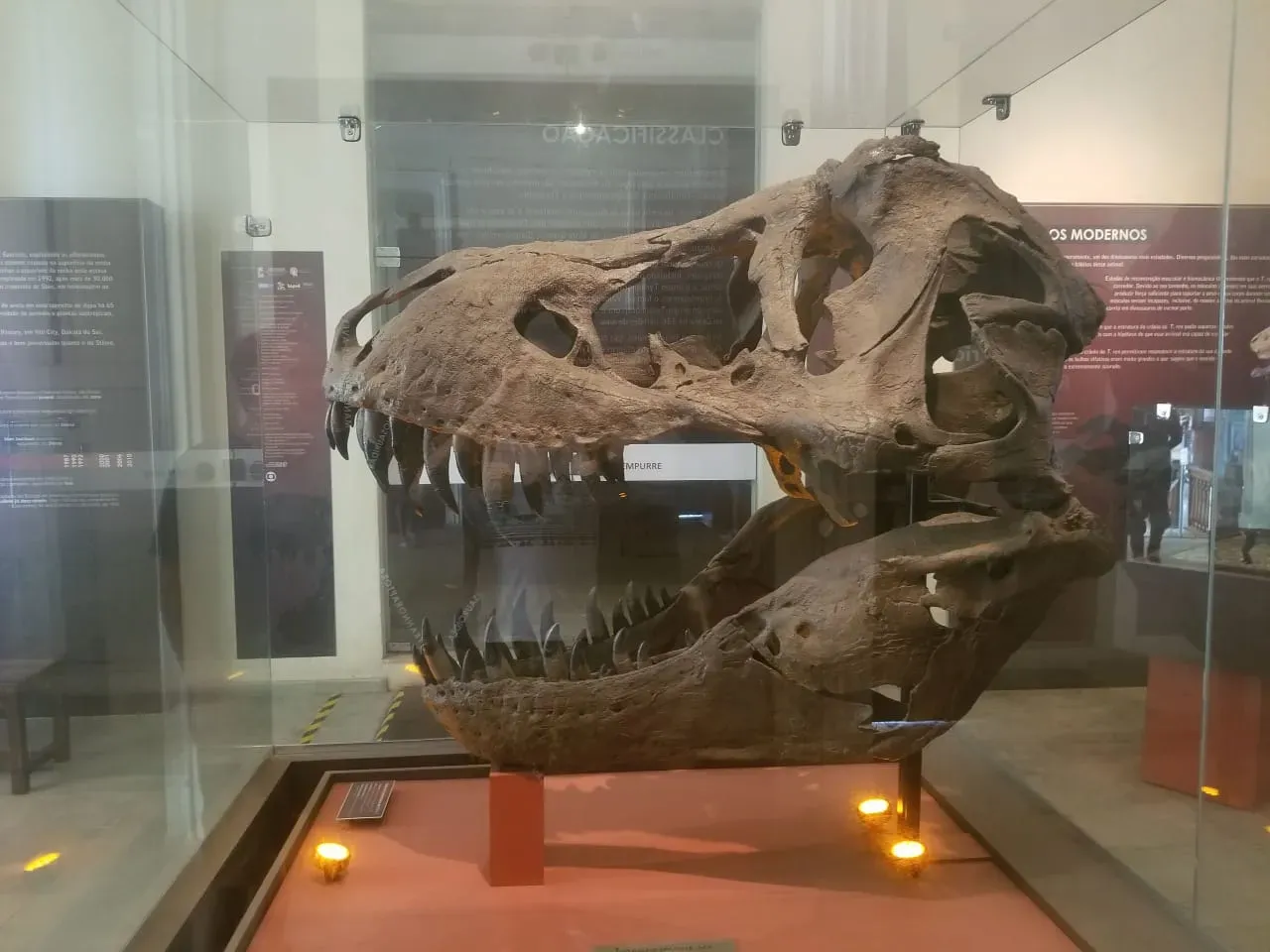
The brain of T-Rex and many other dinosaurs floated in fluid, a trait found in modern crocodiles. T-Rex’s brain only occupied around 30 to 40 percent of its braincase. This is a crucial detail, because earlier studies that assumed the brain filled the entire skull cavity significantly overestimated its brainpower. An international team of palaeontologists, behavioural scientists, and neurologists re-examined brain size and structure in dinosaurs and concluded they behaved more like crocodiles and lizards. So while T-Rex was no dummy, it probably wasn’t planning heists either.
The Smartest Dinosaur You’ve Never Heard Of
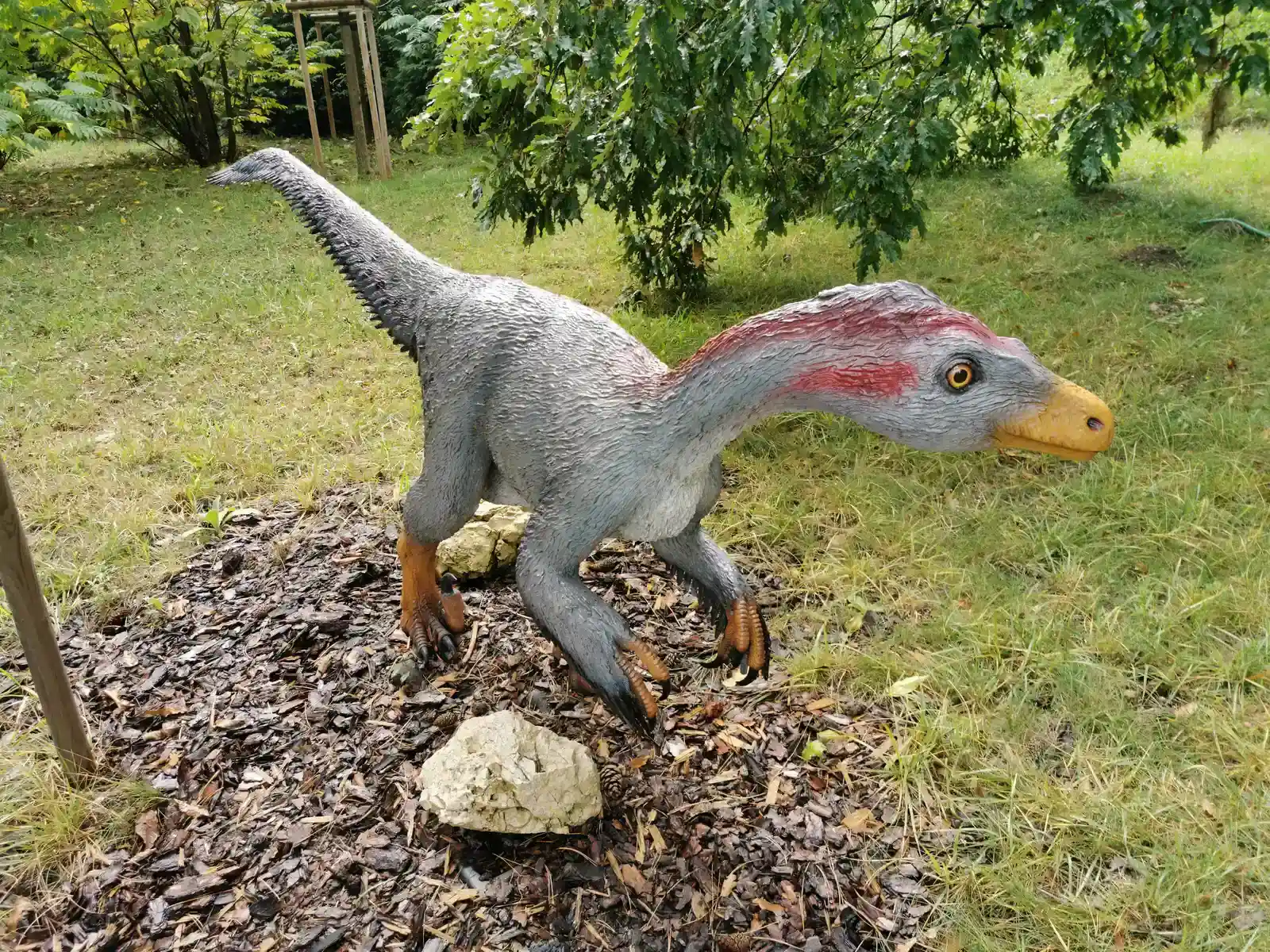
Step aside, T-Rex. When researchers actually started ranking dinosaur intelligence, one name kept rising to the top: Troodon. Troodon’s cerebrum-to-brain-volume ratio was between roughly a third to nearly two-thirds of the way from a non-avian reptile proportion to a truly avian one. That’s a remarkable number, placing this smallish predator on an entirely different cognitive level compared to most of its contemporaries.
Based on eye position and size, Troodon and other dromaeosaurid dinosaurs must have had keen stereoscopic vision. Additionally, these dinosaurs had long arms and large hands with fingers that appear to have been capable of grasping objects. Put that together with a relatively large brain and you have a creature that was, by all accounts, the intellectual powerhouse of the Mesozoic. Paleontologist Dale Russell, noting that some theropod dinosaurs had large brains, large grasping hands, and likely binocular vision, suggested that a branch of these dinosaurs might have evolved to a human intelligence level, had dinosaurs not gone extinct. I know it sounds wild, but the fossil data makes a compelling case.
Dinosaur Senses Were Astonishingly Sharp
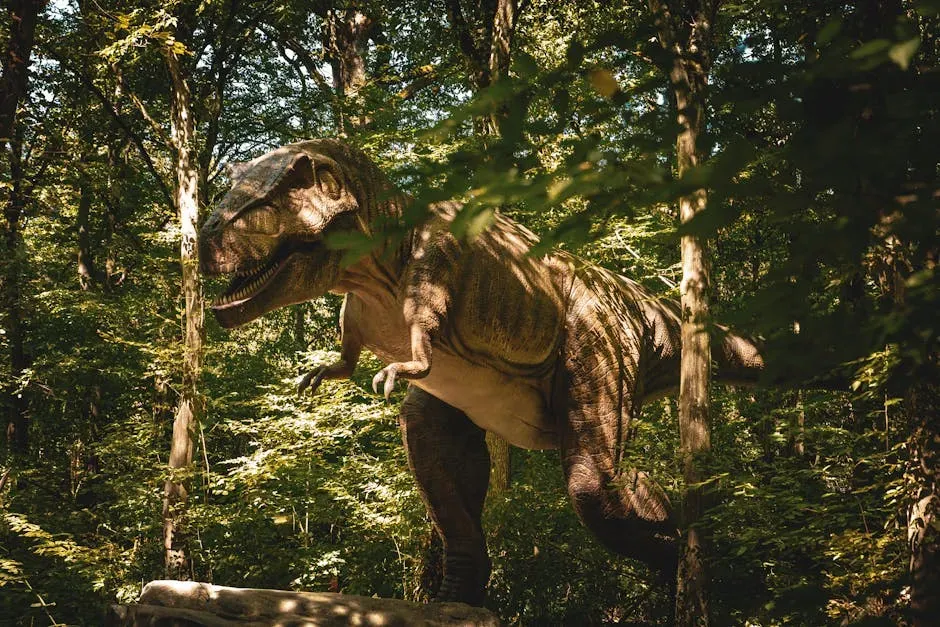
You might be surprised to learn that many dinosaurs were essentially sensory powerhouses. T-Rex brains show unusually large olfactory regions for a dinosaur, indicating the species had an exceptionally keen sense of smell. Fossil evidence shows that some of its sensory organs and processing centers were super-sized, giving this hunter exceptional abilities to track its prey. An adult T-Rex had eyes the size of oranges, the largest of any land animal. That is not a subtle advantage. That’s a predator built to dominate.
Dinosaurs probably possessed tetrachromatic vision, meaning they had four types of cone cells in their eyes for receiving light compared to the three types of cone cells in human eyes. This allowed them to see a greater range of colors than humans, and they could likely see ultraviolet light. This enhanced color perception likely aided in hunting, communication, and navigation. Meanwhile, the tiny theropod Shuvuuia could hunt at night due to excellent hearing and enhanced nocturnal vision. These weren’t blundering beasts stumbling through the dark. They were precision-tuned survival machines.
Dinosaurs Had Complex Social Lives and Possibly Raised Their Young
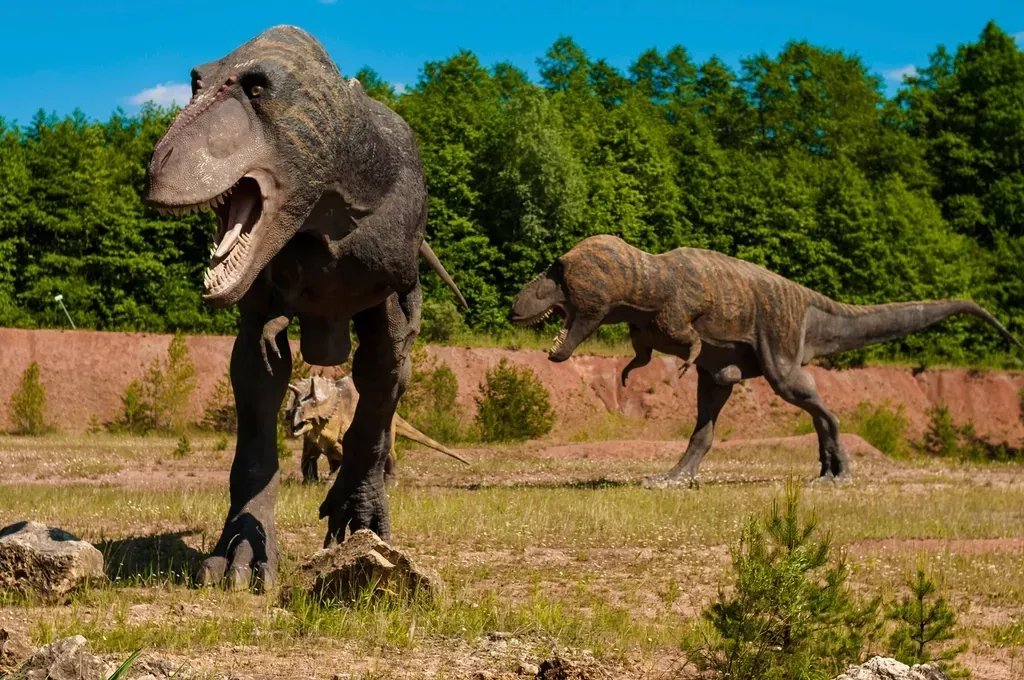
The image of a lone, brutish dinosaur terrorizing an empty landscape is almost certainly wrong. Research scientists dated ancient sediments among fossils and determined that a dinosaur herd of the early sauropodomorph Mussaurus dates back to around 193 million years ago, during the early Jurassic period. The team’s results represent the earliest evidence of social herding among dinosaurs. That is an enormous stretch of time for social behavior to have developed and persisted.
Herbivorous dinosaurs consistently show stronger evidence for herding, with numerous examples of mass death assemblages, colonial nesting, and parallel trackways. This pattern makes ecological sense, as herding provides safety in numbers against predators. More remarkably, a dinosaur embryo pertaining to the prosauropod Massospondylus was found without teeth, indicating that some parental care was required to feed the young dinosaur. Parental care is one of the strongest markers of cognitive and emotional complexity in the animal kingdom. That changes everything.
The Dinosaur-Bird Brain Connection Is Deeper Than You’d Expect
Here’s something that genuinely stunned me when I first encountered it: the cognitive story of dinosaurs didn’t end with the asteroid. It kept evolving. A study published in Current Biology reveals that prior to the mass extinction at the end of the Cretaceous Period, birds and non-avian dinosaurs had similar relative brain sizes. After the extinction, things changed dramatically and the brain-body scaling relationship rapidly shifted as some types of birds underwent an explosive radiation to re-occupy ecological space vacated by extinct groups.
The geniuses of the bird world are two groups that evolved relatively recently: parrots and corvids such as crows, ravens, and their relatives. These birds show tremendous cognitive capacity, including the ability to use tools and language, and remember human faces. The study finds that parrots and crows exhibited very high rates of brain evolution that may have helped them achieve such high proportional brain sizes. In other words, the crow sitting on your fence right now is, in a very real sense, carrying the cognitive legacy of dinosaurs. That’s not poetic. It’s literally true.
The Neuron Debate: Were Some Dinosaurs as Brainy as Primates?
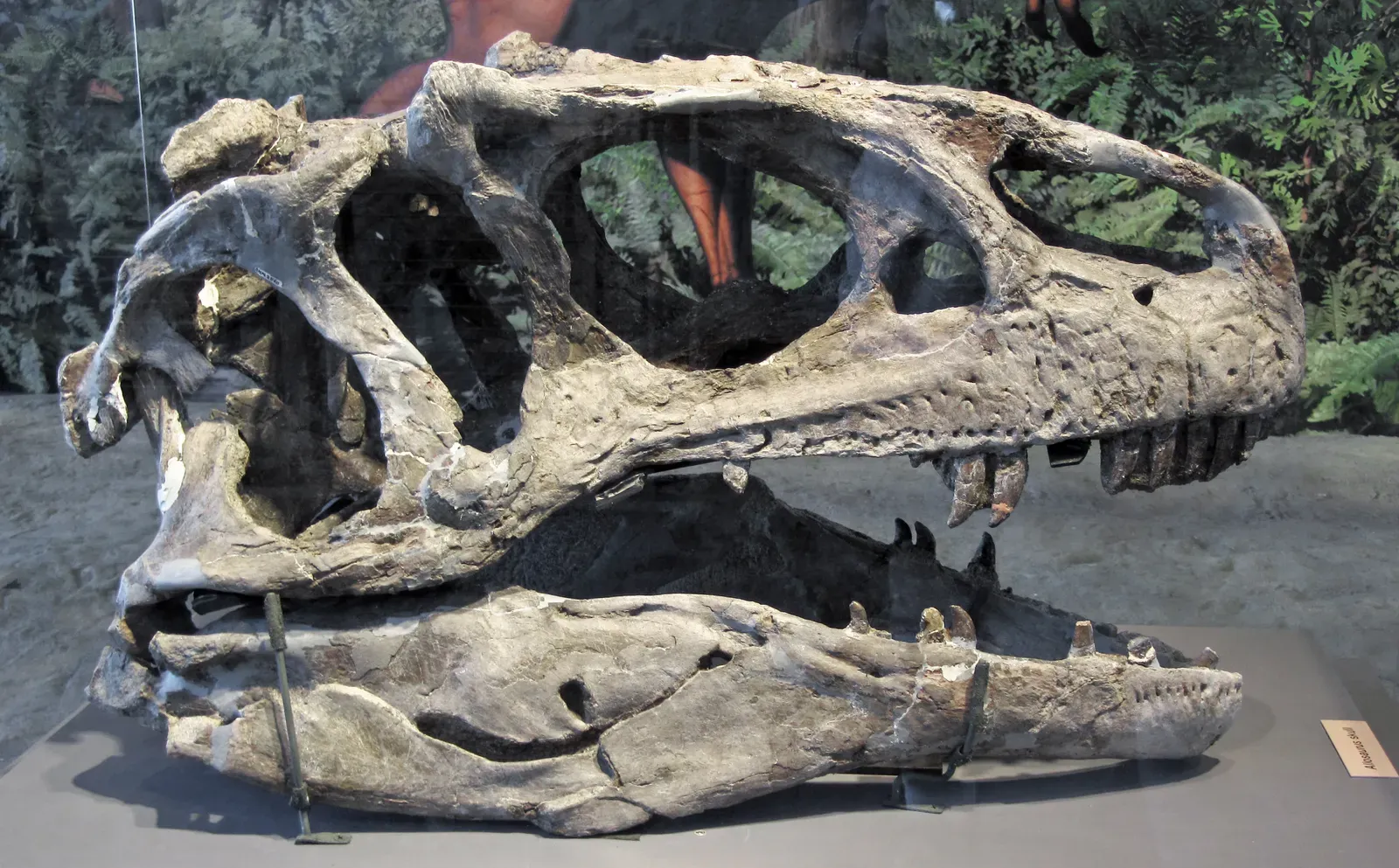
This is where things get genuinely controversial, in the best possible way. A landmark study by neurologist Suzana Herculano-Houzel rocked the paleontology world by suggesting that certain theropods may have packed neuron counts rivaling modern primates. Studies indicate that theropod dinosaurs may have had higher neuron densities similar to those found in modern primates, hinting at sophisticated intelligence. Honestly, that’s a staggering claim to make about an animal that’s been extinct for 66 million years.
It’s hard to say for sure, though, because the debate is fiercely ongoing. Researchers argue that determining the intelligence of dinosaurs is best done using many lines of evidence, ranging from gross anatomy to fossil footprints, instead of relying on neuron number estimates alone. Some scientists argue it is not good practice to predict intelligence in extinct species when neuron counts reconstructed from endocasts are all we have to go on. If neuron density estimates prove accurate, that could mean some dinosaurs may have used tools, similar perhaps to crows using sticks to fish out insects, and passed on knowledge from generation to generation, just like some modern primates. The science is still evolving, and that alone should keep you on the edge of your seat.
Conclusion: The Dino Narrative Is Being Rewritten in Real Time
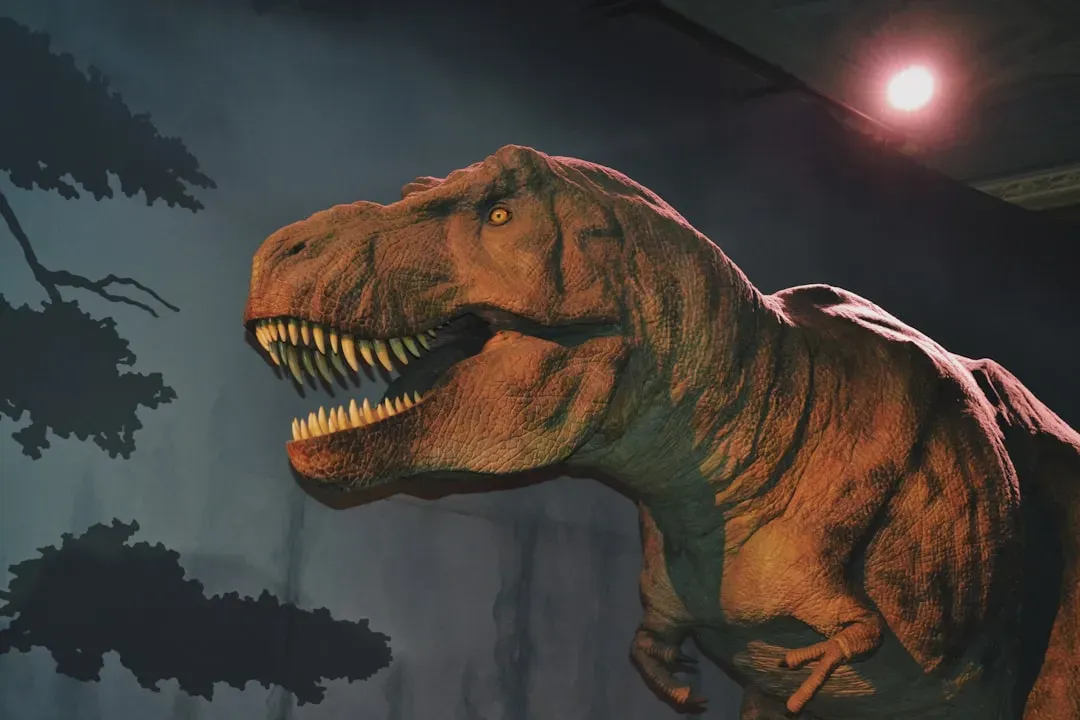
Let’s be real: the old story of dinosaurs as mindless reptilian giants was always more about the limits of science than about the animals themselves. What is clear from research is that dinosaurs were among the most complex and intelligent animals in the Mesozoic, and their ancestors, the birds, have evolved into some of the most intelligent animals in the modern world. That lineage of intelligence is unbroken, stretching from the Triassic all the way to the crow solving puzzles on your back porch.
A golden era in dinosaur science is driving enormous fascination with these creatures. Around 1,400 dinosaur species are now known from more than 90 countries, with the rate of discovery accelerating in the last two decades. Every new fossil, every new CT scan, and every new study chips away a little more at the myth of the dumb dinosaur. The picture replacing it is far more interesting, far more alive, and far more unsettling in the best possible way.
The next time someone tells you dinosaurs were just big, stupid lizards, you’ll know better. And maybe, just maybe, you’ll wonder what surprises the next fossil discovery might bring. What part of the dinosaur story surprised you the most? Drop your thoughts in the comments below.