You’ve probably heard the name Tyrannosaurus Rex a thousand times. Maybe you’ve seen the movies, visited a museum exhibit, or simply been fascinated by the sheer terror this beast represents. Let’s be real, T-Rex has dominated pop culture for decades. However, here’s the thing that might surprise you: the Mesozoic Era was home to predators that were just as terrifying, just as powerful, and sometimes even more massive than the famous tyrant king itself.
The Mesozoic Era lasted from about 252 to 66 million years ago, comprising the Triassic, Jurassic and Cretaceous Periods. Picture a world where giants roamed both land and sea, where massive jaws could snap bones in half, and where creatures evolved killing strategies so efficient they dominated entire ecosystems for millions of years. These weren’t just dinosaurs, they were nature’s ultimate killing machines. So let’s dive in and discover the predators that deserve just as much recognition as their famous cousin.
Spinosaurus: The Aquatic Monster That Dwarfed Them All
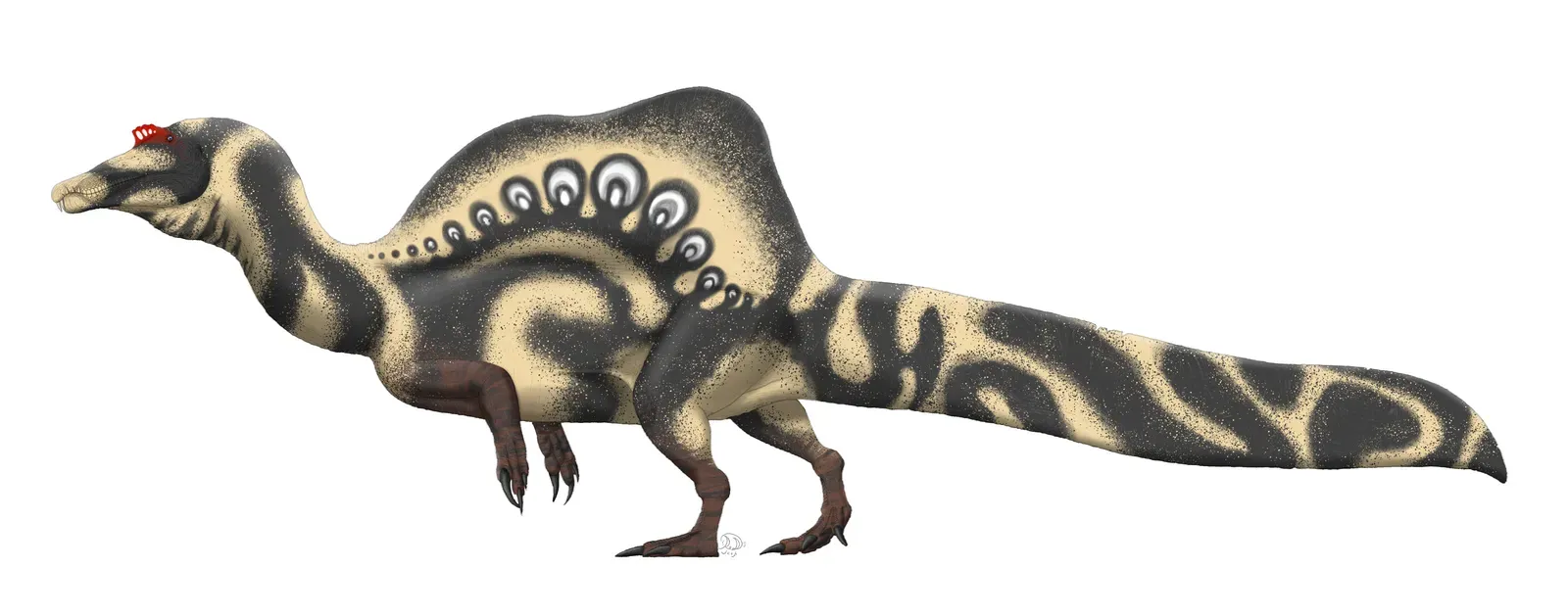
Spinosaurus is the largest carnivorous dinosaur in history, more sinister and larger than even the notorious Tyrannosaurus Rex. Imagine standing next to something that measured roughly 50 feet from snout to tail. That’s almost the length of a semi-truck. This dinosaur was extraordinarily enormous, and it is also the first “land” dinosaur known to have also lived in the water with semiaquatic adaptations including short hind legs and large paddle-like tails.
What makes Spinosaurus genuinely fascinating is its unique lifestyle. It was likely semi-aquatic, hunting in rivers and lakes for massive fish and even land-dwelling dinosaurs, with its long crocodile-like snout filled with conical teeth, perfect for grasping slippery prey. Think about that for a moment. While other predators were confined to land, this beast could hunt both above and below water, giving it a versatility that most Mesozoic predators simply didn’t have. Fossil evidence, including dense bones for buoyancy control and paddle-like feet, suggest that Spinosaurus hunted like a giant, two-legged crocodile, diving beneath the surface to ambush prey.
Giganotosaurus: The Southern Giant That Rivaled T-Rex
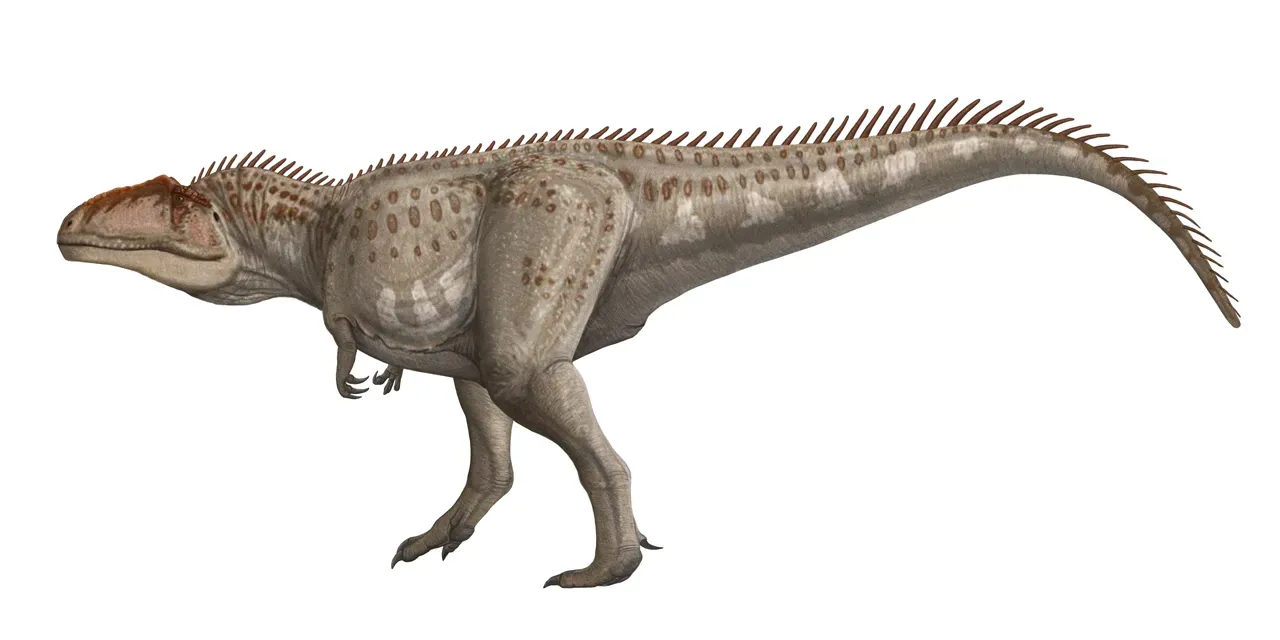
This colossal carnivorous dinosaur rivaled T. rex in size, growing up to 43 feet long, with an elongated skull filled with sharp teeth designed for slicing through flesh, living in South America around 98 million years ago. Honestly, if you’re looking for a predator that could genuinely compete with T-Rex for the title of most dangerous, Giganotosaurus is your answer. Its ability to take down such massive prey makes it one of the most dangerous animals to have roamed the Earth.
Living in South America around 98 million years ago, it hunted large herbivorous animals like the enormous Argentinosaurus. Think about hunting something bigger than a modern blue whale on land. Giganotosaurus was one of the largest theropods ever discovered, and it hunted massive sauropods like Argentinosaurus, possibly in packs, with long, serrated teeth designed to slice. Unlike T-Rex’s bone-crushing bite, this predator employed a different strategy. It would slice and cause massive blood loss, weakening its prey before delivering the final blow. It would have been capable of closing its jaws quickly, capturing and bringing down prey by delivering powerful bites.
Carcharodontosaurus: The Shark-Toothed Terror of Africa
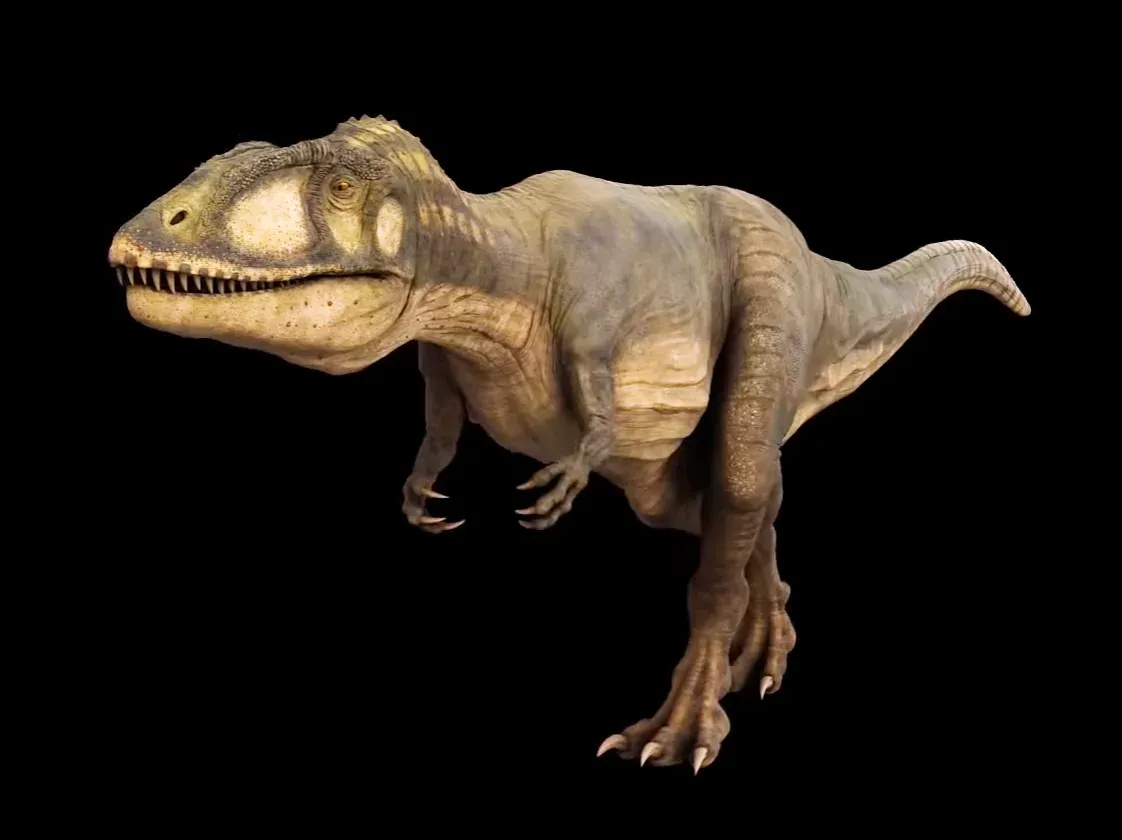
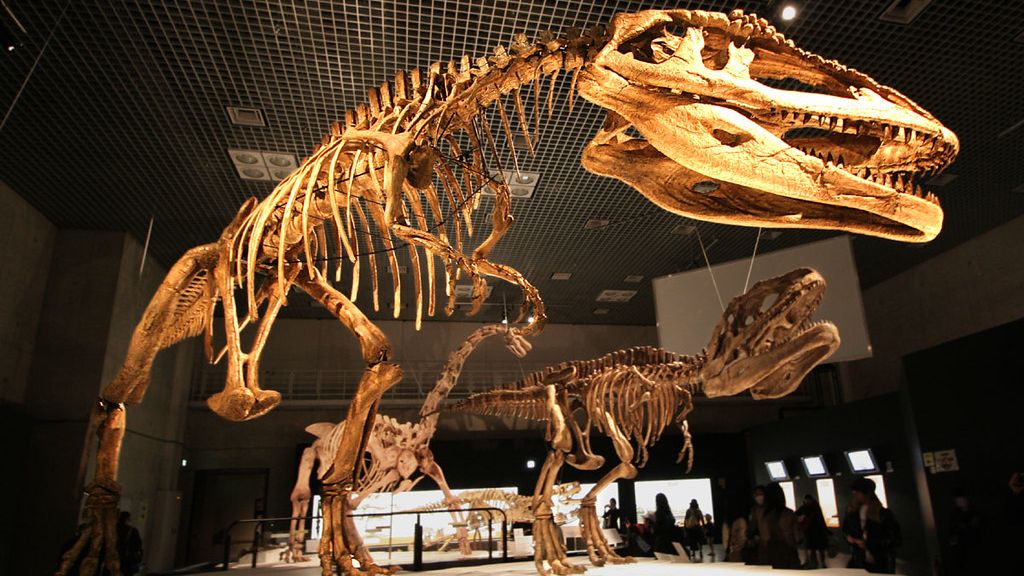
Carcharodontosaurus is estimated to have grown as large as 44 feet long with a weight of 16 tons, with a terrifying set of serrated teeth to match. The name itself tells you everything you need to know about its weaponry. What truly set Carcharodontosaurus apart were its enormous, blade-like, serrated teeth, which reached lengths of up to eight inches – some of the largest slicing teeth of any theropod.
Their knife-like teeth with serrated edges could slice through the tough hide of very large dinosaurs, and a bite from a Carcharodontosaurus would cause extensive bleeding and leave toxic bacteria in the wound. This predator didn’t need the strongest bite force in the world. Having teeth that were designed to slash and carve through whatever they bit into, would make a pursuit hunting strategy more likely due to the sheer amount of carnage that would be inflicted from a wound on incredibly large prey. It’s hard to say for sure, but imagine being hunted by something that could inflict wounds so severe you’d bleed out before you could escape. This dinosaur lived at the same time and in the same place as Spinosaurus, was almost as large, and could have taken over their kills, with adult Carcharodontosaurus possibly being a major predator of young and old Spinosaurus.
Allosaurus: The Jurassic Ambush Hunter
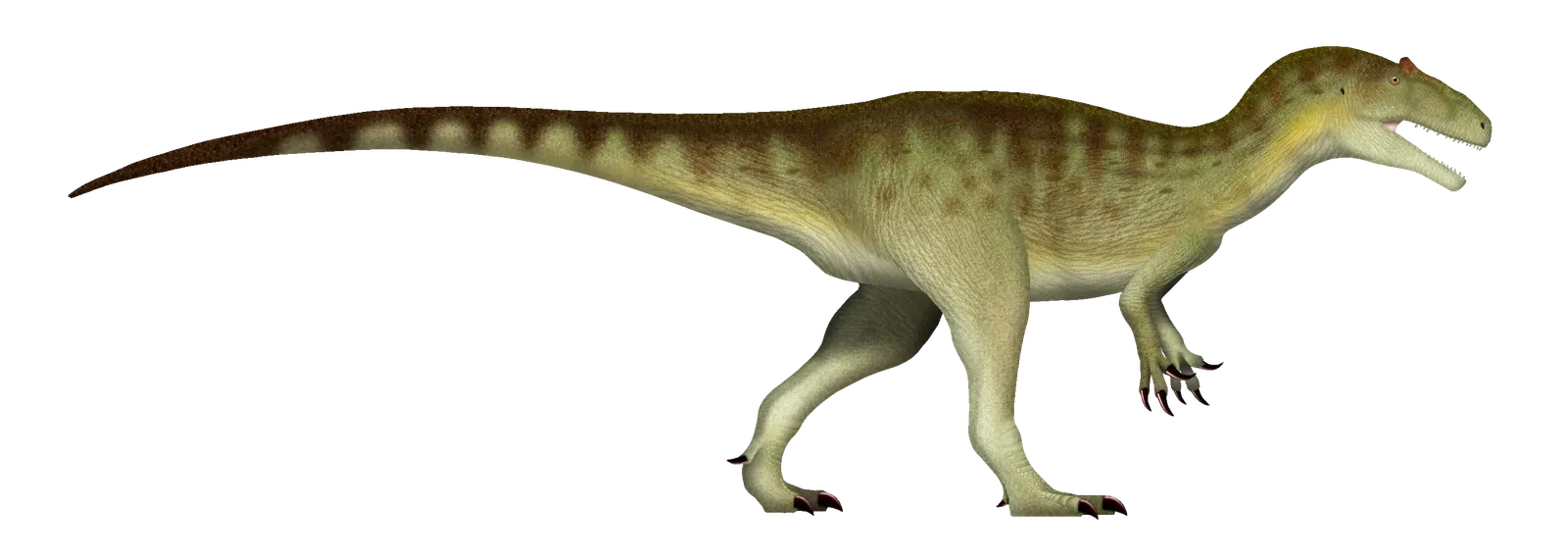
Allosaurus is a genus of theropod dinosaur that lived 155 to 145 million years ago during the Late Jurassic period. Now here’s a predator that often gets overshadowed by its later cousins, yet it was arguably one of the most successful hunters of its time. Allosaurus was another large carnivorous dinosaur that ruled during the Late Jurassic period, and while not as big as the T. rex, it had razor-sharp teeth and powerful limbs that made it a fearsome predator.
What set Allosaurus apart was its ambush-hunting technique, as it likely attacked in groups, going after giant herbivorous dinosaurs like Stegosaurus. Think about the strategic intelligence required for pack hunting. Another possibility for handling large prey is that theropods like Allosaurus were “flesh grazers” which could take bites of flesh out of living sauropods that were sufficient to sustain the predator, and this strategy would also potentially have allowed the prey to recover and be fed upon in a similar way later. This suggests a level of cunning and patience that makes Allosaurus fascinating from an evolutionary perspective. Allosaurus was at the top trophic level of the Morrison food chain.
Mapusaurus: The Pack Hunter of Patagonia
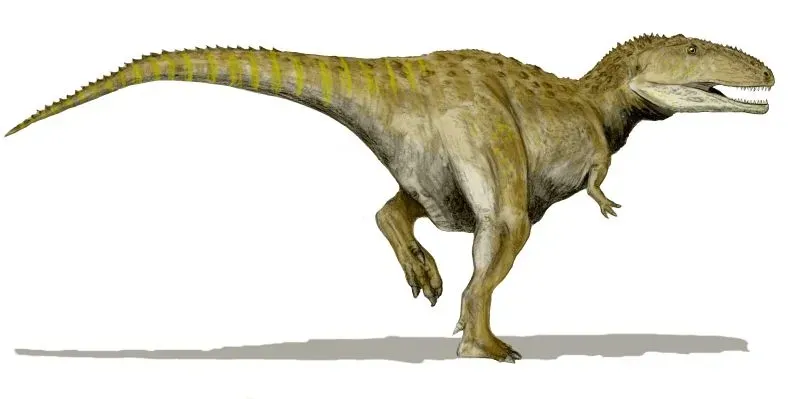
Mapusaurus, like Giganotosaurus, hunted in packs and targeted some of the largest herbivores, and this 33-foot-long predator was deadly in groups, taking down massive prey like the titanic Argentinosaurus. What makes Mapusaurus particularly intriguing is the evidence suggesting coordinated hunting behavior. Picture several multi-ton predators working together to bring down prey that weighed many times their own body weight.
Though not the largest predator out there, its teamwork and hunting strategies made it incredibly dangerous. This is where you see evolution solving problems through cooperation rather than just brute strength. In 2006, Coria and Currie described the large theropod Mapusaurus from Patagonia; it was closely related to Giganotosaurus and of approximately the same size. The social dynamics of such large predators remain a subject of scientific debate, yet the fossil evidence points to at least occasional group behavior that would have made them terrifying adversaries for even the largest herbivores.
Utahraptor: The Bear-Sized Killer with Deadly Claws
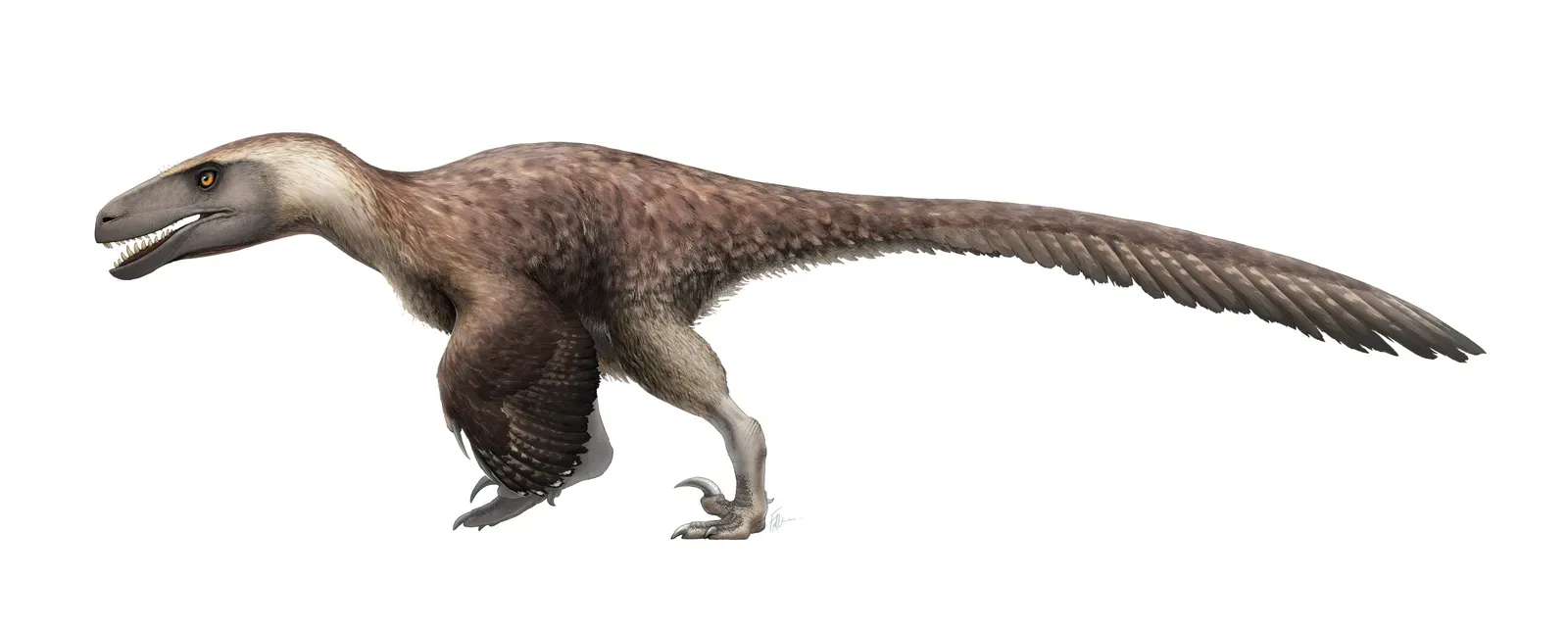
Utahraptor is a genus of large dromaeosaurid dinosaur that lived during the Early Cretaceous period from around 139 to 135 million years ago, and it is the largest known member of the family Dromaeosauridae, measuring about 6–7 metres long and typically weighing around 500 kilograms. Now we’re talking about something completely different from the massive titans we’ve discussed so far. Utahraptor was the largest and most massively built dromaeosaur, with an estimated weight of 617 to 800 pounds, rivaling a large black bear or small grizzly in size.
What made Utahraptor absolutely deadly wasn’t its size but its weaponry and hunting strategy. Evidence from the leg physiology supports the idea of Utahraptor being an ambush predator, in contrast to other dromaeosaurs that were pursuit predators. As a carnivore, Utahraptor likely preyed on large herbivorous dinosaurs and possibly other smaller creatures, with its large, sickle-shaped claws and powerful jaws adapted for hunting and tearing through flesh. Fossil remains of several individuals of various ages have been found together, suggesting that Utahraptor was gregarious and practiced degrees of post nestling care. This combination of intelligence, weaponry, and possible pack behavior made it a nightmare for anything that crossed its path.
Tarbosaurus: Asia’s Answer to T-Rex
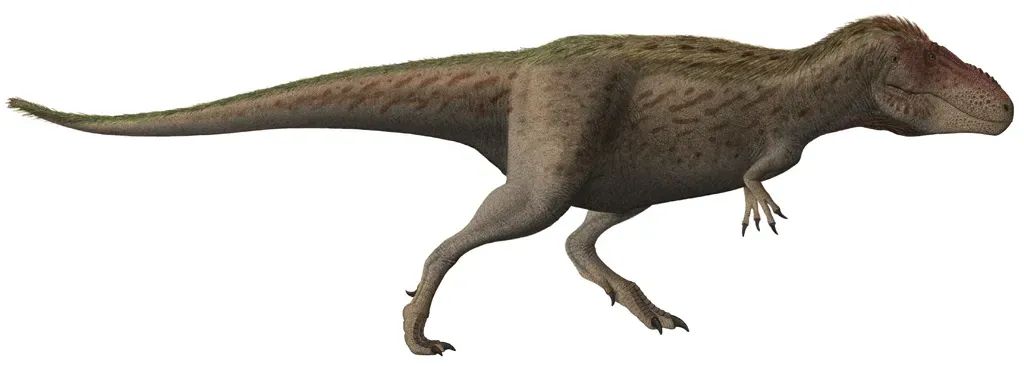
Tarbosaurus was considered the most dangerous and powerful predator in the late Jurassic period capable of defeating the velociraptor or utahraptor, being the second-largest member of the T-Rex family, equipped with 60 large teeth and smaller forelimbs. If T-Rex had an equally terrifying cousin living in Asia, Tarbosaurus would be it. It has been added to the list of the deadliest dinosaurs because of its unique locking mechanism in its lower jaw, which allowed it to firmly grasp its prey and run fast, and they were crepuscular or nocturnal hunters and used to hunt large dinosaurs in the area.
This predator shared many characteristics with its North American relative yet developed its own unique hunting adaptations. The locking jaw mechanism meant that once Tarbosaurus got hold of you, escape became virtually impossible. Living across Asia roughly 70 million years ago, it filled the same ecological niche that T-Rex occupied in North America, demonstrating how evolution produced similar solutions to the challenges of apex predation across different continents.
Acrocanthosaurus: The High-Spined Hunter of North America
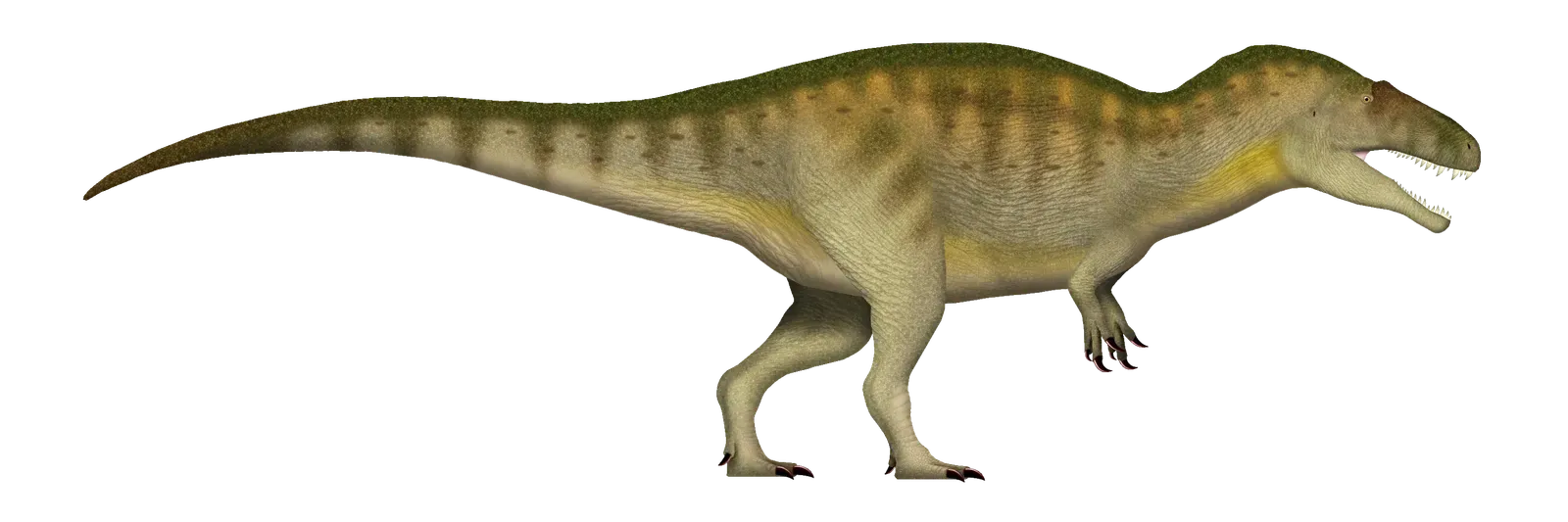
Acrocanthosaurus is a genus of theropod dinosaur that existed in what is now North America during the Aptian and early Albian stages of the Early Cretaceous, with fossils primarily found in the Antlers Formation of Oklahoma and Texas. This predator often doesn’t get the spotlight it deserves, yet it was one of the largest carnivores to ever prowl North America. What distinguished Acrocanthosaurus from other large theropods were the enlarged neural spines along its vertebrae, creating a distinctive ridge or low sail along its back.
These adaptations suggest unique muscle attachments that may have given Acrocanthosaurus exceptional power in its neck and shoulders, useful for subduing large prey. Living during the Early Cretaceous, roughly between 115 and 110 million years ago, this predator would have encountered some of the largest sauropods of its time. The combination of size, power, and specialized anatomy made Acrocanthosaurus a formidable apex predator in its ecosystem, capable of challenging even the most heavily defended herbivores.
Torvosaurus: The Jurassic Giant Often Forgotten
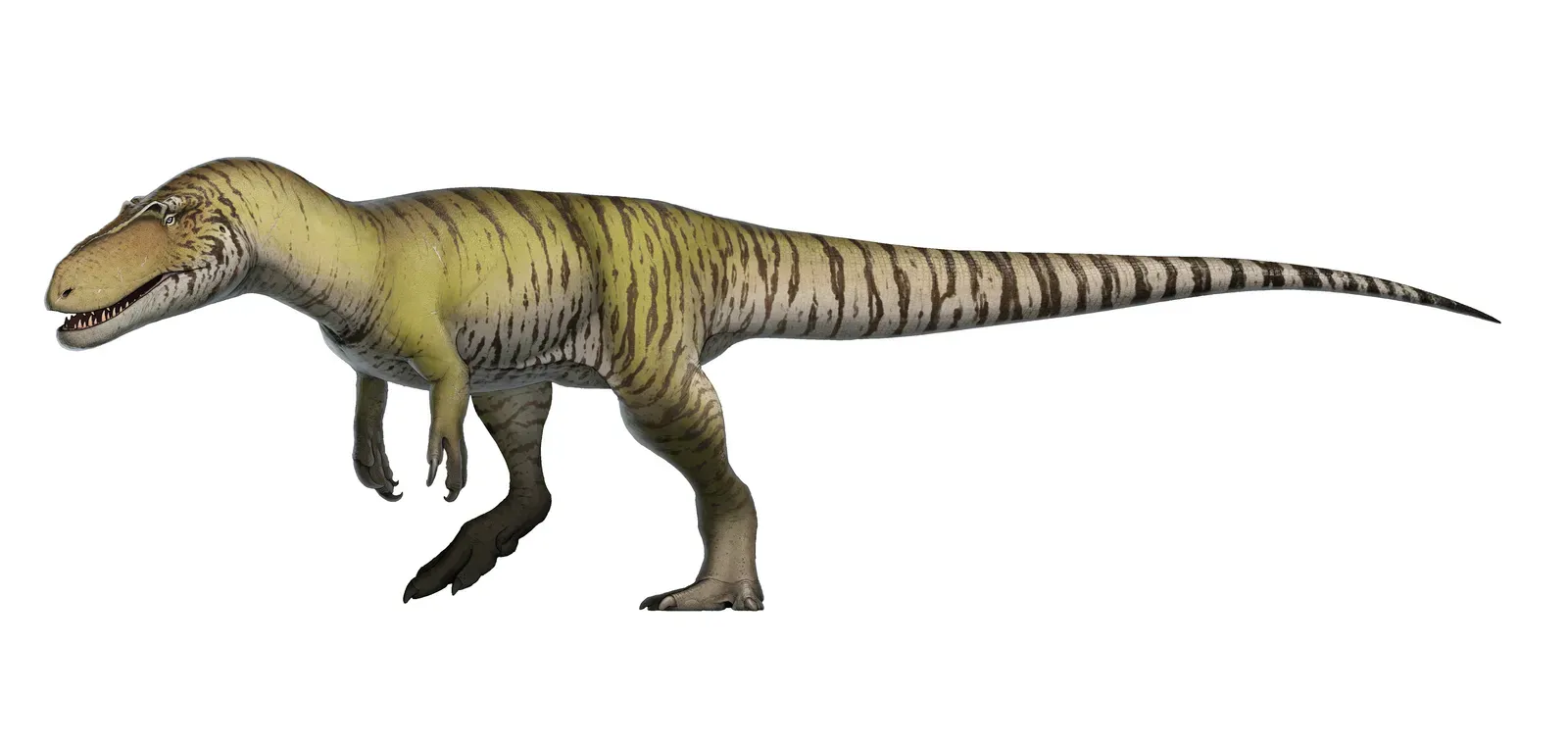
Torvosaurus is a genus of carnivorous megalosaurid theropod dinosaurs that lived approximately 153 to 148 million years ago during the late Jurassic Period in what is now Colorado and Portugal, and it was one of the largest predators of its time. One of the biggest fields of study regarding Torvosaurus is its supposed size and possible claim to being the largest known Jurassic era theropod dinosaur, and though known from only partial remains, fossils from the Morrison Formation have been compared to other better-preserved theropod genera to yield estimates of around nine meters long, with a new estimate of up to eleven meters long.
What’s genuinely impressive about Torvosaurus is that it lived alongside Allosaurus and other large predators, meaning it had to compete for resources in an environment already packed with dangerous carnivores. This competition would have driven evolutionary adaptations that made Torvosaurus particularly efficient at what it did. The fact that it thrived in such a competitive ecosystem speaks volumes about its capabilities as a hunter and survivor. Its large teeth and powerful build suggest it was more than capable of taking down substantial prey, securing its position as one of the Jurassic’s top predators.
The Mesozoic Legacy: What These Predators Teach Us
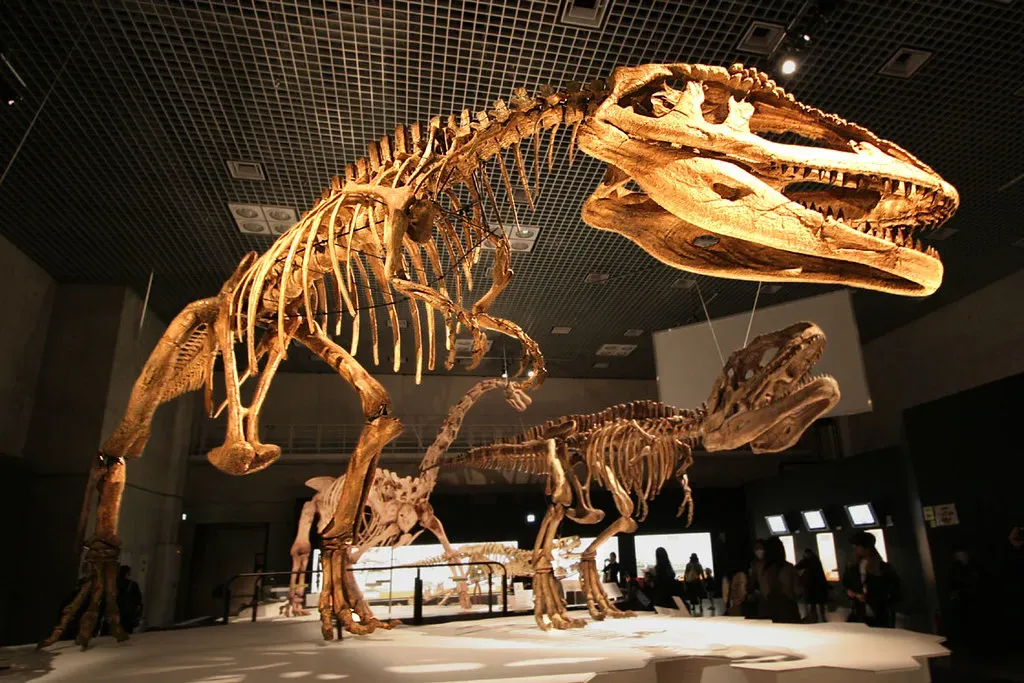
The Earth of the Mesozoic Era was a world ruled by giants, and while massive herbivores dominated the landscape in size, it was the carnivorous dinosaurs – the apex predators – that ruled through fear, with bone-crushing jaws, dagger-like claws, and deadly intelligence. What strikes me most about these predators is the incredible diversity of hunting strategies they employed. Some relied on sheer size and power, others on speed and agility, and still others on cooperative hunting tactics that rivaled anything seen in modern predators.
Understanding these hunting techniques provides crucial insights into the ecology of the Mesozoic era, shedding light on the predator-prey dynamics and the evolutionary arms race that occurred during this period. These weren’t mindless monsters but highly evolved predators that shaped entire ecosystems for nearly 180 million years. Unlike today’s predators, many of these dinosaurs were the size of buses, equipped with killing tools honed by millions of years of evolution.
The truth is, T-Rex deserves its fame, yet it represents just one chapter in a much larger story of predatory excellence. From the aquatic adaptations of Spinosaurus to the pack-hunting strategies of Mapusaurus, from the specialized killing claws of Utahraptor to the massive jaws of Carcharodontosaurus, the Mesozoic Era produced an astounding variety of apex predators, each perfectly adapted to dominate their particular environment. These creatures remind us that nature’s capacity for creating efficient killing machines is both terrifying and awe-inspiring. What do you think about these forgotten predators? Did any of them surprise you more than T-Rex ever did?