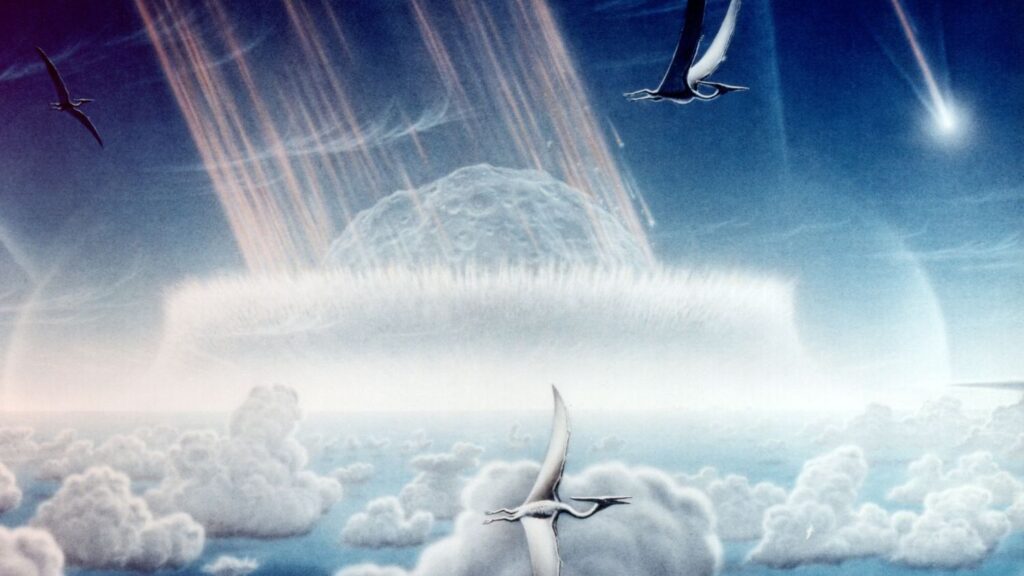
You’ve probably heard the story a thousand times. A massive asteroid slammed into Earth roughly 66 million years ago, and boom, the dinosaurs were gone. It’s a dramatic tale, neat and tidy. One cosmic rock, one catastrophic ending. Simple, right?
Well, here’s the thing: It turns out the story of dinosaur extinction is far messier, far more complicated, and honestly, way more intriguing than we’ve been led to believe. New research is painting a picture of a planet under siege from multiple directions, with the dinosaurs caught in a perfect storm of environmental disasters. Let’s dive in.
The Deccan Traps: A Volcanic Nightmare That Preceded the Impact
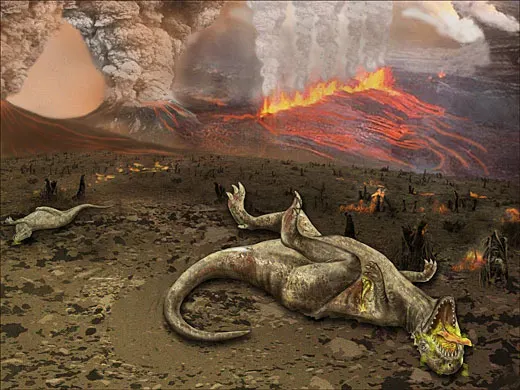
Long before the famous asteroid made its appearance, massive volcanic eruptions were already wreaking havoc on Earth, with the Deccan Traps in western India erupting around 66 million years ago. Picture this: lava flows stacking up over a mile thick in some places, covering an area that would dwarf Texas. It wasn’t a quick event either.
The Deccan Traps had been erupting for roughly 300,000 years before the Chicxulub asteroid, and during their nearly 1 million years of eruptions, the Traps are estimated to have pumped up to 10.4 trillion tons of carbon dioxide and 9.3 trillion tons of sulfur into the atmosphere. Think about that for a second. The sheer volume of toxic gases would have been staggering. Volcanic activity of this magnitude would have spewed out huge amounts of carbon dioxide into the atmosphere, causing greenhouse warming, while levels of toxic gases like sulfur and chlorine rose, resulting in acid rain. The planet was already gasping for breath before the asteroid even entered the picture.
Climate Chaos: Warming, Cooling, and Everything In Between
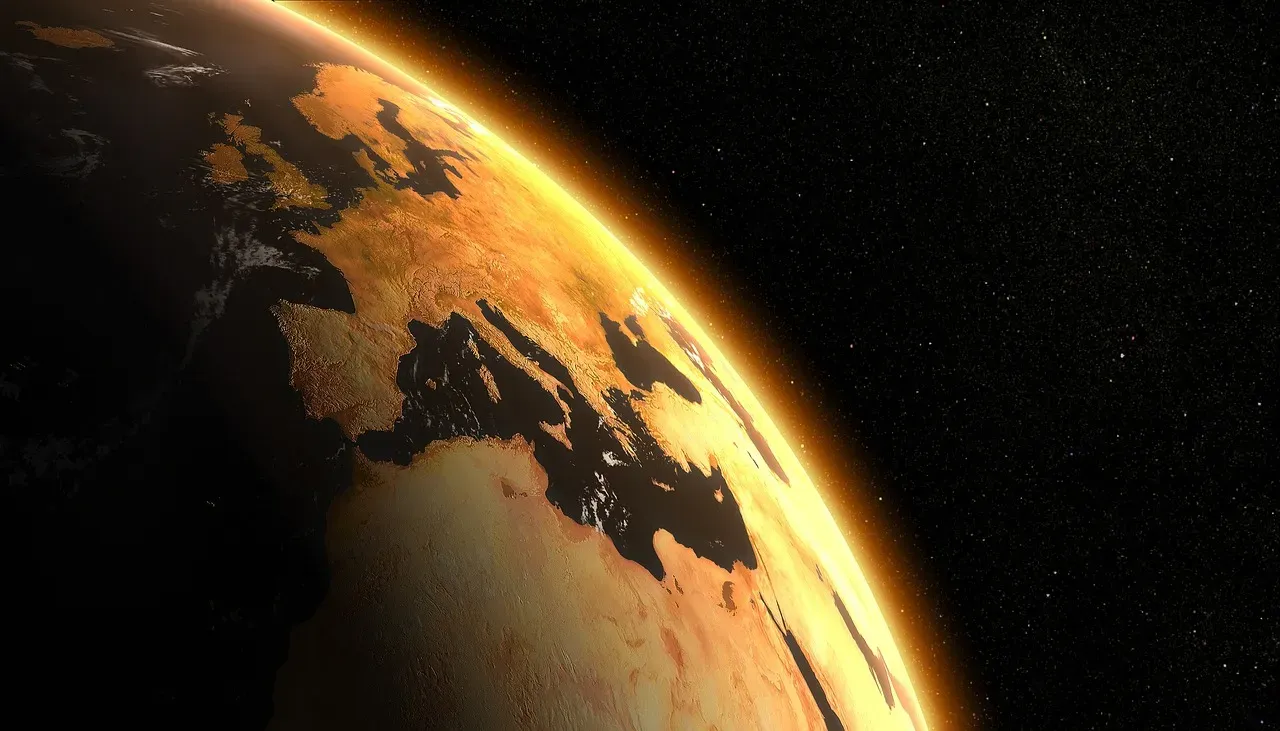
There’s long been evidence that Earth’s climate was changing before the asteroid hit, with the planet gradually warming by some 5°C about 400,000 years before the impact, only to plunge in temperature right before the mass extinction. Dinosaurs, as it turns out, were incredibly sensitive to these temperature swings. Here’s where it gets fascinating.
Research indicates the decline of dinosaurs was likely driven by global climate cooling and herbivorous diversity drop. As dinosaurs were probably mesothermic organisms with varying thermoregulation abilities, their activities were probably partially constrained by environmental temperatures, particularly for larger dinosaurs which relied substantially on mass homeothermy to maintain constant body temperatures, making climatic deterioration a difficult challenge. The big guys couldn’t just bundle up or migrate easily when things got cold. They were stuck.
A Decade of Decline: The 10 Million Year Struggle
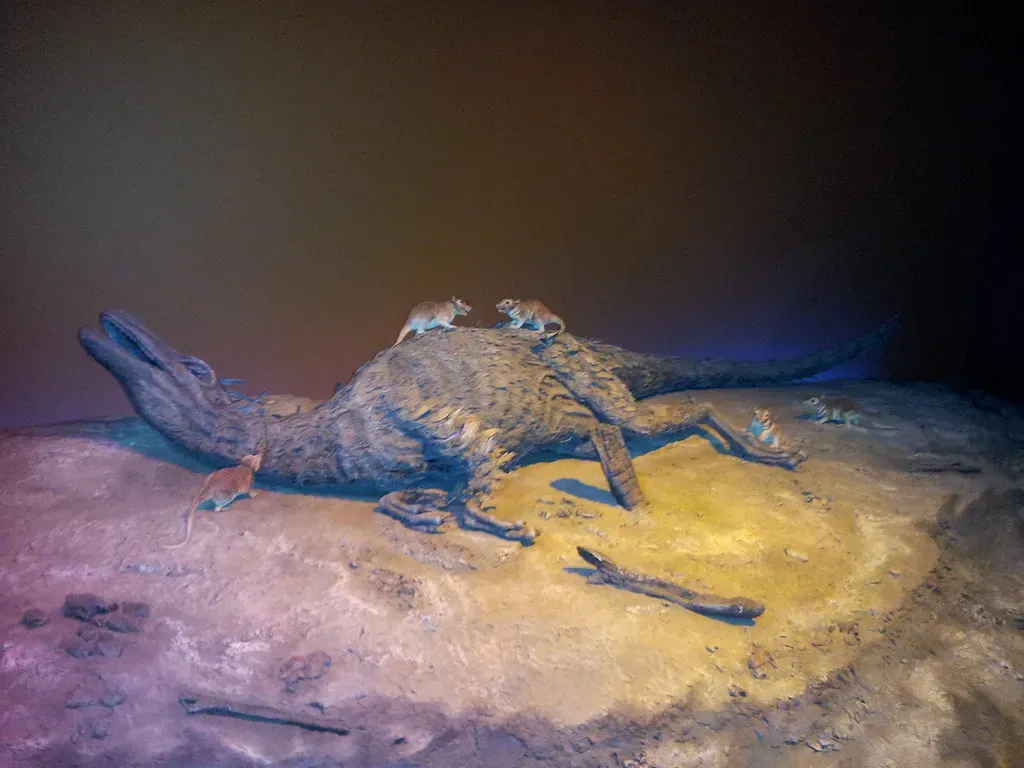
Let’s be real: the asteroid didn’t hit a thriving, invincible group of creatures at their peak. Six major dinosaur families were already in decline in the preceding 10 million years, possibly due to global cooling and competition among herbivores. This is where the narrative starts to shift dramatically from what you might have learned in school.
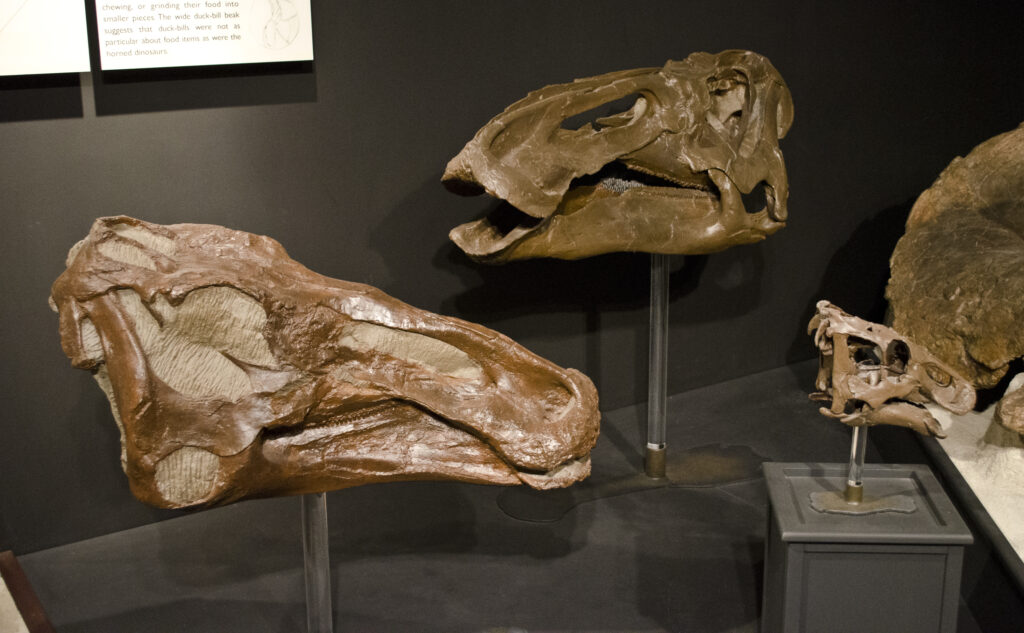
The decline was likely driven by global climate cooling and herbivorous diversity drop, with the latter likely due to hadrosaurs outcompeting other herbivores. Competition wasn’t just between predator and prey anymore. Even plant eaters were battling each other for dwindling resources. The ecosystem was cracking under pressure long before cosmic intervention sealed the deal.
Multiple Comet Strikes: A Cosmic Bombardment Theory
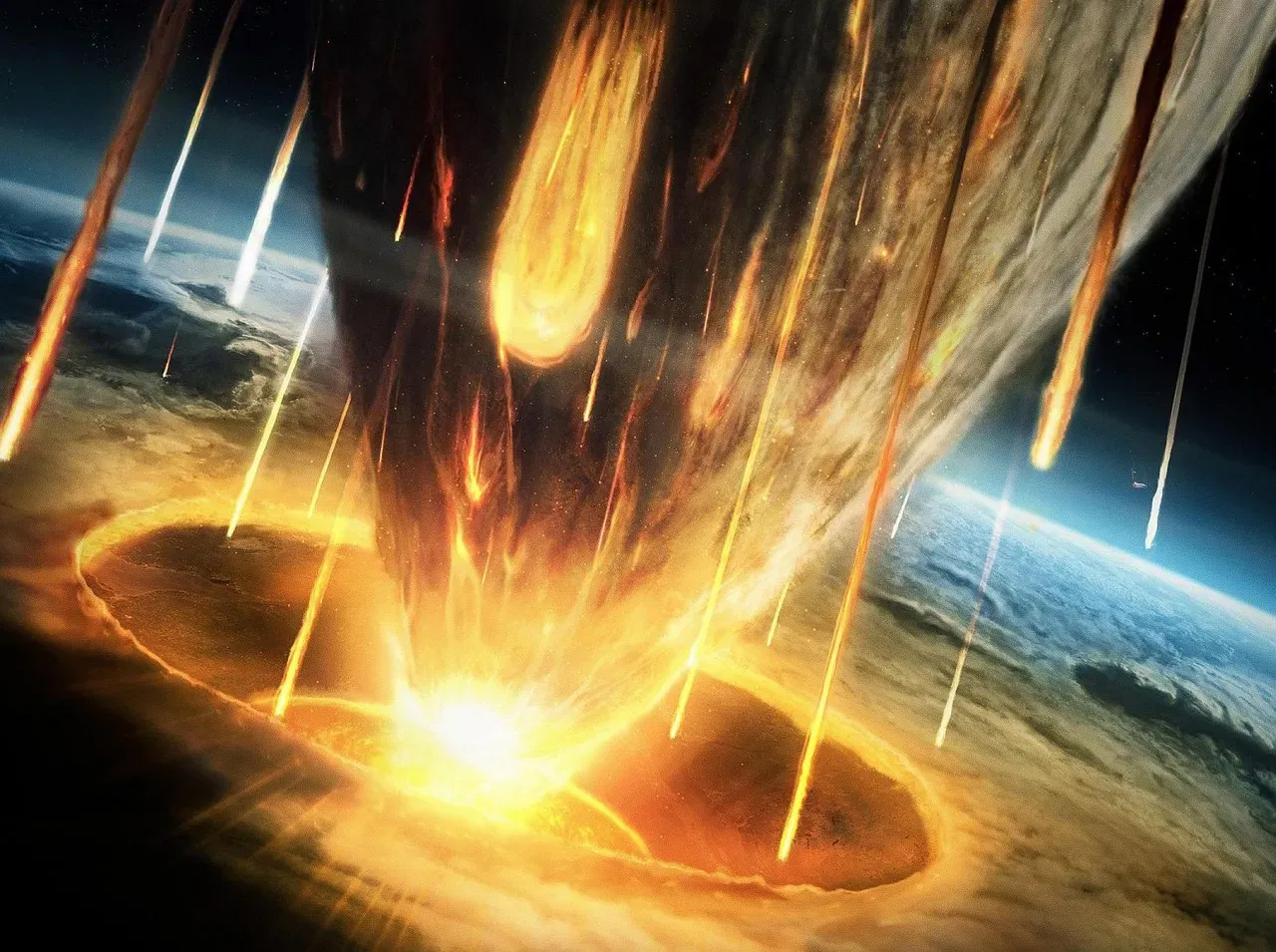
Now here’s something that might surprise you. Scientists have theorized that extinction of the dinosaurs may have occurred as a result of many comet impacts over one to three million years, with comet showers caused by close passage of neighboring stars through the Oort cloud of comets surrounding the solar system. Not one impact. Multiple strikes over an extended period.
Studies indicated that such an event would cause stepwise extinctions over period of time. Imagine Earth as a punching bag, taking hit after hit. Each impact would have caused regional devastation, climate disruptions, and incremental losses of biodiversity. It paints a very different picture from the single knockout blow scenario we’re used to hearing about. The dinosaurs might have been dying by degrees, not all at once.
Environmental Stress and Ecosystem Collapse: The Final Straw
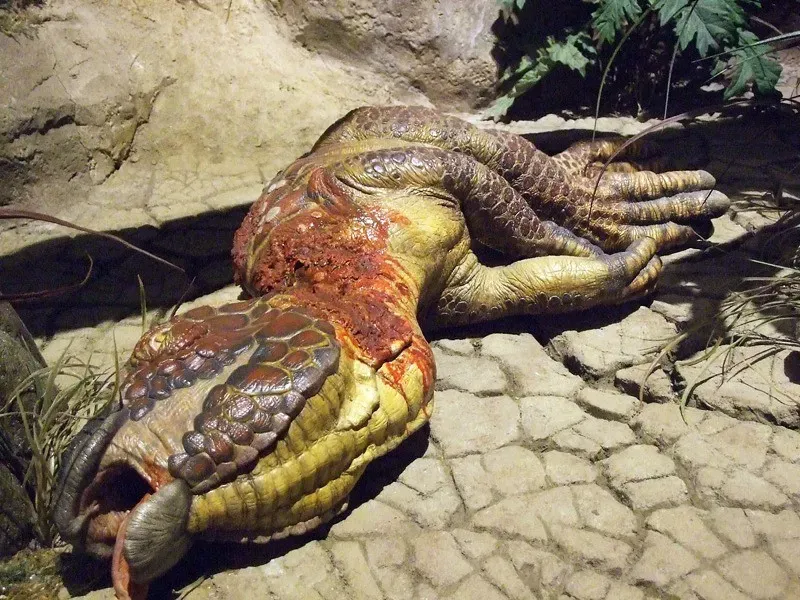
Research shows the Earth was clearly under stress before the major mass extinction event, with the asteroid impact coinciding with pre-existing carbon cycle instability. This is crucial to understand. The planet wasn’t healthy when disaster struck.
A scenario combining three major postulated causes suggests terrestrial and marine communities were stressed by changes in and loss of habitats, with dinosaurs, as the largest vertebrates, being the first affected by environmental changes, leading to their diversity declining. Food chains were collapsing. Habitats were disappearing. The dinosaurs were already on the ropes when the final blow came. According to the fossil record, many various species of dinosaurs were under intense pressure and environmental strain, with competition for resources, territorial conflicts, and dominance struggles increasing stress among large dinosaur populations.
The Debate Continues: Was It Thriving or Struggling?
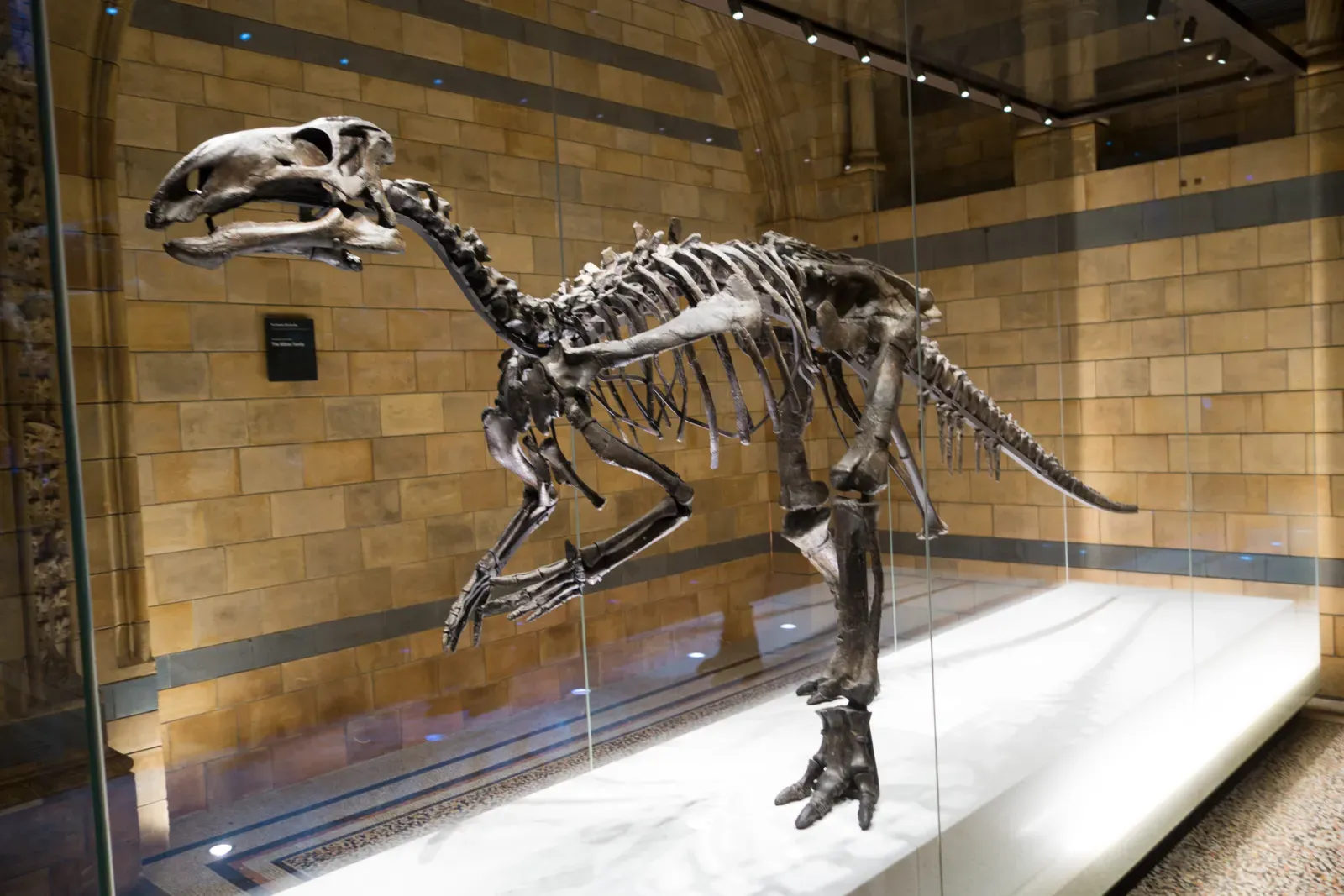
Honestly, scientists still can’t fully agree on this one. Some recent findings suggest fossils reveal dinosaurs were flourishing in diverse ecosystems right up until the asteroid impact, with dinosaurs still thriving rather than struggling to survive. Yet other research points to that 10 million year decline we mentioned earlier.
New analysis adds to a growing body of evidence that the dinosaurs were doing just fine before the asteroid’s deadly impact, though at face value, the fossils suggest the number of dinosaur species peaked about 75 million years ago and then declined in the 9 million years leading up to the asteroid strike. The truth probably lies somewhere in between. Regional variations mattered. Some dinosaur populations were doing better than others. The picture wasn’t uniform across the globe. But what we do know for certain is that multiple extinction level threats were converging at once.
Conclusion
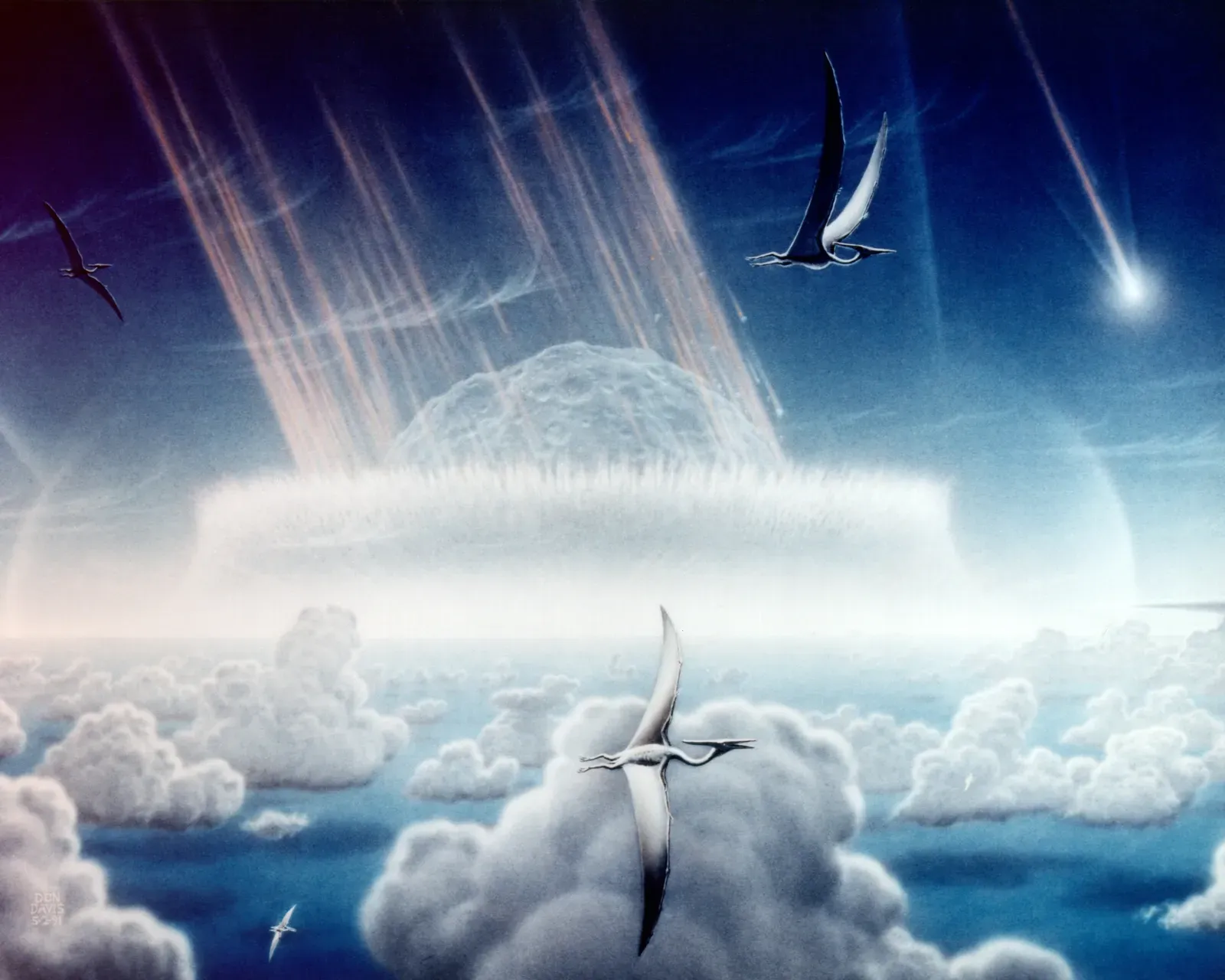
The death of the dinosaurs wasn’t a simple story of cosmic bad luck. It was a convergence of catastrophes: volcanic eruptions poisoning the atmosphere, climate swings throwing ecosystems into chaos, competition intensifying as resources dwindled, and possibly multiple comet strikes pummeling the planet over millennia. The famous Chicxulub asteroid? It might have been the final nail in the coffin, but the coffin was already being built.
This matters because it teaches us something profound about extinction events. They’re rarely single cause disasters. They’re complex, multi layered crises where various stressors compound each other until ecosystems reach a breaking point. When you think about it, understanding how dinosaurs really died helps us grasp how fragile life on Earth can be when multiple threats pile up at once.
What do you think? Does it change how you see the end of the dinosaur age, knowing it wasn’t just one bad day but possibly millions of years of mounting pressure?