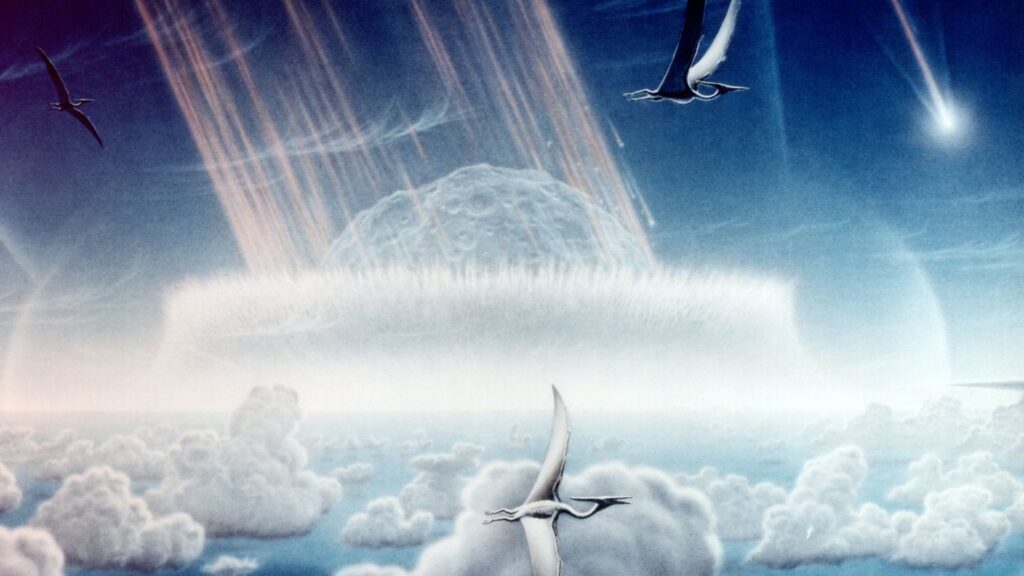
Ask anyone what killed the dinosaurs and you will almost certainly hear the same answer: a giant rock from space. It is one of the most iconic stories in natural history, a cosmic catastrophe that ended the reign of the mightiest creatures to ever walk the Earth. The image is dramatic, memorable, and honestly, deeply satisfying in its simplicity.
Here is the thing, though. Science rarely wraps up in neat packages. The Cretaceous/Paleogene mass extinction coincided with two major global environmental perturbations: heightened volcanism associated with the Deccan Traps and the Chicxulub asteroid impact. That means long before the rock hit, Earth was already in trouble. The full picture of dinosaur extinction involves a stunning collection of forces, each one quietly chipping away at the ancient world. So buckle up, because this story is far more complex and fascinating than you might expect. Let’s dive in.
The Deccan Traps: Earth’s Own Slow-Burning Catastrophe
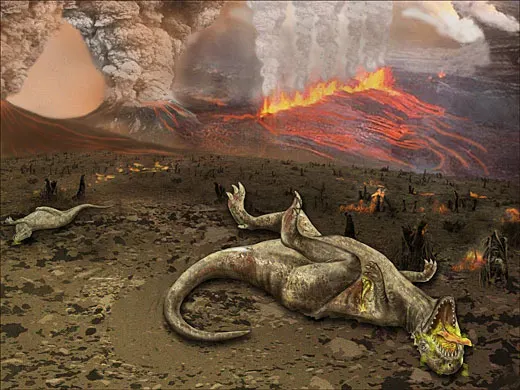
You might think of volcanic eruptions in terms of Mount St. Helens or even the famous 1815 Tambora eruption in Indonesia, which caused the so-called “year without a summer.” Now imagine something incomparably larger. The Deccan Traps consist of many layers of solidified flood basalt that together are more than about two kilometers thick, cover an area of about 500,000 square kilometers, and have a volume of about one million cubic kilometers. That is not a volcano. That is a geological monster.
Climate change caused by volcanic eruptions may have played a role in massive die-offs for the dinosaurs long before a comet or asteroid impact sealed their fate. The Deccan Traps date back to around 66 million years ago, when magma from deep inside Earth erupted to the surface. In some parts of the Deccan Traps, the volcanic layers are more than two kilometers thick, making this the second-largest volcanic eruption ever on land. The sheer scale of it is almost impossible to wrap your mind around.
Volcanic activity of this magnitude would have spewed out huge amounts of carbon dioxide into the atmosphere, causing greenhouse warming. The eruptions would have also caused levels of toxic gases like sulfur and chlorine to rise, resulting in acid rain and further damaging the global environment. In other words, the Deccan Traps were essentially poisoning the sky, decades and centuries at a time.
The Deccan Traps had been erupting for roughly 300,000 years before the Chicxulub asteroid. During their nearly one million years of eruptions, the Traps are estimated to have pumped up to 10.4 trillion tons of carbon dioxide and 9.3 trillion tons of sulfur into the atmosphere. Honestly, those numbers are staggering. It is hard to say for sure exactly how much biological damage that caused, but the fact that life was already reeling before the asteroid makes you reconsider how decisive that final blow really was.
Volcanic Winters: When the Sky Turned Against Life
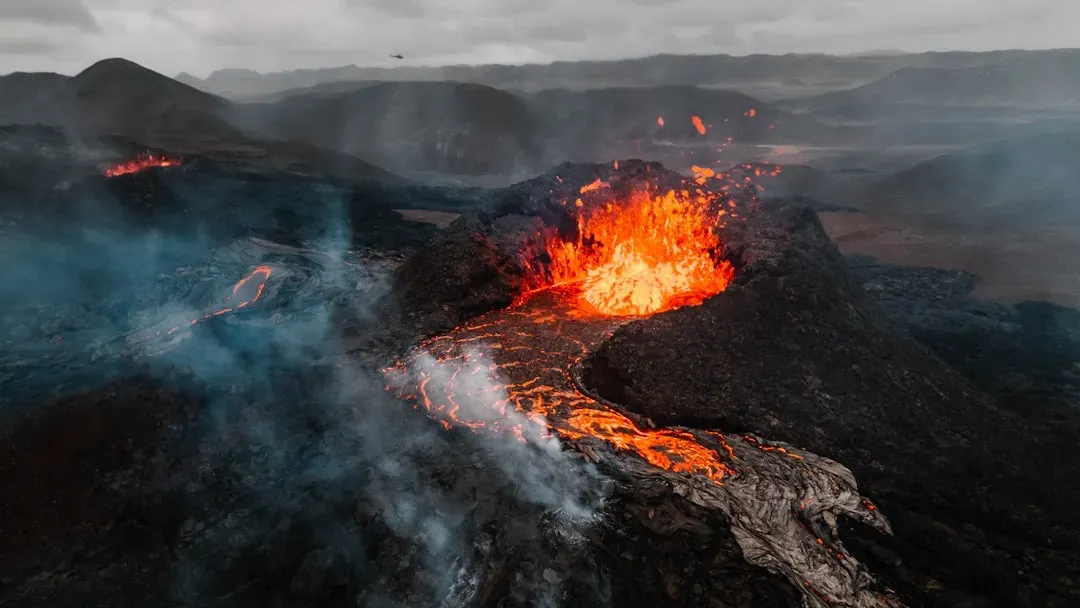
Most people understand how an asteroid could block out sunlight. Fewer realize that a volcano can do something hauntingly similar, just over a longer and more relentless timescale. Scientists believe that massive volcanic eruptions on the Deccan Traps may have played a key role in cooling the global climate around 65 million years ago, setting the stage for the mass extinction. Think of it like a dimmer switch slowly turned down on the entire planet.
Researchers took samples from the Deccan Traps and analyzed them in labs in England and Sweden, looking specifically at how much sulfur and fluorine was pushed into the atmosphere by the volcanic activity around the time of the extinction. Findings showed that the sulfur release could have caused a global temperature drop, a phenomenon known as a volcanic winter. Repeated volcanic winters, each one lasting decades, would have devastated plant life and sent shockwaves up the food chain.
A series of enormous volcanic eruptions occurring before, during and after the meteor collision were also complicating life for the reptiles. Gases emitted from the eruptions shielded sunlight and likely significantly cooled the atmosphere beyond the dinosaurs’ comfort for centuries, recent research shows. You start to picture the late Cretaceous world not as a lush paradise, but as a planet under prolonged environmental siege.
Pre-Impact Climate Cooling: A World Already Weakening
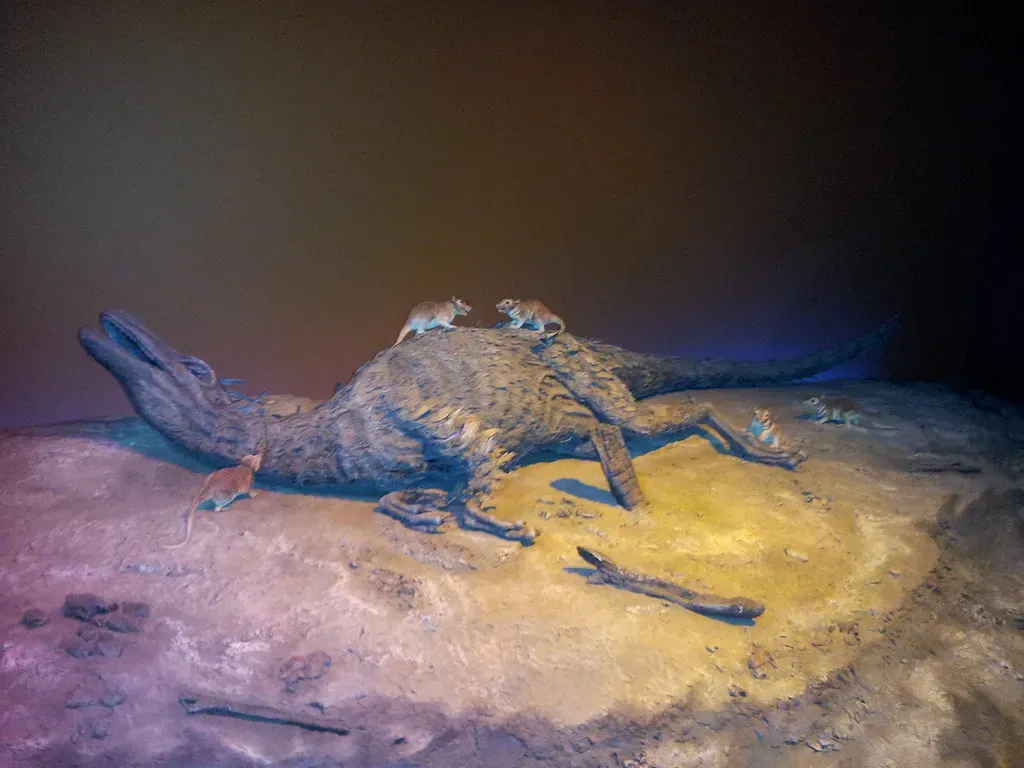
Let’s be real: the asteroid gets all the glory. But the evidence is increasingly clear that dinosaurs were facing serious headwinds long before that fateful day 66 million years ago. Research finds strong evidence that dinosaurs began to decline well before the K/Pg extinction due to both a marked increase of extinction from the late Campanian onwards and a decrease in their ability to replace extinct species. Long-term environmental changes likely made dinosaurs particularly prone to extinction because of a combination of global climate cooling, a drop in diversity of herbivorous dinosaurs, and age-dependent extinction.
The global mean temperature experienced a long-term decline during the latest Cretaceous, from roughly 75 to 66 million years ago. That long cooling trend is like a slow leak in a tire. You do not notice it immediately, but keep going and eventually the whole thing gives out. Research results imply that warm periods favoured dinosaur diversification whereas cooler periods led to enhanced extinctions, as observed in the latest Late Cretaceous. This result is particularly in agreement with a recent analysis of multiple tetrapod phylogenies showing the significant effect of cooling on diversification slowdowns.
A prolonged episode of climatic cooling throughout the latest part of the Cretaceous, from the Cenomanian/Turonian boundary onward, has also been proposed as a major driver for declining trends in dinosaur diversity up to their final extinction at the K/Pg boundary. Six major dinosaur families were already on a downward trend. The asteroid did not find a thriving, vibrant world. It found one already under enormous pressure.
Sea Level Changes and the Loss of Critical Habitats
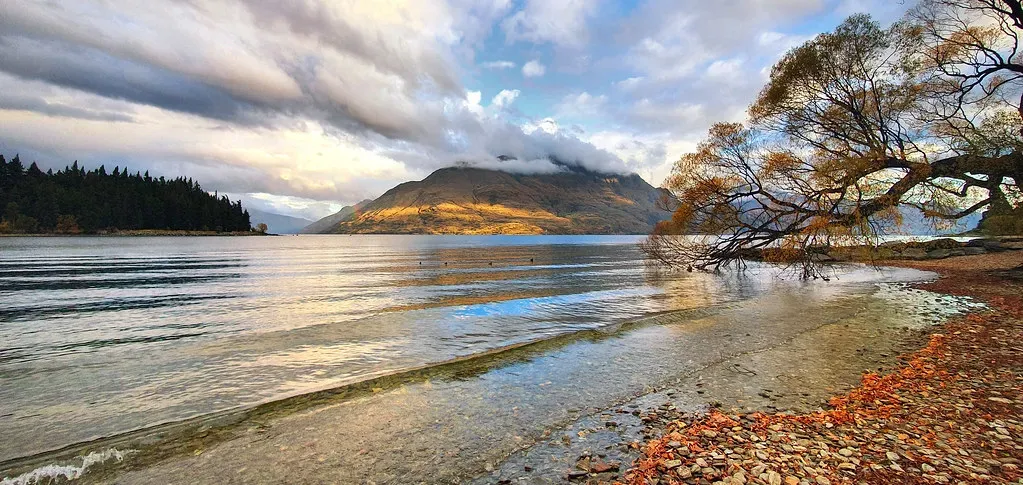
Here is something your school textbook probably never mentioned: falling oceans may have played a real and measurable role in dinosaur decline. In a review scenario combining three major postulated causes of the extinction, terrestrial and marine communities were stressed by the changes in and loss of habitats. Dinosaurs, as the largest vertebrates, were the first affected by environmental changes, and their diversity declined. Size, in this case, was not an advantage.
Marine regression resulted in the loss of epeiric seas, such as the Western Interior Seaway of North America. The loss of these seas greatly altered habitats, removing coastal plains that ten million years before had been host to diverse communities. Picture an entire ecological network, complex and perfectly balanced, suddenly stripped of the coastlines and lowland plains that sustained it. What you get is a cascade. Species decline. Food sources shrink. Predators follow prey into oblivion.
Most dinosaur fossils in the Shanyang Basin region were located in floodplain environments, likely serving as colonial nesting grounds. Rising temperatures and reduced availability of suitable nesting sites, influenced by increased precipitation, may have prompted dinosaurs in the region to migrate in search of more hospitable habitats or face extinction. Even something as critical as nesting ground availability was being compromised, well before any space rock entered the picture.
Continental Drift and the Fragmentation of Ecosystems
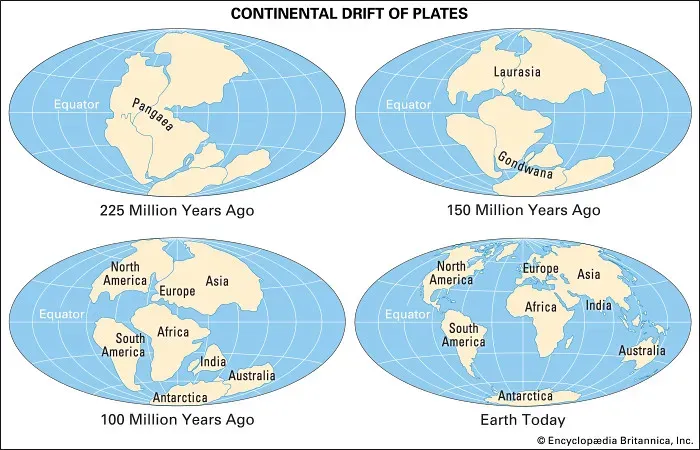
The slow grind of tectonic plates beneath your feet feels irrelevant to daily life. Over millions of years, though, it reshapes everything. Due to plate tectonics, the Americas were gradually moving westward, causing the Atlantic Ocean to expand. The Western Interior Seaway divided North America into eastern and western halves, known as Appalachia and Laramidia. Populations of dinosaurs that had once been interconnected became isolated from one another by expanding seas and shifting landmasses.
There were also longer-term changes. The continents were drifting around and splitting apart from each other, creating bigger oceans, which changed ocean and atmosphere patterns around the world. This also had a strong effect on climate and vegetation. It is a bit like rearranging the furniture in a room, except the room is a continent and the rearrangement takes millions of years. Still, the effects on where animals could live, how species interacted, and what plants could grow were profound.
Global continental fragmentation, as approximated by plate tectonic change over time, has often been proposed as a driver of dinosaur diversity dynamics. Isolated populations lose their genetic resilience. Endemic species thrive in narrow conditions but struggle when those conditions shift. Continental fragmentation quietly set the stage for vulnerability long before any single catastrophic event.
Food Chain Collapse and the Herbivore Crisis
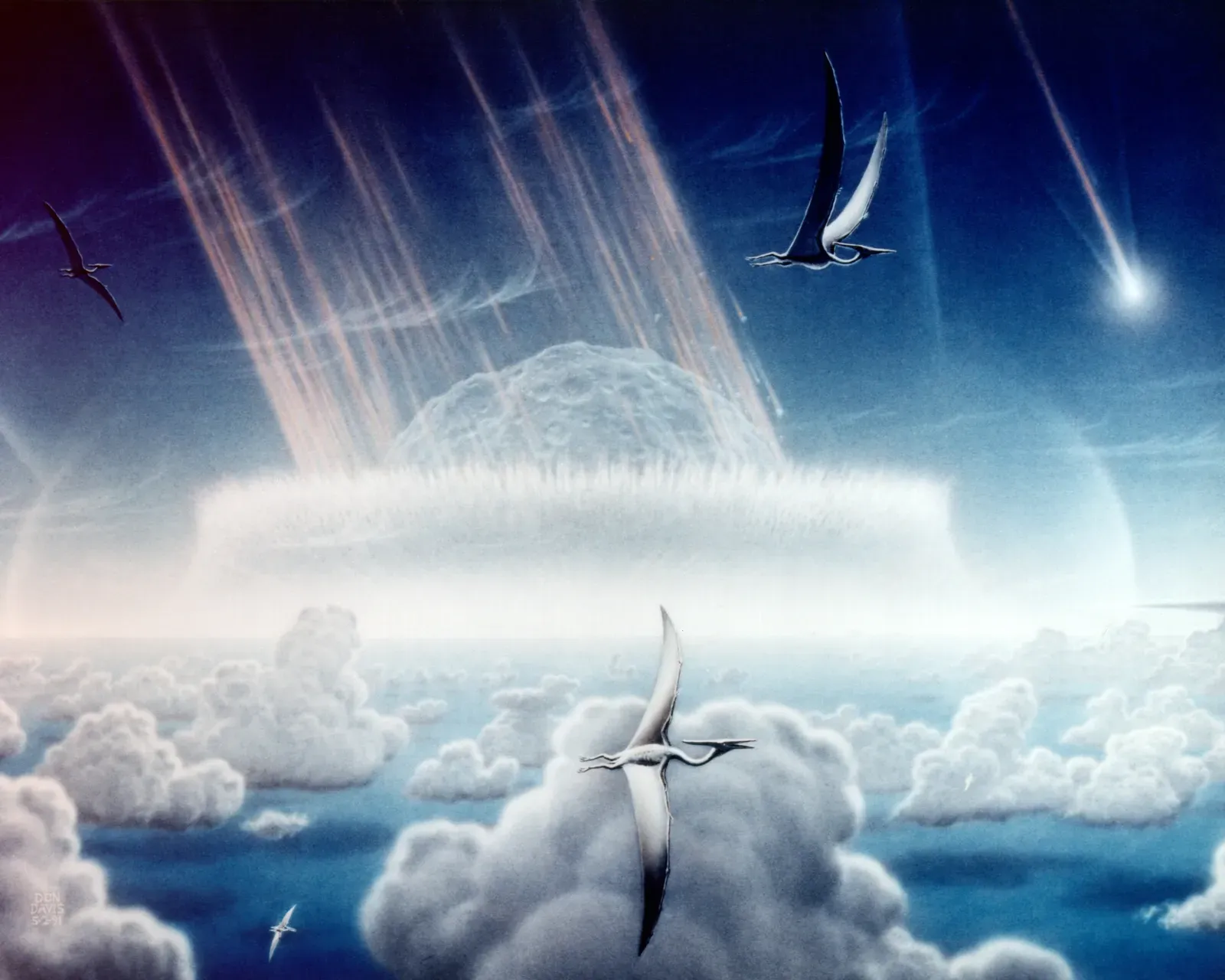
Even the most fearsome predator cannot survive without a functioning food chain beneath it. And in the late Cretaceous, that chain was already starting to fray. When ecosystems start to fail, the problems often begin with primary producers, the organisms that make their own food through photosynthesis. During the Cretaceous food chain collapse, both land plants and ocean organisms faced severe challenges. The first flowering plants had just become common when disaster struck. Within a short time, many plant species disappeared completely.
These changes severely affected plant-eating dinosaurs, who suddenly found their food sources vanishing. Many herbivores had specialized diets, eating only certain types of plants. When these plants disappeared, the dinosaurs could not survive. A tyrannosaur with no prey is just a very large, very hungry animal with a short future. The specialized diets that had made many dinosaur species so successful became their fatal weakness.
Although non-avian dinosaurs dominated terrestrial ecosystems until the end-Cretaceous, results show that both a marked increase of extinction and a decrease in their ability to replace extinct species led dinosaurs to decline well before the K/Pg extinction. Smaller vertebrates, including mammals, followed a consistent trajectory of increasing trophic impact and relaxation of niche limits beginning in the latest Cretaceous and continuing after the mass extinction. Mammals did not simply proliferate after the extinction event; rather, their earlier ecological diversification might have helped them survive. The flexibility that small generalist creatures had was precisely what the large, specialized dinosaurs lacked.
Conclusion: A Perfect Storm, Not a Single Bullet
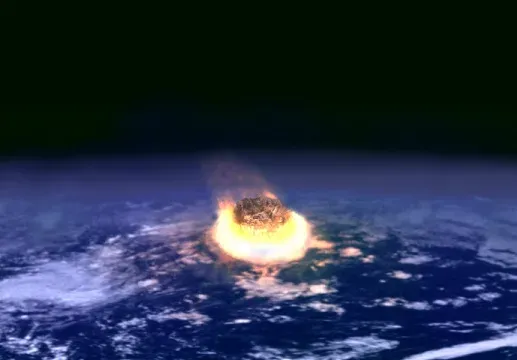
The dinosaur extinction was not a single event. It was a slow-building catastrophe, a convergence of volcanic fury, cooling climates, shrinking seas, fragmenting continents, and collapsing food webs, all of which left the dominant creatures of the Mesozoic dangerously exposed. An impact event occurred, causing collapses in photosynthesis-based food chains, both in the already-stressed terrestrial food chains and in the marine food chains. The asteroid was a knockout blow delivered to an opponent already staggering from rounds of punishment.
The last non-bird dinosaurs were living at a time of environmental change, some of which had begun millions of years before they went extinct. The asteroid was the final, killer blow. Understanding this does not diminish the dramatic power of that impact. If anything, it makes the extinction story richer, more complex, and far more instructive for a world today grappling with its own climate and ecological disruptions.
The real lesson here is humbling. Even the most dominant species that ever lived, creatures that ruled for over 160 million years, could not withstand the combined pressure of environmental change compounding over time. What would you have guessed, had you walked the Earth 67 million years ago and watched the slow unraveling begin? Share your thoughts in the comments below.