You’ve probably heard the story. A massive asteroid slammed into Earth, wiping out the dinosaurs in one fiery moment. It’s dramatic, it’s vivid, and it makes for great movies. Here’s the thing, though: that famous asteroid strike represents just one extinction event out of many in Earth’s history. Life on our planet has faced far more devastating crises, and most of them had nothing to do with rocks falling from space.
Think about it. Over the past half billion years, Earth has endured at least five major mass extinctions. Each time, the vast majority of species vanished. Yet only one of these events is definitively linked to an asteroid impact. So what really caused the others? The answers are more complex and, honestly, more terrifying than a single catastrophic collision. Let’s dive in.
Volcanic Fury: When Earth Bleeds Fire
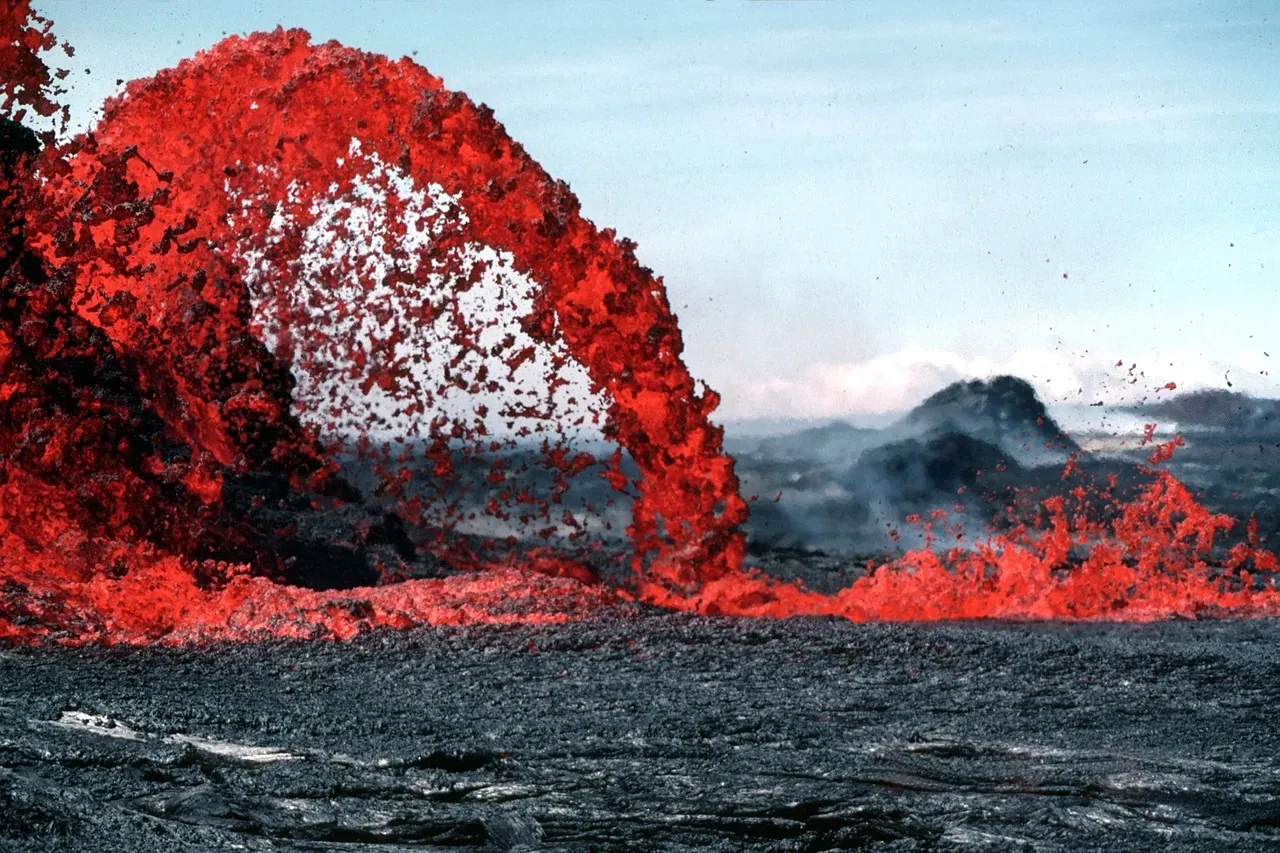
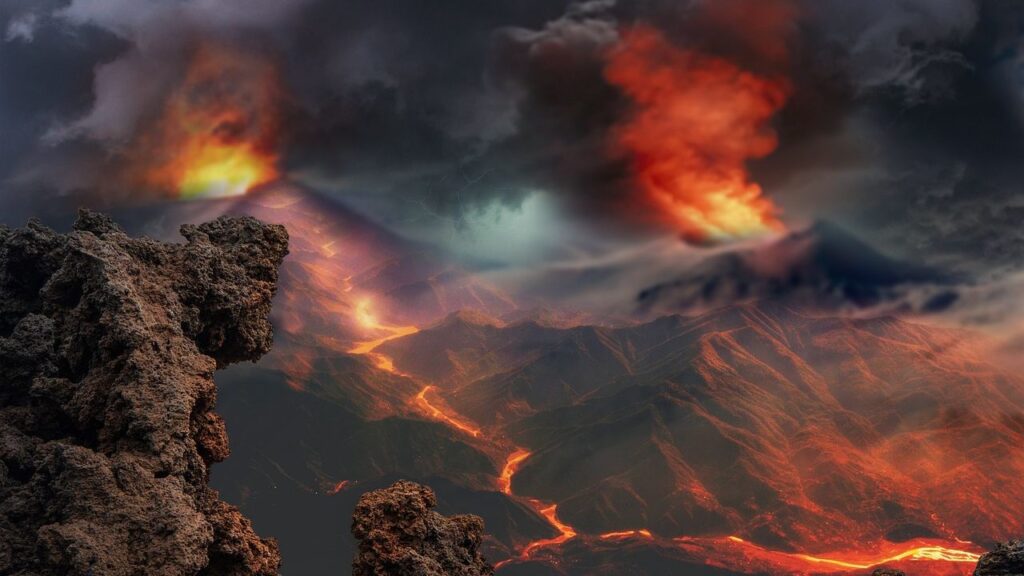
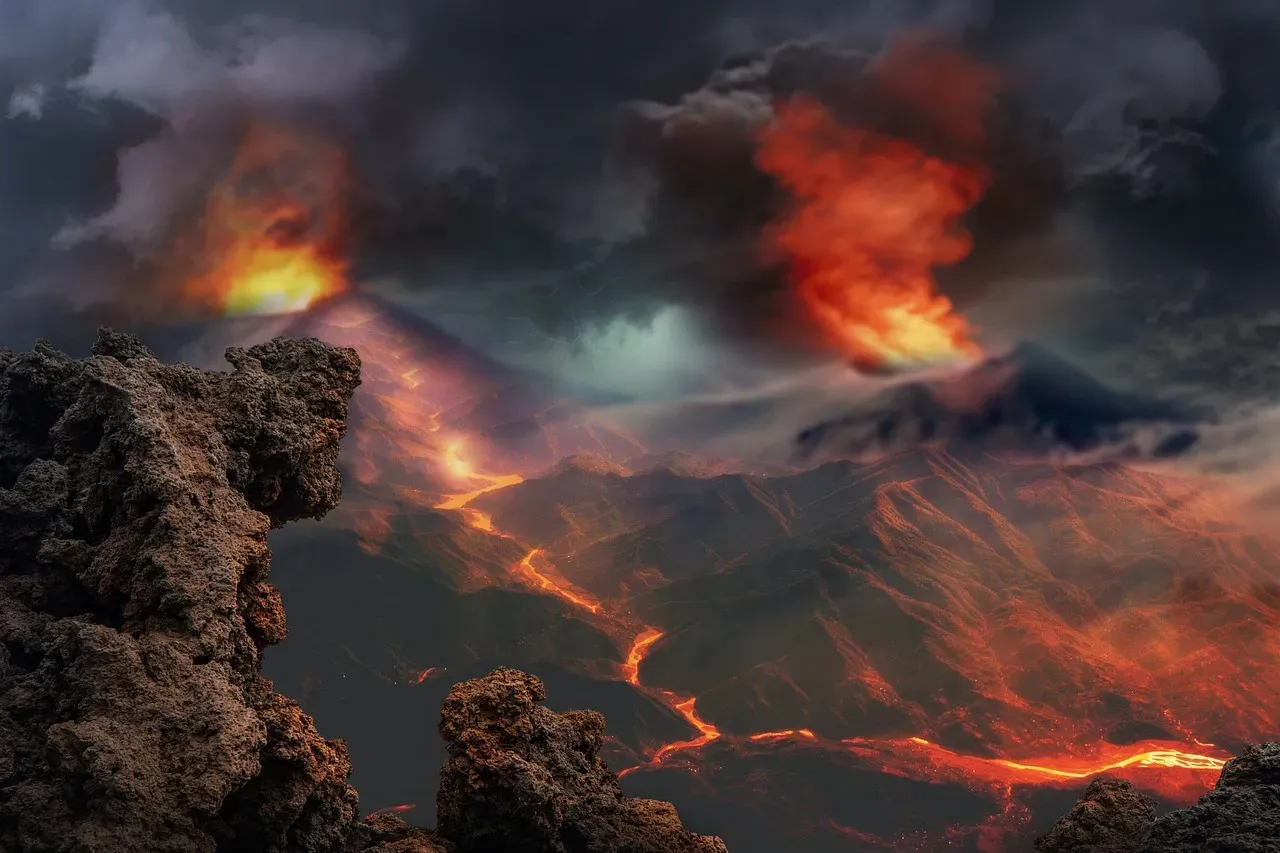
Volcanic activity is now considered a key driver of several mass extinctions, though not your typical explosive mountain eruptions. Instead, massive fissures in Earth’s crust ooze steady pulses of lava over hundreds of thousands of years, covering millions of square kilometers with molten rock. Picture enormous cracks splitting continents open, with lava pouring out continuously like blood from a wound.
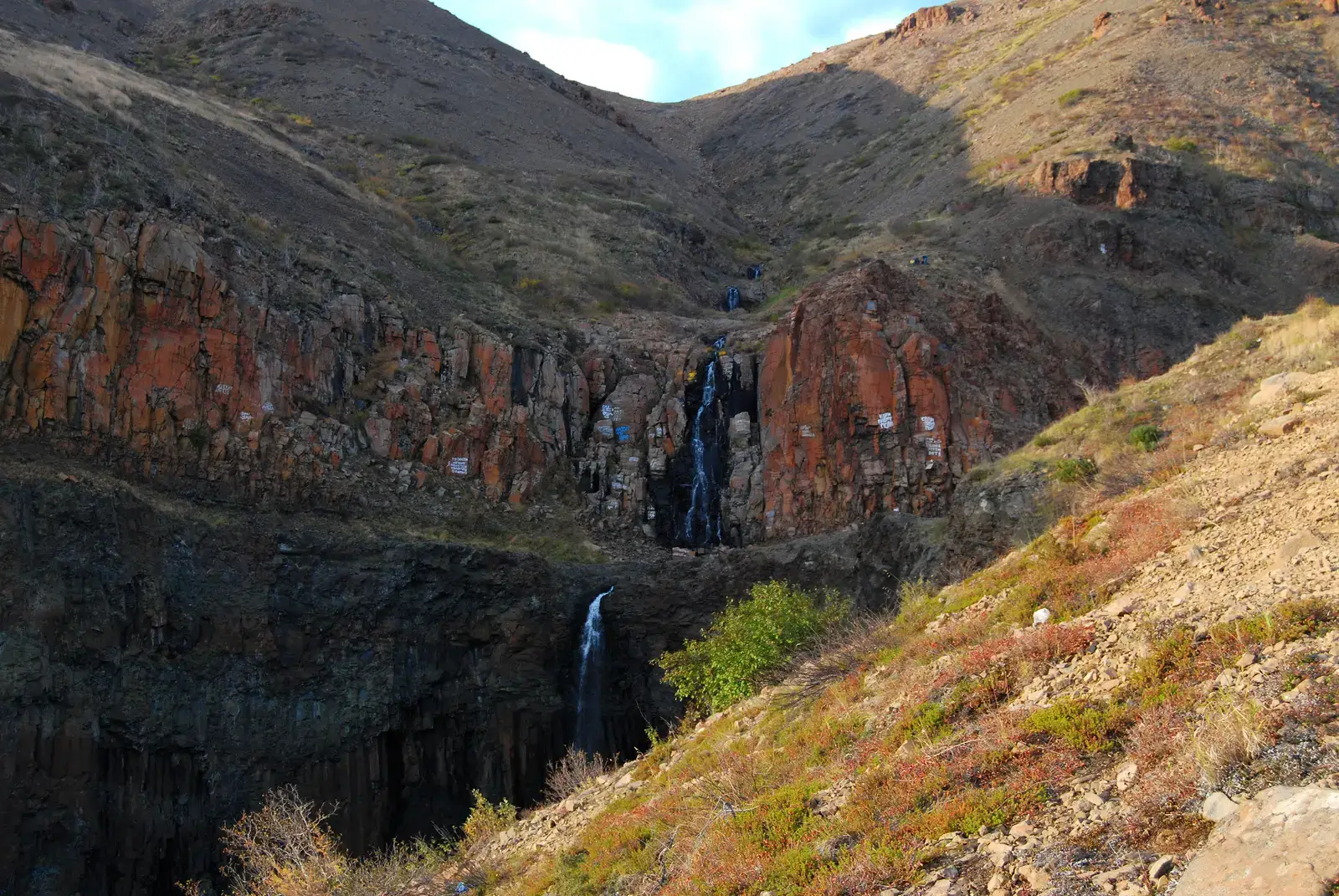
The eruptions linked to the end-Permian extinction, known as the Siberian Traps, left behind lava covering an area the size of Western Europe and more than a kilometer thick. Recent analysis concludes that most mass extinctions had one thing in common: they occurred after mega-eruptions that spewed volcanic lava and toxic gases for hundreds of thousands of years, some lasting as long as a million years. These weren’t brief geological hiccups. They were planetary transformations.
The Poisonous Blanket: How Volcanic Gases Choked the Planet
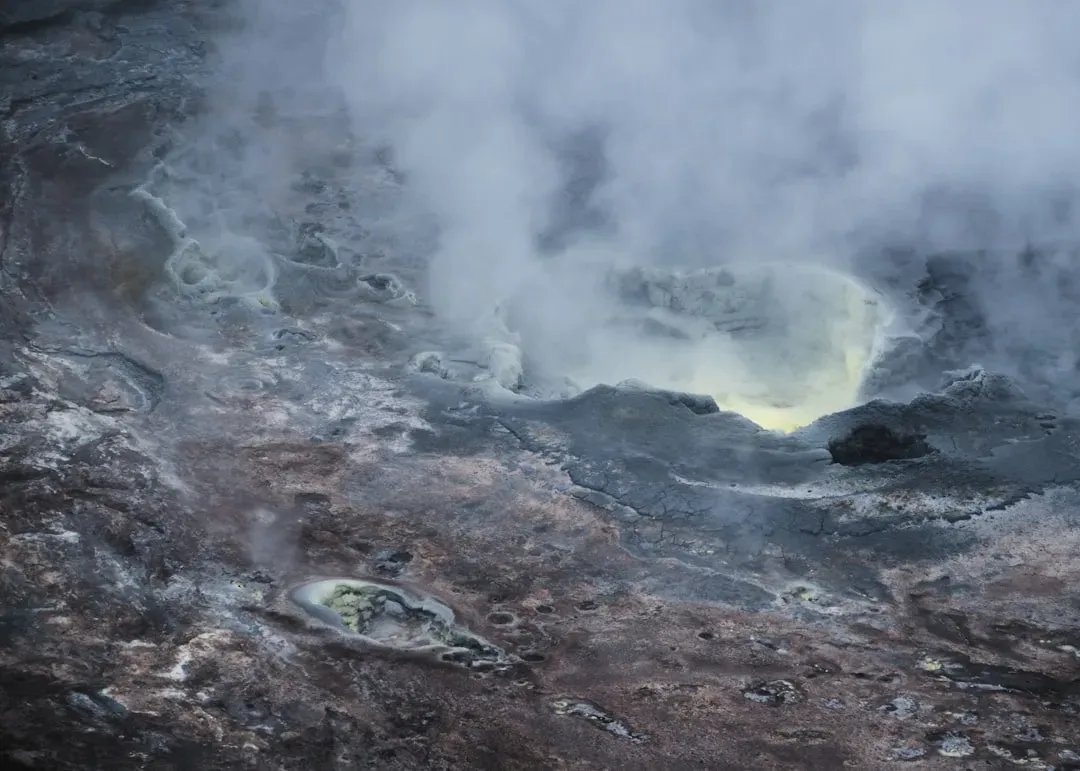
It wasn’t just the lava that killed everything. This slower, oozing volcanic activity caused extinctions through secondary effects, releasing greenhouse gases that warmed the planet, acidified oceans, and prevented corals from building reefs, disrupting marine ecosystems from the bottom up. The gases released during these eruptions fundamentally altered Earth’s atmosphere and oceans.
Volcanic eruptions ignited vast deposits of coal, releasing mercury vapor high into the atmosphere that eventually rained down globally, while spewing so much greenhouse gas material into the air that the planet warmed by an average of about 10 degrees Celsius, with the warming climate likely being one of the biggest culprits in mass extinction. That’s not a gradual change organisms could adapt to. That’s planetary chaos unfolding faster than evolution can respond.
Ocean Suffocation: When Waters Turn Deadly
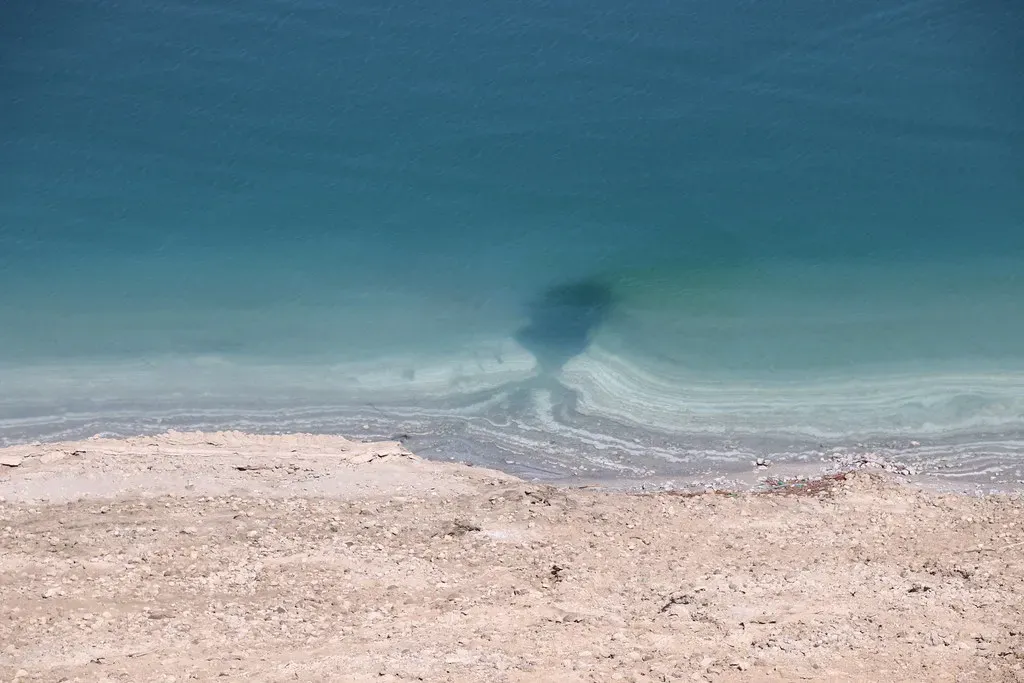
Anoxic events describe periods when large expanses of Earth’s oceans were depleted of dissolved oxygen, creating toxic waters, and these events coincided with several mass extinctions and may have contributed to them. The oceans didn’t just get warm. They became death traps. Imagine the water itself turning hostile to the very creatures that depend on it.
Research finds that low seawater oxygen concentrations are a major killer, with widespread anoxia associated with each of the past major mass extinctions. Studies paint a dire portrait of how anoxic conditions reduced seawater oxygen levels by 100-fold at the onset of mass extinctions, with oxygen levels then slowly rising and only returning to pre-extinction levels after 5 million years. Five million years. Let that sink in. That’s how long it took for Earth’s oceans to become livable again.
The Great Dying: Earth’s Worst Day
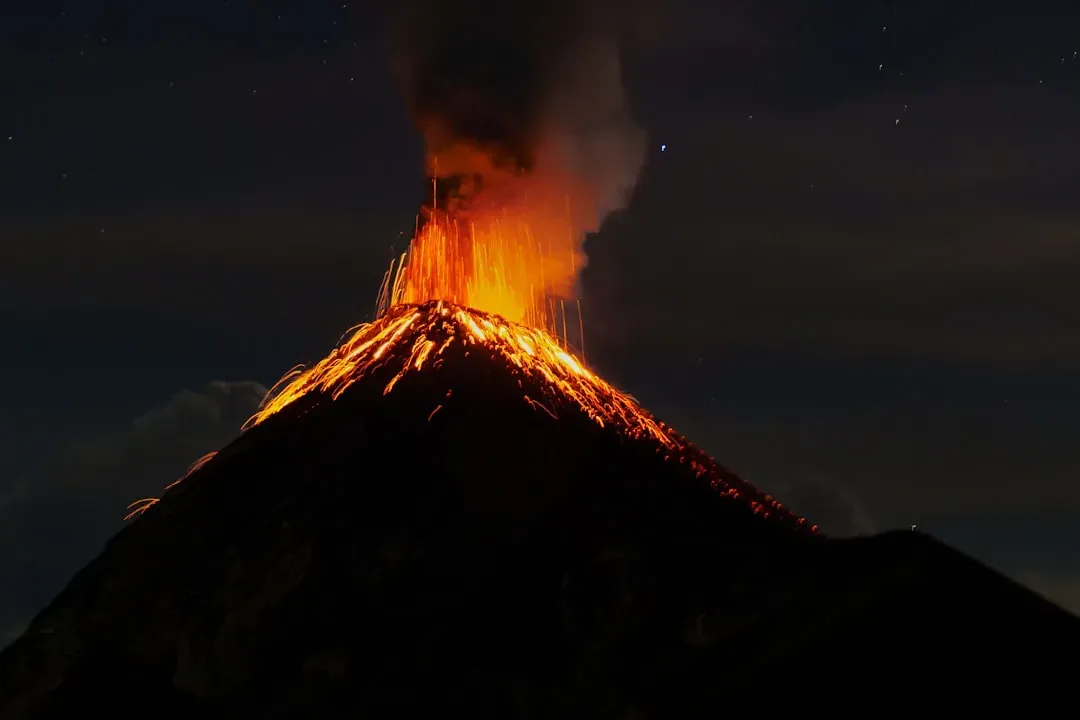
The Permian-Triassic extinction event, known as the Great Dying, occurred approximately 252 million years ago and was Earth’s most severe known extinction event, with the extinction of roughly 81 percent of marine species and 70 percent of terrestrial vertebrate species. Nearly everything died. You read that right. Nearly everything.
The scientific consensus is that the main cause of the extinction was flood basalt volcanic eruptions that created the Siberian Traps, which released sulfur dioxide and carbon dioxide, resulting in oxygen-starved, sulfurous oceans, elevated global temperatures, and acidified oceans. Huge volcanoes erupted, releasing 100,000 billion metric tons of carbon dioxide into the atmosphere, destabilizing the climate and the carbon cycle, leading to dramatic global warming, deoxygenated oceans, and mass extinction. It took millions of years for ecosystems to even begin recovering from this catastrophe.
Rapid Climate Swings: Too Fast for Life to Adapt
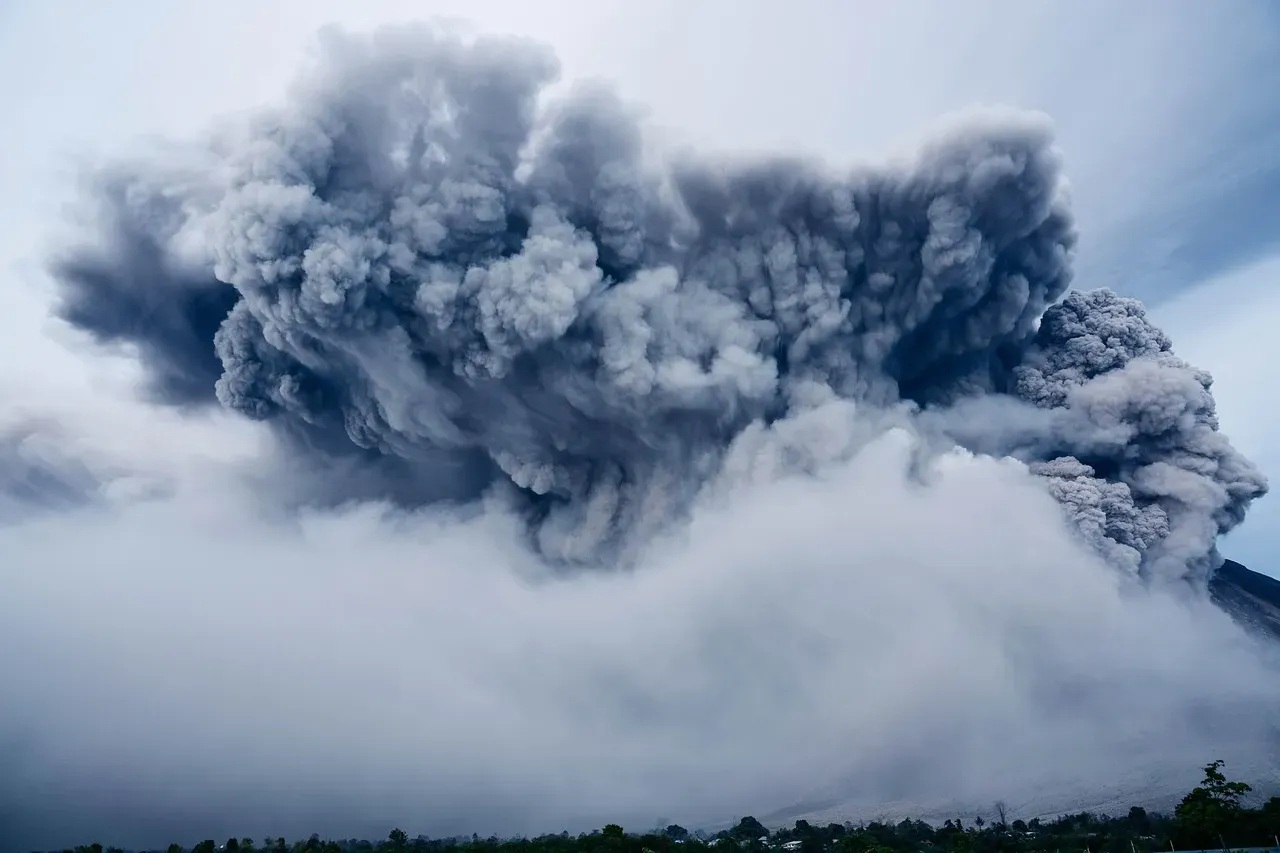
Mass extinctions seem to occur when multiple Earth systems are thrown off balance and when these changes happen rapidly, more quickly than organisms can evolve and ecological connections adjust. Speed matters. Evolution needs time. When conditions shift in geologic instants, species simply can’t keep pace with the changes around them.
Analysis of temperature and fossil records over the past 520 million years reveals that global warming is consistently associated with planetwide die-offs, with three major greenhouse phases coinciding with mass extinctions. Evidence suggests that initial volcanic eruptions doubled the amount of carbon dioxide in the atmosphere, which led to increased global temperatures and ocean acidification, and this happened quickly, probably not giving organisms much chance to adjust to the changes. The brutal truth is that gradual change allows adaptation. Rapid change brings extinction.
The Triassic Crisis: When Dinosaurs Inherited the Earth
The Triassic-Jurassic mass extinction that occurred 201 million years ago was caused by global warming and killed off 75 percent of all species, including the non-dinosaurian archosaurs, and after they disappeared, dinosaurs took their place and established their long-lasting terrestrial dynasty. Extinctions clear the stage for new players. The dinosaurs got their big break because other creatures couldn’t survive the heat.
These huge eruptions occurred during four periods over 600,000 years, but researchers using rare minerals found in igneous rocks were able to narrow down their margin of error to roughly 20,000 to 30,000 years, pegging the initial eruptions to just before the mass extinction event. The precision of modern dating techniques has removed any doubt about the connection. Volcanoes erupted, and shortly after, most life vanished. The correlation is undeniable.
Lessons from Deep Time: What Ancient Extinctions Tell Us Today
Humans are emitting greenhouse gases as fast as, or even faster than, the Siberian Traps did, and Earth’s climate is rapidly changing as a result, with mass extinctions showing us that sudden climate change can be profoundly disruptive. I know it sounds crazy, but we’re essentially recreating the conditions that caused the worst die-offs in planetary history. Right now. In real time.
By 2100, warming in the upper ocean will have approached 20 percent of warming in the late Permian under business-as-usual emissions scenarios, and by the year 2300 it will reach between 35 and 50 percent, with this study highlighting the potential for a mass extinction arising from a similar mechanism under anthropogenic climate change. The patterns from Earth’s worst moments keep repeating. Volcanic carbon dioxide. Rapid warming. Ocean suffocation. Species collapse. We’ve seen this movie before, and it doesn’t end well. What do you think about it? Tell us in the comments.