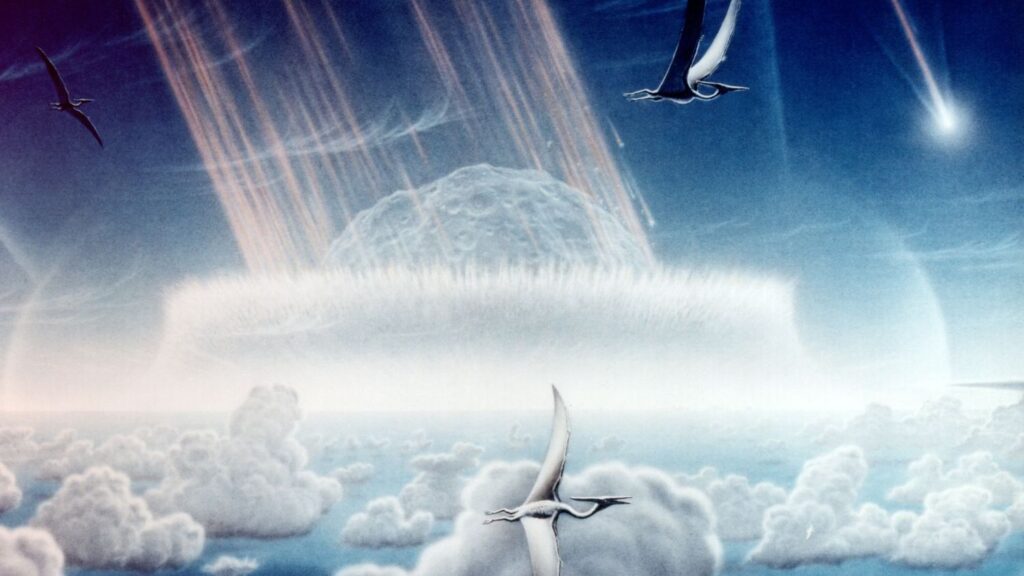
You’ve probably heard the story a thousand times. An asteroid slammed into Earth roughly 66 million years ago, and bam, the dinosaurs were history. It’s dramatic, it’s catastrophic, and honestly, it makes for a great headline. Yet if you dig a little deeper into the science, things start to look more complicated.
The truth is, the dinosaurs might have been struggling long before that infamous space rock showed up. There’s growing evidence that these ancient giants were dealing with a host of environmental and ecological challenges that weakened them over millions of years. Let’s be real, the asteroid may have been the final blow, but it wasn’t acting alone. So what else was happening during those last few million years of the Cretaceous? Let’s dive in.
The Roar of the Deccan Traps
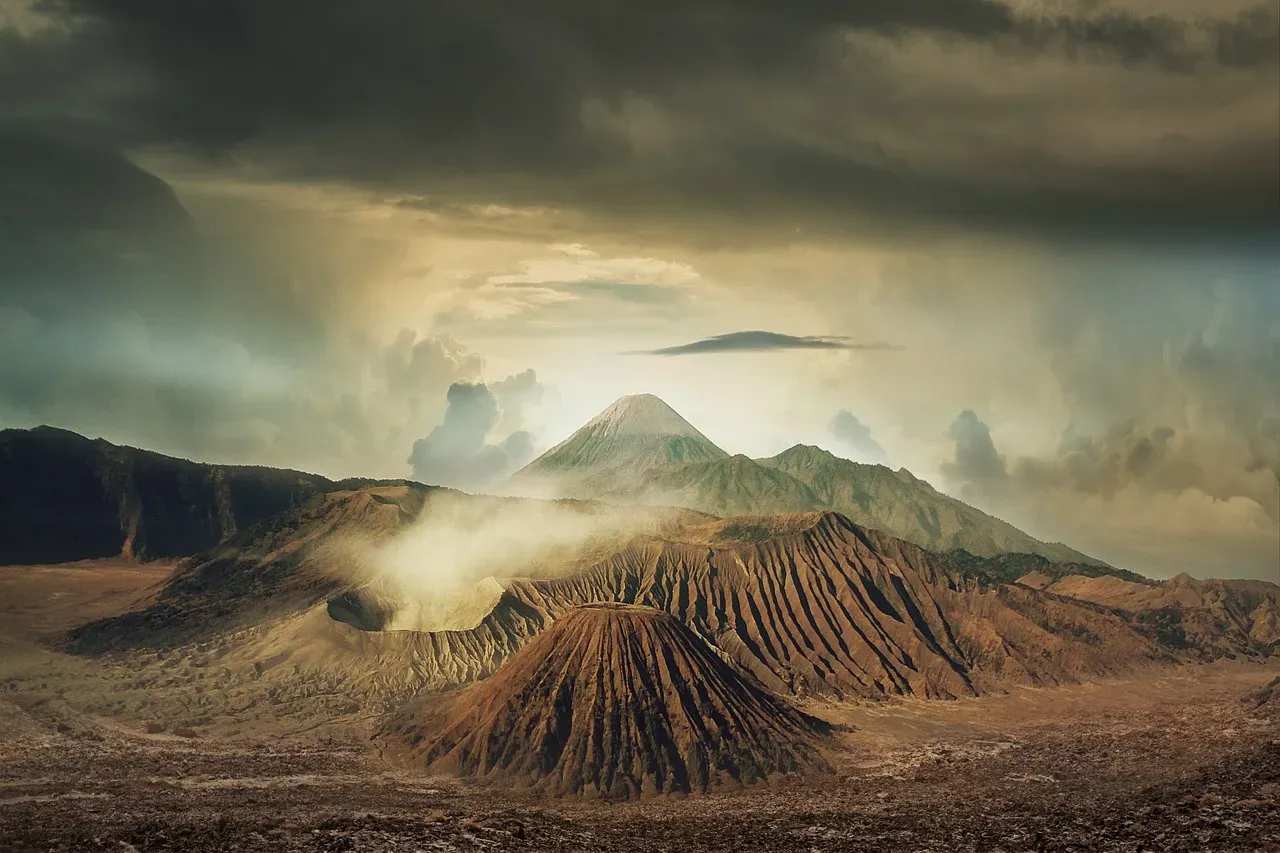
Picture this: massive volcanoes erupting across what is now western India, spewing out enough lava to cover an area the size of Texas. The Deccan Traps date back to around 66 million years ago, and in some parts, the volcanic layers are more than two kilometers thick, making this the second-largest volcanic eruption ever on land. These weren’t quick eruptions either. The eruptions occurred over a 600 to 800,000 year time period, spanning the boundary between the Cretaceous and Paleogene periods.
Volcanic activity of this magnitude would have spewed out huge amounts of carbon dioxide into the atmosphere, causing greenhouse warming, while also raising toxic gases like sulfur and chlorine, resulting in acid rain. Imagine the environment flipping between unbearably hot and freezing cold. That’s not exactly ideal living conditions for creatures already under stress. The eruptions could have injected massive amounts of greenhouse gases and particles into the atmosphere, changing Earth’s climate in ways that stressed out late Cretaceous life.
Climate Chaos Before the Impact
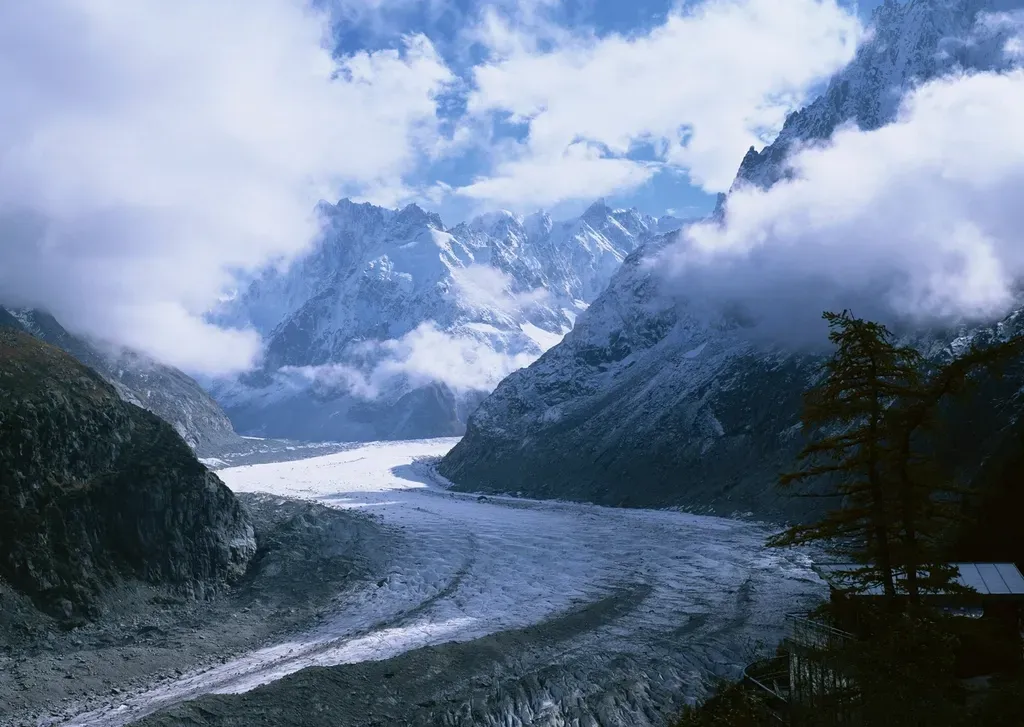
Even without volcanoes and asteroids, the climate during the Late Cretaceous was far from stable. The decline of dinosaurs was likely driven by global climate cooling and herbivorous diversity drop. Think about it: these animals had thrived in warm, tropical conditions for millions of years. Suddenly, temperatures started dropping. Long-term environmental changes likely made dinosaurs particularly prone to extinction because of a combination of global climate cooling, a drop in diversity of herbivorous dinosaurs, and age-dependent extinction.
Regional studies tell a similar story. As precipitation and temperature increased, the presence of dinosaur fossils gradually declined, and notably, during the last 0.4 million years of the Cretaceous period, no dinosaur fossils were discovered in the Shanyang Basin. You might wonder, couldn’t they just migrate? Well, maybe. Or maybe the changing climate simply eliminated the habitats they depended on faster than they could adapt.
When Sea Levels Play Musical Chairs
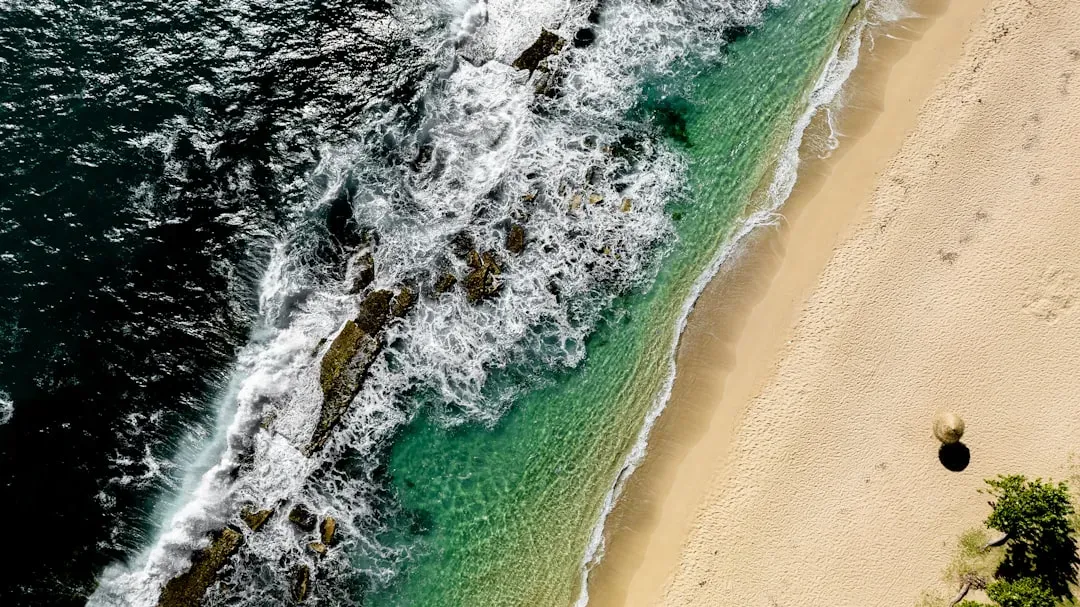
Here’s something you might not expect: the oceans had a lot to do with dinosaur survival. During the Late Cretaceous, sea levels were wildly fluctuating. Marine regression resulted in the loss of epeiric seas, such as the Western Interior Seaway of North America, and the loss of these seas greatly altered habitats, removing coastal plains that had hosted diverse communities. These shallow inland seas weren’t just pretty scenery. They created unique ecosystems and influenced weather patterns across entire continents.
The regression would have caused climate changes, partly by disrupting winds and ocean currents and partly by reducing Earth’s albedo and increasing global temperatures. When you mess with ocean currents, you mess with climate. And when you mess with climate, you mess with food chains. It’s hard to say for sure how much sea level changes contributed to the dinosaurs’ troubles, as some analyses rule out the hypothesis of an effect of sea-level fluctuations. Still, the impact on coastal habitats was undeniable.
A Biodiversity Crisis in the Making
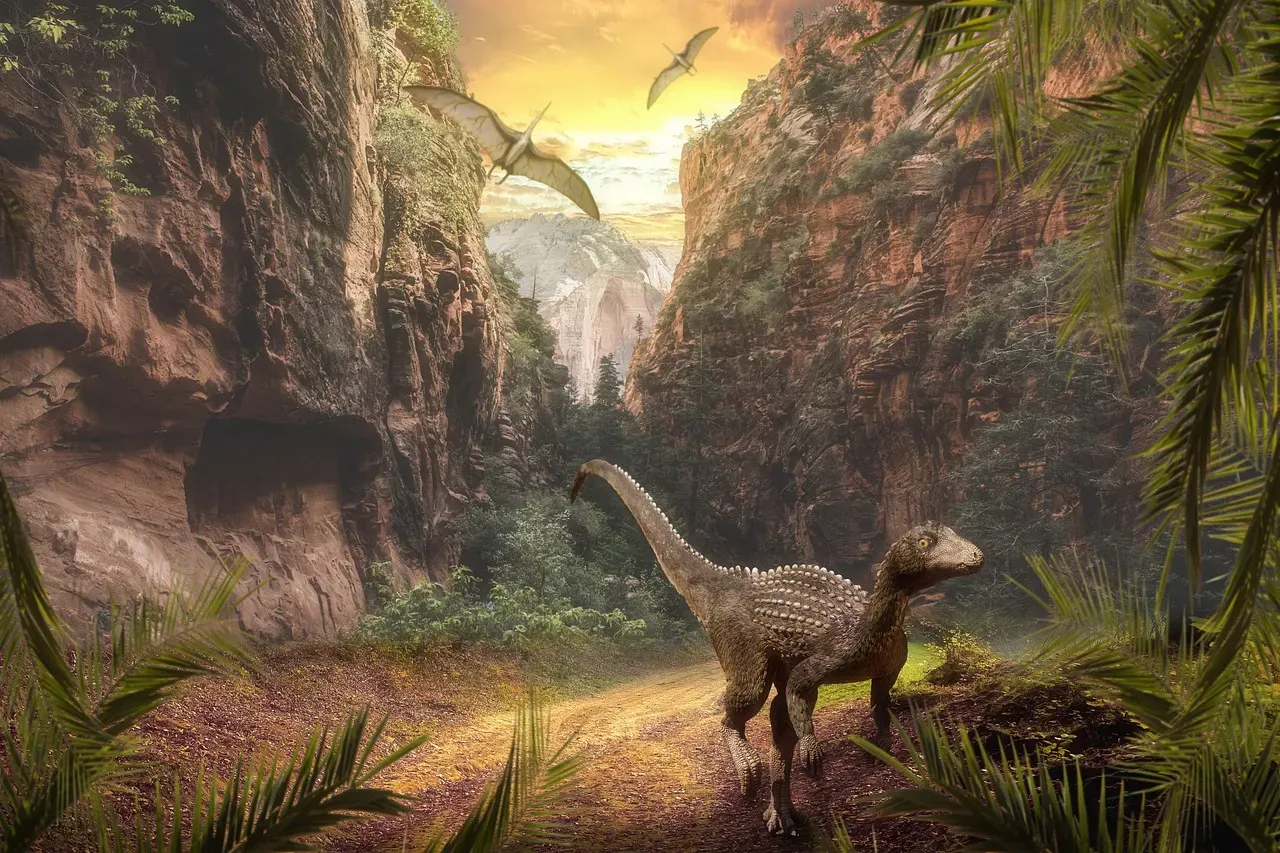
Let’s talk numbers for a moment. Dinosaurs began to decline well before the extinction due to both a marked increase of extinction from the late Campanian onwards and a decrease in their ability to replace extinct species. In other words, dinosaurs weren’t bouncing back from losses like they used to. New species weren’t evolving fast enough to replace the ones that were dying out. That’s a recipe for disaster.
Six major dinosaur families were already in decline in the preceding 10 million years, possibly due to global cooling and competition among herbivores. Honestly, when your diversity is plummeting and new competitors are emerging, you’re already on shaky ground. The asteroid didn’t create this problem; it just exploited an existing weakness.
The Food Chain Falling Apart
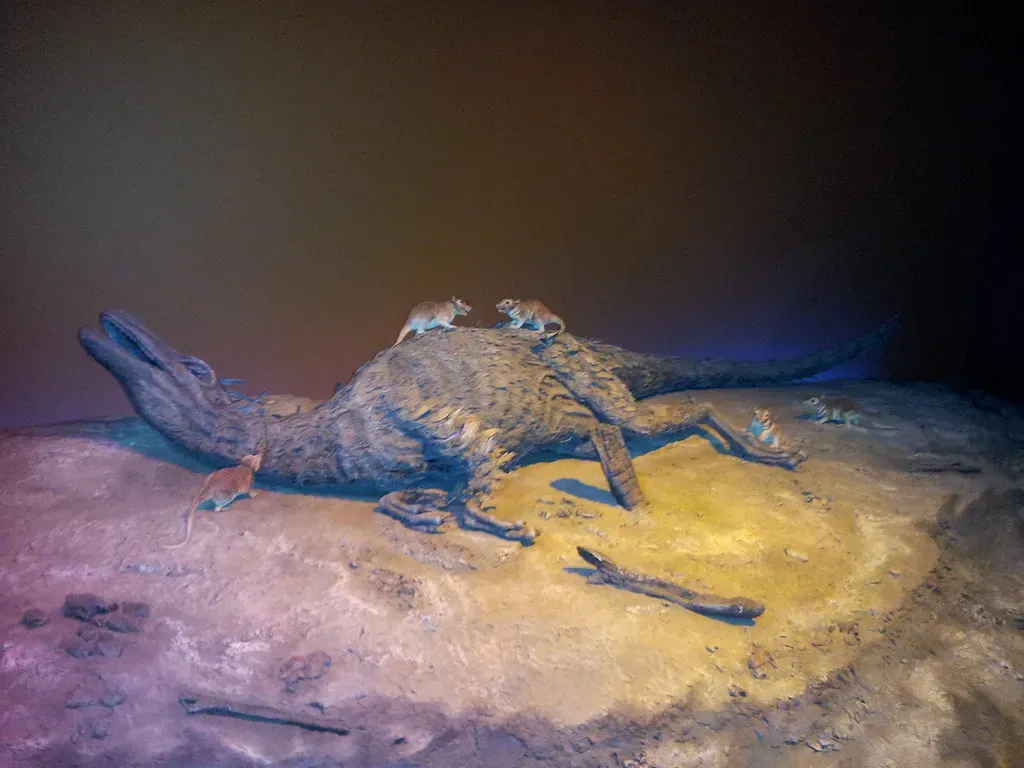
Think of ecosystems like a house of cards. Remove one card, and the whole thing can collapse. During the Late Cretaceous, herbivorous dinosaurs were losing ground. The decline of dinosaurs was driven by herbivorous diversity drop, likely due to hadrosaurs outcompeting other herbivores. When one group dominates, biodiversity suffers.
Here’s the thing: herbivores are the foundation of the food chain. If they struggle, carnivores struggle too. There simply weren’t enough different types of plant eaters to sustain the massive predators like Tyrannosaurus rex. Dinosaurs, as the largest vertebrates, were the first affected by environmental changes, and their diversity declined, while volcanism cooled and dried areas of the globe, then an impact event caused collapses in photosynthesis-based food chains. It was a cascading crisis.
The Evolutionary Dead End
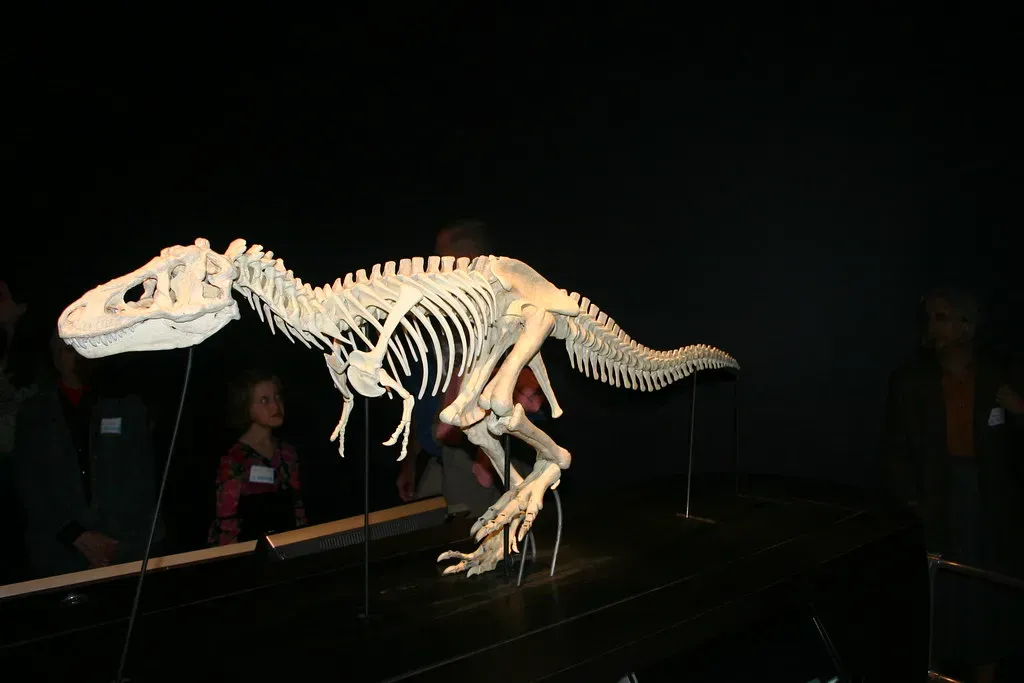
Sometimes evolution just hits a wall. Extinction risk was related to species age during the decline, suggesting a lack of evolutionary novelty or adaptation to changing environments. In simpler terms, dinosaurs may have stopped innovating. They’d been around for roughly 170 million years, doing just fine with their tried-and-true body plans. Then the world changed faster than they could keep up.
There was a lack of evolutionary novelty, such as morphological disparity, niche packing, or adaptation to a changing environment for non-avian dinosaurs in the last 10 million years before the asteroid impact. You might say they were stuck in their ways. Meanwhile, mammals and birds were evolving rapidly, experimenting with new forms and behaviors. When the big catastrophe hit, the dinosaurs simply didn’t have the flexibility to survive.
Disease and Stress in Dinosaur Populations
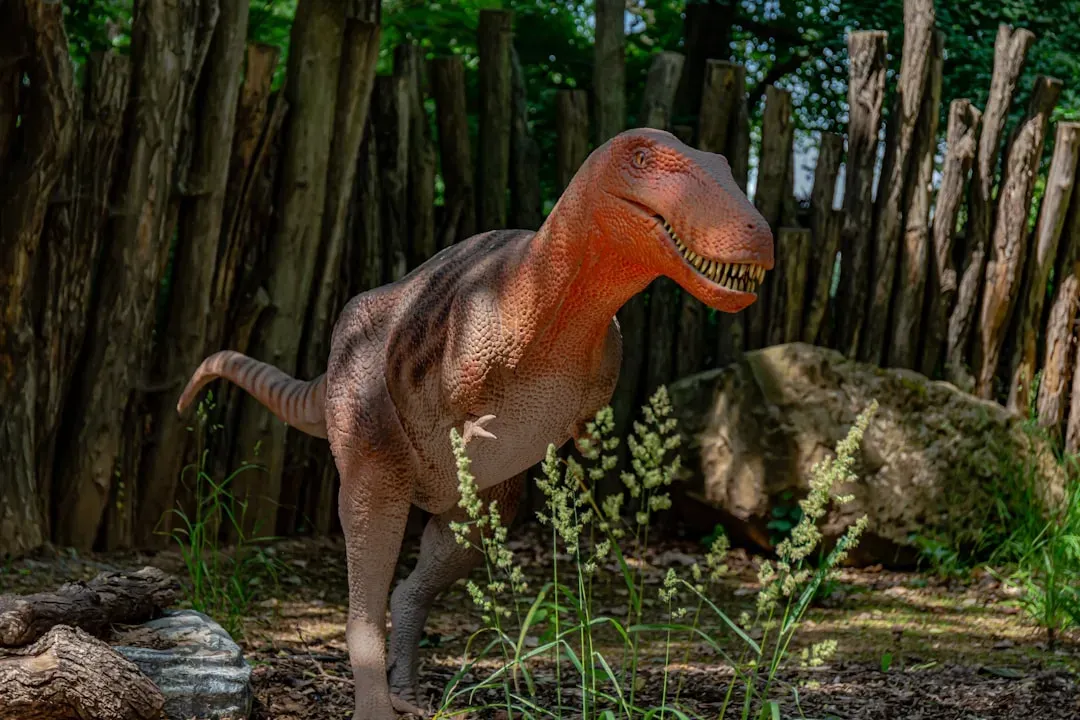
We don’t often think about dinosaurs getting sick, but they absolutely did. Scientists identified evidence of diseases in three species of abelisaurid dinosaurs from Patagonia at the end of the Cretaceous period, and the study revealed new details about the health conditions of these extinct reptiles. Infections, fractures, and other pathologies weren’t uncommon. Some groups of theropod dinosaurs presented bite marks with infections, suggesting aggressive intraspecific social behavior, while in other cases, high presence of fractures in hind limb bones would indicate an active lifestyle.
I know it sounds crazy, but imagine an already stressed population dealing with disease outbreaks. A study showed that 65 million year old mosquitos carried malaria, which may have killed off populations in their droves. We can’t prove disease was a major extinction driver, but combined with everything else, it certainly didn’t help. Weakened, sick animals are less likely to survive environmental catastrophes.
Conclusion
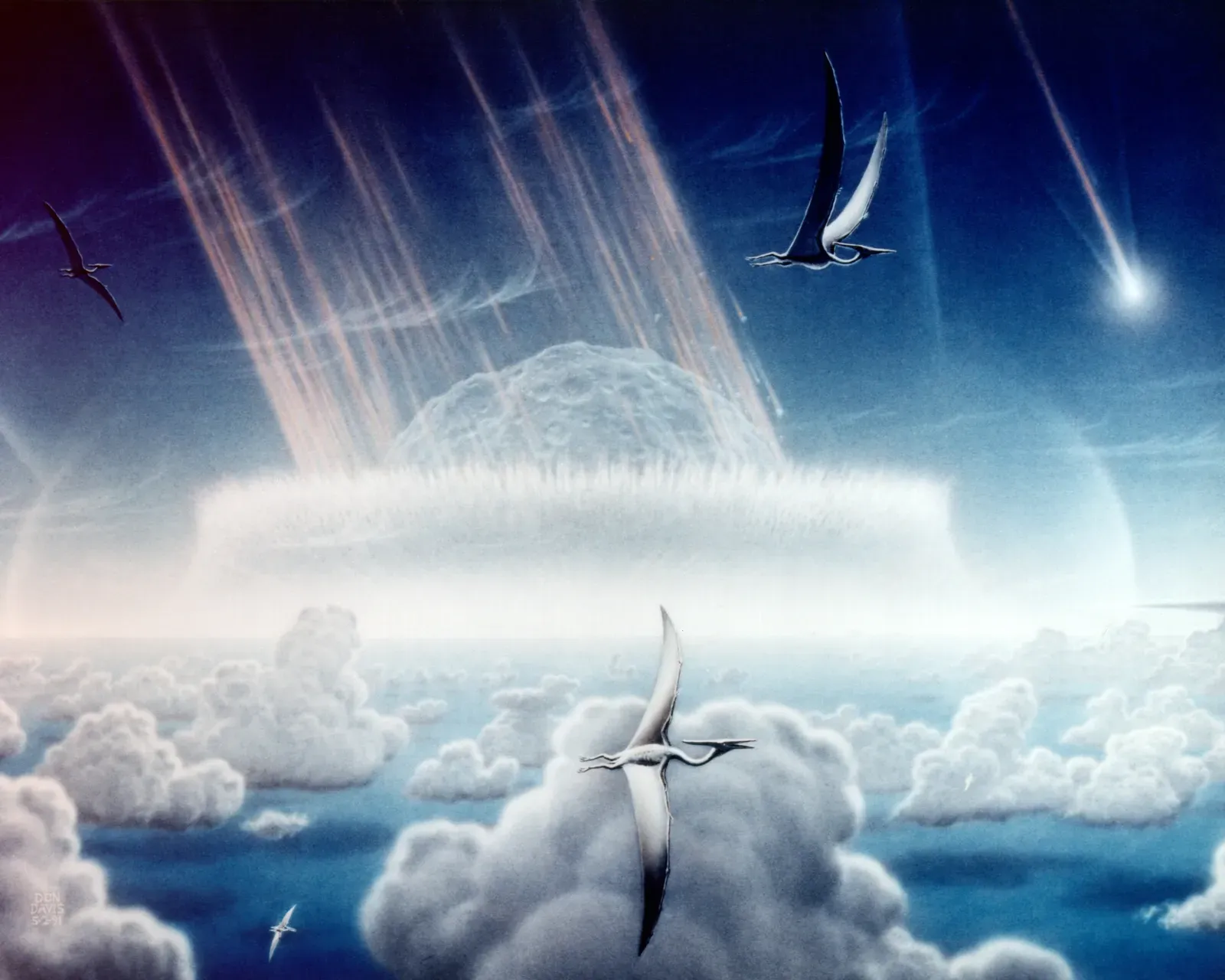
So here’s where we land. The asteroid impact 66 million years ago was undeniably catastrophic, but calling it the sole killer of the dinosaurs oversimplifies a far more complex story. These magnificent creatures were battling volcanic eruptions, climate instability, collapsing ecosystems, declining biodiversity, and possibly even disease for millions of years before that final blow.
The asteroid may have sealed their fate, but it walked into a world where dinosaurs were already on the ropes. It’s a sobering reminder that extinction is rarely simple and almost never instant. Complex environmental pressures build up over time, weakening even the most dominant species. What do you think about it? Tell us in the comments.