Think you know everything about dinosaurs? The massive creatures stomping around millions of years ago might be far more complex than you’ve ever imagined. For decades, our understanding of these ancient beings has been limited to fossilized skeletons and educated guesses. We pictured them as lumbering, scaly monsters with little intelligence or social awareness.
Here’s the thing, though. Recent scientific discoveries are completely rewriting that story. New technologies and fossil findings are revealing astonishing details about how dinosaurs actually lived, communicated, and raised their families. What we’re learning goes way beyond just bones and teeth. Let’s dive into the most groundbreaking revelations that are transforming our entire perspective on dinosaur behavior.
They Formed Complex Social Herds Much Earlier Than We Thought
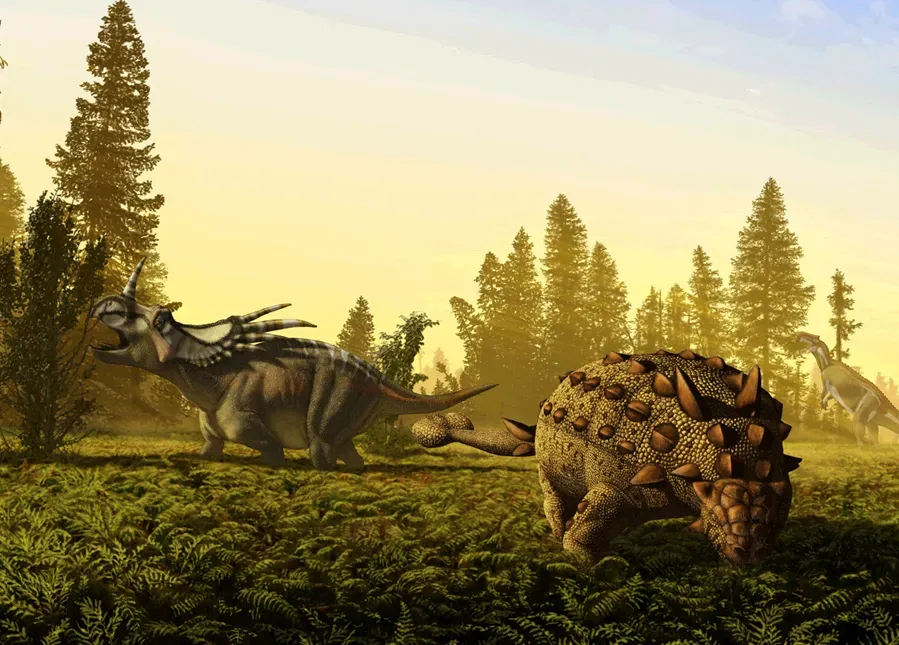
You might be surprised to learn that dinosaurs showed signs of complex herd behavior as early as 193 million years ago, which is roughly 40 million years earlier than other records of dinosaur herding. This discovery changes everything we thought about early dinosaur social structures.
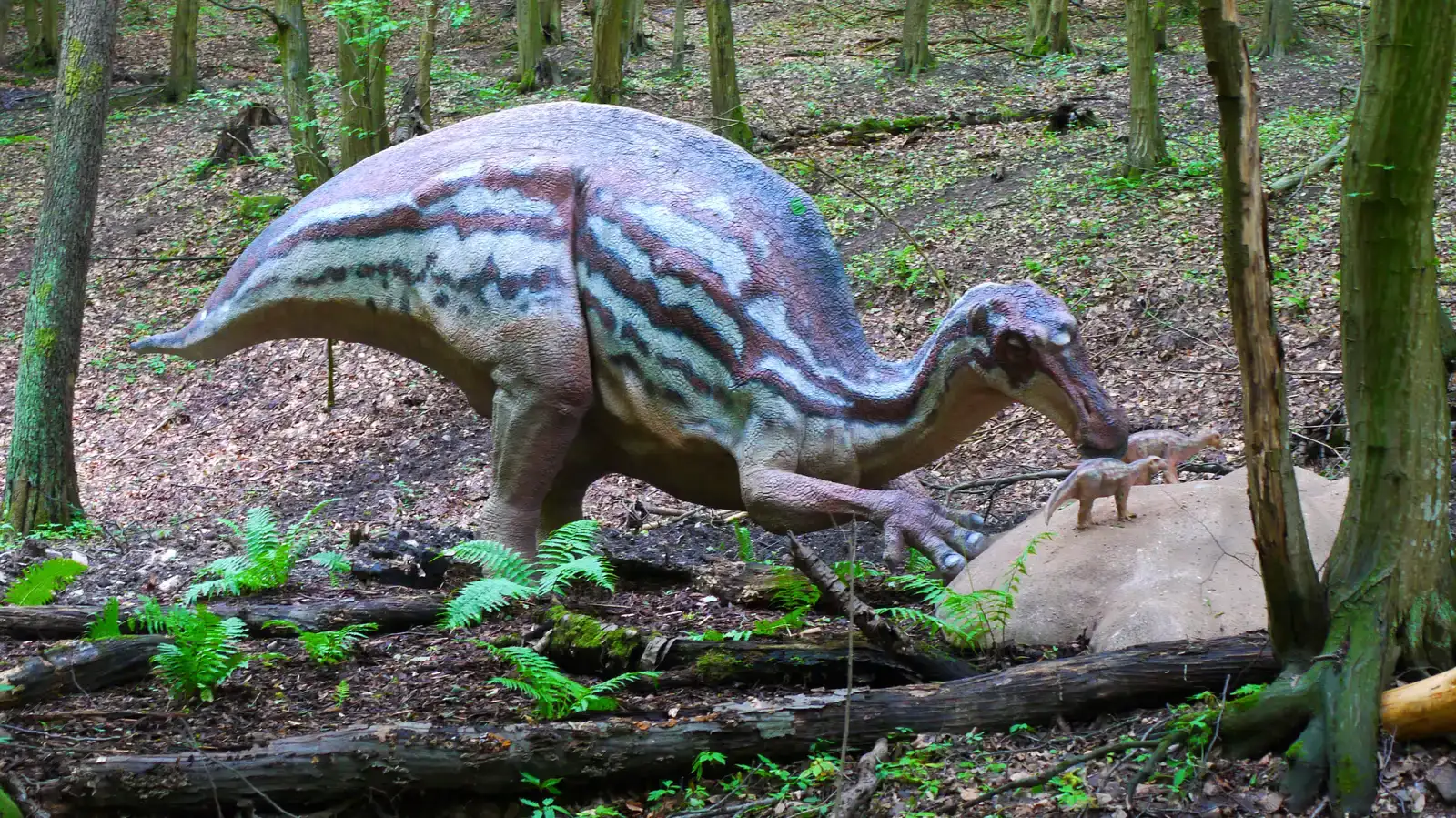
Scientists uncovered an exceptional fossil occurrence from Patagonia that includes over 100 eggs and skeletal specimens of 80 individuals of the early sauropodomorph Mussaurus patagonicus, with most specimens found in a restricted area and articulated skeletons grouped in clusters of individuals of approximately the same age. That age segregation is absolutely fascinating. The dinosaurs likely worked as a community, laying their eggs in a common nesting ground, with juveniles congregated in schools while adults roamed and foraged for the herd.
Think about what this means. These weren’t solitary creatures just wandering aimlessly. There was a larger community structure, where adults shared and took part in raising the whole community, dating back to around 193 million years ago during the early Jurassic period. This kind of cooperative behavior suggests intelligence and social bonds that were previously unimaginable for creatures this ancient.
Dinosaur Skin Colors Are No Longer a Mystery
For generations, artists and filmmakers had to guess what colors dinosaurs might have been. Those days are officially over. Scientists have for the first time detected the original coloring of dinosaurs and early birds using a new technique that identifies fossilized cell pigments, describing fossilized melanosomes which contain melanin, a group of pigment compounds in skin, fur, and feathers.
Paleontologists studied a well-preserved skeleton of Anchiornis and found melanosomes within its fossilized feathers, revealing that Anchiornis had black, white and grey feathers all over its body and a crest of dark red or ochre feathers on its head. Honestly, it’s hard to wrap your head around seeing actual prehistoric colors preserved for millions of years. Recent findings even documented evidence of melanosomes preserved in the fossilized integument of juvenile sauropods, probably attributable to Diplodocus, with morphology and distribution suggesting these individuals may have exhibited non-uniform skin coloration, possibly with a mottled appearance and darker pigmentation consistent with tones ranging from gray to brown or black.
What’s even cooler? Examination of melanosomes preserved in the integument of a specimen of Psittacosaurus indicated that the animal was countershaded, with stripes and spots on the limbs for disruptive coloration, similar to that of many modern species of forest-dwelling deer and antelope and may be due to a preference for a densely forested habitat with low light. This tells us not just what they looked like, but where and how they lived.
Their Vocalizations Were Nothing Like Movie Roars
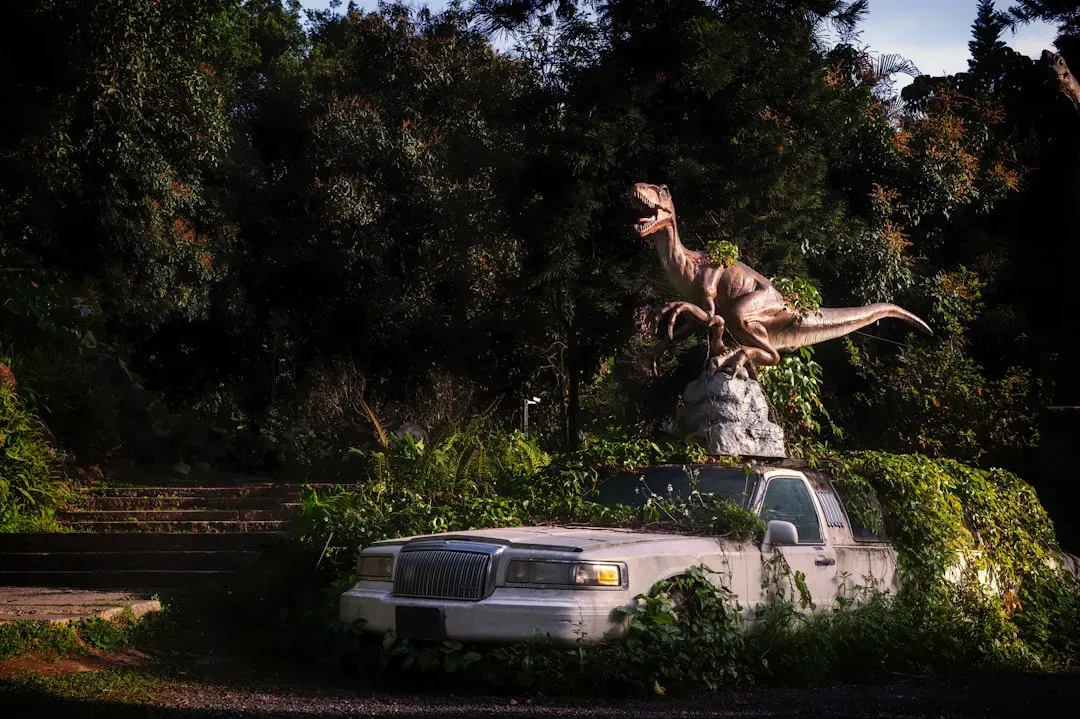
Sorry to burst your bubble, but the terrifying roars from Jurassic Park probably never happened. Current evidence supports that Tyrannosaurus rex made closed-mouth vocalizations, yet in the films the Tyrannosaurus opens its mouth every time it roars. The reality is quite different and, I think, even more intriguing.
The earliest larynx discovered in fossil dinosaurs from ankylosaur Pinacosaurus grangeri indicates that non-avian dinosaurs may have had bird-like vocalization, with the larynx specialized with a firm and kinetic cricoid-arytenoid joint as a possible vocal modifier like birds rather than vocal source like non-avian reptiles, and although bird-unique vocal source syrinx have never been reported in non-avian dinosaurs, Pinacosaurus could have employed bird-like vocalization with the bird-like large, kinetic larynx.
Rather than roaring with open mouths, many dinosaurs likely produced low-frequency, closed-mouth sounds. The dinosaur apparently emitted a resonating low-frequency rumbling sound that can change in pitch, with each Parasaurolophus probably having a voice that was distinctive enough to not only distinguish it from other dinosaurs, but from other Parasaurolophuses. Picture something more like a deep boom or hum echoing across prehistoric landscapes, allowing them to communicate over vast distances.
Parental Care Was Surprisingly Sophisticated
The Citipati osmolskae fossil dubbed Big Mama was a 75-million-year-old oviraptorid that was uncovered brooding on a nest of eggs, with the dinosaur caught in the act, curled up on its nest. This single fossil changed how we understand dinosaur parenting forever.
Different species took wildly different approaches to raising their young. Oviraptorids laid two eggs at a time in a clutch of 30 or more, meaning that the mother would have to stay with or at least return to the nest, lay her pair of eggs, arrange them carefully in the circle, and bury them appropriately every day for two weeks to a month. That’s dedication. Fossil evidence reveals communal nesting with up to 14 nests clustered together showcasing significant parental investment and social behavior, indicating that Maiasaura engaged in social structures previously unrecognized in dinosaurs.
Yet not all dinosaurs were doting parents. Long-necked dinosaurs buried their eggs carefully, but like turtles the evidence points to little further care, a strategy of lay them and leave them. The variety in parenting strategies shows just how diverse and adaptable these creatures truly were.
Mating Displays Were Elaborate and Competitive
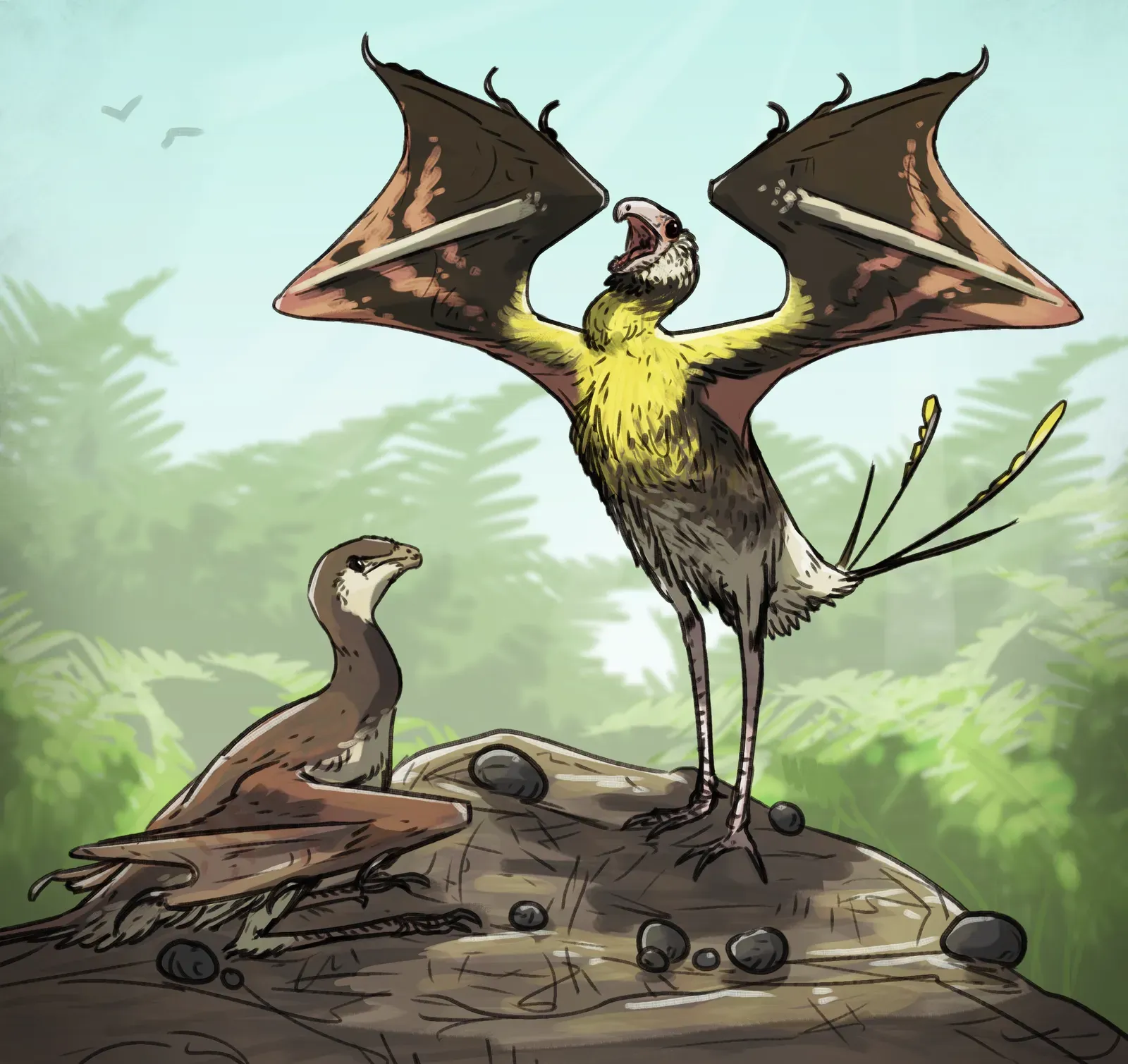
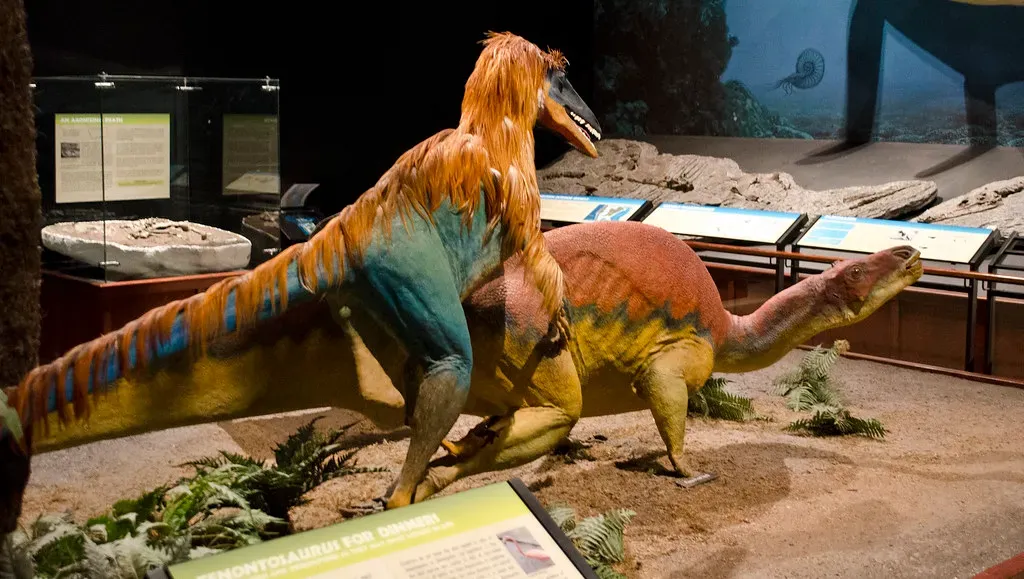
Dinosaurs weren’t just about survival. They had style. Recent reports discovered new mating display scrapes of theropods from the Cenomanian strata of the Dakota Sandstone at Dinosaur Ridge in Colorado, and interpret the site preserving the studied traces as likely to be a lek site. Leks are communal mating grounds where males gather to show off and compete for female attention.
Fossils show that a Triceratops relative Protoceratops andrewsi developed larger frills and cheek horns as it matured, suggesting that these decorations helped the species communicate and possibly catch the attention of mates. Just like peacocks flaunt their tail feathers today, dinosaurs likely used their distinctive features to attract partners. The horns, frills, and crests weren’t just for defense or intimidation. They were billboard advertisements saying “pick me” during mating season. This reveals a level of social complexity and competition that rivals what we see in many modern animals.
Embryos Reveal Stunning Developmental Similarities to Birds
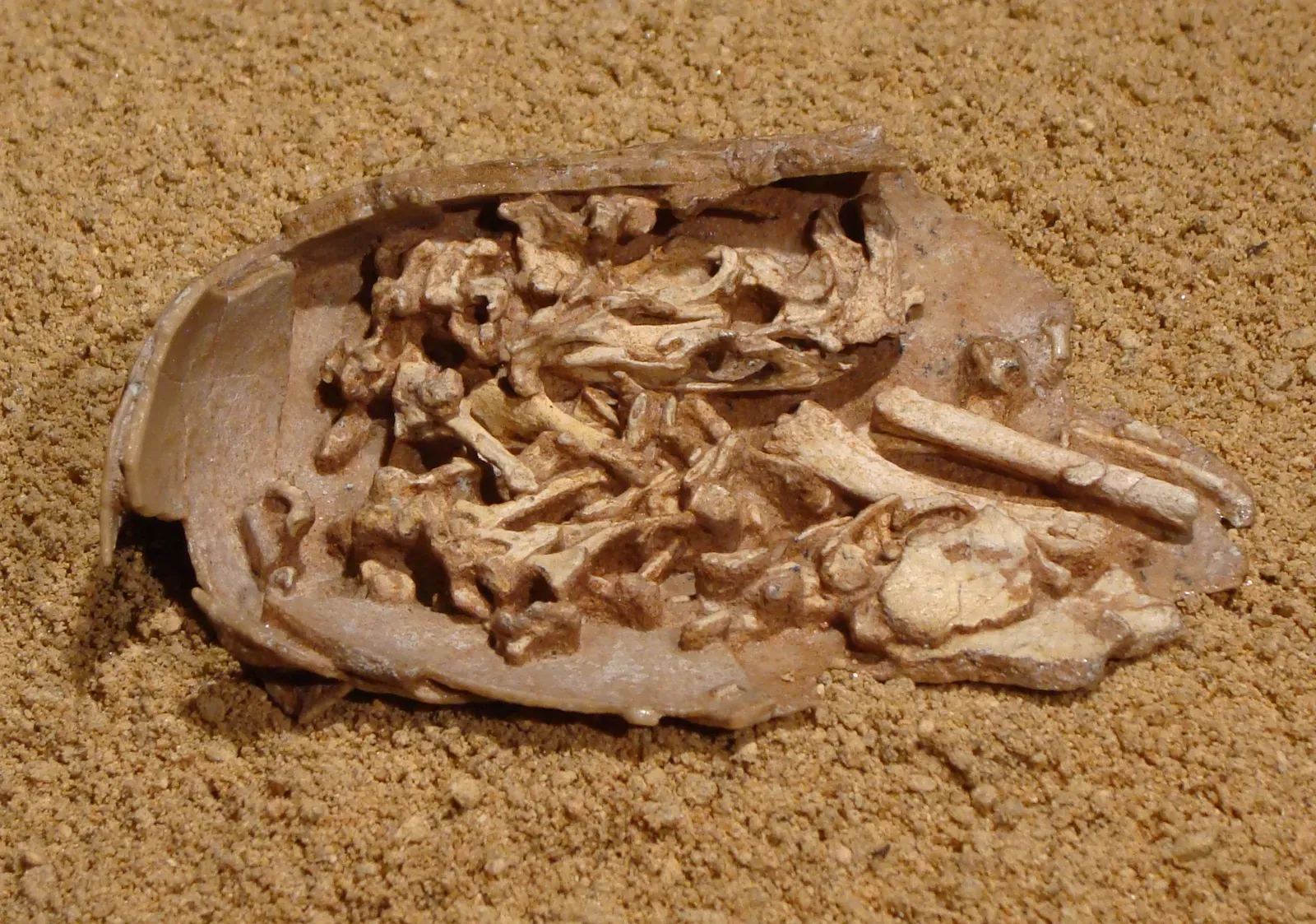
Finding fossilized dinosaur eggs is rare enough. Finding intact embryos inside them? That’s practically a paleontological lottery win. When fossils discovered in 2000 were reexamined nearly 20 years later, minute amounts of fossilized bone were visible on cracks in an egg, and when opened the fossilized remains of a developed embryo were uncovered within, with finding an intact fossilized dinosaur egg being rare and finding a dinosaur egg with an intact embryo being rarer, and before this discovery only eight species of dinosaurs have yielded fossilized embryos.
Modern reptile and bird embryos maintain different postures during development in eggs, and Baby Yingliang’s embryo more closely resembles postures found in modern bird eggs, with this embryonic position known as tucking being crucial for a young bird’s survival during hatching as the embryo positions itself to break through its eggshell with the use of its mouth, and the Ganzhou findings also suggest that the movement of bird embryos within an eggshell was originally a behavior that developed in non-avian theropods and was likely present within this entire branch of the dinosaur family tree. This directly connects dinosaurs to their modern descendants in ways that skeletal fossils alone never could. The embryos are literally frozen in positions that mirror what happens inside bird eggs today.
Dinosaur Eggs Came in Two Types: Hard and Soft-Shelled
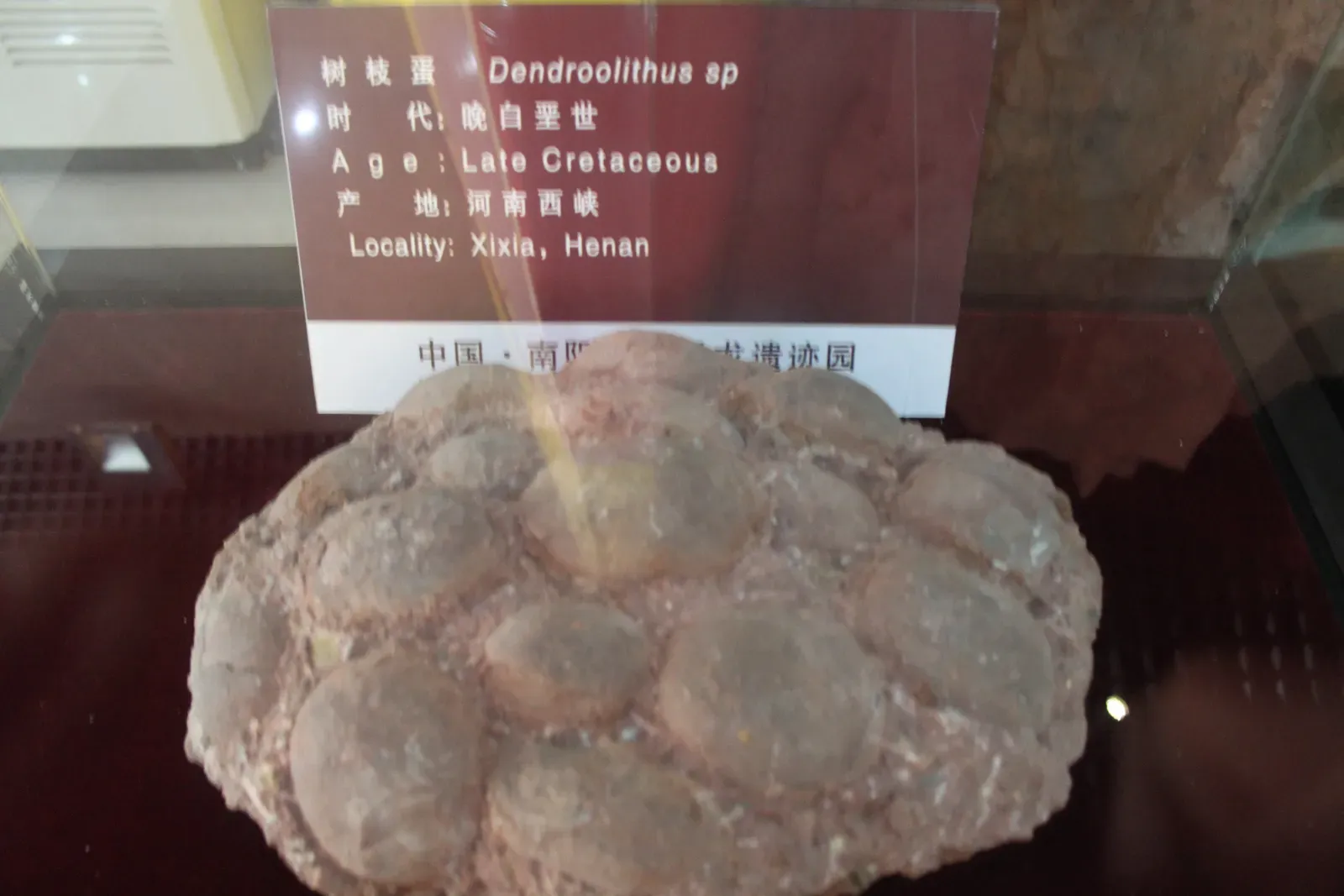
For more than a century most paleontologists hypothesized that all dinosaurs laid hard-shelled eggs, an assumption that seemed safe because the closest living relatives of dinosaurs, crocodilians and birds, also lay hard-shelled eggs, but in 2020 that assumption was completely overturned. Let’s be real, this discovery shocked the scientific community.
A recent study found that some dinosaurs like the 73 million-year-old horned dinosaur Protoceratops and the 215 million-year-old long-necked dinosaur Mussaurus laid soft-shelled eggs similar to the leathery eggs of some modern reptiles, with the paper proposing the unexpected idea that all dinosaurs originally initially laid soft-shelled eggs. This changes everything about how we understand dinosaur reproduction and nesting behavior.
The soft eggs that Protoceratops and Mussaurus would have laid had to be covered so they wouldn’t dry out but were too thin to support the weight of a parent, meaning the dinosaurs that laid soft-shelled eggs would have made nests to cover their hatchlings-to-be but probably didn’t do anything more than watch over the nest area. Different egg types meant dramatically different parenting strategies. Some dinosaurs could sit directly on their nests like modern birds, while others had to bury their eggs and hope for the best. This revelation explains why some dinosaur eggs are so difficult to find in the fossil record.
Conclusion
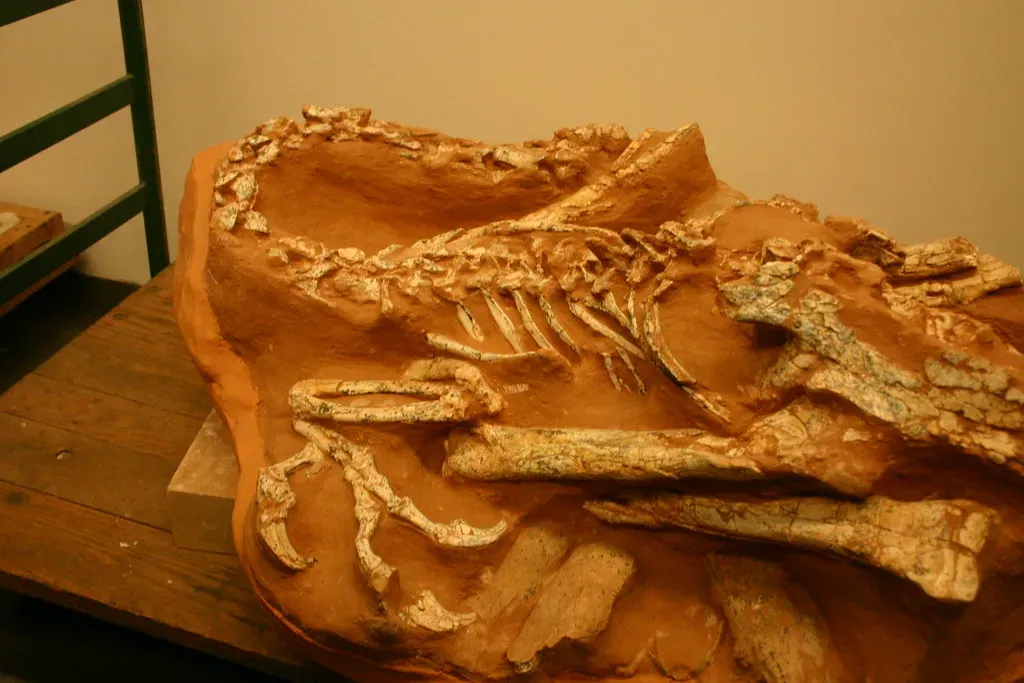
These seven breakthroughs represent just the beginning of what we’re learning about dinosaur behavior. Around 1,400 dinosaur species are now known from more than 90 countries with the rate of discovery accelerating in the last two decades, and 2025 has so far seen the discovery of 44 new dinosaur species, nearly one a week. Each new fossil and technological advancement brings us closer to understanding the rich, complex lives these creatures lived millions of years ago.
From their vibrant colors and sophisticated social structures to their varied parenting styles and birdlike vocalizations, dinosaurs were far more nuanced than the simple movie monsters we grew up with. They cared for their young, communicated across vast distances, competed for mates, and lived in organized communities. The prehistoric world was noisy, colorful, and teeming with behaviors that would feel surprisingly familiar if we could witness them today. What other secrets are still buried beneath our feet, waiting to rewrite everything we thought we knew?