Picture a world where giants ruled the land. Not dinosaurs, but something closer to our own time. Something you could have witnessed if you’d been born just twelve thousand years earlier. North America wasn’t always home to deer and coyotes. It once belonged to beasts so massive, so strange, that they’d make today’s wildlife look ordinary.
Think woolly mammoths trudging through snow. Massive cats with teeth like daggers. Bears taller than any building you’d dare approach. These weren’t fantasy creatures. They lived here, right beneath our feet, leaving behind bones and stories that still fascinate us. So let’s get started.
The Woolly Mammoth: Giants of the Northern Steppes
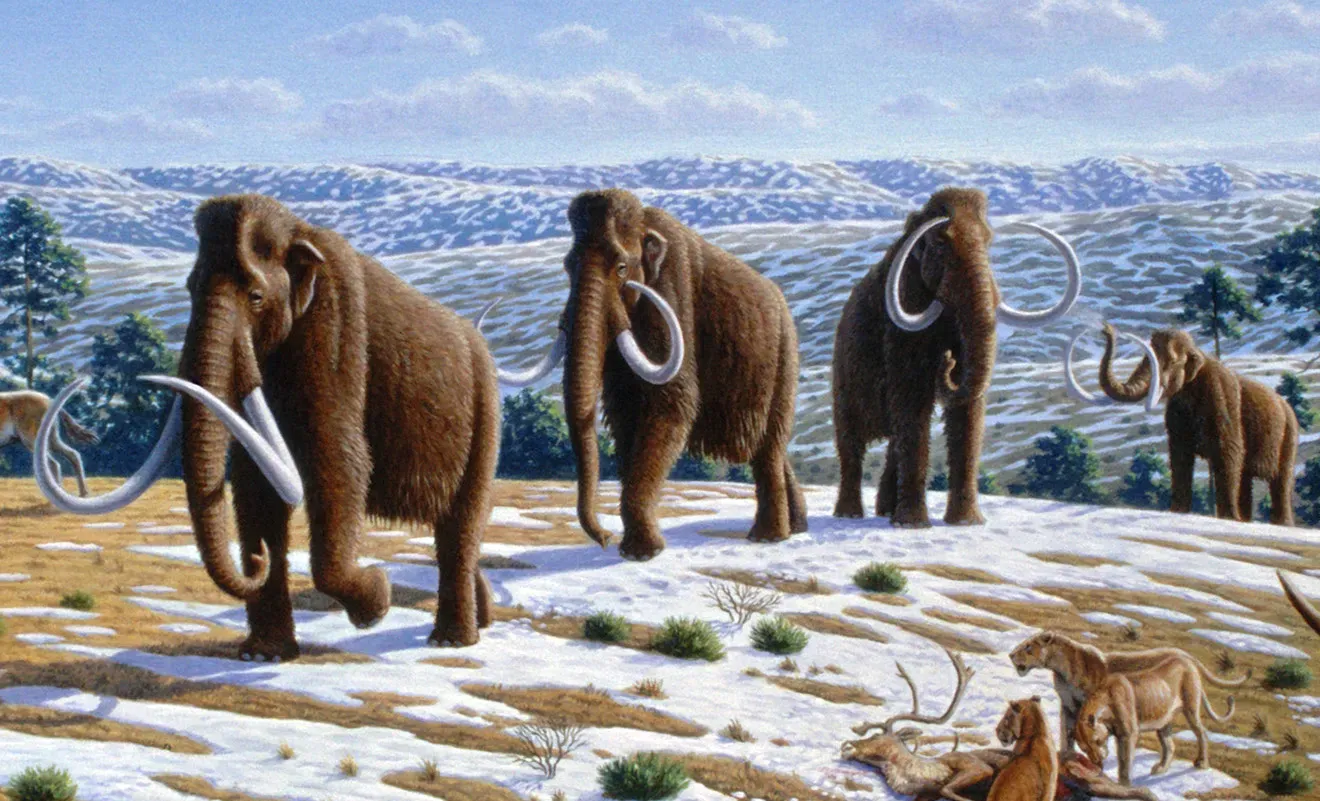
Standing twelve feet tall at the shoulders and weighing six to eight tons, the woolly mammoth grazed the northern steppes of Ice Age North America using its colossal, fifteen-foot curved tusks to dig under the snow for food and defend itself against predators. These magnificent creatures were built for extreme cold, with thick fur coats and fatty humps that helped them survive brutal winters. Mammoths came to North America between 1.7 million and 1.2 million years ago, and during icy seasons, mammals had fatty humps on their backs which likely provided them with nutrients and warmth.
What’s truly remarkable is how perfectly adapted these animals were to their environment. Their curved tusks weren’t just for show. They served as snow shovels, tools for stripping bark, and weapons against predators who dared to challenge them. Imagine watching a herd of these behemoths moving across a frozen landscape, their breath forming clouds in the frigid air. Woolly mammoth herds were female-led and males dispersed at a young age, though sexually mature males occasionally joined herds to mate.
Saber-Toothed Cats: Ambush Predators with Deadly Precision
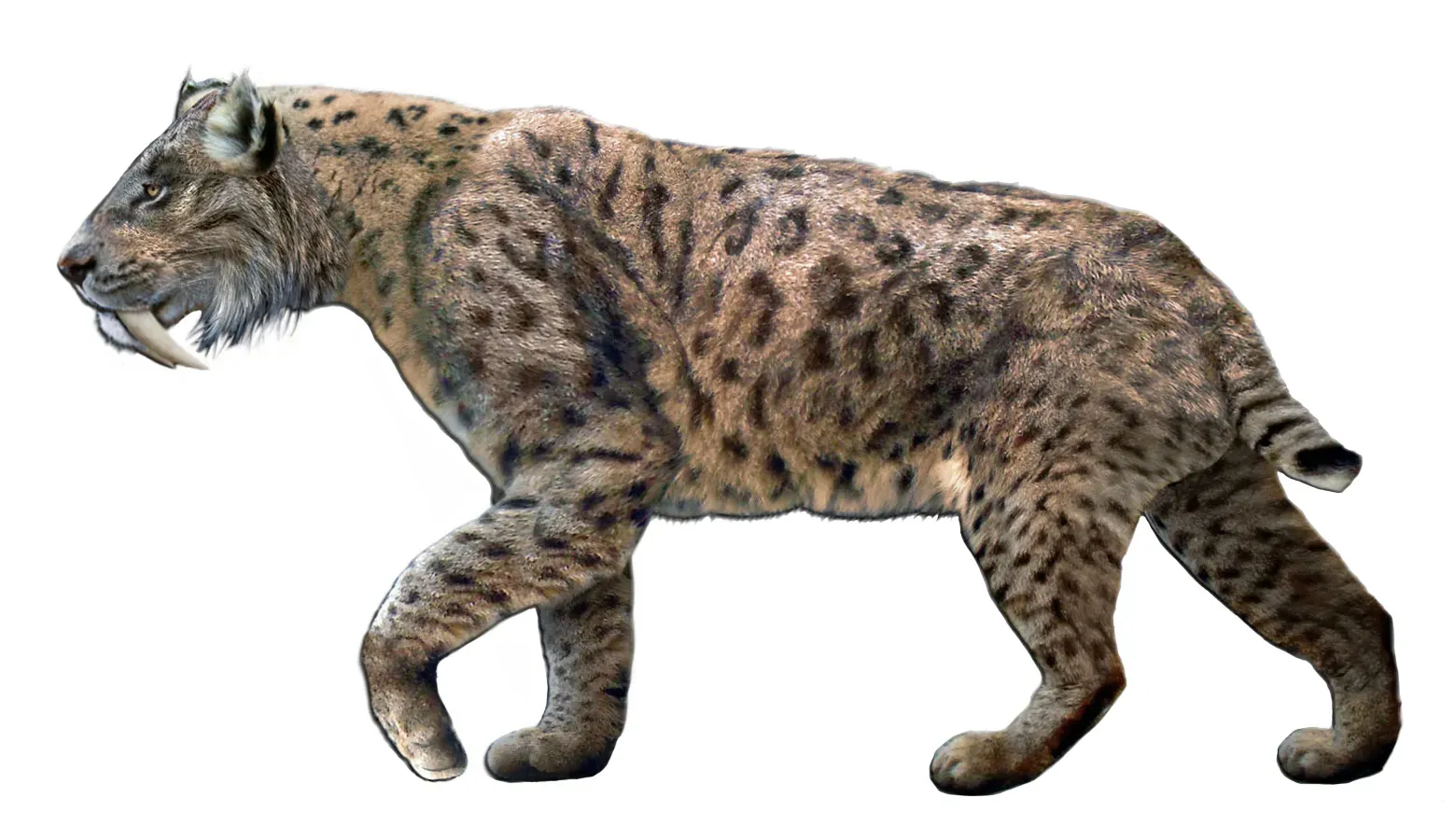
Let’s be real, when you think about Ice Age predators, you probably imagine the saber-toothed cat first. They were a foot shorter than an adult lion, but almost twice as heavy, with some individuals exceeding six hundred pounds. Those iconic canine teeth averaged seven inches long, and their jaws could open to an astonishing one hundred thirty degrees. Here’s the thing, though. They weren’t built like modern tigers at all.
Saber-toothed cats had relatively short legs and a bobbed tail, meaning they were built for ambush attacks, not long sprints. Smilodon hunted a variety of prey, including bears, horses, young mammoths, ancient bison, prehistoric camels, peccaries, the armadillo-like glyptodonts, and very likely humans. Their killing method was different from modern cats too. Instead of strangulation or quick neck breaks, they used those massive canines to slice through throats and abdomens, letting their prey bleed out slowly. Brutal, yet effective.
Dire Wolves: The Iconic Pack Hunters
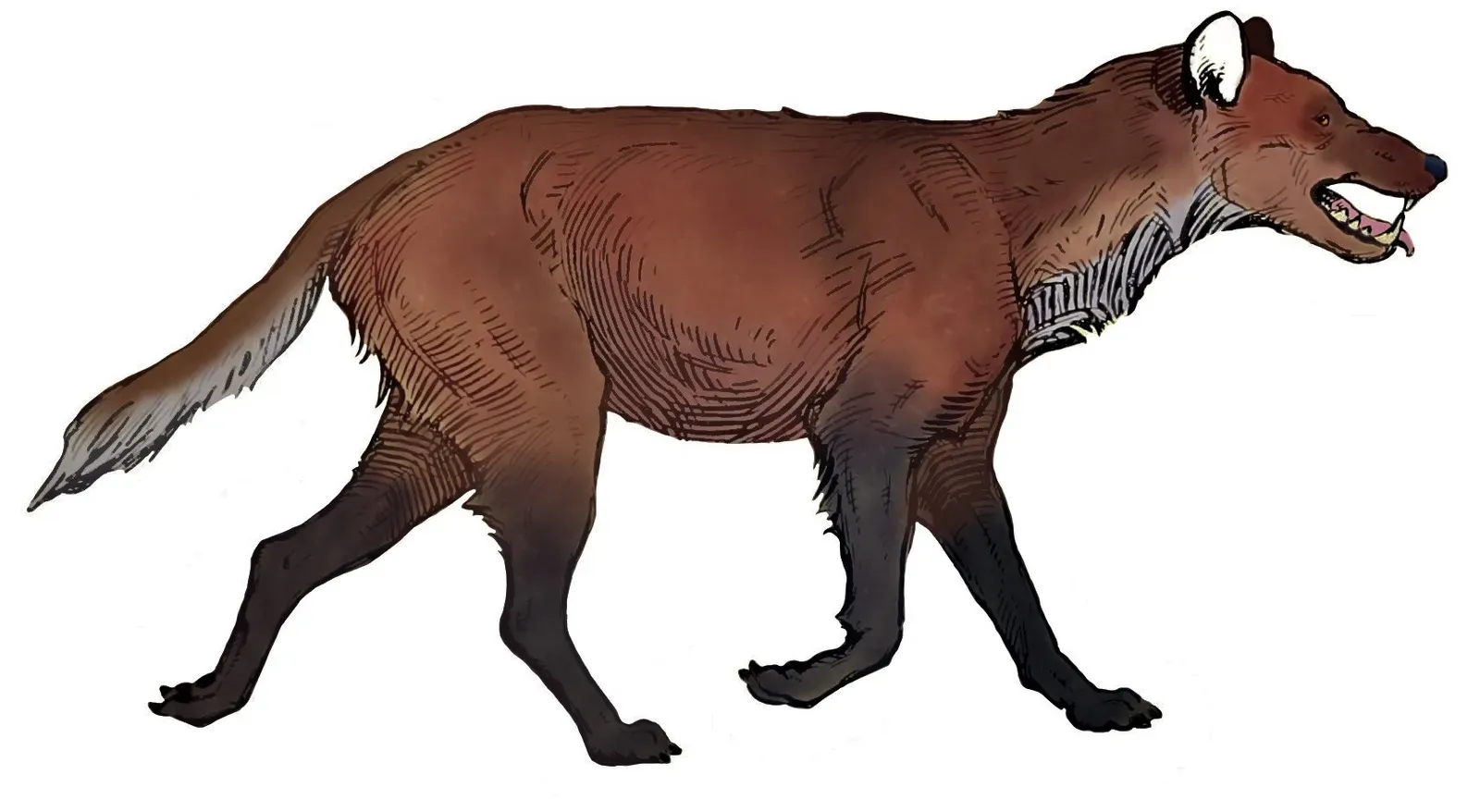
You’ve probably heard about dire wolves from television, yet the real animals were even more fascinating than fiction. The dire wolf was the largest of the Late Pleistocene canids of North America, with skulls that could reach up to twelve inches in length and teeth that were larger and more robust than today’s gray wolves, though in terms of body size, the dire wolf was on average the size of the largest gray wolves. These weren’t just big wolves. Recent genetic research revealed something shocking.
Emerging genetic data on several dire wolf specimens suggest that, surprisingly, they were not closely related to gray wolves, but had a closer relationship to today’s jackals, with these data suggesting that dire wolves descended from a carnivore lineage going back five million years ago in North America. Like gray wolves, dire wolves hunted in packs of thirty or more and fed on large prey like mammoths, giant sloths and Ice Age horses. Their heavy build meant they couldn’t chase prey for miles like modern wolves, so they relied on ambush tactics and sheer numbers.
Giant Short-Faced Bear: The Ultimate Apex Predator
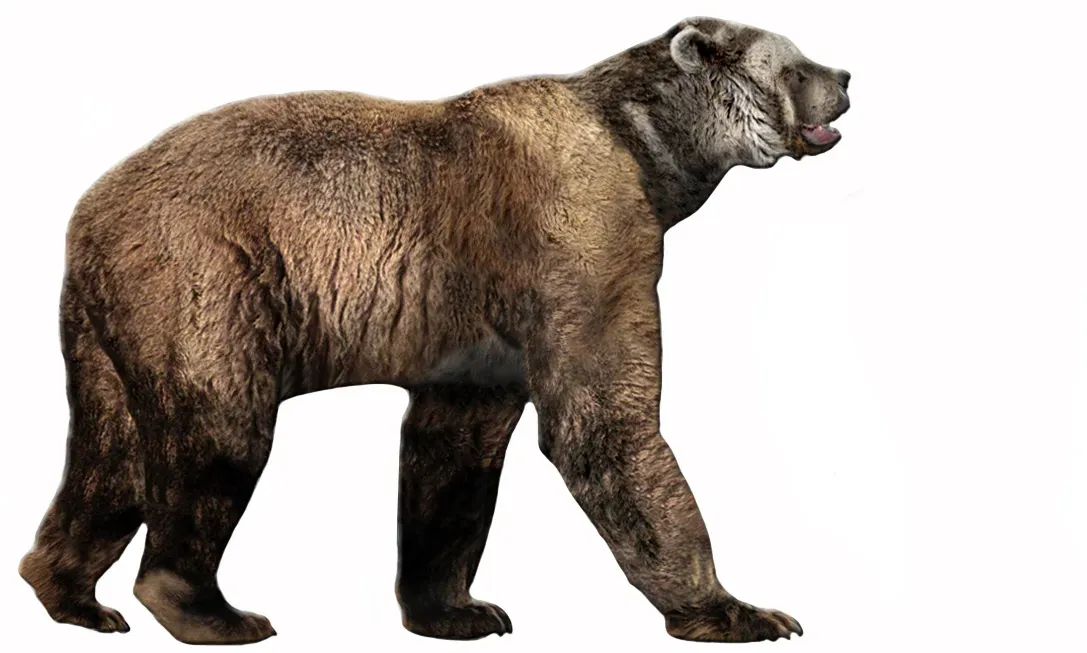
Now we’re talking about something truly terrifying. The giant short-faced bear was the largest carnivorous mammal to ever roam North America, and standing on its hind legs, an adult giant short-faced bear boasted a vertical reach of more than fourteen feet. Imagine encountering that in the wilderness. No modern bear comes close to this size.
The short-faced bear was huge and had much longer legs than modern bears relative to the body, which has given rise to the idea that it was a cursorial predator that ran after prey, and by examining skeletal remains, paleontologists calculate that the short-faced bear could reach speeds topping forty miles per hour, making it the fastest bear to ever live. Some scientists think it used its powerful sense of smell to detect carcasses from miles away, then used its speed and size to chase off any competition. It was one of the biggest and most powerful predators the world has seen, weighing an immense nine hundred kilograms and standing two metres at the shoulder.
American Mastodon: The Ancient Elephant Cousins
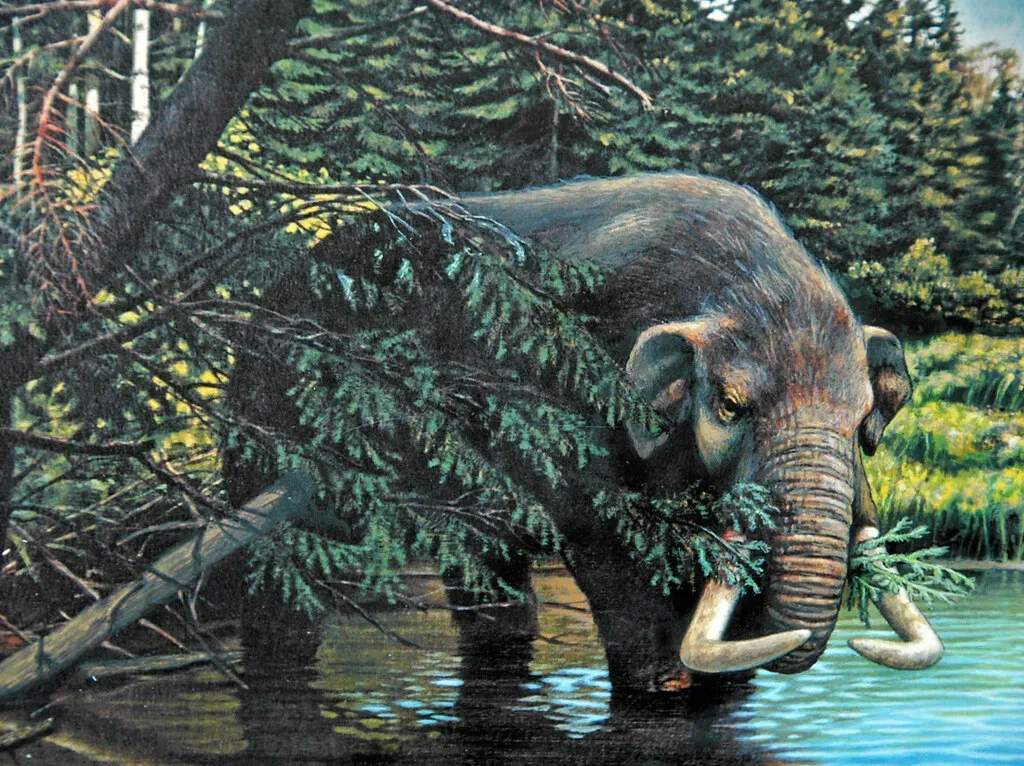
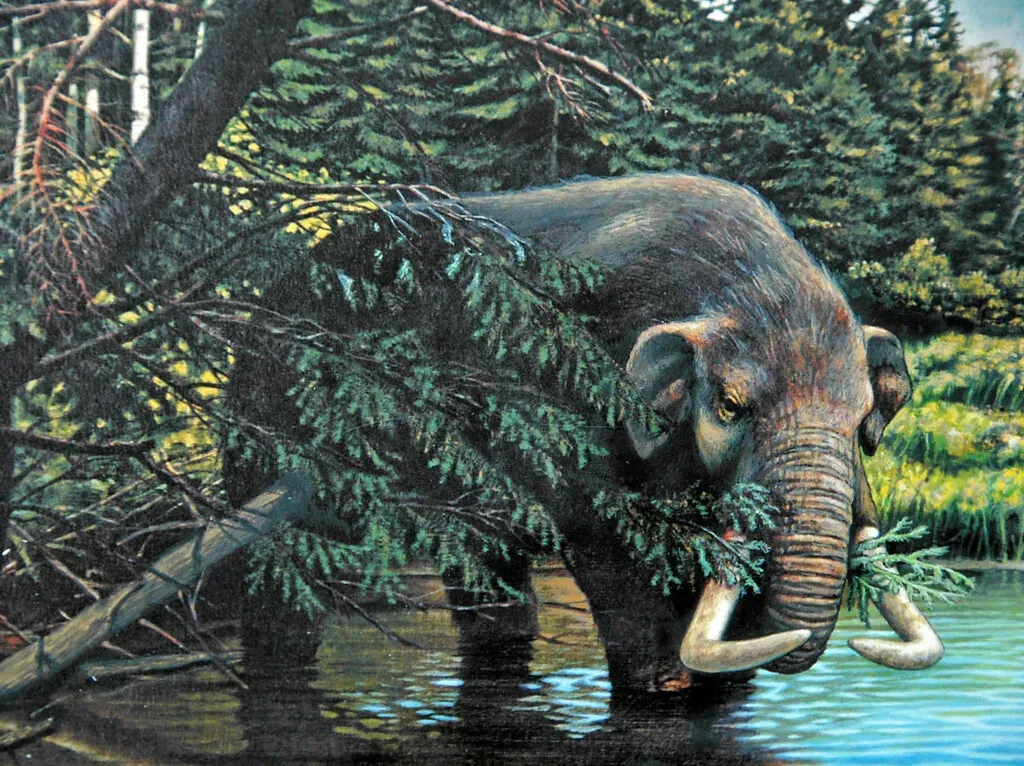
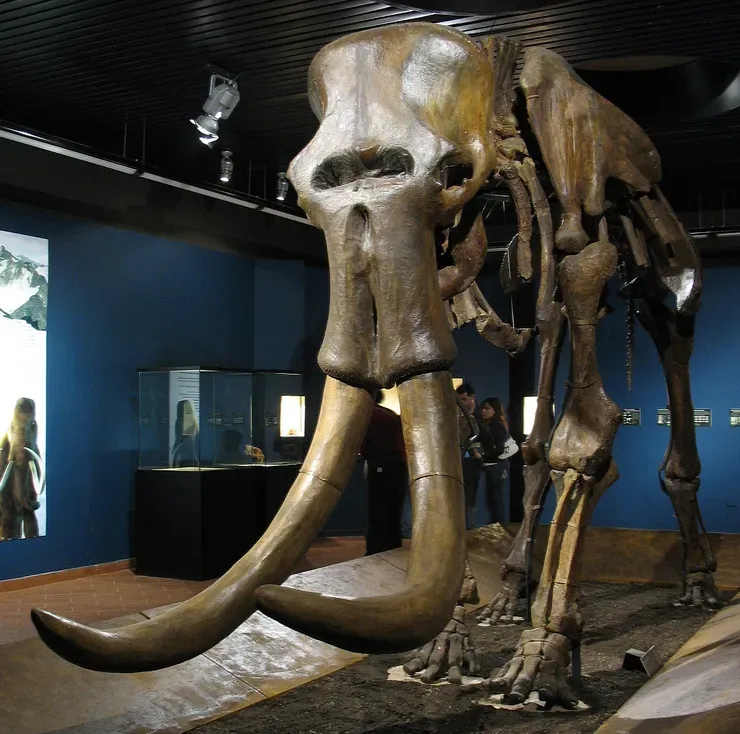
The American mastodon is the most ancient of the North American elephants, with its ancestors crossing the Bering Strait from Asia roughly fifteen million years ago and evolving into the American mastodon 3.5 million years ago, and the mastodon was shorter and stockier than the later mammoths, with the shape of its teeth indicating that mastodons didn’t graze on grass like mammoths, but ripped off leaves and entire tree branches for food.
These weren’t just smaller mammoths. They were distinct creatures with their own unique adaptations. Their straighter tusks and different teeth structure tell us they preferred browsing in forests rather than grazing open grasslands. Mastodons were homegrown elephants that evolved in North America 3.5 million years ago and were true travellers, ranging from the Alaskan arctic all the way south to Honduras and feeding on branches, shrubs and small trees. Thick fur coats and short ears helped them conserve heat in the frozen north. They were survivors, perfectly adapted to withstand both the cold and the predators that stalked them.
Giant Ground Sloths: Slow-Moving Herbivore Giants
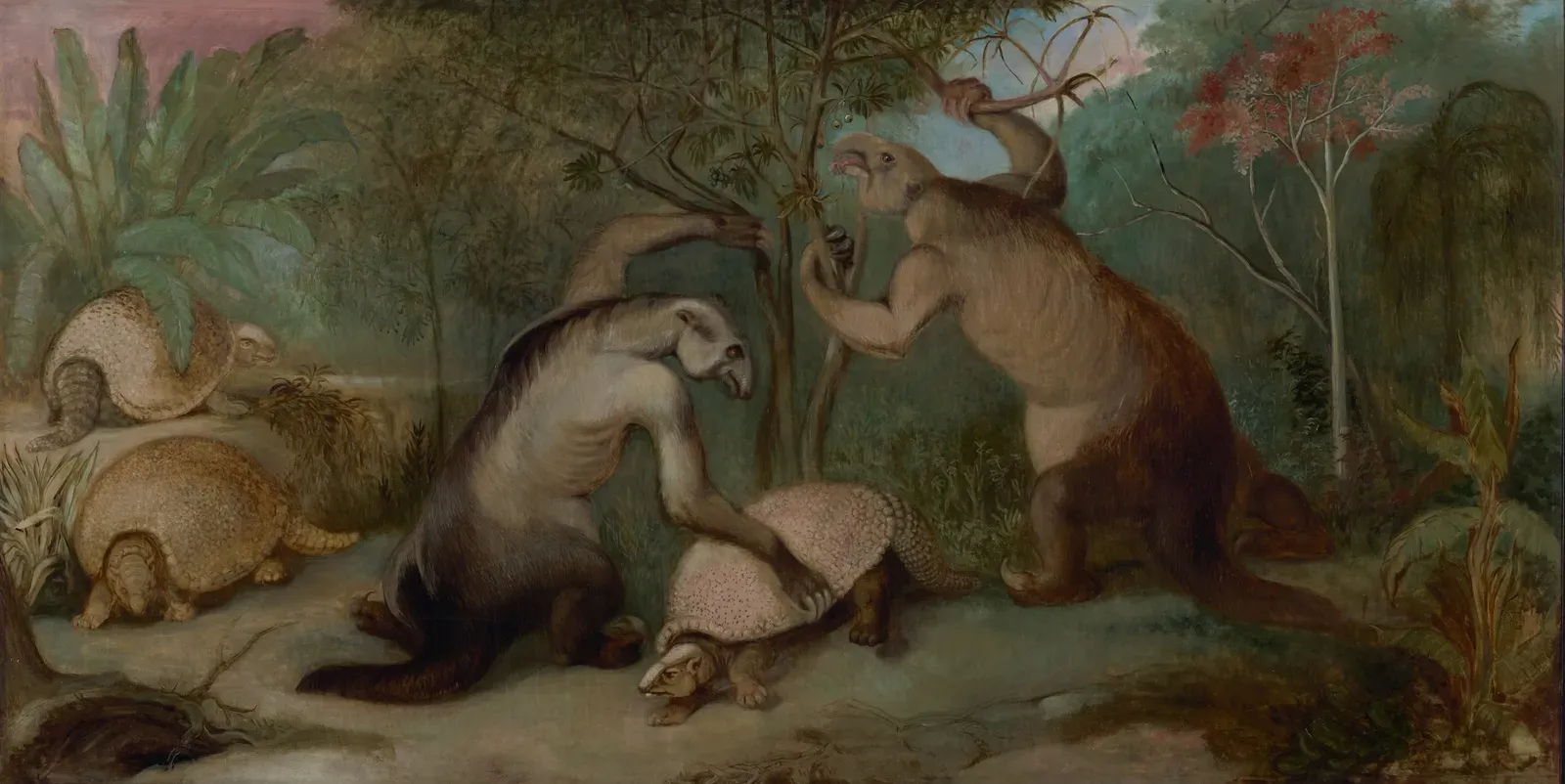
Forget everything you know about the cute, tiny sloths hanging from trees in South America today. The giant ground sloths of the late Pleistocene were bear-sized herbivores that stood twelve feet on their hind legs and weighed up to three thousand pounds. These massive creatures were some of the strangest animals to ever walk North America. Despite their fearsome size and huge claws, they were peaceful herbivores.
Like modern sloths, these huge ground sloths were probably slow, awkward walkers with some species shuffling on the curled-in ankles of their hind legs, and ground sloths also had elongated claws like modern sloths, which they would have used to strip leaves and dig for roots. Giant ground sloths evolved in South America around thirty-five million years ago, and migrated into North America, starting around eight million years ago, with the last species arriving here during the Pleistocene. Their thick bones and massive claws provided formidable defense against predators, even though they moved like they had all the time in the world.
Glyptodon: The Armored Tank of the Prehistoric World
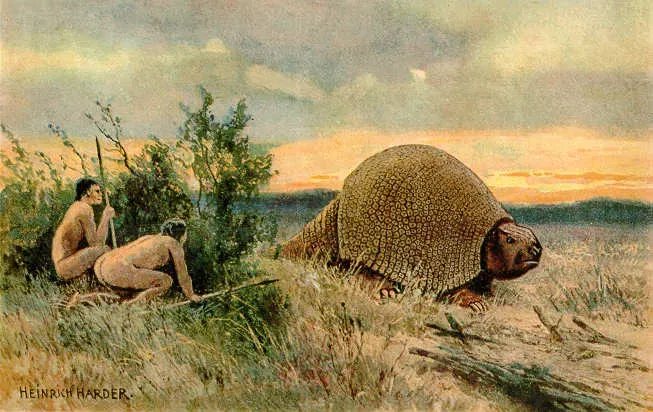
The creature that we have come to know as the Glyptodon looked like a giant version of its distant relative, the armadillo, with the shell of Glyptodon made of bony plates, just like an armadillo, and the armored, one-ton creature probably traveled across the Isthmus of Panama to North America from South America. Picture an armadillo the size of a small car, covered in thick armor plating that could withstand the bite of almost any predator.
These bizarre creatures represent just how different North America’s megafauna really was. Their body armor was so effective that it’s hard to imagine what could have threatened a fully grown adult. Sadly, that armor couldn’t protect them from the changing climate and possibly human hunters. Overhunting by humans caused the last glyptodons to die out shortly after the last Ice Age. They were walking fortresses that roamed the continent for thousands of years before vanishing forever.
American Cave Lion: North America’s Largest Cat
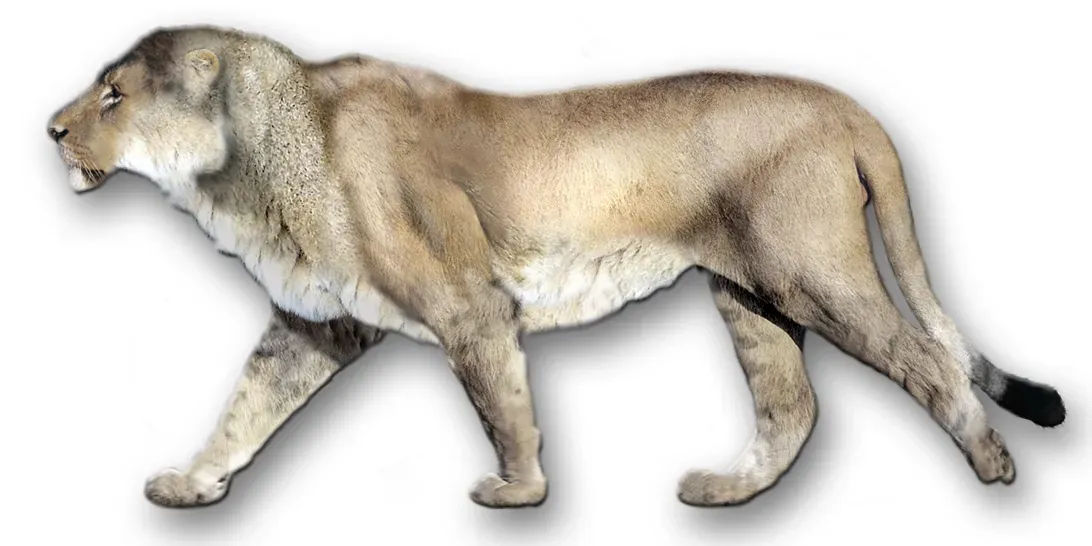
The American cave lion called this continent home and was one of the largest known cats, almost twenty-five per cent bigger than the lions we see in Africa and India today, standing 1.2 metres at the shoulder and weighing up to four hundred twenty kilograms. These weren’t the lions you’d see on an African safari. They were bigger, possibly more powerful, and perfectly adapted to Ice Age conditions.
Paleolithic art of similar lions found on cave walls in France and Russia show that the prehistoric cats had a faintly striped coat and no mane, unlike modern lions, and scientists think they could have lived in prides, working together to hunt and raise young. Prey in the ice age was plentiful; horses, deer, and camels roamed the land in great numbers. These massive predators competed with short-faced bears, dire wolves, and saber-toothed cats for the abundant game that once filled North America.
Giant Beaver: The Colossal Rodent of Ancient Wetlands
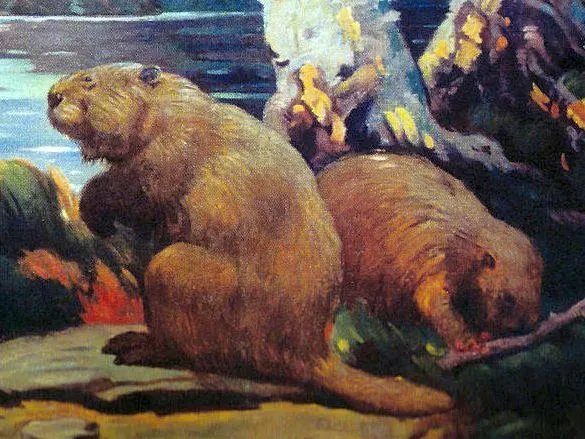
Castoroides was a 2.5 meter long giant beaver that lived in North America during the Pleistocene epoch and it is the largest beaver ever to have lived, but it had a small brain in proportion to its body size and may not have been as smart as its modern day counterpart. Imagine a beaver the size of a black bear living in your local pond. That’s exactly what the giant beaver was.
Here’s what makes them really interesting. Stable isotopes suggest that Castoroides probably predominantly consumed submerged aquatic plants, rather than the woody diet of living beavers, and there is no evidence that giant beavers constructed dams or lodges, with the shape of the incisors of Castoroides making it much less effective in cutting down trees than living beavers. It was likely heavily dependent on wetland environments for both food and protection from predators. Unlike their modern cousins, these giants couldn’t engineer their environment, which may have sealed their fate when the climate changed and wetlands began to dry up.
The End of an Era
Extinct giants, such as the American cheetah and ground sloth, lived in North America until they mysteriously died out about ten thousand years ago, and it’s long puzzled scientists why these animals went extinct. The debate continues. Was it climate change? Human hunting? Disease? Probably some combination of all three. Rapid warming periods called interstadials and, to a lesser degree, ice-age people who hunted animals are responsible for the disappearance of the continent’s megafauna, according to a study published in 2015 in the journal Science.
What we do know is that within a relatively short period, roughly two-thirds of North America’s large mammals vanished. The landscape transformed from one teeming with giants to the familiar wildlife we know today. These creatures walked the same ground we walk on now, breathed the same air, and left behind only their bones and our endless fascination. What would you have given to see them in person, just once?