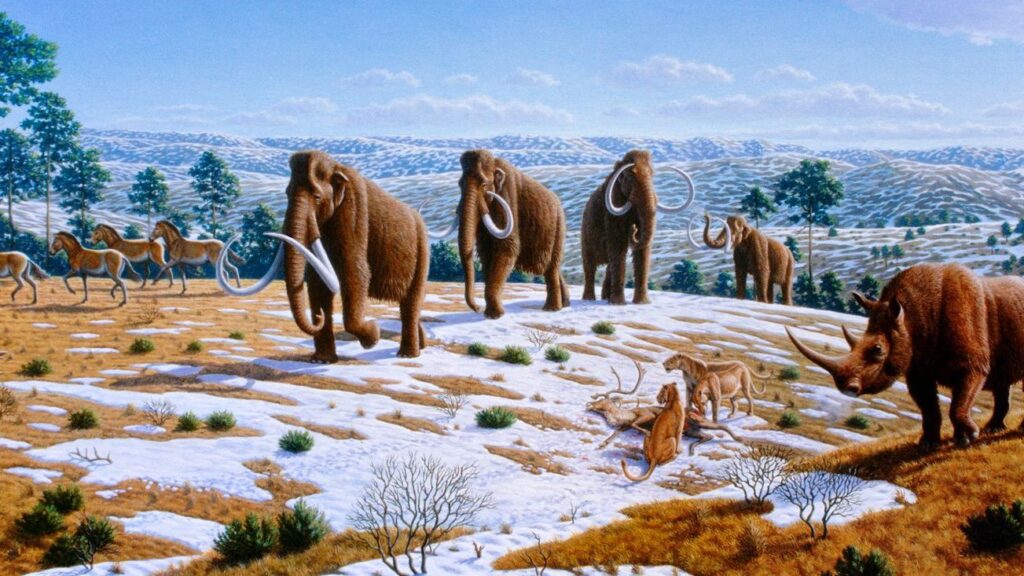
Have you ever wondered how massive, shaggy elephants with curved tusks ended up wandering through frozen tundra thousands of miles from their origins? The story of North America’s Ice Age giants isn’t just about massive creatures stomping across frozen landscapes. It’s actually a tale of survival, adaptation, and unimaginable journeys across continents.
Picture this: roughly twenty thousand years ago, a land bridge connected Asia and North America where today there’s only frigid ocean water separating two continents. Through this gateway, an incredible procession of megafauna embarked on migrations that would reshape entire ecosystems. Let’s dive into how these colossal creatures navigated their changing world.
The Gateway Across Frozen Waters: Understanding Beringia
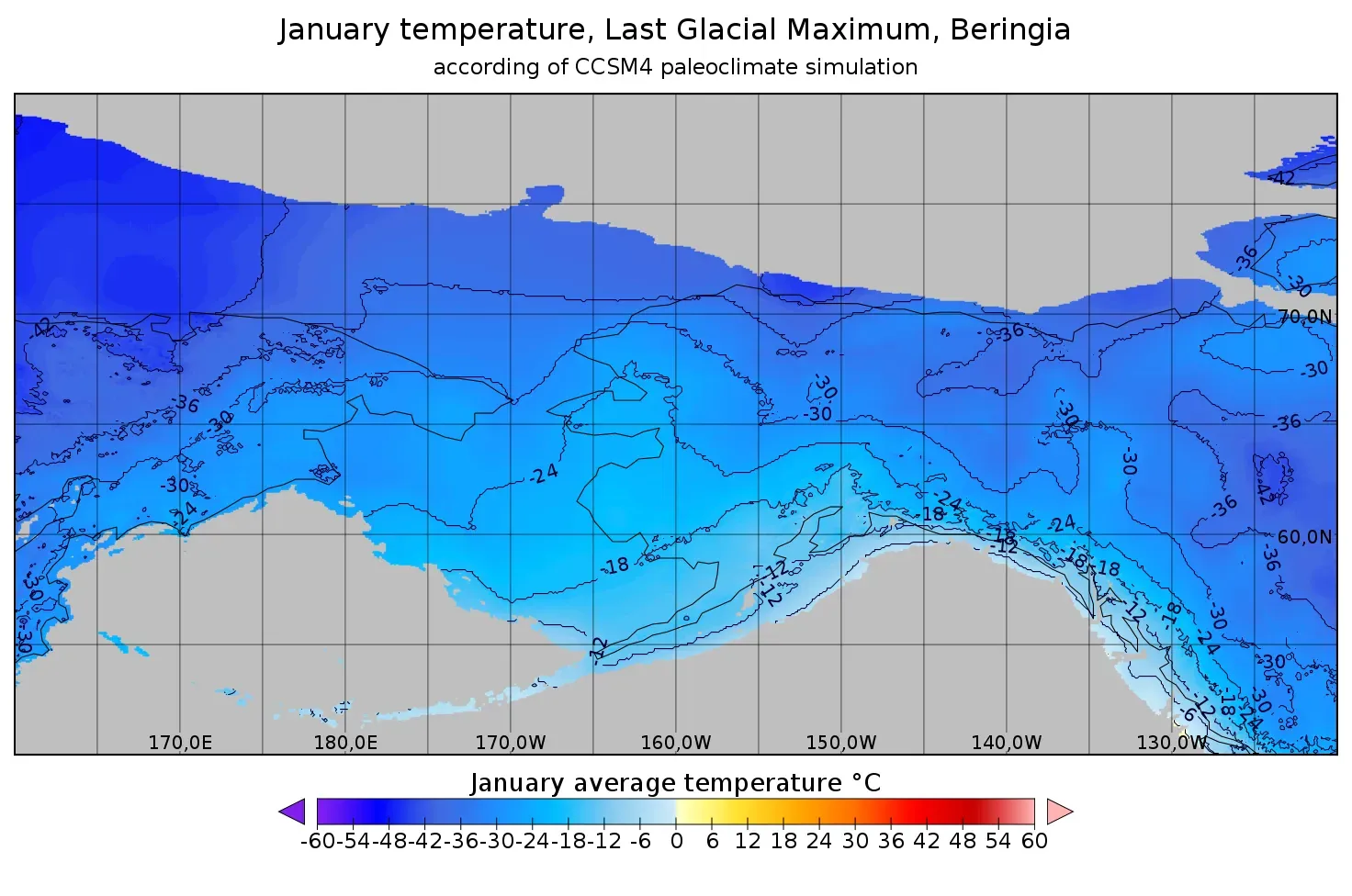
When global sea levels dropped by as much as 120 meters during glacial periods, vast stretches of continental shelf became exposed, including the land bridge known as Beringia connecting present-day Siberia and Alaska. Honestly, calling it just a bridge feels misleading. Beringia was not merely a narrow land bridge but an expansive region, stretching over 1,000 kilometres from north to south.
This wasn’t some barren wasteland either. Commencing from around 57,000 years ago, steppe-tundra vegetation dominated large parts of Beringia with a rich diversity of grasses and herbs, along with patches of shrub tundra with isolated refugia of larch and spruce forests with birch and alder trees. At 18,000 years ago, Beringia was a relatively cold and dry place with little tree cover but still speckled with rivers and streams, with grasslands, shrubs and tundra-like conditions prevailing in many places. Let’s be real, this was a unique ecosystem that could support an astonishing variety of life.
Mammoths on the Move: Following the Grass
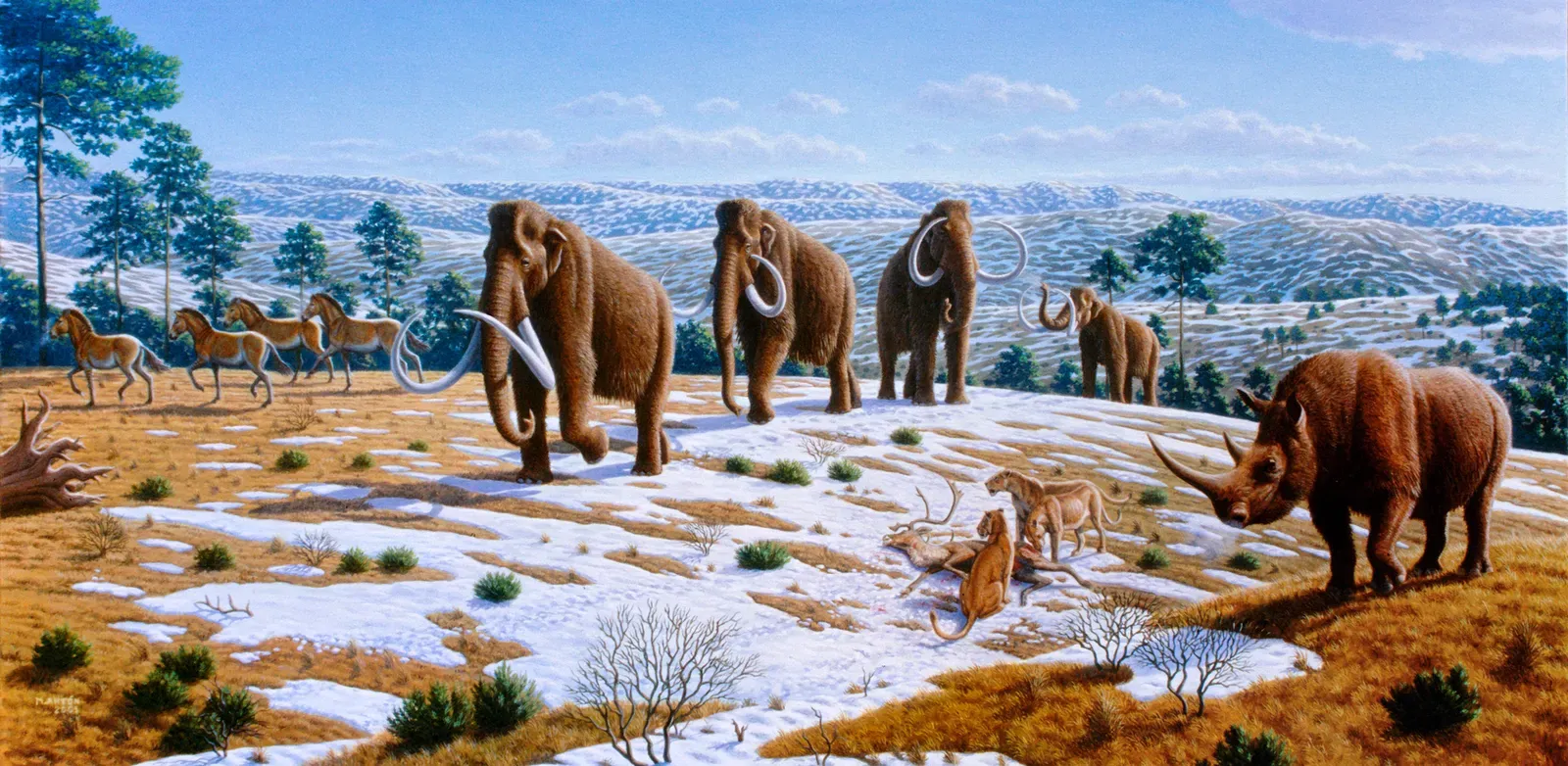
Mammoths spread everywhere in Ice Age North America, ranging from Canada down to Honduras. These giants weren’t just wandering aimlessly. A corridor was created by falling sea levels that provided an opportunity for Asian species including mammoths, bison, muskoxen, caribou, lions, brown bears, and wolves to move into North America.
What’s fascinating is that despite its vast area, the land bridge was not a busy highway with populations moving back and forth between the continents, and after colonizing North America, there was minimal gene flow for woolly mammoths. These creatures made the crossing, but then they stayed put. The animals migrated vast distances in response to dramatic climate change during the ice ages of the Pleistocene, which began about 2.6 million years ago. Think about that for a second: these weren’t random movements but calculated responses to environmental shifts.
The Predators Who Followed Prey: Carnivores Cross Continents
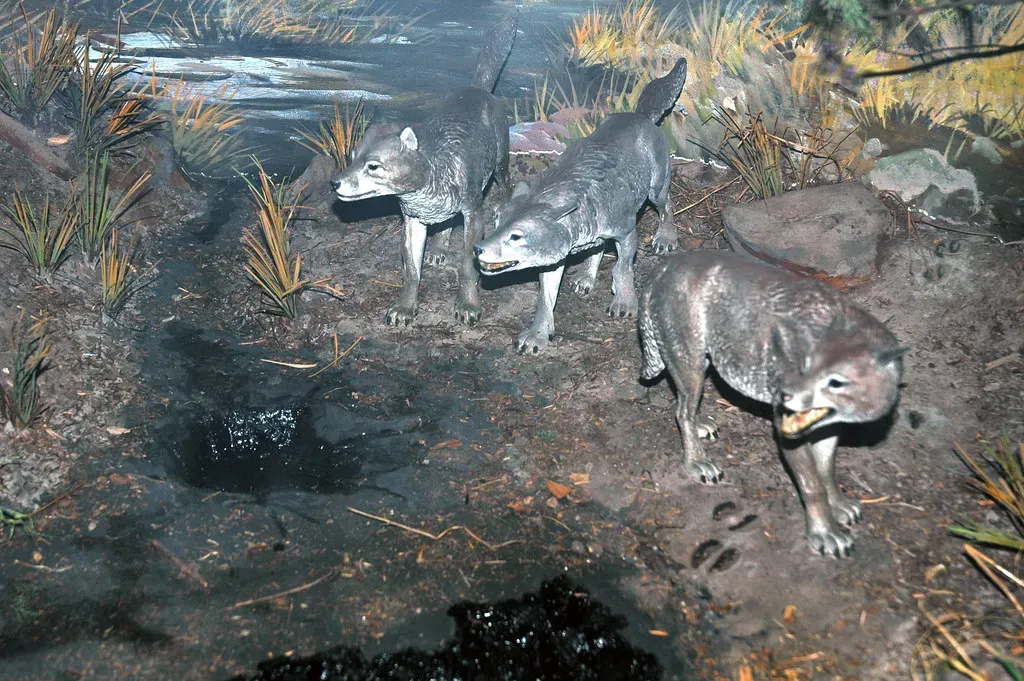
Where massive herbivores went, apex predators followed. Asian species including lions, brown bears, and wolves moved into North America through Beringia. At the top of this food chain were several apex predators, including the saber-toothed cat, the giant short-faced bear, and the dire wolf, which with their powerful physiques and specialized hunting strategies, were well equipped to take down even the largest and most formidable of prey.
Brown bears were traditionally thought to be a recent migrant to the American mid-continent coinciding with the opening of the ice-free corridor at the end of the Pleistocene, but this changed with the discovery of a brown bear specimen from Alberta directly dated to about 26,000 years ago. What I find intriguing is how genetic evidence keeps rewriting these migration stories. Radiocarbon dating of ancient grey wolf remains found in permafrost deposits in Alaska show a continuous exchange of population from 12,500 radiocarbon years ago to beyond radiocarbon dating capabilities, indicating that there was viable passage for grey wolf populations to exchange between the two continents.
Bison and the American Expansion
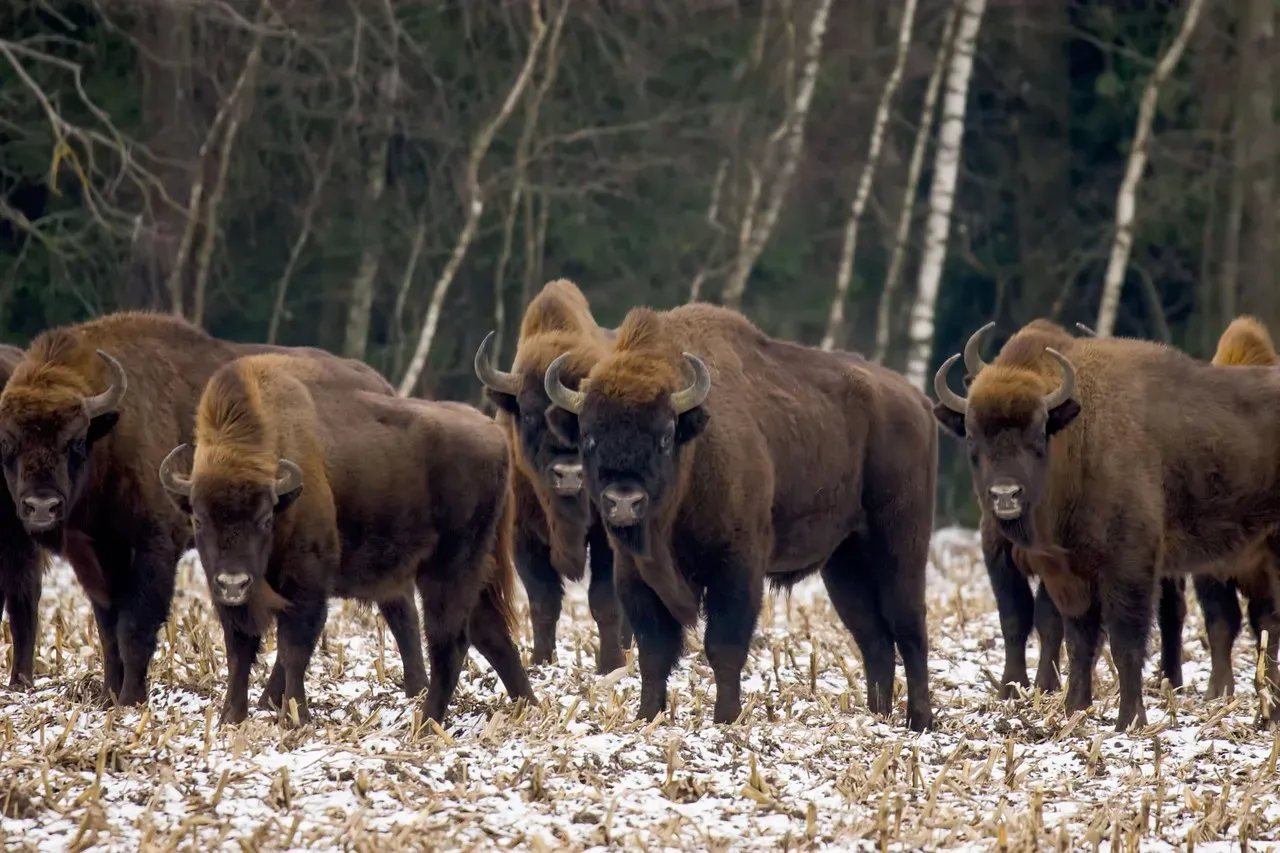
Bison are an ideal model system for examining population dynamics across Beringia, as they are abundant in the fossil record and maintained a continual presence in Beringia throughout the last ice age, surviving the megafaunal extinctions that occurred around the Last Glacial Maximum. Here’s the thing: bison tell us something really important about migration timing.
Dense sampling of bison mitochondrial genomes revealed that all North American bison maternal lineages most recently share an ancestor approximately 150,000 years ago, indicating when bison first arrived in North America, with the two oldest North American bison fossils dating to 130 and 120 thousand years ago having very similar mitochondrial haplotypes, suggesting a single wave of migration and population expansion. There was some back and forth initially. Pleistocene bison had two major dispersals into North America from Asia, but DNA analysis shows a fair amount of genetic separation of Pleistocene bison from east and west Beringia suggesting there was only limited movement of bison back west over the land bridge.
Ground Sloths: The Unlikely Giants of a Changing Landscape
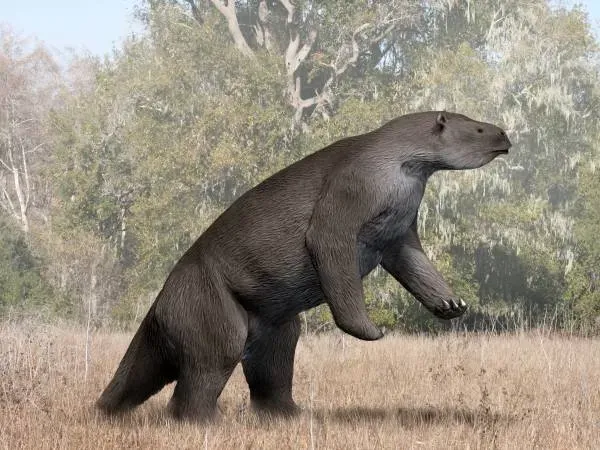
Not all megafauna came from Asia. Sloths, and xenarthrans as a whole, represent one of the more successful South American groups during the Great American Interchange after the connection of North and South America during the late Pliocene, with a number of ground sloth genera migrating northward. The giant ground sloths of the late Pleistocene were bear-sized herbivores that stood 12 feet on their hind legs and weighed up to 3,000 pounds.
These creatures weren’t exactly built for speed. These large mammals waddled on their hind legs and front knuckles, keeping their claws turned in, and their movement and massive build (some weighed up to 3,000 kilograms) imply they were relatively slow mammals. Yet somehow they managed to spread across vast territories, adapting to environments from South America all the way up through North America. Their success lay not in speed but in their ability to exploit vegetation resources that other herbivores couldn’t access.
When Ice Sheets Retreated: Opening New Corridors
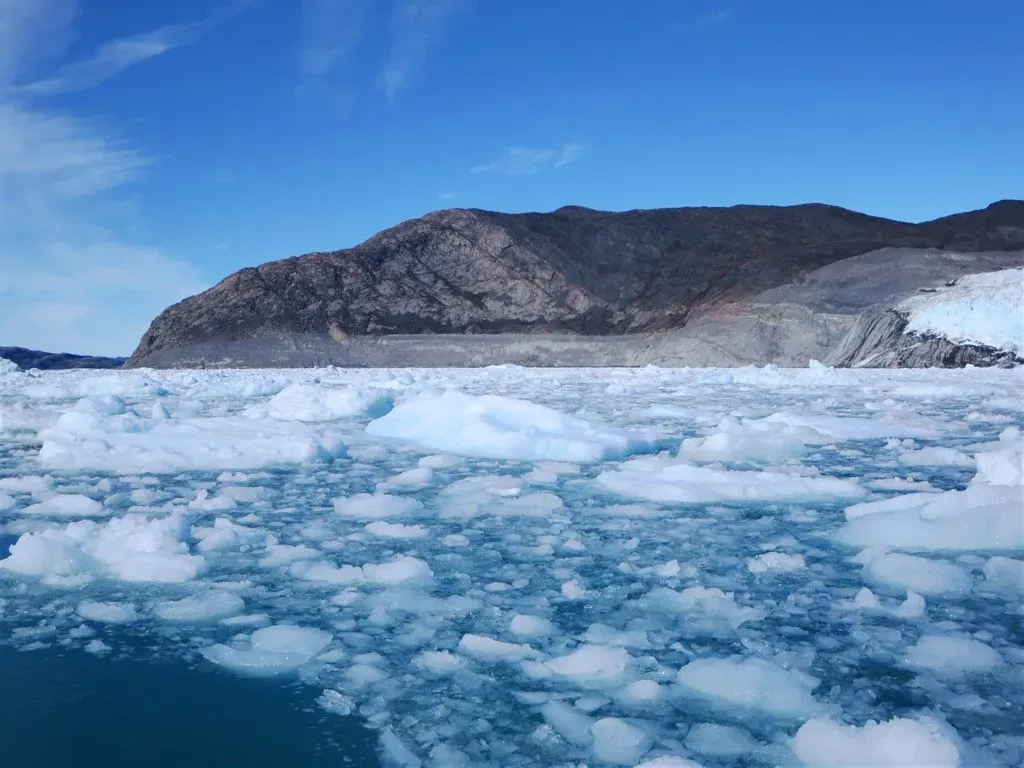
Glacial cycles influenced migration timing; expanding ice sheets blocked southern routes, but retreating glaciers opened ice-free corridors along the Pacific coast or through the interior. This is where timing becomes everything. Moose colonised Beringia concurrently with wapiti around 15,000 years ago and then subsequently migrated South, and the two species appear to arrive in the mid-continent concurrently with the extinction of the megafauna.
Between 15,000 and 10,000 years ago, rapid increase in global temperatures led to the melting of the Laurentide and Cordilleran ice sheets, releasing enormous freshwater volumes into the oceans, and consequently, global sea levels rose, submerging coastal areas and re-flooding the Bering land bridge. It’s hard to say for sure, but the disappearance of Beringia probably sealed the fate of isolated populations who could no longer retreat or advance in response to changing climates.
The Final Chapter: Climate Change and the Extinction Mystery
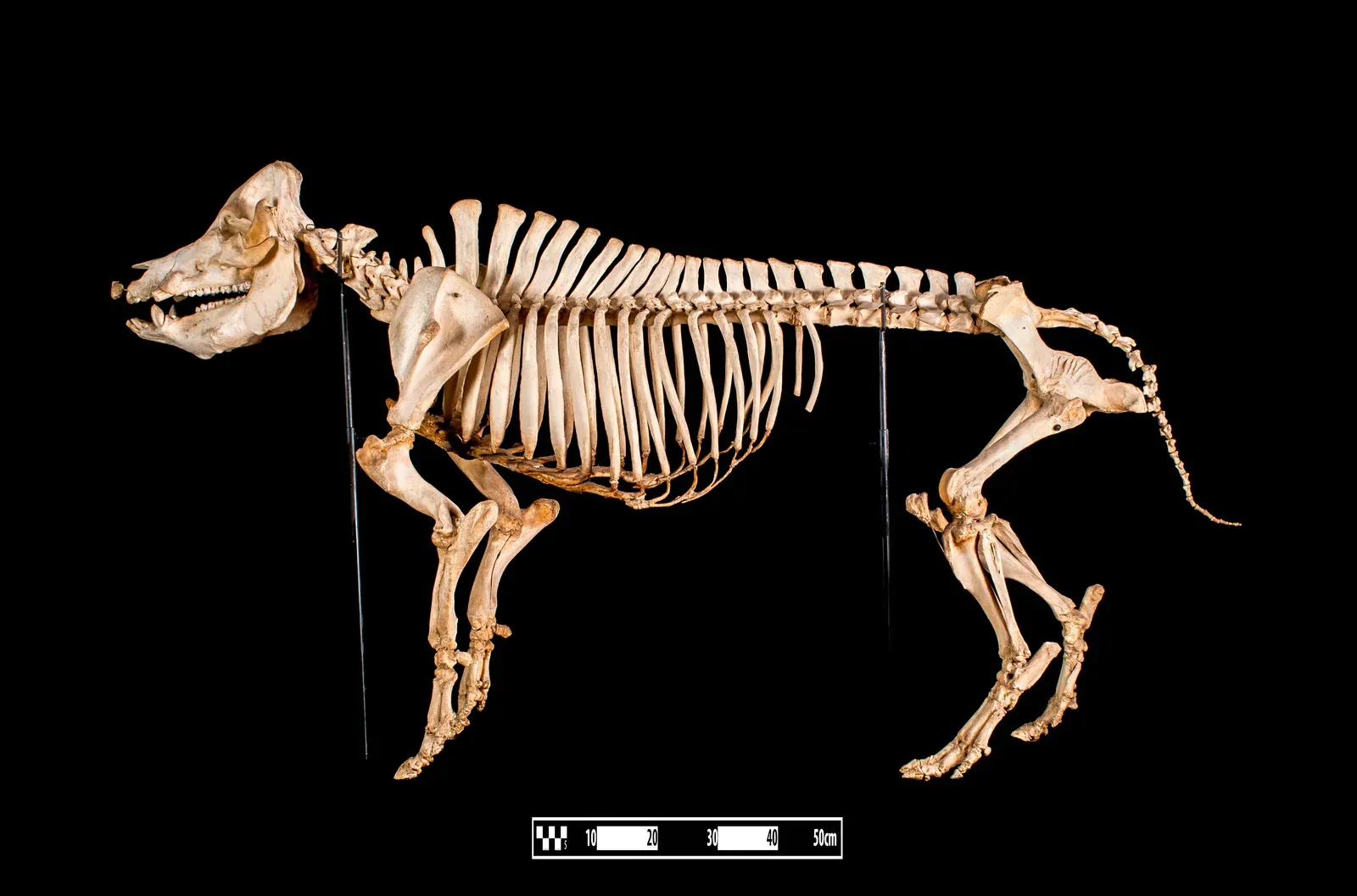
At the end of the Pleistocene, North America saw the extinction of about 70% of its megafauna guild, a catastrophic event, the cause of which is fiercely debated today. The debate has raged for decades: was it human hunting or climate change that doomed the megafauna?
Decreases in global temperature correlate with decreases in megafauna population levels, and final megafauna population declines leading to extinction roughly coincided with the onset of the Younger Dryas, hinting that the unique conditions of the Younger Dryas – abrupt cooling, increased seasonality, increased CO2, and major vegetation changes – played an important role in the extinction of North America’s megafauna. After early humans migrated to the Americas about 13,000 years ago, their hunting and other associated ecological impacts led to the extinction of many megafaunal species there, and calculations suggest that this extinction decreased methane production by about 9.6 million tons per year, suggesting that the absence of megafaunal methane emissions may have contributed to the abrupt climatic cooling at the onset of the Younger Dryas.
The story isn’t simple, though. The causes for extinctions varied across taxa and by region, with extinctions in three cases appearing linked to hunting, while in five others they are consistent with the ecological effects of climate change, and in a final case, both hunting and climate change appear responsible. Maybe the truth is that these magnificent creatures faced multiple pressures simultaneously, and the combination proved too much even for animals who had survived ice ages before.
reveal a world in constant flux, where survival meant continuous adaptation to shifting landscapes and climates. These giants crossed continents, navigated through ice-free corridors, and reshaped ecosystems wherever they roamed. Their disappearance reminds us how fragile even the most powerful species can be when faced with rapid environmental change. What do you think ultimately sealed their fate? Share your thoughts in the comments.