Ask anyone to picture the ultimate prehistoric killer and you’ll get the same answer almost every time. The T-Rex. Massive, terrifying, and so deeply embedded in popular culture that it practically has its own publicist. But here’s the thing – the story of prehistoric predation is so much richer, stranger, and more surprising than any single dinosaur could ever represent. The ancient world was layered with hunters that ruled oceans, rivers, skies, and vast forests for hundreds of millions of years, long before and long after the famous tyrant lizard king ever set foot on the Cretaceous plains.
The prehistoric food web was not a simple pyramid with the T-Rex sitting comfortably at the top. It was a shifting, complex, and brutally competitive structure that changed every few million years, replacing one apex terror with another. If you think you already know who ruled the prehistoric world, get ready to be genuinely surprised. Let’s dive in.
The Real Nature of Prehistoric Food Chains
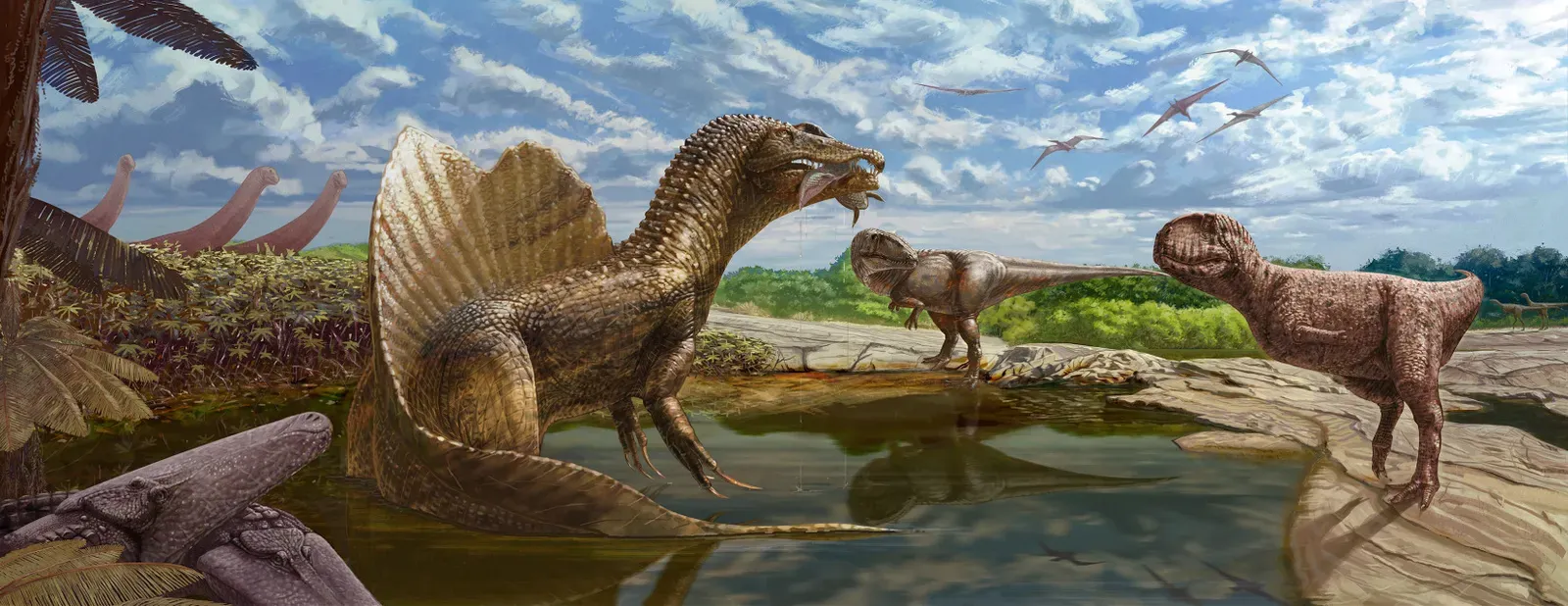
You might picture prehistoric ecosystems as simple affairs – big predator eats smaller creature, repeat. The reality was far more intricate. The top predator of the Jurassic and Cretaceous landscapes was usually a species of meat-eating dinosaur, walking on two legs with powerful jaws lined with sharp teeth, and belonging to groups known as tyrannosaurs, spinosaurs, and carcharodontosaurs. These weren’t random giants wandering around independently. They occupied specific ecological slots that shifted dramatically over geological time.
During the Cretaceous Period, most species of top predator that evolved in North America and Asia were either carcharodontosaurs – shark-toothed dinosaurs – or tyrannosaurs, the tyrant dinosaurs. Think of the food chain less like a ladder and more like a relay race. Different runners held the baton at different points in time, with no single species staying in front forever. That idea alone should make you rethink everything you thought you knew.
Allosaurus: The Jurassic’s Original Overlord
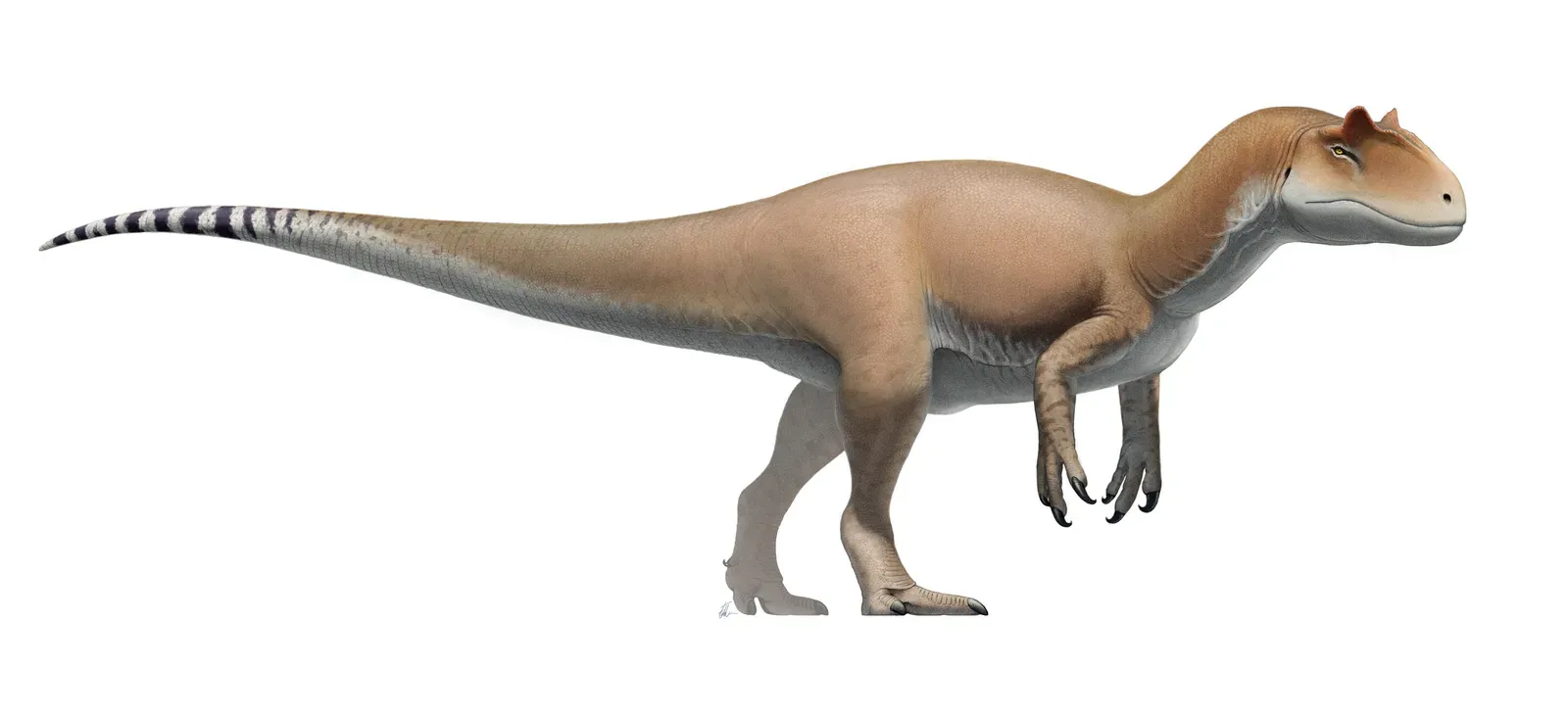
Long before the T-Rex ever existed, another predator was running the show. Allosaurus is not only the best represented large theropod dinosaur in the fossil record, but it also seems to have been the definitive predator design of the late Jurassic. That is a remarkable statement when you consider how many millions of years the Jurassic Period lasted. Allosaurus wasn’t just common – it was dominant in a way that genuinely defined its era.
The large number of Allosaurus remains have allowed for tremendous study of this dinosaur. Injuries to the arms where tendons have been ripped from the bones suggest that Allosaurus was very physical in its attacks upon other dinosaurs, doing so without much thought or fear of injury to itself. This is further evidenced by fossils that prove Allosaurus got into fights with armored dinosaurs like Stegosaurus. Honestly, that’s the kind of fearlessness that earns you the top spot on the food chain. The Jurassic wasn’t the T-Rex’s era – it belonged entirely to Allosaurus.
Giganotosaurus: The South American Giant That Outmeasured the King
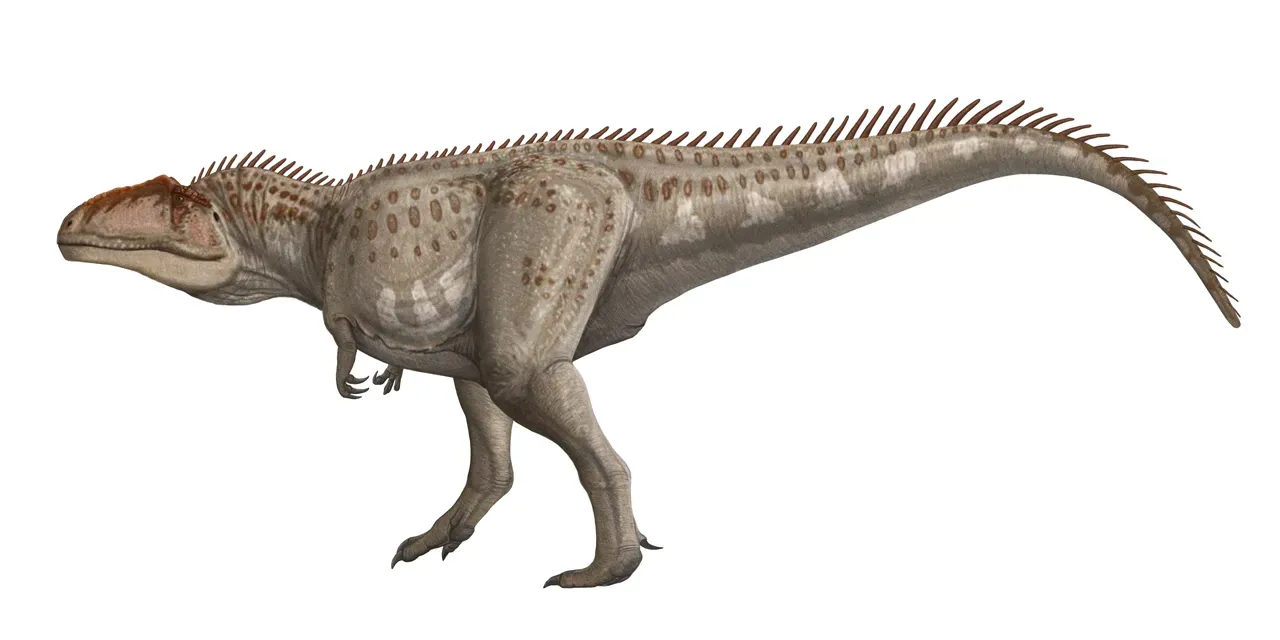
Here’s a fact that might genuinely stun you: South America was home to a predator that challenged the T-Rex in sheer size, possibly exceeding it. Giganotosaurus, one of the largest carnivorous dinosaurs, thrived in Late Cretaceous Argentina, reaching lengths over 40 feet and weighing up to 13 tons. With a robust skull and sharp teeth, it effectively hunted large prey, showcasing its role as an apex predator. The creature’s name literally translates to “giant southern lizard,” and for good reason.
It is thought to have hunted the giant South American titanosaurs, such as Argentinosaurus, by slicing through their flesh with its razor-sharp teeth and waiting for blood loss and infection to finish off the mammoth creature. That’s a hunting strategy that demands patience, calculation, and serious anatomical hardware. Giganotosaurus and relatives like Carcharodontosaurus had very different teeth from the T-Rex – teeth that worked to slice flesh rather than crush bones and armor. Two completely different killing philosophies, both devastatingly effective.
Spinosaurus: The Bizarre Semi-Aquatic Predator That Broke All the Rules
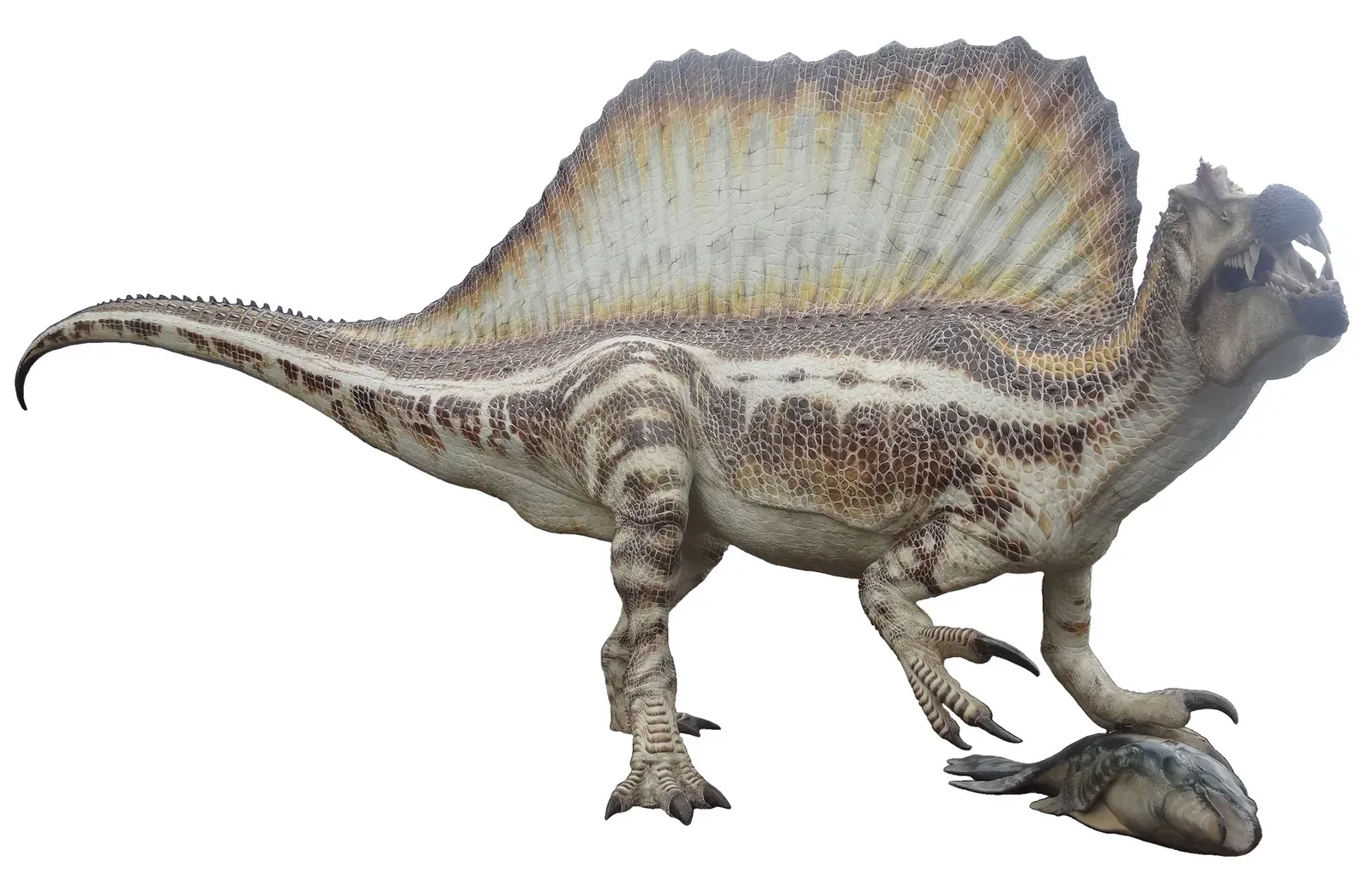
If Giganotosaurus challenges your assumptions about size, then Spinosaurus completely demolishes your expectations about what a dinosaur predator could even look like. Spinosaurus is among the largest known terrestrial carnivores, comparable to Tyrannosaurus, Giganotosaurus, and the contemporary Carcharodontosaurus. A 2022 study suggests it could have reached 14 meters in length and 7.4 metric tons in body mass. It was enormous. But its lifestyle was something entirely different.
Spinosaurus is known from mid-Cretaceous North Africa in deposits linked to river systems and coastal plains. Its long, narrow snout and mostly conical, non-serrated teeth suit gripping slippery prey – often interpreted as a strong fish-eating signal. Picture a creature the size of a school bus wading into North African rivers to snatch enormous prehistoric fish with a crocodile-shaped face. In North African ecosystems with multiple large predators, Spinosaurus is often hypothesized to have reduced competition by focusing more on aquatic food webs than strictly terrestrial prey. Niche partitioning at its most spectacular.
Ulughbegsaurus: The Forgotten Giant That Kept Tyrannosaurs Small

This one genuinely shocked the paleontology world. Before T-Rex ever rose to power, a massive carcharodontosaurian predator was actively suppressing its tyrannosaur rivals – literally preventing them from evolving into the giants we know. The newly described species Ulughbegsaurus uzbekistanensis was discovered in the Bissekty Formation of Uzbekistan and dates back to approximately 90 million years ago. According to a 2021 study published in Royal Society Open Science, it was part of the Carcharodontosauria family – a group of massive predatory theropods that dominated ecosystems before the rise of tyrannosaurids.
Ulughbegsaurus stretched 24 to 26 feet from nose to tail and weighed more than 2,200 pounds. In contrast, early tyrannosaurs of the same era were small, measuring only about 10 feet long and weighing under 440 pounds. The size gap is staggering – like a grizzly bear standing beside a coyote, to use the comparison researchers themselves made. It wasn’t until after the extinction of these carcharodontosaurians that tyrannosaurids had the ecological space to evolve into giants like Tyrannosaurus rex. The T-Rex essentially inherited its throne. It didn’t conquer it.
The Tyrannosaur Takeover: How the Underdog Became the King
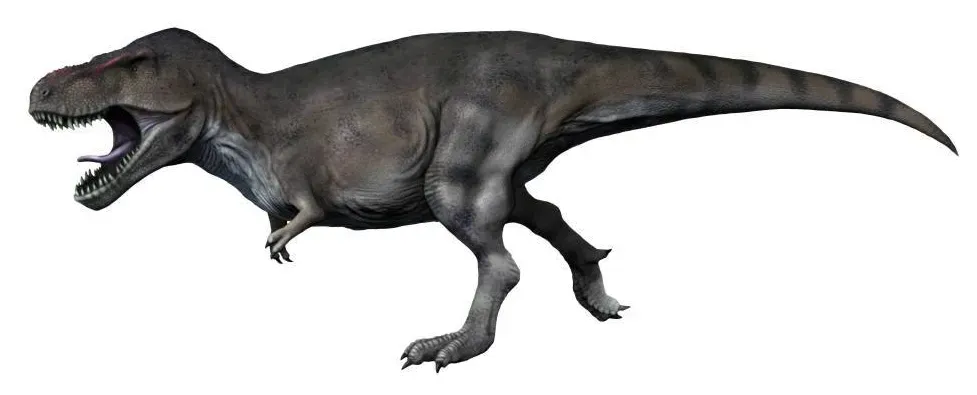
Let’s be real – the rise of the tyrannosaurs is one of the most dramatic evolutionary comeback stories in the entire history of life on Earth. For tens of millions of years, tyrannosaurs were effectively second-tier predators, kept in check by bigger, more dominant hunters. Then, around 90 million years ago, everything changed. Around 90 million years ago, all carcharodontosaur species went extinct. Their extinction left a vacancy in North American and Asian ecosystems for new, large predators to evolve and take over.
Somewhere between 90 and 80 million years ago, tyrannosaur species began to evolve towards a larger body size. Thanatotheristes was one of the earliest species of these large tyrannosaurs, living around 80 million years ago in Alberta’s prehistoric past. Thanatotheristes and its kin were among the ancestors that led to even larger tyrannosaur species, like the 12-meter-long Tyrannosaurus rex. The vacuum left by the carcharodontosaurs was the tyrannosaurs’ golden opportunity. The way big tyrannosaurs grew up allowed them to vastly influence their ecosystems in ways no other predators ever had before.
The Hidden Hierarchy Within the T-Rex’s Own Family
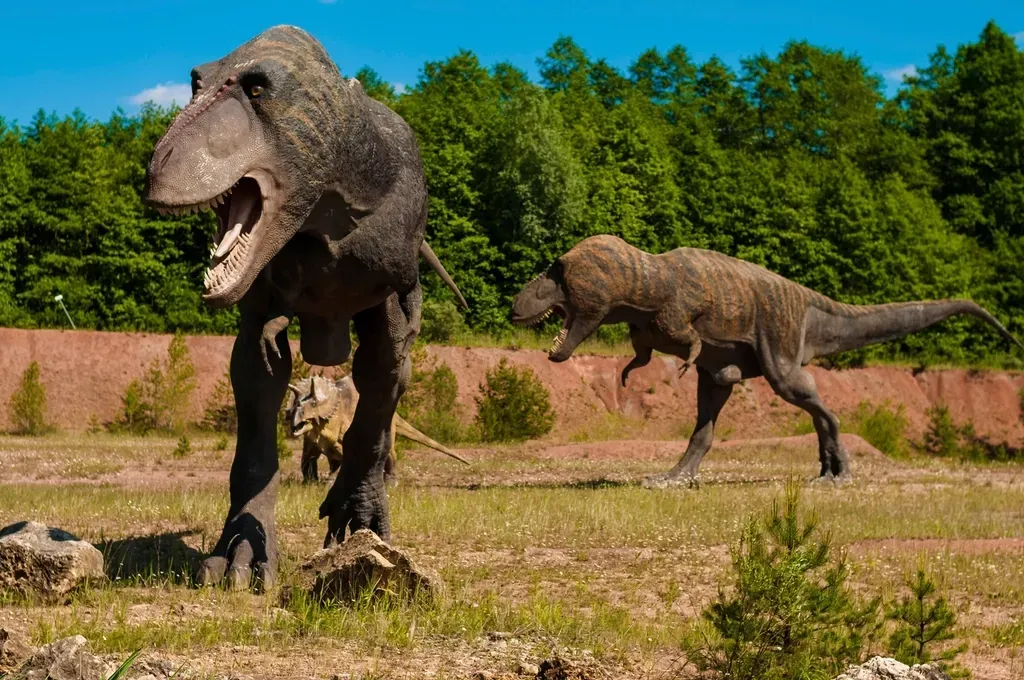
Even within the tyrannosaur dynasty, the hierarchy was far more nuanced than you might expect. It wasn’t just adult T-Rex ruling everything. Young tyrannosaurs and different species within the family actually played distinct ecological roles. The differences between adult and adolescent tyrannosaurs were so great that the animals almost lived like different species, pushing out mid-sized carnivores in a prehistoric takeover. That is a genuinely remarkable concept – one family of predators filling multiple ecological niches across different life stages.
If you were to visit ancient Alberta around 75 million years ago, you would likely encounter big, lanky tyrannosaurs such as Albertosaurus and Gorgosaurus. These dinosaurs were the top predators of their ecosystems, much like their more famous relative T-Rex. The tyrannosaur family was, in effect, a dynasty that sprawled across time and geography, with different members holding regional thrones. The next largest carnivore in the T-Rex’s immediate environment was the large dromaeosaur Dakotaraptor, though large for a dromaeosaur, it still didn’t exceed 5.5 meters in length or around 300 kilograms in weight. The gap between king and rivals was breathtaking.
The Ocean Had Its Own Terrifying Hierarchy
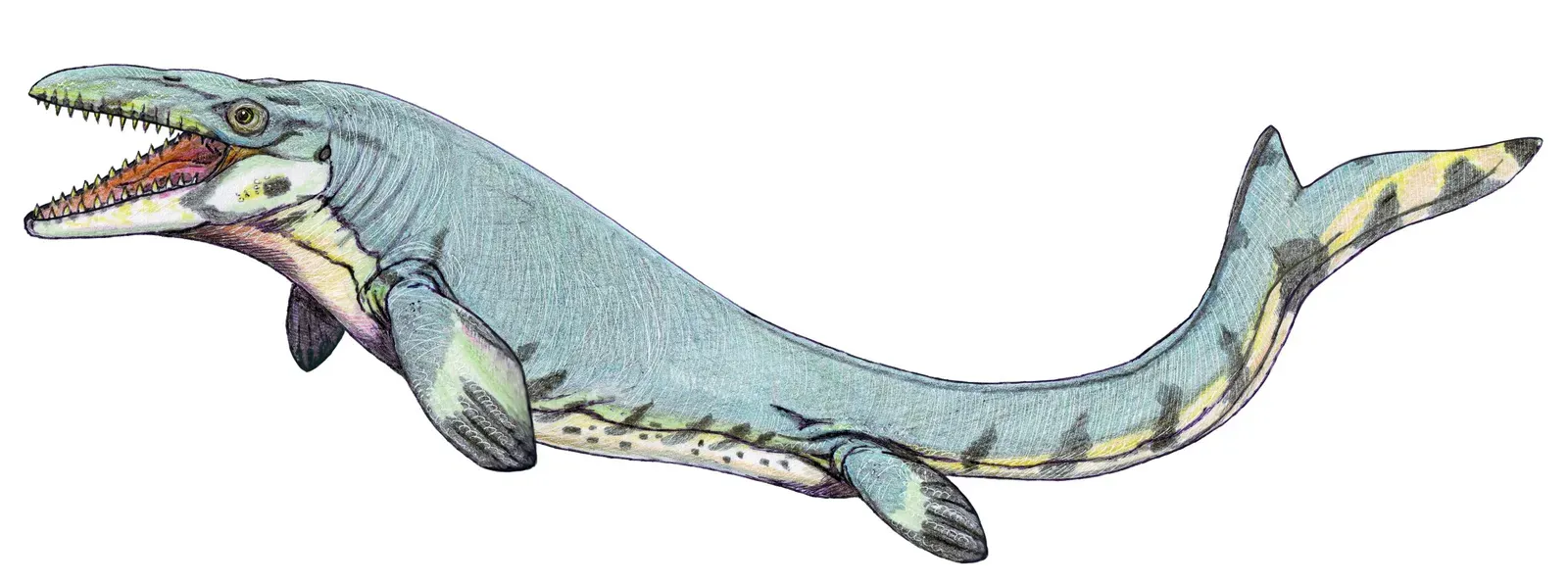
While everyone focuses on what was happening on land, the prehistoric oceans hosted some of the most complex and deadly food hierarchies ever seen on this planet. The highest trophic niches in Mesozoic oceans were filled by diverse marine reptiles, including ichthyosaurians, plesiosaurians, and thalattosuchians, dominating food webs during the Jurassic and Early Cretaceous. These were not minor players. They were the ocean’s apex hunters across enormous stretches of geological time.
During the last 20 million years of the Cretaceous period, with the extinction of the ichthyosaurs and pliosaurs, mosasaurids became the dominant marine predators. The mosasaurs, in particular, were terrifying in scope and appetite. Their diet would have included virtually any animal. They likely preyed on bony fish, sharks, cephalopods, birds, and other marine reptiles including sea turtles and other mosasaurs. They likely preferred to hunt in open water near the surface. Cannibalism, predator-on-predator hunting, and multi-level food webs – the oceans were arguably even more complex than the land.
What the Fossil Record Still Doesn’t Tell Us
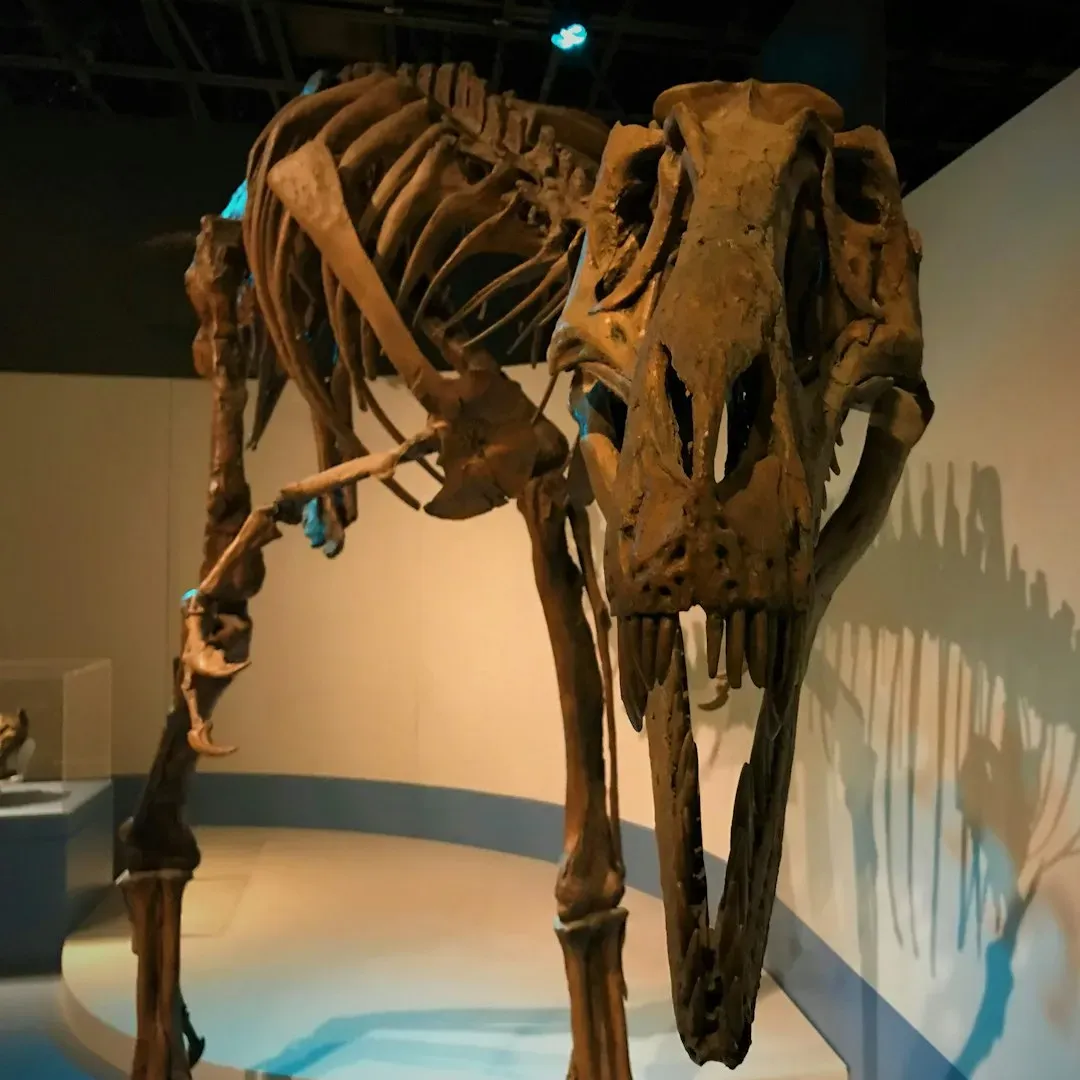
Here’s something that’s hard to fully appreciate: for all the incredible creatures we’ve discussed, the fossil record is still profoundly incomplete. I think this might be the most humbling truth in all of paleontology. The paleontological consensus about carnivorous dinosaurs is always subject to revision, fueled by dedicated research and the promise of future fossil discoveries. What we know is just a fraction of what once existed, and new discoveries are rewriting the story constantly.
Both fossils that led to the discovery of Thanatotheristes and Ulughbegsaurus had been found in Cretaceous-age rocks and sat in museum collections for at least a decade without much notice. After many months of study, each of these fossils turned out to be an entirely new species of meat-eating dinosaur, previously unknown to science. Two world-changing predators, sitting unnoticed in museum drawers. It’s both fascinating and a little unsettling. Researchers discovered a previously unseen seventh level in prehistoric food chains that was filled with enormous marine reptiles. A whole new tier of predation we didn’t even know existed until recently.
Conclusion
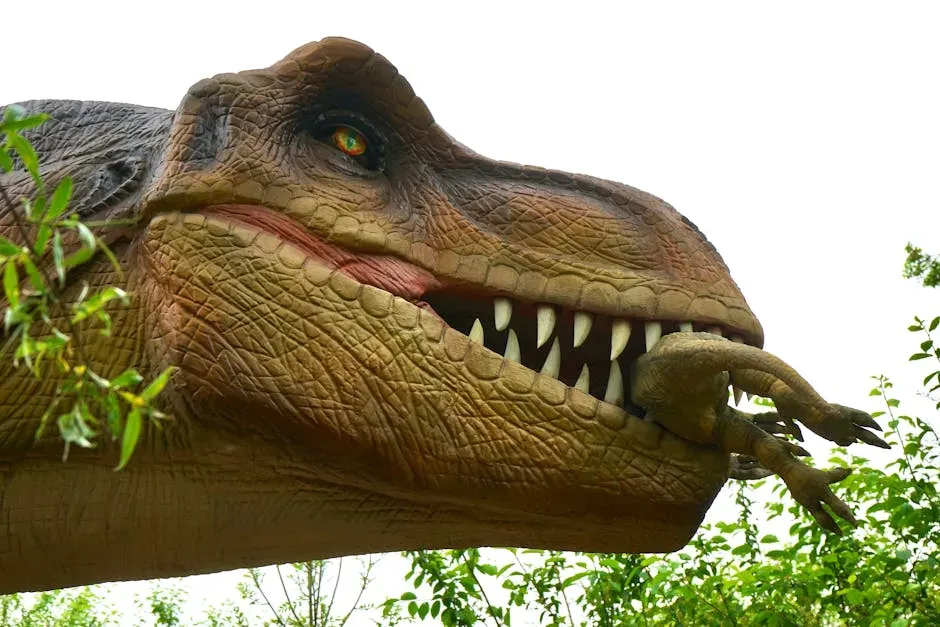
The T-Rex is extraordinary – nobody is taking that away from it. But it was one chapter in an immensely long and complicated story, a story populated with river-dwelling giants, ocean leviathans, South American titans, and shadow hunters that kept the tyrant lizard’s own ancestors from growing large enough to matter. Prehistoric predation was a relay race spanning hundreds of millions of years, and every runner in that race was genuinely, jaw-droppingly impressive in its own right.
Understanding these hidden hierarchies doesn’t diminish the T-Rex. If anything, it makes the entire story of life on Earth feel even more staggering – an epic saga of arms races, ecological collapses, and evolutionary opportunity that no single animal could ever fully represent. The next time someone tells you the T-Rex was the greatest predator that ever lived, you’ll know the real answer is far more complicated and far more fascinating. What creature in this hidden hierarchy surprised you the most?