Ask anyone to name a prehistoric predator and you will almost certainly hear the same answer every time: Tyrannosaurus rex. It is the celebrity of the dinosaur world, the rock star that has dominated museum posters, movie screens, and children’s imaginations for well over a century. Honestly, T. rex deserves some of that fame. It was extraordinary. However, to treat it as the sole crown jewel of an entire 80-million-year period is a bit like judging a continent by one city.
T. rex was only one species of many large, meat-eating dinosaurs that dominated various ecosystems at different times over the 130 million years of dinosaur reign. The Cretaceous was a world packed with nightmarish predators, continent-shaking giants, and ocean-going monsters that science is still working to fully understand. From the shark-toothed killers of Africa to the winged giants soaring overhead, this era was far stranger and far more magnificent than any single dinosaur could capture alone. Buckle up, because what you are about to discover might just change everything you thought you knew about prehistoric life. Let’s dive in.
The Cretaceous World: A Stage Set for Monsters
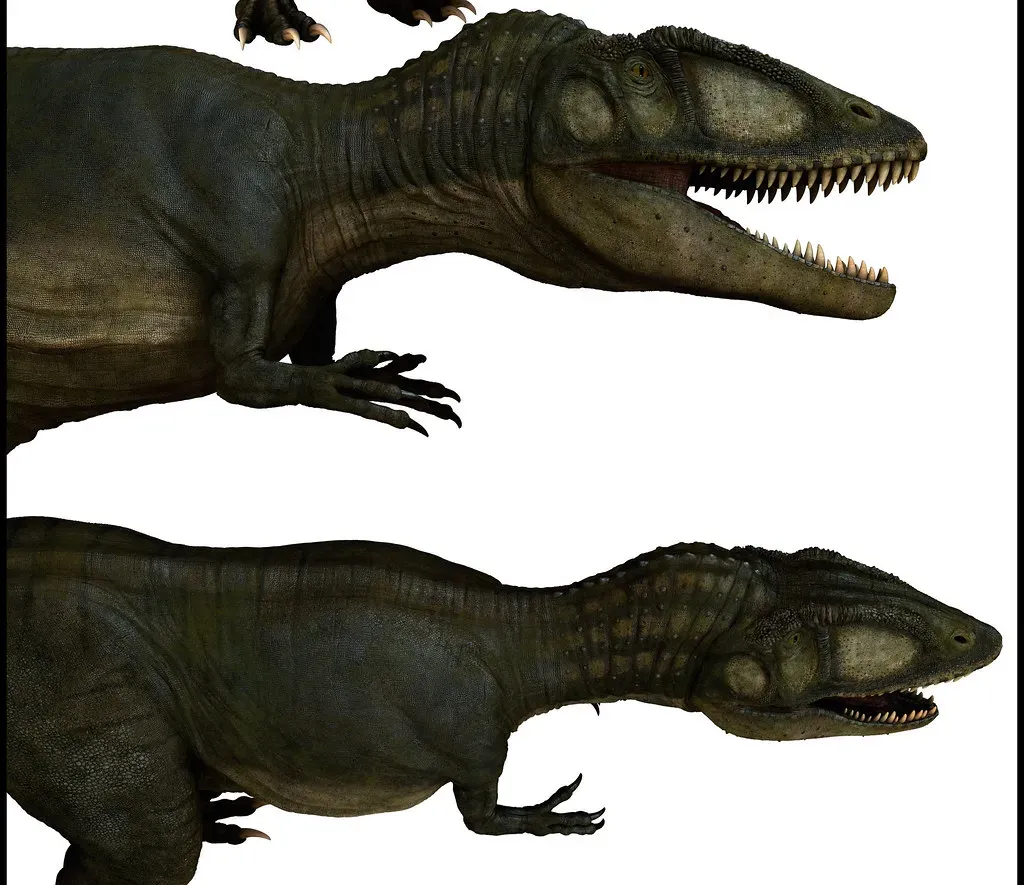
Think of the Cretaceous not as a single snapshot of prehistory, but as an epic saga stretching across unimaginable timescales. The Cretaceous, spanning from 145 to 66 million years ago, represents the last and longest period of the Mesozoic Era, and with a warm climate and high sea levels, it bore witness to the peak of dinosaur evolution. The continents you recognize today were still drifting and reshaping themselves, creating isolated evolutionary laboratories on each landmass.
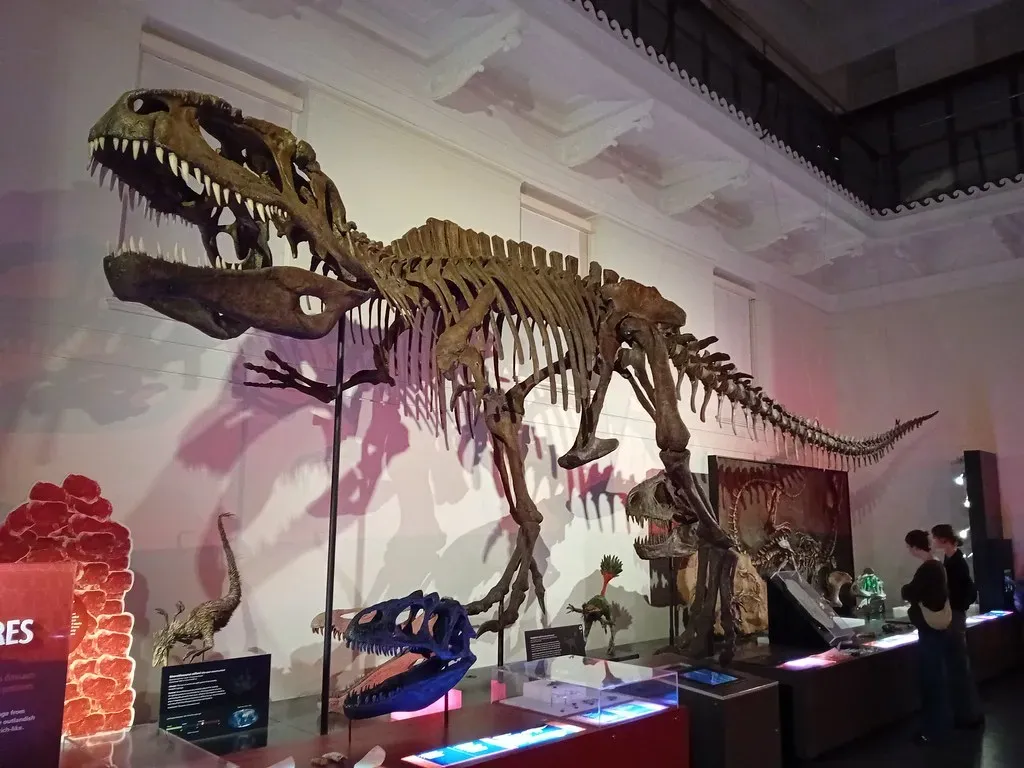
During the Cretaceous Period, most species of top predator that evolved in North America and Asia were either carcharodontosaurs, meaning shark-toothed dinosaurs, or tyrannosaurs, the so-called tyrant dinosaurs. The earlier part of the Cretaceous was ruled by carcharodontosaurs, after which tyrannosaurs replaced them as the top predators until the end of the Cretaceous. This transition of power, unfolding over millions of years, is one of the most dramatic ecological stories ever told on this planet.
Giganotosaurus: The Giant Southern Lizard That Rivaled Everything
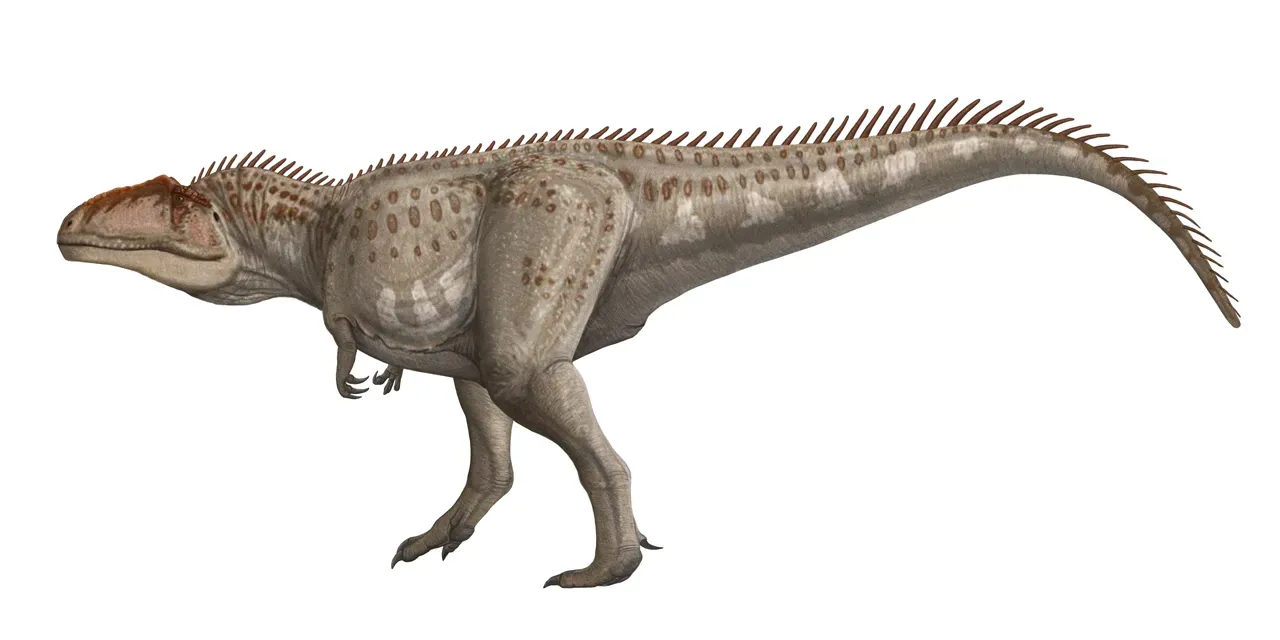
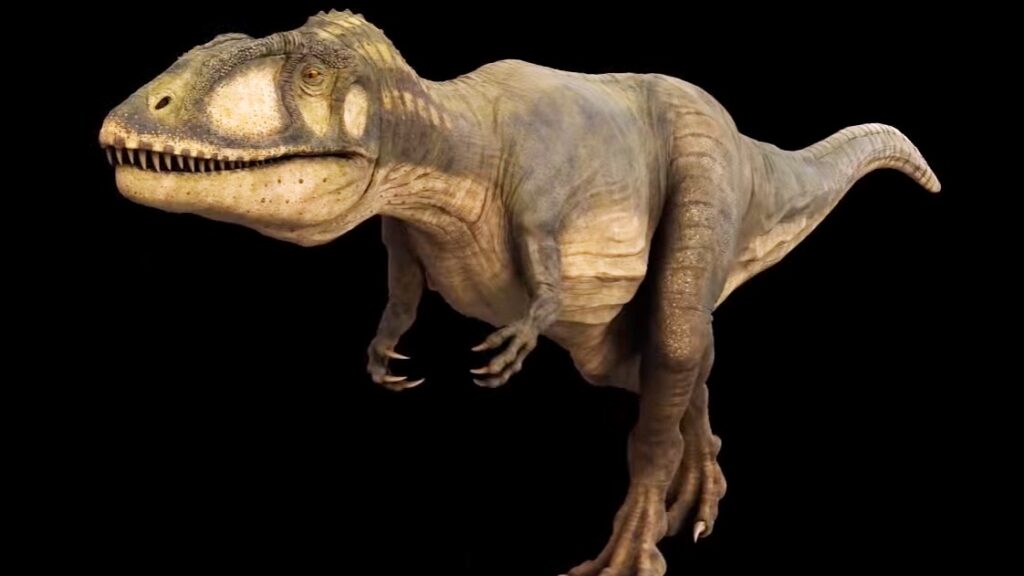
Here is something that may genuinely surprise you. Long before T. rex was even a glimmer in evolution’s eye, a colossal predator was already reigning supreme in South America. Giganotosaurus is a genus of large theropod dinosaur that lived in what is now Argentina, during the early Cenomanian age of the Late Cretaceous period, approximately 99.6 to 95 million years ago. Its name literally translates to “giant southern lizard,” and for once, a name actually delivers on its promise.
The genus attracted much interest and became part of a scientific debate about the maximum sizes of theropod dinosaurs, and Giganotosaurus was one of the largest known terrestrial carnivores, though the exact size has been hard to determine due to the incompleteness of the remains found so far. What we do know is that Giganotosaurus is thought to have been the apex predator of its ecosystem, and it may have fed on juvenile sauropod dinosaurs. Imagine a predator specifically evolved to hunt animals the size of buildings. That is not drama. That is just Tuesday in the Cretaceous.
Carcharodontosaurus: Africa’s Shark-Toothed Terror
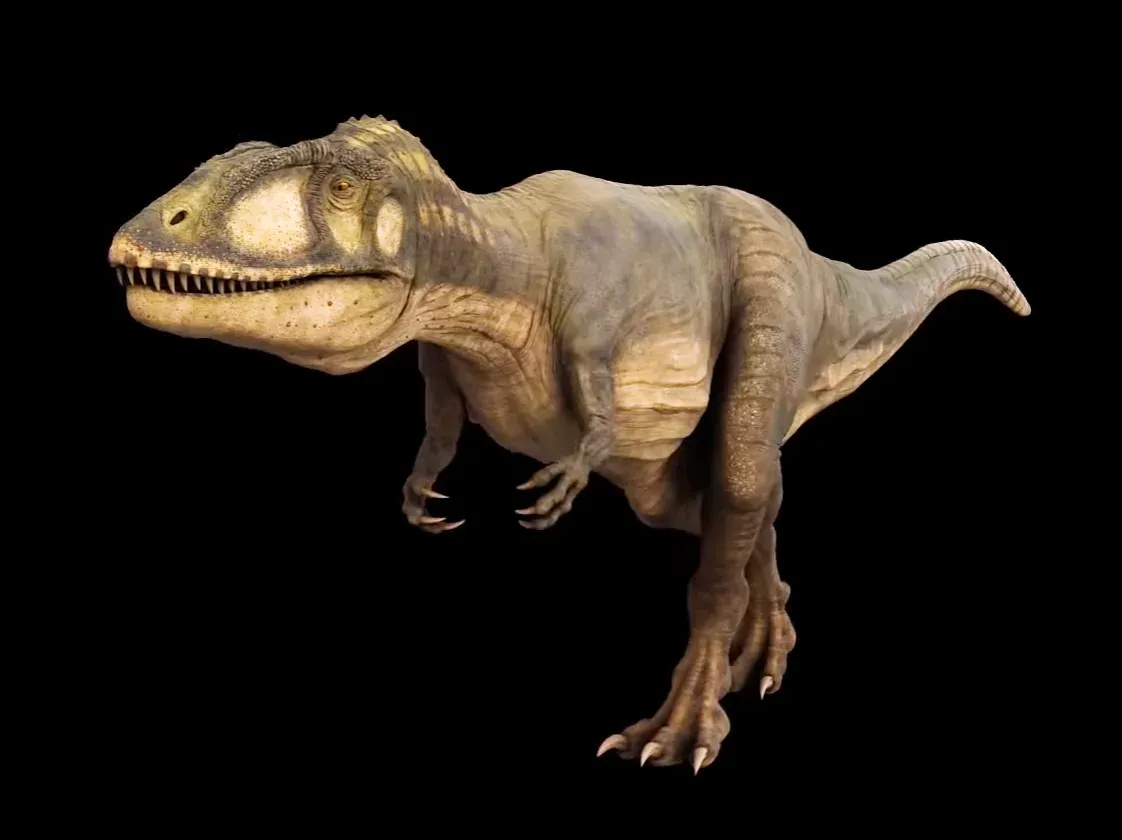
If you want a glimpse at how terrifyingly well-armed a dinosaur could be, look no further than Carcharodontosaurus. What truly set Carcharodontosaurus apart were its enormous, blade-like, serrated teeth, which reached lengths of up to eight inches, some of the largest slicing teeth of any theropod. These remarkable teeth inspired its name, which is Latin for “shark-toothed lizard,” referencing their uncanny similarity to the serrations of great white shark teeth. Even by Cretaceous standards, that is next-level intimidating.
This genus reached lengths of 11 to 13.5 meters and weighed between 6.5 and 8 metric tons, making it a significant predator of its time. With features such as a broad skull, long muscular legs, and sharp teeth, Carcharodontosaurus was well-adapted to hunting large herbivorous dinosaurs. With spinosaurids occupying semi-aquatic lifestyles, carcharodontosaurids were easily the largest terrestrial predators in the early and middle Cretaceous. That is a title worth taking seriously.
Spinosaurus: The River Monster That Rewrote the Rulebook
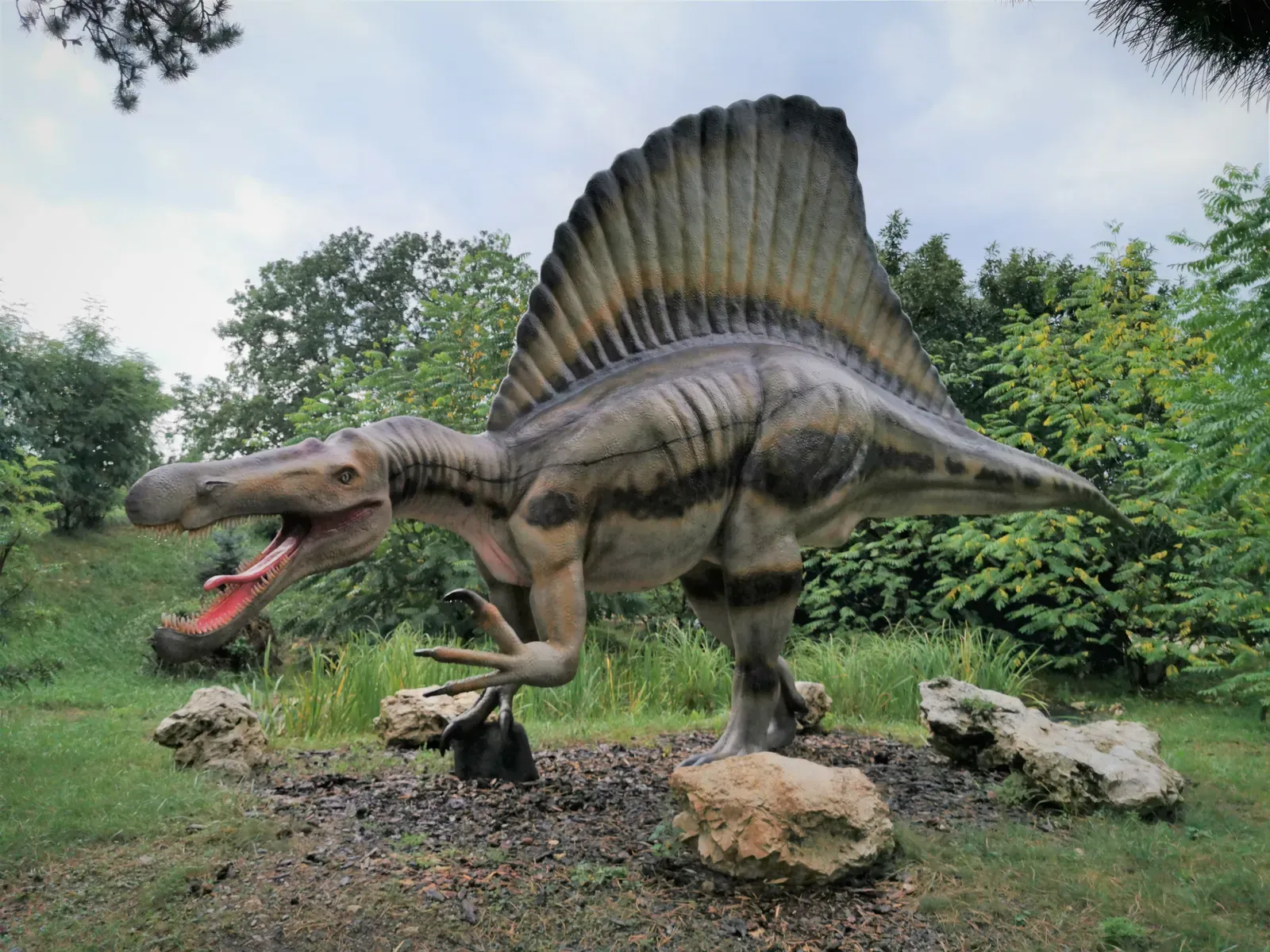
I think Spinosaurus may be the single most mind-bending predator that has ever walked the Earth. Spinosaurus is among the largest known terrestrial carnivores, alongside theropods such as Tyrannosaurus, Giganotosaurus, and the contemporary Carcharodontosaurus. A 2022 study suggests that it could have reached 14 meters in length and 7.4 tonnes in body mass. That makes it potentially the longest predatory dinosaur ever discovered. Let that sink in.
This dinosaur, whose name means “spine lizard,” was a semi-aquatic behemoth that roamed the river systems of what is now North Africa during the Cretaceous period. The Spinosaurus is a testament to the incredible diversity and adaptability of life on Earth. Its unique features, such as its elongated, crocodile-like skull and the distinctive sail-like spines on its back, set it apart from other dinosaurs. The sail alone could reach over five feet tall, a visual statement that screamed dominance from across any prehistoric floodplain.
Acrocanthosaurus: The Ridge-Backed Killer of North America
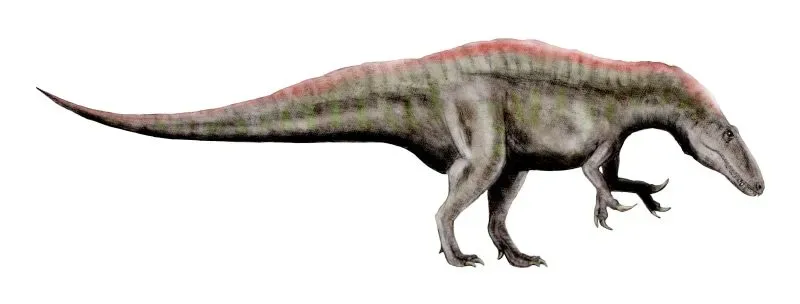
Long before T. rex established its North American empire, a different giant held the throne. Prowling the forests of Early Cretaceous North America, Acrocanthosaurus atokensis stood out among predators with its distinctive sail-like ridge running along its back. This massive theropod, measuring up to 38 feet in length, combined the size of the largest predators with unique adaptations that set it apart from its contemporaries. The elongated neural spines that formed its distinctive back ridge may have supported either a sail or a muscular hump.
The arms of Acrocanthosaurus were particularly well-developed compared to other large theropods, suggesting they played an important role in hunting behavior. Unlike the reduced arms of T. rex or the vestigial limbs of Carnotaurus, Acrocanthosaurus possessed powerful forelimbs with large, curved claws that could have been used to grapple with prey or deliver devastating slashing attacks. Trackway evidence suggests that Acrocanthosaurus was an active predator that pursued prey across considerable distances. It was not simply lurking and waiting. This thing gave chase.
The Titanosaurs: When the Prey Was Just as Staggering
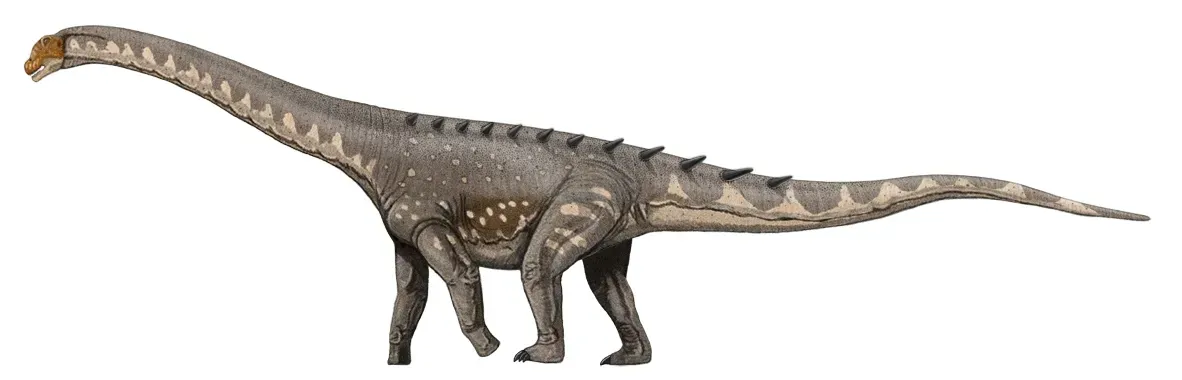
Let’s be real about something: to truly appreciate a predator, you have to understand what it was up against. In the Cretaceous world, the herbivores were not timid creatures. They were colossal beyond modern comprehension. While the northern hemisphere’s biggest dinosaurs lived during the Jurassic, it was in the Cretaceous that the southern hemisphere saw its largest reptiles. In fact, during this period, some of the biggest land animals to have ever existed appeared, and the largest of all belong to a group of sauropod dinosaurs called titanosaurs.
Although no complete skeletons of Argentinosaurus have been found, estimates of the dinosaur’s length range from 37 to 40 meters, and it was thought to have weighed 90 to 100 metric tons. By these measures, Argentinosaurus was the largest dinosaur, as well as the largest land animal, ever known. You are picturing a six-story building that eats plants and walks. Predators like Giganotosaurus had to be enormous just to have a chance against prey like this. The arms race between hunter and hunted in the Cretaceous was genuinely staggering in scale.
Mosasaurus: The Undisputed King of the Cretaceous Seas
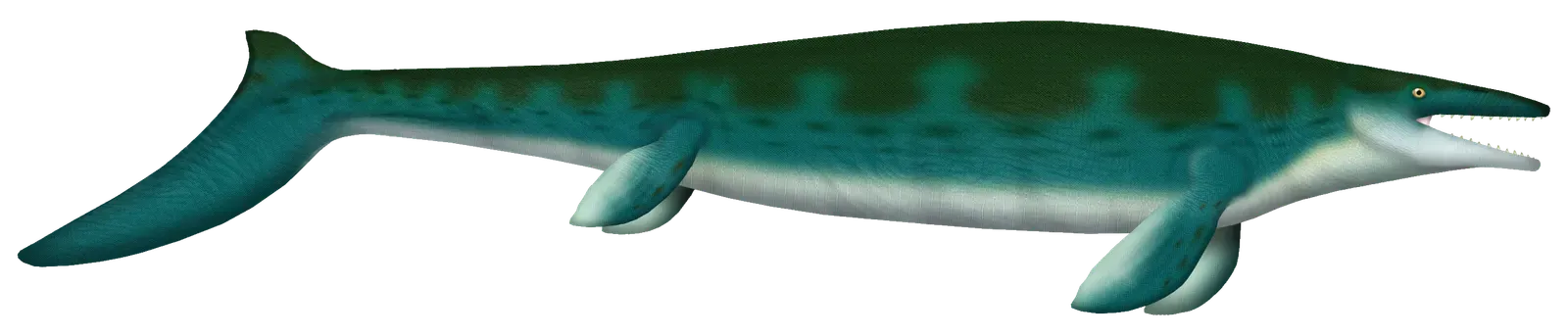
While the land-dwelling dinosaurs were getting all the attention on the surface, something terrifying was happening in the oceans. The Mosasaurus was a true apex predator of the Late Cretaceous seas, reigning from about 70 to 66 million years ago. As one of the largest marine reptiles in history, this oceanic leviathan stretched up to 17 meters and weighed an estimated 10 tons. Think of it as the T. rex of the ocean, except arguably more dangerous because you could not simply run away on dry ground.
Paleontologists have discovered the preserved remains of mosasaur stomachs which contain food like fish, sharks, cephalopods, birds, and even other mosasaurs. It is likely that mosasaurs were not picky and would eat pretty much anything that could fit into their enormous mouths, which, it turns out, was quite a lot. During the last roughly 20 million years of the Cretaceous period, with the extinction of the ichthyosaurs and pliosaurs, mosasaurids became the dominant marine predators. Nothing in the Cretaceous ocean was safe from them.
Quetzalcoatlus: The Sky King That Defied Belief
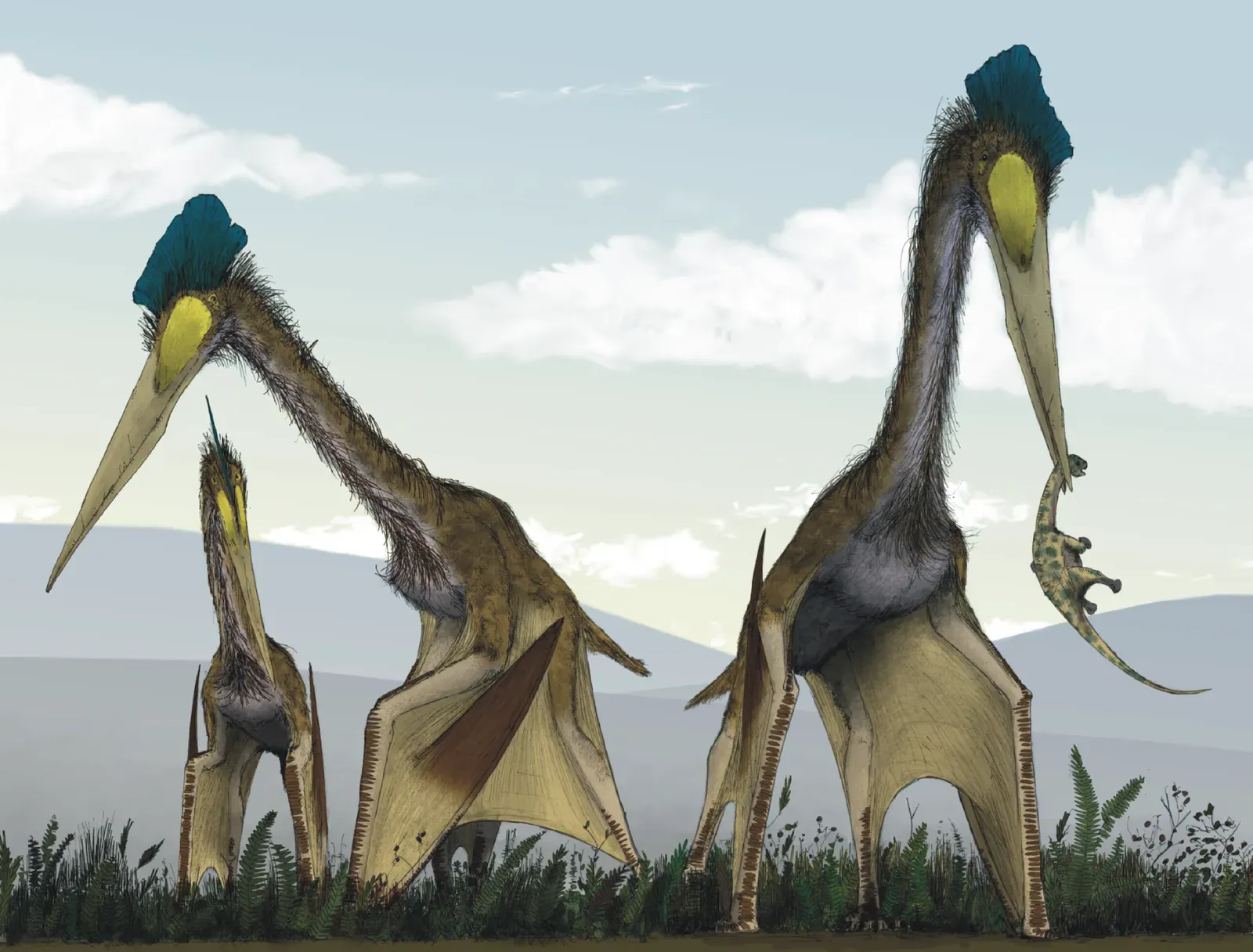
Even the sky had its supreme rulers during the Cretaceous, and they were as jaw-dropping as anything roaming the ground or swimming the seas. Quetzalcoatlus, one of the largest pterosaurs, had a wingspan of up to 40 feet, which is about 12 meters, and was characterized by its long, toothless beak. It likely used its strong legs and wings to launch into the air, and it may have scavenged for food on land and in shallow waters. Imagine a giraffe with wings. That is not far off from the scale we are talking about.
The largest known pterosaur lived during the Cretaceous Period. Quetzalcoatlus had a wingspan that may have reached 15.9 meters, the largest of any known flying animal. This giant flying reptile was found in North America. It’s hard to say for sure exactly how it hunted, but the sheer physical presence of an animal with a wingspan wider than a school bus is enough to suggest it commanded absolute respect from anything below it, land or sea.
The Rise of Tyrannosaurs: A Power Shift 80 Million Years in the Making
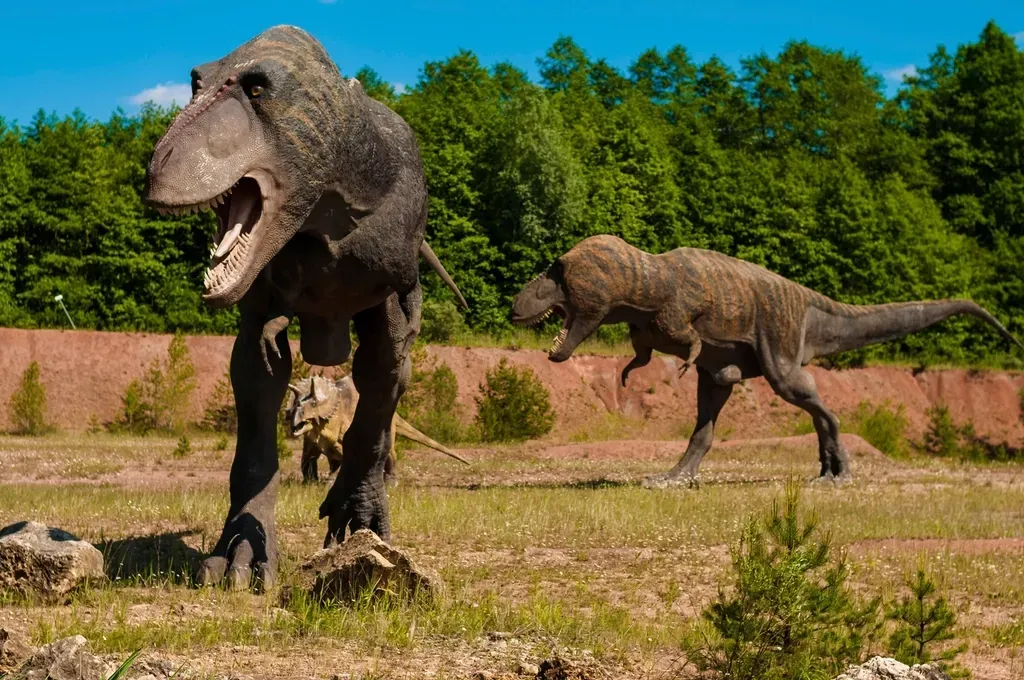
Here is the thing about T. rex that often gets overlooked: it was actually the latecomer to its own party. The tyrannosaurs, which for the most part were knee-high to a carcharodontosaur for tens of millions of years prior, finally made their play. Somewhere between 90 and 80 million years ago, tyrannosaur species began to evolve towards a larger body size. This was not a quick takeover. It was a slow, grinding evolutionary surge that took millions of years.
Around 90 million years ago, all carcharodontosaur species went extinct, and their extinction left a vacancy in North American and Asian ecosystems for new, large predators to evolve and take over. Thanatotheristes was one of the earliest species of these large tyrannosaurs, living around 80 million years ago in Alberta’s prehistoric past. Thanatotheristes and its kin were among the ancestors that led to even larger tyrannosaur species, like the 12-metre-long Tyrannosaurus rex. These large species went on to rule Cretaceous ecosystems of North America and Asia for the last 10 million years before the mass extinction event that wiped out the dinosaurs. Ten million years of dominance. Respectable. Yet the carcharodontosaurs held court for far longer before them.
The End of an Era: How the Cretaceous World Collapsed
No discussion of the Cretaceous kings would be complete without confronting the most dramatic final act in Earth’s history. The Mesozoic Era came to a dramatic conclusion with the Cretaceous-Paleogene extinction event, which occurred approximately 66 million years ago. This catastrophic event, likely triggered by a massive asteroid impact and exacerbated by factors such as volcanic activity, resulted in the extinction of the non-avian dinosaurs and numerous other plant and animal species, reshaping the course of life on Earth. Every creature mentioned in this article, every apex predator and sky giant, vanished in what is, geologically speaking, the blink of an eye.
The demise of the dinosaurs opened up new ecological opportunities for other organisms, particularly the mammals, which began to diversify and expand their presence in the Cenozoic Era. The extinction event also paved the way for the rise of modern birds, the descendants of the feathered theropod dinosaurs, which would eventually become one of the most successful and diverse groups of vertebrates on the planet. In a strange and beautiful twist, the age of dinosaurs never truly ended. Every time you watch a sparrow or a hawk take flight, you are seeing a feathered echo of that vanished world.
Conclusion: T. Rex Was a Legend, But the Cretaceous Was a Dynasty
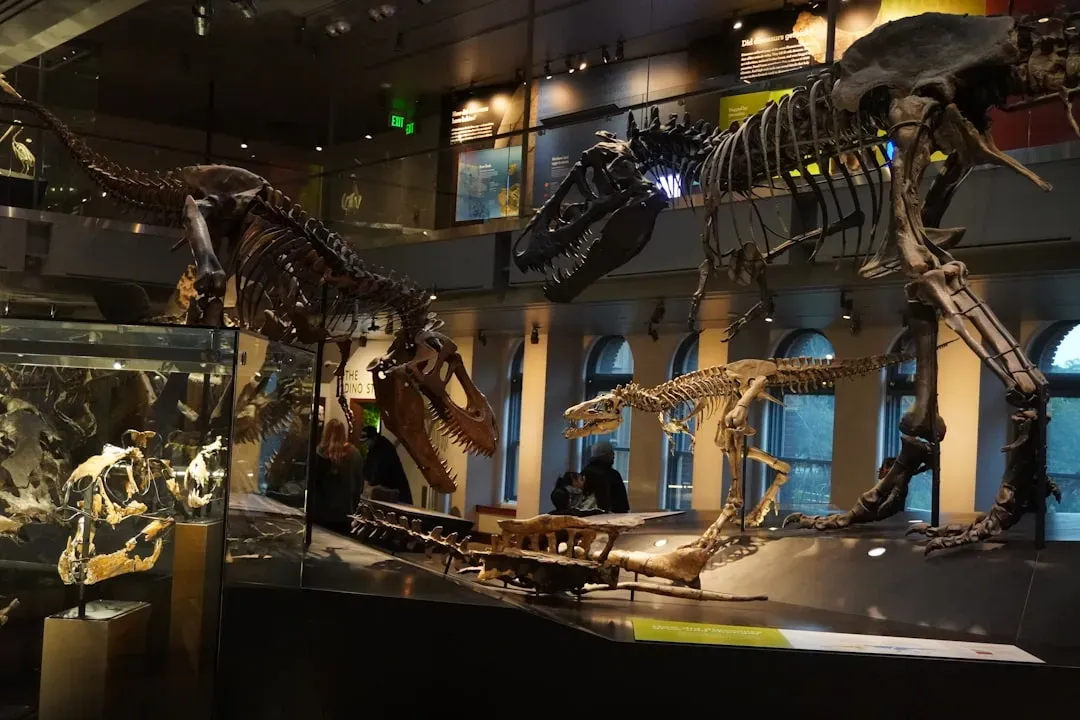
The Tyrannosaurus rex is an icon, and it earned every bit of that status. Its bone-crushing bite, its towering frame, and its sheer predatory intelligence make it genuinely remarkable. Still, the story of the Cretaceous is so much bigger, stranger, and more awe-inspiring than one species alone can carry. You had the shark-toothed giants of Africa, the river monsters of North Africa, the sky kings with wingspans wider than most city buses, and ocean predators that ate sharks for breakfast.
The Cretaceous was not the age of T. rex. It was the age of predatory innovation on a scale the world had never seen before or since. T. rex was a spectacular final chapter in a saga of kings, not the whole story. The more we learn about these ancient predators, the more we realize that the Late Cretaceous was not just the age of T. rex, but the age of predatory innovation on a scale that the world has never seen since. The Late Cretaceous period stands as a testament to the incredible diversity of predatory strategies that evolution can produce. So the next time someone tells you T. rex was the king of the dinosaurs, you will know better. What do you think the most underrated Cretaceous predator is? Tell us in the comments below.