Manchester – Representatives from more than 150 countries gathered last week to approve a comprehensive IPBES assessment that reframes biodiversity loss as a fundamental economic challenge for businesses worldwide.
Every Sector Relies on Nature’s Foundations
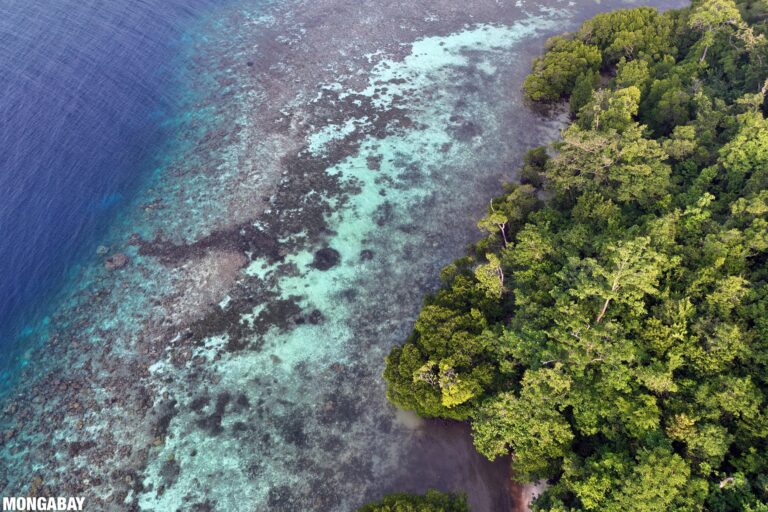
Every Sector Relies on Nature’s Foundations (Image Credits: Imgs.mongabay.com)
The report underscores a basic truth: all businesses depend on biodiversity, whether directly through operations or indirectly via supply chains. Crops need pollination and fertile soil, hydropower requires stable watersheds, and even insurers factor in ecosystem-driven flood risks. Since 1992, human-made capital per person doubled even as natural capital stocks declined by nearly 40 percent.
This erosion already affects more than half of global GDP, which relies on services like water cycling and climate regulation across agriculture, manufacturing, and finance. The assessment, developed over three years by 79 experts from 35 countries, draws from over 5,000 references to highlight these interconnections.
Financial Flows Fuel the Crisis
In 2023, public and private finance totaling $7.3 trillion supported activities harmful to nature, with private sources accounting for about two-thirds and subsidies reaching $2.4 trillion. Conservation and restoration received just $220 billion in comparison – a fraction of the damaging investments.
| Category | Amount (2023) |
|---|---|
| Harmful Finance Flows | $7.3 trillion |
| Private Finance (Harmful) | $4.9 trillion |
| Harmful Subsidies | $2.4 trillion |
| Conservation Funding | $220 billion |
Such imbalances show how current incentives prioritize short-term profits over long-term stability, perpetuating systemic risks.[4]
Risks That Span Sectors and Borders
Biodiversity decline exposes companies to physical risks like crop failures and supply disruptions, transition risks from stricter regulations and shifting consumer demands, and systemic threats from ecological tipping points. Fewer than 1 percent of publicly reporting companies disclosed biodiversity impacts last year, hampered by data gaps and measurement challenges.
- Physical: Supply chain breakdowns from ecosystem failure.
- Transition: Policy changes and market pressures.
- Systemic: Irreversible tipping points affecting entire economies.
- Indigenous impacts: 60 percent of lands threatened by industry.
Financial institutions managing 30 percent of global market capitalization cited unreliable data as a top barrier to assessing these vulnerabilities.
Tools and Actions for Transformative Change
The assessment outlines over 100 specific actions across policy, finance, technology, and knowledge domains, urging businesses to adopt tailored measurement methods based on coverage, accuracy, and responsiveness. No single metric fits all, but existing frameworks like the Taskforce on Nature-related Financial Disclosures can guide decisions at site, value-chain, and portfolio levels.
“Businesses and other key actors can either lead the way towards a more sustainable global economy or ultimately risk extinction,” stated Matt Jones, co-chair of the assessment.[4] Governments must reform subsidies and mandate disclosures, while civil society pushes for transparency. UK-hosted IPBES-12 in Manchester generated £3.1 million in local economic benefits while advancing this agenda.
Key Takeaways
- Biodiversity underpins over half of global GDP but faces massive harmful financing.
- Immediate risks demand better disclosure and measurement tools.
- Collaborative action across sectors is essential for resilience.
The IPBES report marks a shift from viewing nature as a side concern to recognizing it as essential for economic continuity. Businesses that integrate these insights stand to build resilience amid growing uncertainties. Access the Summary for Policymakers for deeper guidance. What steps should companies take next? Tell us in the comments.