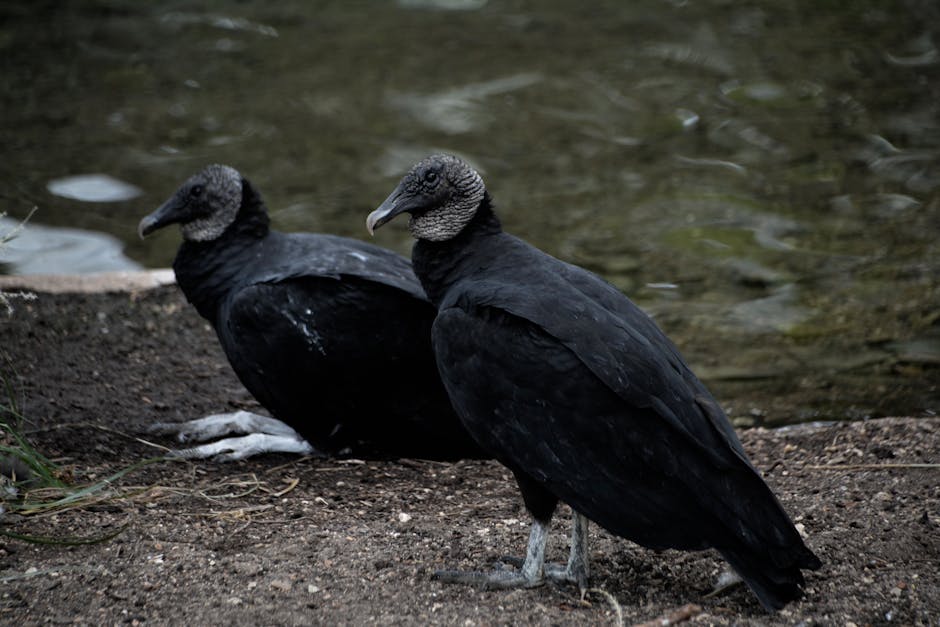
Researchers at the University of Georgia recently examined the impact of highly pathogenic avian influenza on black vultures, revealing a devastating outbreak. Their analysis of 134 carcasses showed that 113 tested positive for the H5N1 virus, an 84 percent infection rate. This discovery suggests tens or even hundreds of thousands of black vultures across the Americas may have fallen victim to the disease.
Shocking Findings from Carcass Analysis
Shocking Findings from Carcass Analysis (Image Credits: Pexels)
Four out of every five dead black vultures examined carried traces of the virus. The University of Georgia team conducted necropsies on birds collected from various sites, confirming the widespread presence of H5N1. This strain has circulated globally, but its effects on scavengers like black vultures mark a significant concern.
Nicole Nemeth, a wildlife disease researcher and veterinarian at the university, highlighted the scale of the problem. She noted that the sampled birds likely represent a much larger death toll. “This virus is scary. It’s changing. And it’s doing continual damage to our wildlife – on top of all the other challenges these wildlife already face,” Nemeth stated.
Scavenging Behavior Drives Infection
Black vultures, scientifically known as Coragyps atratus, thrive as scavengers in the southern United States and throughout Central and South America. They feed on carrion, which exposes them to pathogens year-round, even outside typical bird flu seasons. In this case, the birds appear to have contracted H5N1 by consuming infected carcasses, including those of their own kind.
Cannibalism among vultures accelerates transmission within populations. Past studies indicate that about half of black vultures exposed to avian influenza survive the infection. However, repeated exposure raises risks for survivors and amplifies the outbreak’s reach.
Ecosystem Guardians Under Threat
Vultures play a crucial role in maintaining healthy ecosystems by clearing away dead animals. This service prevents the buildup of carcasses that could foster diseases in wildlife, livestock, and even humans. Declines in vulture numbers elsewhere have correlated with increased outbreaks of illnesses like anthrax and rabies.
In regions where vultures have diminished, disease transmission to domestic animals and people has risen. Black vultures’ abundance offers some buffer, but the current H5N1 surge underscores vulnerabilities. Researchers emphasize that losing these birds could disrupt environmental balance on a continental scale.
- Remove decaying matter to curb bacterial growth.
- Limit access of pathogens to live animals and humans.
- Support biodiversity by controlling scavenger competitors.
- Act as indicators of environmental health through their foraging patterns.
- Reduce waste in natural and agricultural areas.
Signs of Resilience Amid the Crisis
Some black vultures sampled showed antibodies to avian influenza, suggesting prior exposure and survival. This immunity could help the population withstand future waves. The species’ large numbers provide reassurance that extinction remains unlikely in the near term.
Still, experts caution against complacency. Smaller vulture species or those with fragmented habitats face greater peril from similar outbreaks. Ongoing monitoring will determine if H5N1 evolves to pose deadlier threats. For deeper insights, see the full study in Scientific Reports or the UGA Today article.
Implications for Wildlife Conservation
The H5N1 virus continues to challenge North American wildlife beyond poultry. Black vultures’ plight highlights how adaptable pathogens exploit ecological niches. Conservationists now prioritize surveillance in scavenger communities to track spread and response.
While black vultures endure, the outbreak signals risks for other species. Researchers advocate for expanded testing and habitat protections to bolster resilience.
Key Takeaways:
- 84% of examined black vulture carcasses tested positive for H5N1.
- Scavenging and cannibalism fuel rapid transmission.
- Vultures’ ecological role protects against broader disease outbreaks.
As avian influenza persists, its impact on scavengers like black vultures demands vigilance from scientists and policymakers. Protecting these birds safeguards ecosystems and public health alike. What do you think this means for wildlife in your area? Tell us in the comments.