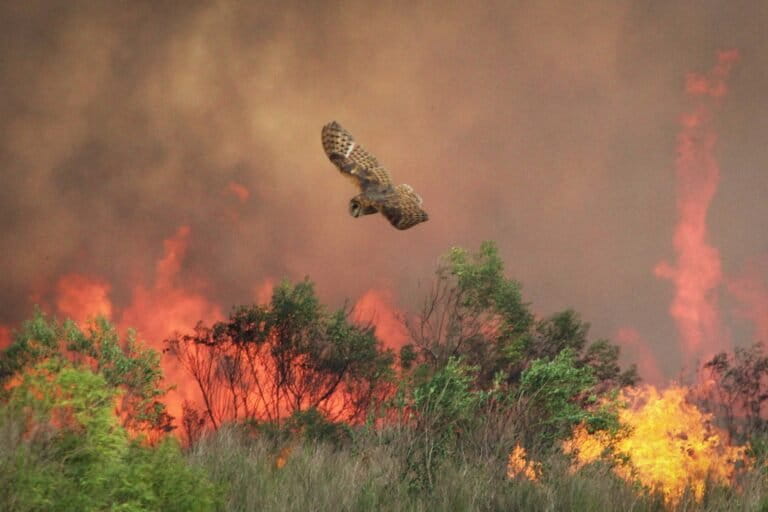
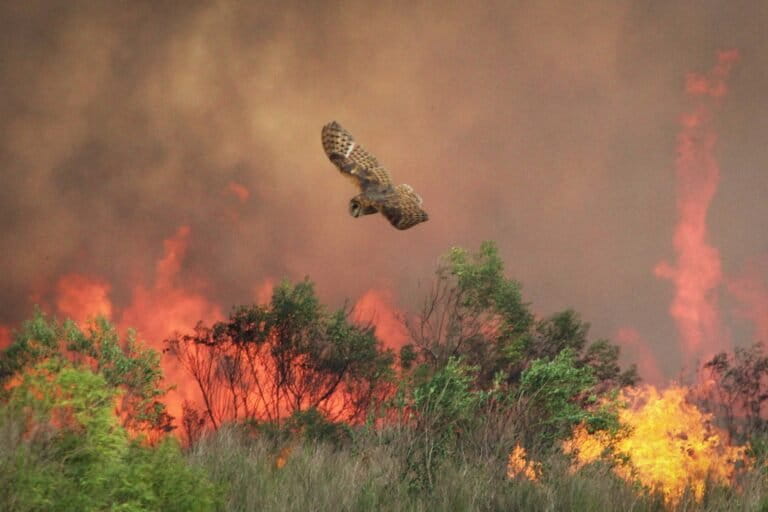
The Rise of Fire-Favoring Species (Image Credits: Imgs.mongabay.com)
Sierra Nevada – Amid the escalating frequency of wildfires across California’s coniferous landscapes, certain bird species have demonstrated remarkable adaptability, turning scorched forests into thriving habitats.
The Rise of Fire-Favoring Species
Researchers observed that the black-backed woodpecker quickly colonized burned areas in the Sierra Nevada following major blazes. This species, known for its affinity to fire-damaged trees, excavated nests in the charred snags that remained standing after flames passed through. Such behavior highlighted how some birds not only survived but flourished in post-fire environments. Studies spanning decades in national parks like Yosemite and Sequoia captured this pattern, showing influxes of these woodpeckers within months of a fire’s end.
Ecologists noted similar responses from other cavity-nesting birds, which sought out the softened wood created by heat for easier drilling. These adaptations underscored the ecological role of fire in maintaining diverse forest structures. However, the intensity of recent fires raised questions about whether such benefits could persist. Overall, these observations painted a picture of opportunistic avian recovery in the immediate aftermath.
Decades-Long Population Boosts
A comprehensive analysis of bird monitoring data from 1999 to 2019 in Sierra Nevada protected areas revealed enduring positive effects from wildfires. Of 42 species examined in one Bay Area-focused study, 28 experienced elevated population densities in burned zones, with some increases lasting up to several decades. Low- to moderate-severity fires, in particular, promoted understory growth that attracted foraging birds. This data, drawn from point-count surveys, accounted for detection challenges to provide accurate density estimates.
Scientists attributed these shifts to the creation of open canopies and insect surges in decaying wood, which served as vital food sources. Yet, the research emphasized that high-severity burns disrupted more species than they aided. In parks like Kings Canyon, repeated fires over 35 years altered community compositions, favoring fire-resilient types. These findings offered insights into how forests might evolve under a changing climate regime.
Threats Posed by Megafires
While moderate fires benefited many birds, the rise of megafires introduced severe challenges to California’s avian populations. Intense blazes consumed vast swaths of habitat, leaving little for species dependent on partial burns. Historical suppression policies contributed to fuel buildup, exacerbating these events and hindering natural recovery processes. Biologists warned that without intervention, such fires could tip the balance toward long-term declines in biodiversity.
In the Sierra Nevada, extreme weather patterns linked to climate change amplified fire risks, pushing ecosystems toward uncharted territories. Smoke from widespread burns displaced birds, forcing migrations that strained energy reserves. Conservationists highlighted the need for managed burns to mimic natural cycles and mitigate megafire impacts. Still, the adaptability seen in species like the black-backed woodpecker provided hope for targeted protection strategies.
Shifting Conservation Strategies
Wildlife managers adapted approaches based on evidence from long-term studies, prioritizing the preservation of burned forests as critical habitats. Efforts focused on monitoring post-fire colonization to inform restoration projects that retained dead trees for nesting. In response to increasing fire frequency, agencies integrated bird data into broader ecosystem planning. These measures aimed to balance human safety with ecological needs in fire-prone regions.
Collaborations between research institutes and national parks enhanced data collection on avian responses. For instance, the Institute for Bird Populations contributed key findings on density changes after burns. Policymakers considered these insights to refine fire management, ensuring that conservation supported both resilient species and vulnerable ones. The evolving landscape demanded flexible tactics to safeguard California’s rich ornithological diversity.
- Black-backed woodpecker: Thrives by nesting in fire-killed trees.
- Cavity-nesters: Benefit from insect booms in scorched wood.
- Foraging species: Attracted to new vegetation in low-severity burn areas.
- Songbirds: Some populations increase due to reduced canopy competition.
- Raptors: Use open post-fire spaces for hunting.
Key Takeaways
- Moderate wildfires boost densities for over two-thirds of studied bird species, lasting years or decades.
- Megafires pose risks by destroying habitats faster than birds can recolonize.
- Conservation must emphasize retaining burn remnants to aid recovery.
As California’s wildfires intensify, the resilience of birds like the black-backed woodpecker signals potential pathways for coexistence with fire, yet underscores the urgency of proactive conservation. What steps do you believe are essential for protecting these feathered survivors? Share your thoughts in the comments.