Puerto Rico – Restoration projects across the island now draw inspiration from native birds to reconnect shattered woodlands and bolster ecological resilience.
Nearly Erased: A Century of Forest Loss
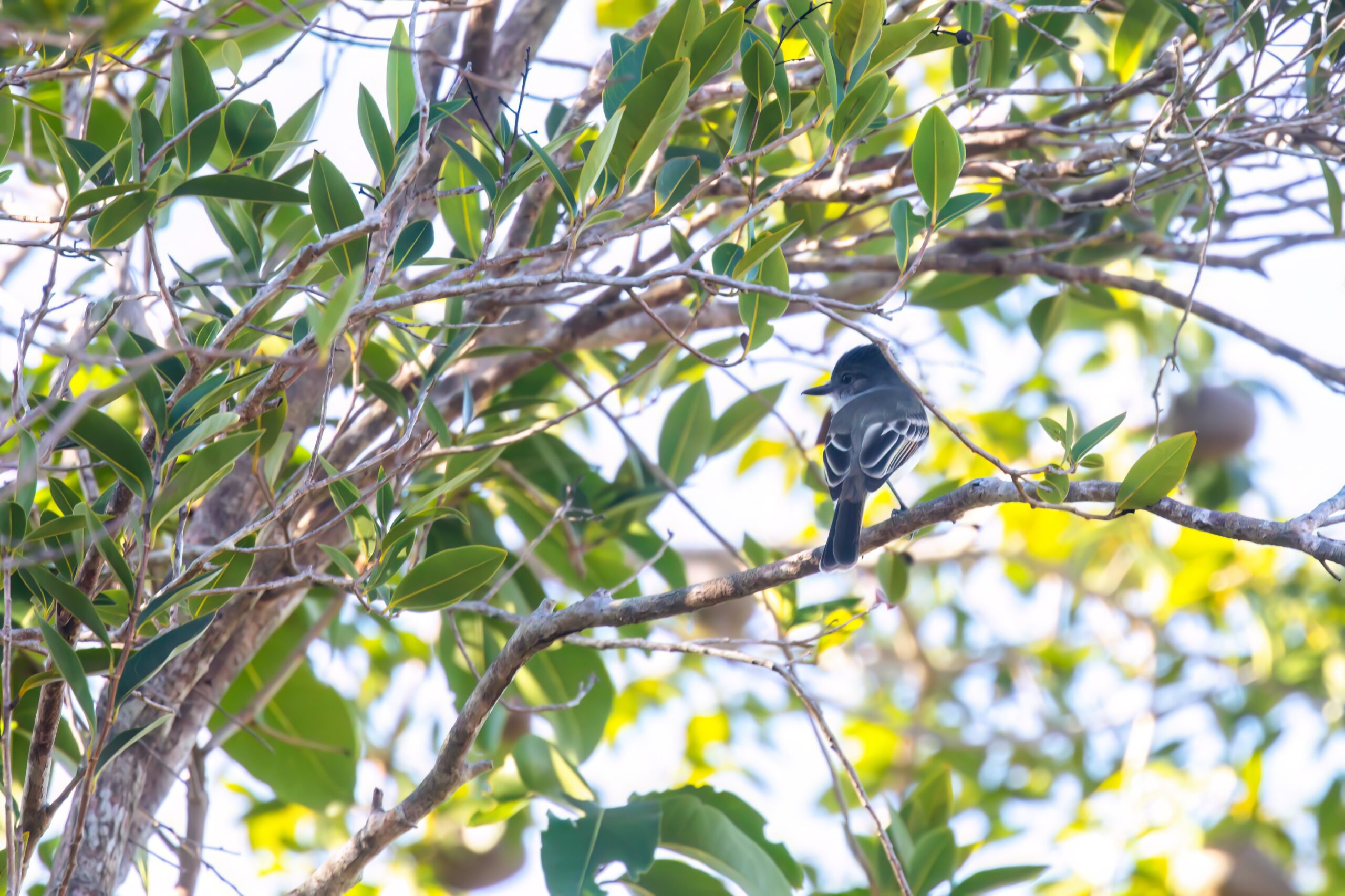
Nearly Erased: A Century of Forest Loss (Image Credits: Upload.wikimedia.org)
European colonizers transformed Puerto Rico’s landscape through aggressive agriculture. Sugar and tobacco plantations claimed vast tracts, with settlers burning native forests and draining wetlands. By the 1940s, only 6 percent of the original forest cover remained, mostly in remote, high-elevation zones unfit for farming.
This heavy deforestation positioned Puerto Rico among the world’s most altered ecosystems. Remnant forests clung to rugged terrain, while lowlands became open pastures dominated by exotic grasses. Reserves emerged as lifelines, including Hacienda La Esperanza, a 2,200-acre preserve on the northern coast that safeguards wetlands, karst formations, and endangered species.
Hurricane Maria Spurs Urgent Action
Hurricane Maria struck in 2017 with devastating force, stripping leaves, toppling trees, and triggering landslides. The storm exposed how bare land amplified erosion and flooding, endangering communities and wildlife alike. In response, teams planted over 100 acres at sites like Hacienda La Esperanza, funded by the National Fish and Wildlife Foundation.
Mangroves and native trees filled gaps in coastal and karst forests. These efforts aimed to diffuse storm surges and stabilize soil. Managers tended young plantings for years, battling invasive species until natural processes could take hold.
Avian Insights Shape New Corridors
Endemic birds cannot easily cross expansive pastures, a limitation that fragments habitats. Restoration leaders, including Alcides Morales-Pérez, manager at Hacienda La Esperanza, adopted a bird-centric approach. “The landscape is a sea of exotic pastures, and some birds are reluctant to cross that,” Morales-Pérez observed.
Projects created linear corridors, such as the “bullfinch highway,” a band of native trees spanning pastures to link southern karst forests with northern coasts. Fast-growing species kickstarted growth, followed by keystone trees like Puerto Rican royal palms that provide year-round fruit. These palms endure hurricanes better than most, offering critical food when other resources fail.
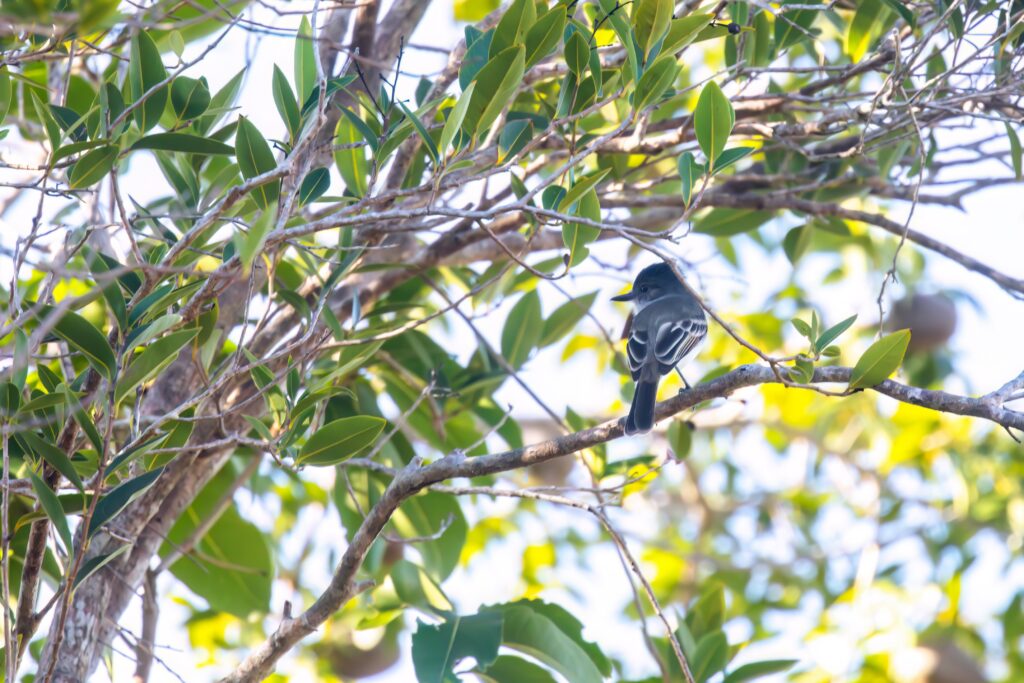
- Gray kingbird: Disperses seeds across open areas via droppings, fueling succession.
- Puerto Rican lizard cuckoo: Weak flier needing continuous cover to move between patches.
- Puerto Rican bullfinch: Vulnerable species gaining new range through planted highways.
- Puerto Rican woodpecker: Thrives in young forests, aiding insect control.
- Puerto Rican Amazon: Critically endangered parrot poised for potential recolonization.
Progress Emerges Amid Ongoing Hurdles
Young forests at Hacienda La Esperanza now host layered canopies and understories teeming with life. Surveys detected 13 of Puerto Rico’s 19 endemic bird species, including a landmark sighting of the Puerto Rican lizard cuckoo in new patches. Island-wide, native forest cover has rebounded to about half, proving rapid gains possible.
Challenges persist, however. Slow-growing trees demand decades to mature, and intensifying hurricanes test resilience. Endemic species, evolved without predators, face heightened extinction risks from single catastrophes. “Keep your common species common,” Morales-Pérez urged, emphasizing proactive conservation.
Key Takeaways
- Bird-focused corridors overcome flight barriers, enabling seed dispersal and habitat linkage.
- Post-Maria plantings enhance storm resistance while supporting 13 endemic birds.
- Native species like royal palms ensure food security, blending human intervention with natural recovery.
Puerto Rico’s forests demonstrate that strategic, wildlife-informed restoration yields tangible hope for biodiversity. As these green corridors mature, they promise safer shores and thriving avifauna for generations. What steps can your community take to support similar efforts? Share in the comments.