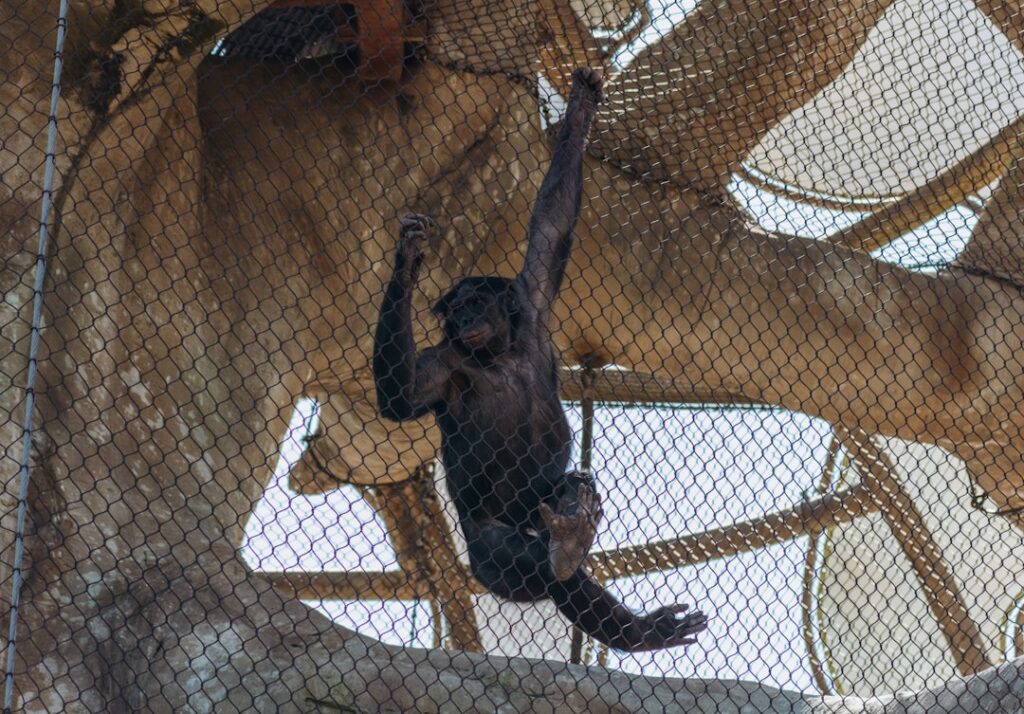
Researchers captured compelling evidence of pretend play in a bonobo named Kanzi through a series of inventive experiments that mimicked children’s make-believe games. The study, detailed in the journal Science, showed Kanzi tracking invisible juice and grapes poured between empty cups. Conducted before Kanzi’s death last year, the tests challenged long-held views that imagination belongs solely to humans. This discovery prompts a reevaluation of cognitive boundaries across species.
Kanzi’s Remarkable Life and Training
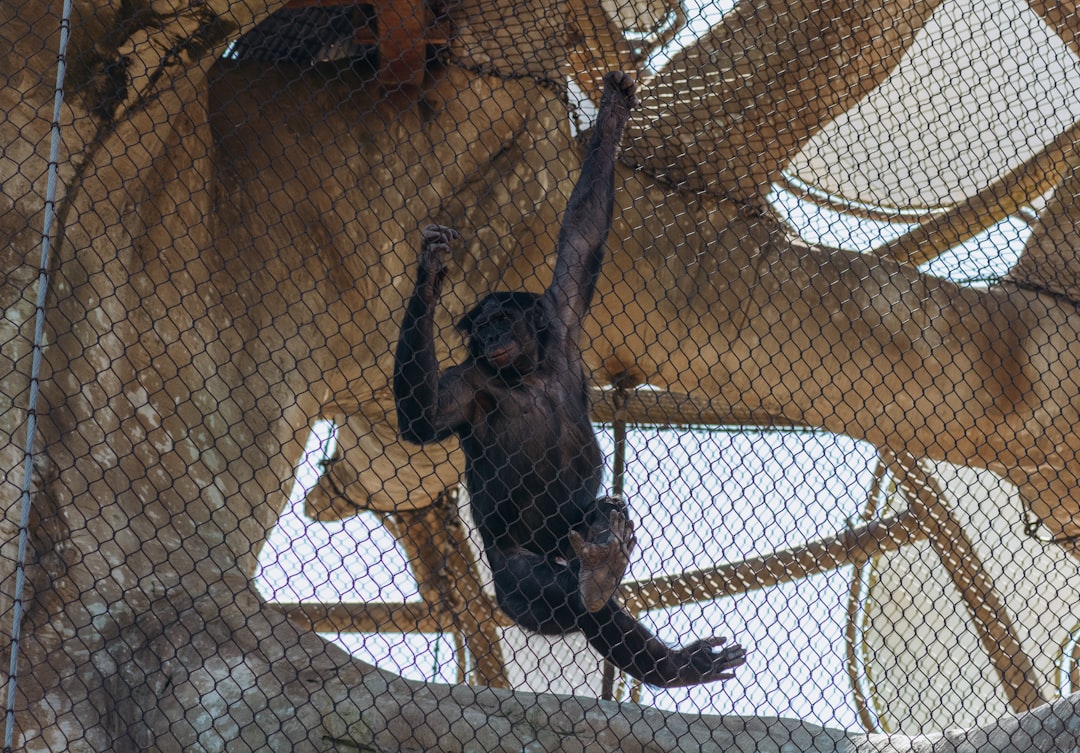
Kanzi’s Remarkable Life and Training (Image Credits: Unsplash)
A 43-year-old bonobo at the time of the experiments, Kanzi resided at Ape Initiative in Des Moines, Iowa. He gained fame for his mastery of over 300 lexigrams – symbols representing words – and his ability to respond to spoken English requests. Unlike typical wild bonobos, Kanzi grew up in a human-enculturated environment that fostered advanced communication skills.
Trainers observed anecdotal instances of playful behavior in Kanzi over decades, but controlled scientific validation remained elusive until this study. Researchers Amalia Bastos, then a Johns Hopkins postdoctoral fellow, and Christopher Krupenye, an assistant professor there, designed tests to probe deeper. Kanzi passed away in March 2025 at age 44, leaving a legacy that continues to influence primate research.
Designing the Tea Party Challenges
The team crafted three scenarios inspired by classic tests for human toddlers, using transparent props to eliminate deception. Empty cups and pitchers ensured Kanzi saw no hidden liquids, forcing reliance on mental representations. Verbal prompts like “Where’s the juice?” guided interactions without physical rewards on key trials.
Here are the core experiments:
- Pretend Juice Pour: An experimenter mimed pouring juice into two cups, then shook one to “empty” it. Kanzi indicated the cup with remaining imaginary juice, even after swaps.
- Real vs. Pretend Choice: One cup held actual juice beside a pretend-filled one. Kanzi selected the real option consistently.
- Imaginary Grapes: Pretend grapes moved between jars; Kanzi tracked and pointed to the correct location.
These setups scaffolded pretense gradually, building from simple displacements to complex choices.
Kanzi’s Choices Reveal Mental Acuity
Kanzi succeeded across trials, pointing accurately to pretend objects far more often than chance allowed. In the real-versus-pretend juice test, he chose the actual juice 78% of the time, demonstrating discernment between reality and imagination. He never confused empty props for concealed items, as transparency ruled out trickery.
“Kanzi is able to generate an idea of this pretend object and at the same time know it’s not real,” Bastos explained. The bonobo’s consistency held without training specific to these props, suggesting innate or learned capacity for secondary representations – mental models detached from the physical world. Human children master similar tasks around age two, but Kanzi’s performance marked the first rigorous nonhuman demonstration.
Evolutionary Echoes and Skeptical Views
The results imply that forming pretend representations evolved at least 6 to 9 million years ago, in the last common ancestor of humans and great apes. This timeline predates humanity’s divergence, hinting at shared cognitive roots. Anecdotes of wild chimpanzees cradling sticks as dolls or captive ones “hauling” invisible blocks now gain experimental support.
Yet skeptics like biologist Daniel Povinelli urged caution, proposing Kanzi might have followed cues such as recent touches on cups. Primate ecologist Nicholas E. Newton-Fisher countered that the controls were robust, praising the work for highlighting underappreciated ape intellects. Krupenye likened it to Jane Goodall’s chimpanzee tool-use revelations: “It really is game-changing that their mental lives go beyond the here and now.”
What Lies Ahead for Primate Minds
Future studies aim to test less-enculturated apes, probing if imagination thrives without human influence. Broader questions linger: Can other animals simulate futures or attribute mental states? These insights demand greater conservation efforts for apes facing habitat loss and exploitation.
The discovery reframes animals not as present-bound automatons, but as beings with vivid inner worlds. Krupenye noted, “Imagination has long been seen as a critical element of what it is to be human, but the idea that it may not be exclusive to our species is really transformative.”
Key Takeaways
- First controlled evidence of pretend object tracking in a nonhuman primate.
- Kanzi distinguished real from imaginary items with 78% accuracy in choice trials.
- Suggests imagination evolved 6-9 million years ago in human-ape ancestors.
Kanzi’s empty-cup triumphs invite us to ponder the invisible threads connecting human fantasy to animal cognition. As research unfolds, these findings could reshape ethical considerations for our primate kin. What do you think about apes imagining beyond the here-and-now? Tell us in the comments.