Northern Botswana – Communal cattle management practices have transformed human-wildlife tensions around the Okavango Delta, boosting lion numbers and easing livestock losses.
A Near-Extinction Averted
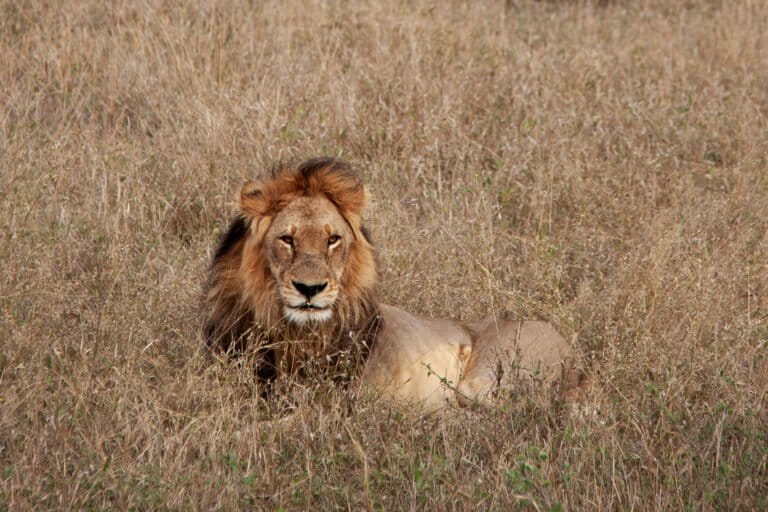
A Near-Extinction Averted (Image Credits: Imgs.mongabay.com)
Poisoned baits claimed around 30 lions by late 2013, wiping out more than half the population in northern Botswana’s Okavango region as villagers defended their grazing herds.
The CLAWS Conservancy intervened with innovative tools. Workers fitted GPS collars on lions and launched the Lion Alert System, sending real-time mobile alerts to nearby communities when predators approached settlements or cattle areas. Locals named individual lions in their indigenous languages, fostering recognition of distinct behaviors and reducing blanket retaliation. No poisonings occurred after 2019, and cub survival rates climbed from one-third to 70 percent.
The lion population rose 50 percent over the past four years, with some estimates showing it doubled in a decade.
Traditional Practices Make a Comeback
Jack Ramsden, CLAWS herding coordinator, leads efforts to restore hands-on herding abandoned as children attended school and adults shunned the task. In five villages with 5,000 cattle, about 700 now join communal herds overseen by 24 trained herders practicing rotational grazing and rangeland care.
During the day, herders rotate animals to prevent overgrazing. At night, mobile canvas bomas conceal cattle from lions’ sight while allowing scents and sounds, deterring attacks without lethal force. Losses dropped to a maximum of 10 cattle over five years, compared to dozens or hundreds annually before.
| Before CLAWS Program | After Implementation |
|---|---|
| Dozens to hundreds of cattle lost yearly | Max 10 cattle lost in 5 years |
| ~30 lions poisoned in 2013 | No poisonings since 2019 |
| 33% cub survival | 70% cub survival |
Premium Markets Reward Coexistence
CLAWS created economic incentives through certified Wildlife-Friendly Beef. In May 2025, the first sale of 14 cattle fetched a 10 percent premium from safari lodges like Vumbura Plains Camp.
Herds qualify by avoiding overgrazing and pledging no lion killings, linking conservation to better livelihoods. “It can be adapted to just about anywhere,” said Andrew Stein, CLAWS founder. Plans call for quarterly sales to expand market access and sustain the model independently.
- Trained herders earn salaries and certification.
- Rotational grazing restores soils and boosts cattle health.
- Premium pricing motivates villages to maintain practices.
- Women hold 55 percent of leadership roles in grazing committees.
- Program targets 80-85 percent of regional cattle coverage.
Unlocking Blocked Migrations
Veterinary cordon fences installed since the 1950s block diseases like foot-and-mouth but trap wildlife, causing mass deaths and halting migrations of wildebeest, zebras, elephants and more.
Improved herding reduces disease risks by enhancing cattle health, potentially allowing fence removals. Steven Osofsky, former Botswana wildlife veterinary officer, highlighted how barriers severed ancient routes, concentrating elephants and sparking conflicts.
- Lion populations doubled through non-lethal alerts and herding.
- Cattle losses plummeted, proving coexistence boosts livelihoods.
- Restored rangelands pave the way for reopening migration corridors.
Botswana’s model demonstrates that targeted herding revives ecosystems and economies alike. What do you think about these conservation wins? Tell us in the comments.