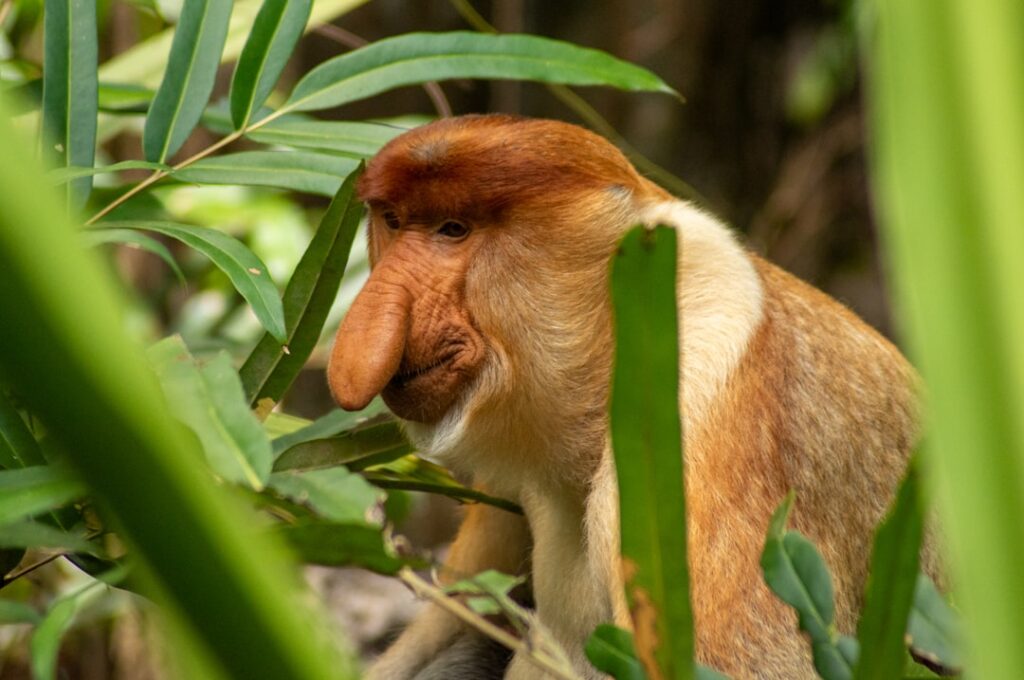
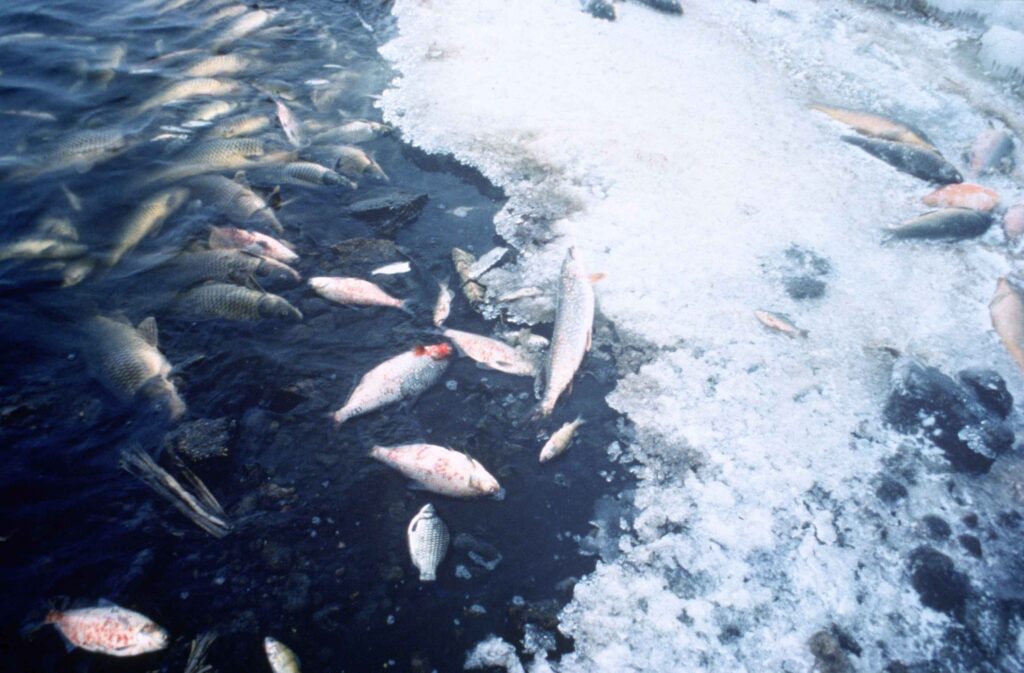
Rio Grande do Sul, Brazil – Federal authorities designated a sprawling marine national park on March 6, 2026, to safeguard one of the Atlantic Ocean’s richest biodiversity zones. The Albardão National Park covers more than 1 million hectares off the southern coast, near the Uruguay border, marking Brazil’s largest such protected marine area. Officials highlighted its role in preserving ecosystems vital for threatened marine life and prehistoric remains exposed along coastal dunes.
Monumental Scale Signals Conservation Push
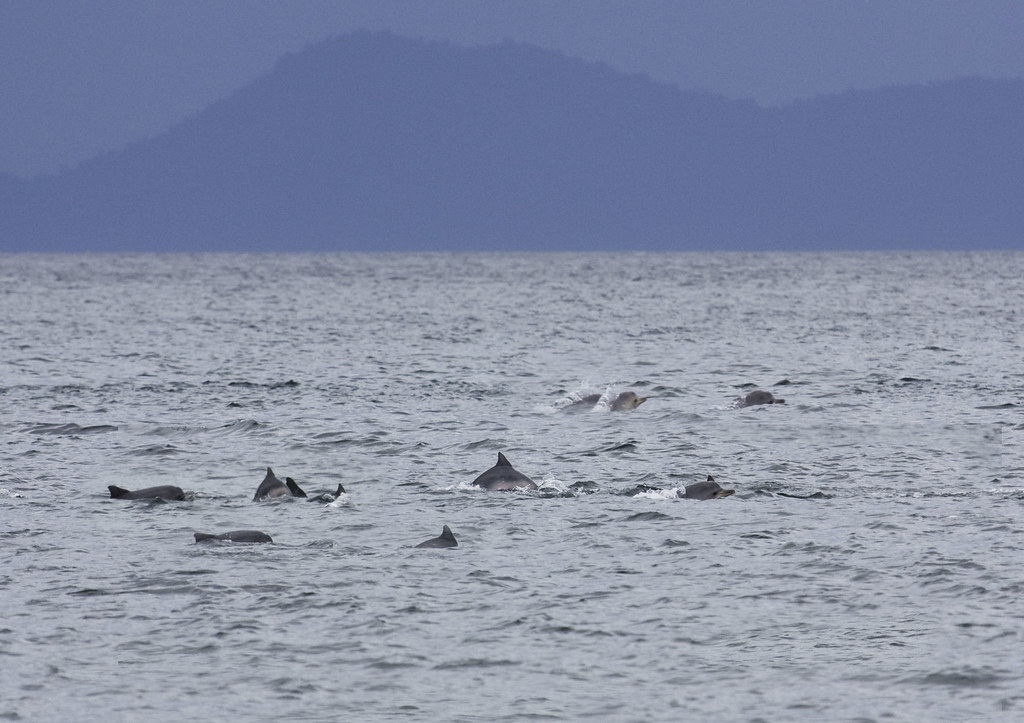
Monumental Scale Signals Conservation Push (Image Credits: Flickr)
Decree No. 12,868 established the park alongside a coastal environmental protection area spanning nearly 56,000 hectares. This initiative ranks as Brazil’s third-largest marine protected area overall, with a buffer zone extending another 614,000 hectares to curb external pressures. President Luiz Inácio Lula da Silva signed the measure, fulfilling long-standing recommendations dating back to 2004.
The protected zone encompasses diverse habitats, from sandy beaches and coastal lagoons to rocky seabeds and the open ocean. These features form an ecological mosaic essential for species migration and reproduction. Chico Mendes Institute for Biodiversity Conservation now oversees management, prioritizing research, monitoring, and sustainable use.
Critical Habitats for Endangered Marine Mammals
Lahille’s bottlenose dolphins, with fewer than 500 individuals worldwide, frequent these waters alongside critically endangered franciscana dolphins, also known as La Plata dolphins. Southern right whales and humpback whales rely on the area for calving and feeding during migrations.
Conservation groups celebrated the move after years of advocacy against overfishing. The park imposes fishing bans in core zones while permitting artisanal practices under strict rules. At least 25 endangered species benefit, including marine turtles and seabirds.
- Lahille’s bottlenose dolphin (Tursiops truncatus gephyreus)
- Franciscana dolphin (Pontoporia blainvillei)
- Southern right whale
- Humpback whale
- Endangered angelsharks and guitarfish
- 23 shark and ray species
- Marine turtles
Pleistocene Fossils Reveal Ancient Life
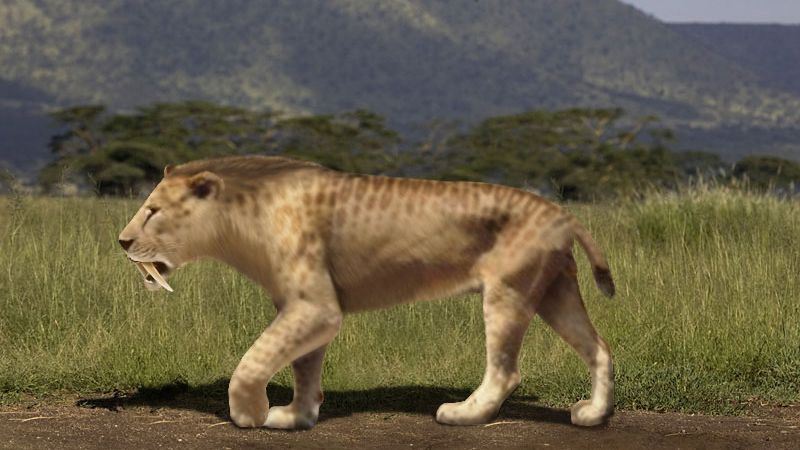
Dune fields within the coastal zone hold Pleistocene-era megafauna fossils, offering glimpses into extinct giants. Remains of ground sloths, saber-toothed cats, giant armadillos, and mastodons surface in shell middens and sediments. These paleontological sites underscore the region’s geological value alongside its biological wealth.
Protection extends to the water column, ocean floor, and subsurface, preserving these records for scientific study. Researchers anticipate enhanced opportunities to explore evolutionary links between ancient terrestrial life and modern marine ecosystems. The decree emphasizes paleontological importance in its conservation goals.
Sustainable Management Amid Emerging Pressures
Authorities balanced strict core protections with allowances for ecotourism, research, and limited infrastructure. Artisanal fishing persists in buffer areas pending management plans, while industrial activities face curbs. Offshore wind proposals sparked debate, though the park excludes such developments in sensitive zones.
“The Albardão region brings together ecosystems that are fundamental for Brazil’s biodiversity,” federal officials stated. “The site is considered strategic for the life cycle of several threatened species.” This step advances Brazil’s pledge to shield 30% of its oceans by 2030.
| Protected Area | Size (hectares) |
|---|---|
| National Marine Park | 1,004,480 |
| Coastal APA | 55,983 |
| Buffer Zone | 614,008 |
Key Takeaways
- Brazil’s largest marine national park safeguards over 25 endangered species in a 1-million-hectare zone.
- Pleistocene fossils of megafauna add paleontological significance to the biodiversity hotspot.
- Enforcement of no-take rules will be crucial against overfishing and development threats.
This designation fortifies Brazil’s marine conservation network at a pivotal moment for global ocean health. Strong implementation promises recovery for depleted populations and lasting ecological balance. What steps should other nations take to match such ambitions? Share your thoughts in the comments.