Porto Alegre, Brazil – Floodwaters engulfed the city in May 2024, destroying bridges, hospitals, and vast economic resources. Hundreds lost their lives as the disaster affected over 90% of Rio Grande do Sul state. This event captured worldwide notice for a moment before fading from view. Yet it offered a glimpse into Brazil’s evolving climate challenges, where the nation safeguards immense natural wealth while confronting growing vulnerabilities.
Brazil hosts nearly 60% of the Amazon basin, along with unparalleled freshwater supplies and biodiversity. These assets underpin global climate stability but also expose the country to intensified weather extremes. The interplay between environmental treasures and risks demands urgent attention as impacts ripple across ecosystems and communities.
Floods Signal Deeper Climate Shifts
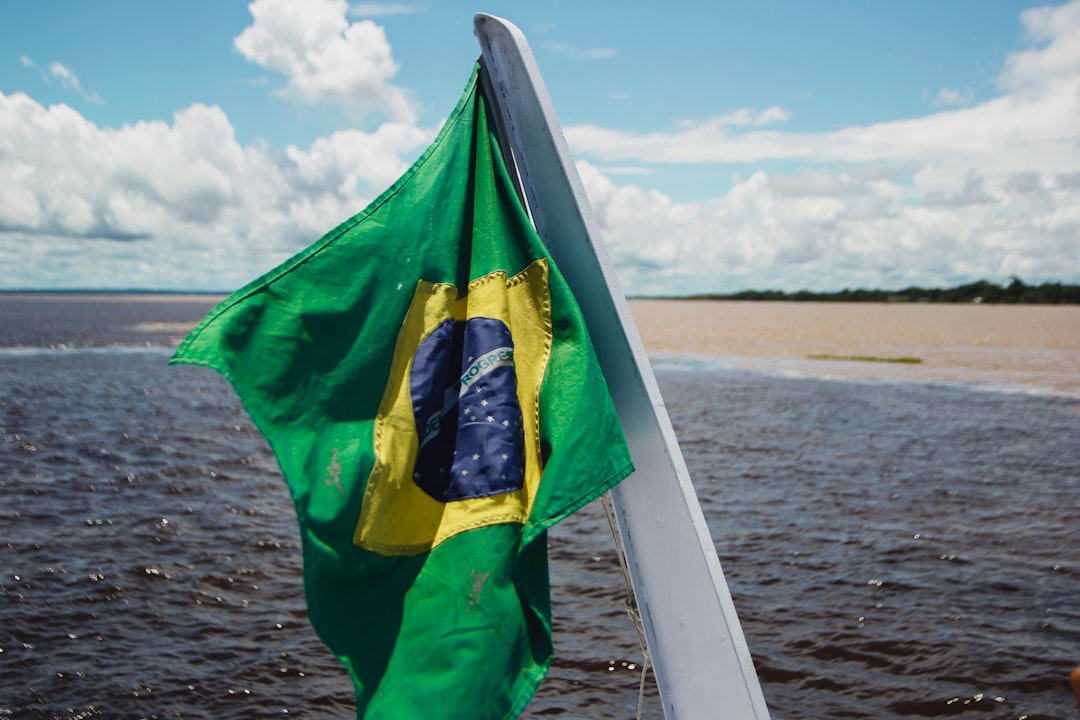
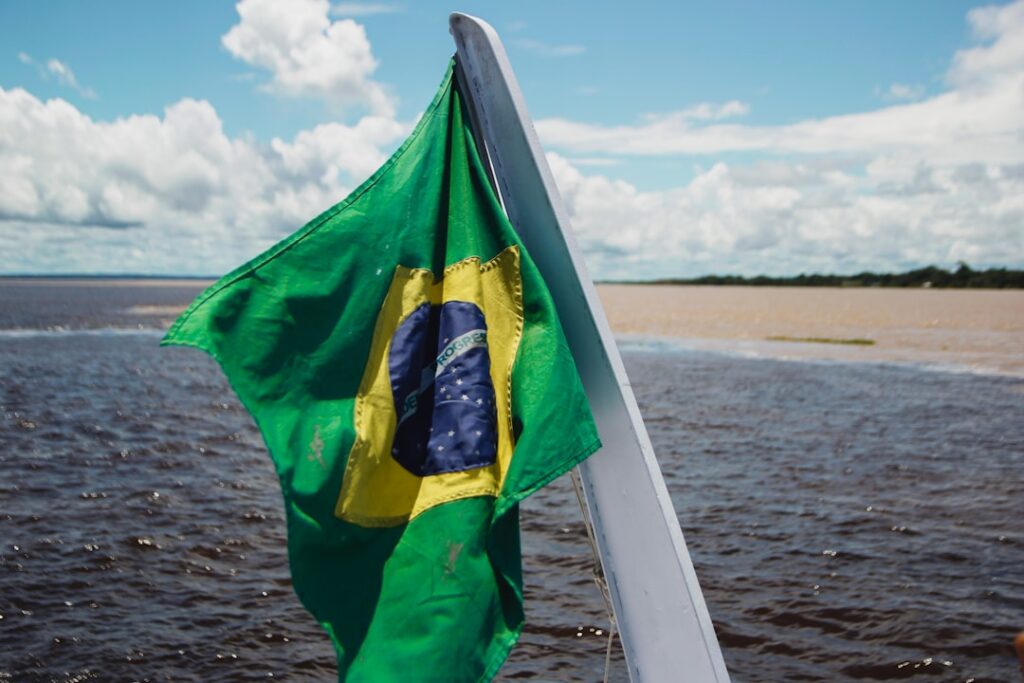
Floods Signal Deeper Climate Shifts (Image Credits: Unsplash)
Heavy rains from April 24 to May 4, 2024, dumped over 420 mm on Rio Grande do Sul, triggering floods twice as likely due to human-caused climate change. The event surpassed historical records, with return periods of 100 to 250 years. El Niño amplified the rainfall, while failing infrastructure worsened the damage; Porto Alegre’s flood barriers collapsed below their rated capacity.
Authorities reported 169 deaths, 44 missing, and over 581,000 displaced. Essential services faltered: 418,200 homes lost power, and more than a million lacked water. Informal settlements and Indigenous communities suffered most, highlighting vulnerabilities in urban planning and early warnings.
Wildlife Havens Overwhelmed
The floods inundated 4,300 square kilometers of native ecosystems, including 1,200 square kilometers of forests and 1,020 square kilometers of grasslands. Protected areas lost 825 square kilometers, or 21% of their total. This catastrophe threatened 747 tetrapod species, with 84 classified as endangered. Amphibians, reptiles, and mammals faced disproportionate harm, as flooded habitats disrupted breeding and foraging.
Rescue efforts saved around 10,000 animals, including pets, livestock, and wildlife, amid destroyed farms and shelters. Pig farms alone lost thousands of animals, underscoring risks to both wild and domesticated populations. Volunteers and state agencies coordinated amid ongoing rains, but long-term recovery for displaced species remains uncertain.
- Forests and wetlands submerged, altering migration routes for birds and mammals.
- Amphibians hit hardest, with high percentages of their ranges flooded.
- Threatened species require immediate conservation to prevent local extinctions.
- Livestock losses disrupted regional food chains, affecting scavengers and predators.
- Water contamination threatened aquatic life in rivers and lagoons.
Biomes Linked in Fragile Balance
Brazil’s ecosystems form an interconnected network. The Amazon produces “flying rivers” of moisture that sustain southern farmlands and cities. The Cerrado acts as a water tower, feeding aquifers for hydropower and crops. Pantanal wetlands manage flood cycles across basins. Degradation in one area weakens others, as deforestation alters rainfall patterns far beyond local borders.
Hydropower supplies nearly two-thirds of Brazil’s electricity, but droughts strain reservoirs, spiking costs. Agriculture, a economic pillar, faces yield swings from erratic weather. Only 15% of municipalities have adaptation plans, leaving most exposed to shocks.
| Biome | Key Role | Climate Risk |
|---|---|---|
| Amazon | Moisture generation | Droughts, fires |
| Cerrado | Aquifer recharge | Deforestation, drying |
| Pantanal | Flood regulation | Prolonged inundation |
Strategies for Resilience Ahead
Brazil submitted its National Biodiversity Strategy in late 2025, pledging zero deforestation by 2030 and 80% Amazon conservation. Enforcement has cut rates to decade lows, aided by data tools and federal oversight. Yet challenges persist: wildfires, biome shifts, and subsidy reforms loom large.
Post-COP30 commitments emphasize ecosystem protection for climate adaptation. Aligning finance, like biodiversity credits, with goals could bolster efforts. Cross-ministry coordination offers a path to manage risks beyond electoral terms.
Key Takeaways
- Climate change doubled flood likelihood; infrastructure upgrades essential.
- 747 species affected, prioritizing threatened wildlife recovery.
- Biome connectivity demands holistic policies over siloed actions.
Brazil stands at a crossroads, where preserving its biodiversity can mitigate future disasters. Stronger institutions and visible risk accounting will safeguard both nature and people. What steps should Brazil prioritize next? Share your thoughts in the comments.