Fortaleza, Brazil — A routine Sunday gathering at the Parangaba Fair turned into a major wildlife enforcement action in October 2025. Environmental officers from Brazil’s federal agency IBAMA seized 271 birds amid illegal sales of parrots, macaws, and other species at this notorious open-air venue. The operation exposed a hidden danger: these crowded markets serve as hotspots for lethal viruses that jeopardize conservation efforts nationwide.
Sudden Deaths Reveal a Viral Threat
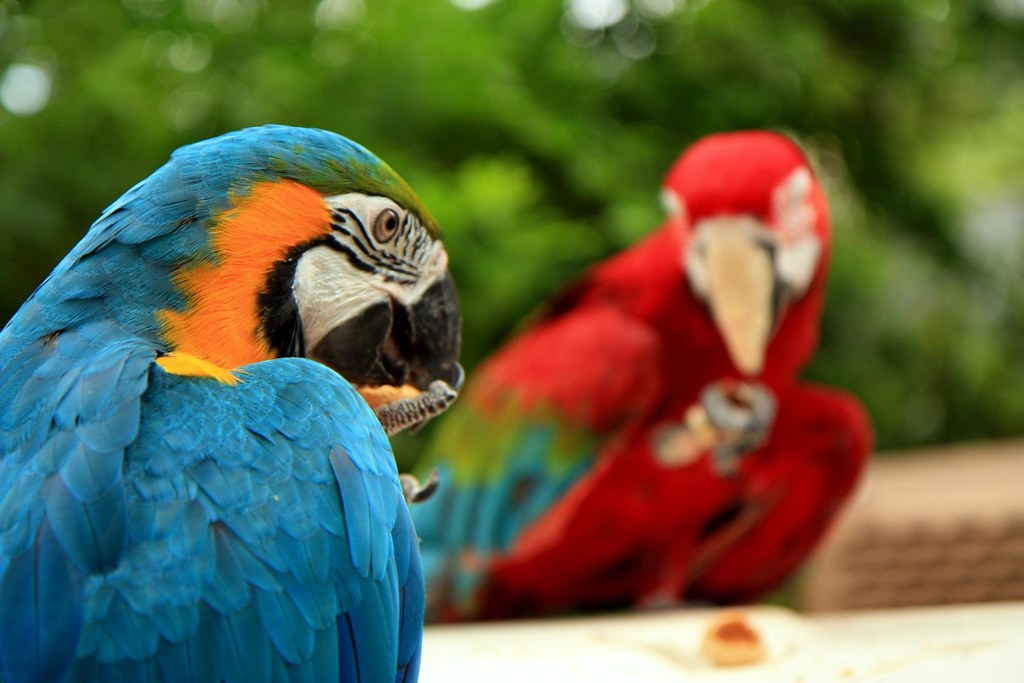
Sudden Deaths Reveal a Viral Threat (Image Credits: Flickr)
Agents transported the confiscated birds to the Wildlife Screening Center in Fortaleza for care and evaluation. Packed tightly in boxes and backpacks, the animals arrived highly stressed, a condition that weakens immune defenses. Soon after, several African lovebirds fell ill and perished. Laboratory tests confirmed circovirus, a pathogen notorious for ravaging parrot families.
Fernanda Gaia, an IBAMA environmental analyst at the center, described the progression: seized birds arrived steadily, tests followed, and positives emerged rapidly. Isolation measures kicked in immediately to shield the facility’s hundreds of residents. The outbreak prompted the euthanasia of around 80 infected individuals to halt further transmission.
Circovirus and Polyomavirus: No Mercy for Psittacines
Circovirus triggers psittacine beak and feather disease, impacting over 60 species of parrots, macaws, and related birds. First identified in Australia, it reached Brazil through pet trade channels, both legal imports and smuggling. Symptoms strike hard: feathers fall out or grow deformed, beaks weaken and distort, and immunity crumbles, inviting fatal secondary infections like pneumonia.
Young chicks suffer most, often succumbing quickly with no viable treatment available. The virus lingers latently in carriers, flaring under stress. In January 2026, avian polyomavirus surfaced in two turquoise-fronted Amazon parrots at the same center, compounding the crisis with similar deadly effects. Officials shuttered the facility to new arrivals for 90 days, a critical safeguard during peak chick season.
Endangered Spix’s Macaws Caught in the Crossfire
The Parangaba outbreak echoed a dire situation among Spix’s macaws, declared extinct in the wild in 2019 yet targeted for reintroduction in Bahia state. In May 2025, tests detected circovirus in seven birds at a Curaçá breeding facility, including one wild-born chick. By November, all 11 rewilded specimens tested positive, marking Brazil’s first confirmed case in free-living populations.
This cobalt-blue icon, once poised for comeback, now faces setbacks from pathogens traced to trade networks. Prior detections occurred in rehab centers and zoos, but wild spread signals escalating risks. A blue-and-yellow macaw at a São Paulo facility also succumbed, underscoring the virus’s reach across regions.
Markets’ Toxic Mix Fuels Disease Spread
Open-air fairs like Parangaba draw crowds for their vibrant displays, but they blend wild natives with exotic imports such as rose-ringed parakeets. Yuri Marinho Valença, a biologist on a parrot reintroduction project, pinpointed the issue: these venues commingle species carrying foreign viruses. Traders cram birds to maximize sales, amplifying stress and shedding.
IBAMA maintains surveillance, including a 2022 raid at the same fair that netted over 170 birds. Yet illegal sales persist due to limited enforcement resources. Here are key factors turning markets into pathogen hubs:
- Crowded confinement during capture and transport weakens birds.
- Mingling of wild, captive, and imported species enables cross-transmission.
- Stress reactivates dormant viruses via feather dust and droppings.
- Delayed testing—up to three weeks per sample—allows silent spread.
- Inadequate quarantine at some of Brazil’s 25 screening centers heightens vulnerability.
Urgent Calls for Stronger Safeguards
Alice Soares de Oliveira, a São Paulo wildlife veterinarian, warned of catastrophe without better protocols: rehabilitation demands on-site vets, rigorous quarantines, and separation of healthy stock. Gaia echoed the need for isolation amid rising positives. Experts advocate a federal mandate for disease screening on all imports and seizures.
While IBAMA monitors nationally, gaps remain in veterinary staffing and labs. The closures and euthanasias slowed releases, straining already fragile efforts. Federal police probed related Spix’s macaw infections, linking back to trade routes.
- Open-air markets accelerate virus dissemination through poor conditions and species mixing.
- Circovirus threatens reintroduction programs for species like Spix’s macaws.
- Enhanced quarantines and testing could prevent future outbreaks at rehab centers.
These incidents underscore a stark reality: illegal bird trade not only poaches wildlife but unleashes invisible killers that could erase hard-won conservation gains. Stricter enforcement and infrastructure upgrades offer hope. What steps should authorities prioritize next? Share your thoughts in the comments.