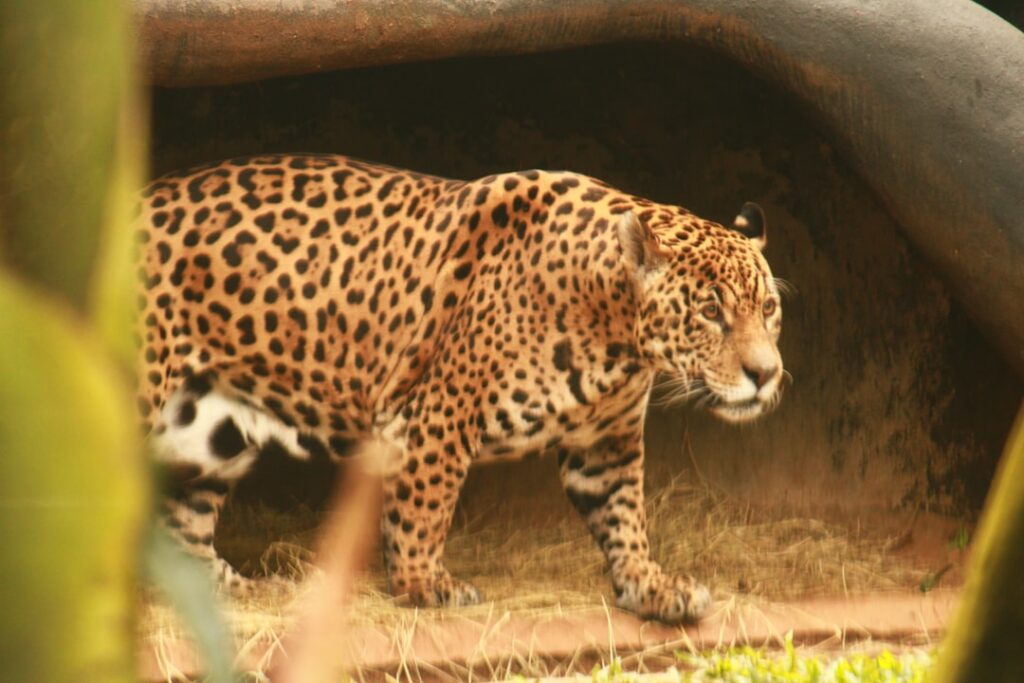
Mato Grosso do Sul, Brazil – Scientists here confront a stark reality for the jaguar, Brazil’s apex predator facing isolation in shrinking habitats. Researchers with the Reprocon group at the Federal University of Mato Grosso do Sul collect vital genetic samples from wild jaguars to pioneer cloning techniques. Their efforts target inbreeding and population decline across biomes like the Pantanal and Caatinga, where numbers dwindle perilously low.
Jaguars on the Edge: Fragmentation Fuels Decline
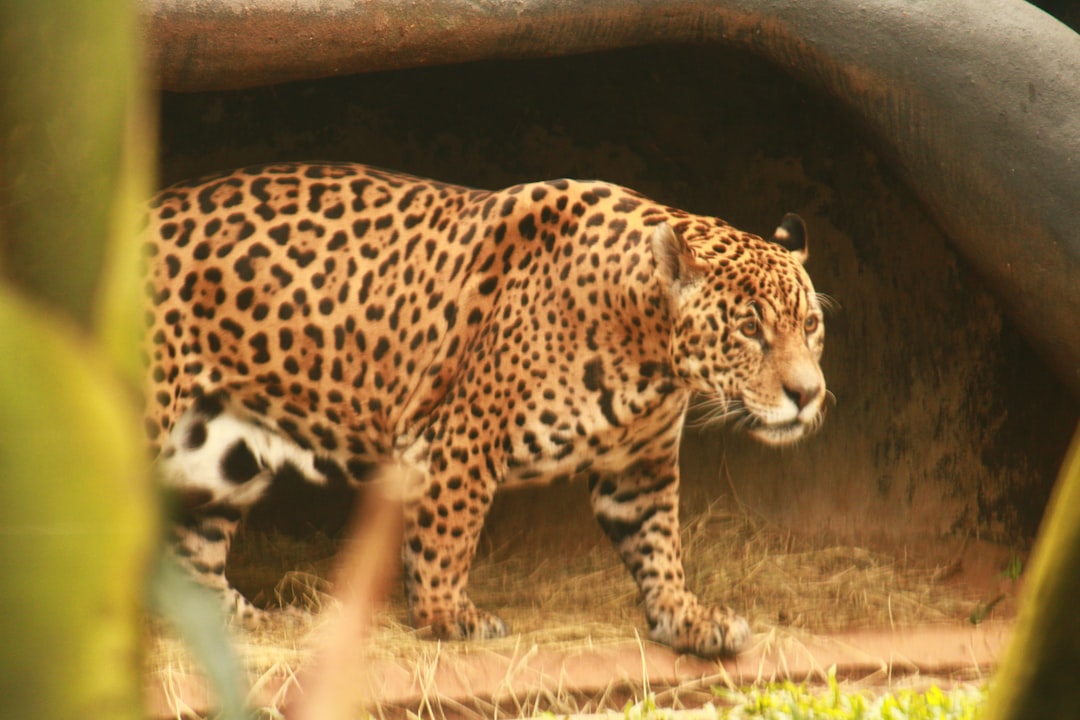
Jaguars on the Edge: Fragmentation Fuels Decline (Image Credits: Unsplash)
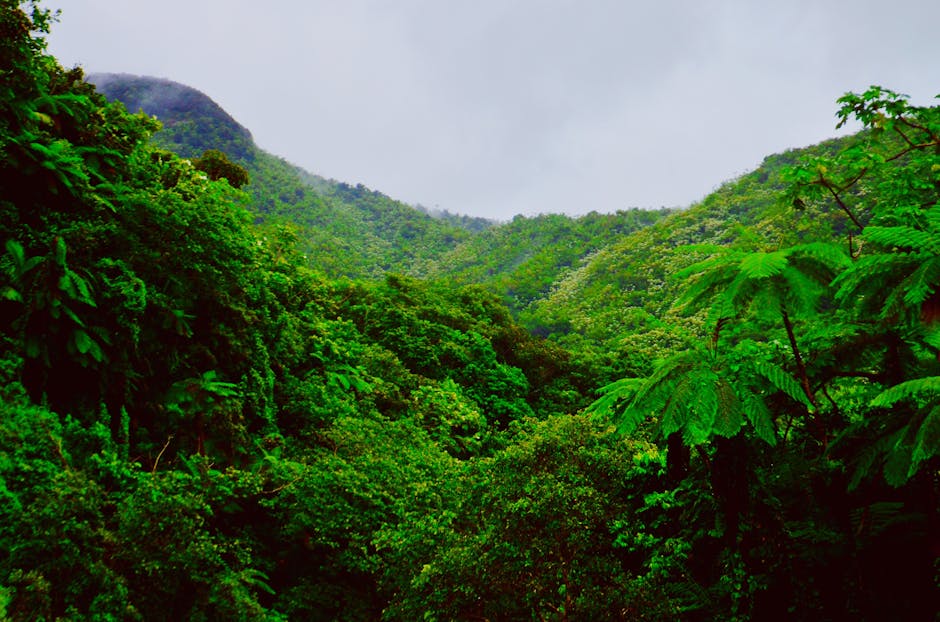
The jaguar population in Brazil spans diverse ecosystems but suffers from severe fragmentation. Habitat loss turns vast territories into isolated islands, spurring inbreeding that leads to reproductive failures and health issues. Roadkills claim dozens annually, while prey scarcity and human conflicts compound the pressure.
Estimates place Pantanal jaguars at around 5,000, with fewer than 250 adults persisting in the Caatinga and Atlantic Forest – regions at critical extinction risk. Males require expansive ranges of 400-500 square kilometers, a luxury eroded by deforestation and infrastructure.
Assembling a Genetic Arsenal: The Reprocon Biobank
Reprocon maintains the world’s largest jaguar tissue repository, safeguarding samples from nearly 160 individuals. Blood, semen from 30 males, and tissues from 60 jaguars – sourced even from roadkill – undergo cryopreservation at minus 193 degrees Celsius.
Fibroblasts cultured from ear biopsies yield millions of cells monthly, primed for cloning. Gediendson Ribeiro de Araujo, Reprocon’s scientific director, emphasized the need: “We saw the need to collect this tissue and, in the lab, cultivate somatic cells… to restore this lost genetic material.”
Fieldwork to Lab: Mastering Capture and Processing
Teams deploy monitored snare traps near baited carcasses, darting jaguars for safe sedation. Samples include fur, blood, semen via pharmacological induction, and ear snips – all processed on-site with innovative, low-cost microfluidic devices for sperm selection. These silicone tools, 3D-printed for $15 and reusable, centrifuge and freeze viable cells swiftly.
Back in Campo Grande labs, somatic cells fuse with enucleated oocytes through electrofusion, advancing to morula-stage embryos as demonstrated in 2024 collaborations with Argentine experts. IVF complements these steps, though poor semen quality often shifts focus to cloning.
- Snare traps minimize injury during 8-hour captures.
- Microfluidics enable field semen washing without labs.
- Cell culture from 2 cm tissue yields 20-30 million fibroblasts.
- Embryo transfers target surrogate females for genetic infusion.
- Partnerships extend to species like pumas and tapirs.
Timeline and Hurdles: 2026 Marks a Milestone
Protocols solidified in 2023, with first cloned embryo transfers slated for 2026 into female surrogates. Success hinges on overcoming high offspring mortality seen in other cloning efforts.
Unknowns persist: Will clones thrive in the wild, reproduce normally, or endure full lifespans? Thyara Araujo, co-founder, noted, “We still don’t know if the animal will have a shorter lifespan… But what we are really after is having an animal in the wild.” Critics view cloning as a last resort, secondary to habitat corridors and anti-poaching
| Biome | Estimated Jaguars | Key Threat |
|---|---|---|
| Pantanal | 5,000 | Roadkills, conflicts |
| Caatinga/Atlantic Forest | <250 adults | Inbreeding, isolation |
| Cerrado | 1,000 | Habitat loss |
- Reprocon’s biobank preserves genetics from roadkill and live captures alike.
- Cloning targets inbreeding but demands habitat restoration for viability.
- 2026 embryo transfers could yield Brazil’s first cloned jaguar.
Cloning emerges not as a panacea but a vital genetic lifeline, bolstering fragmented populations until landscapes reconnect. As Reprocon advances, the jaguar’s fate intertwines technology with urgent ecosystem revival. What role should cloning play in wildlife conservation? Tell us in the comments.