Campo Grande, Brazil – Nations gathered for the 15th Conference of the Parties to the Convention on the Conservation of Migratory Species of Wild Animals confronted a troubling reality: migratory wildlife faces accelerating declines. From March 23 to 29, delegates under the banner “Connecting Nature to Sustain Life” approved safeguards for 40 species and populations, including 33 marine dwellers. These steps arrived amid reports showing 49% of tracked populations waning, up from 44% just two years prior.
Sharks and Seabirds Lead Marine Gains
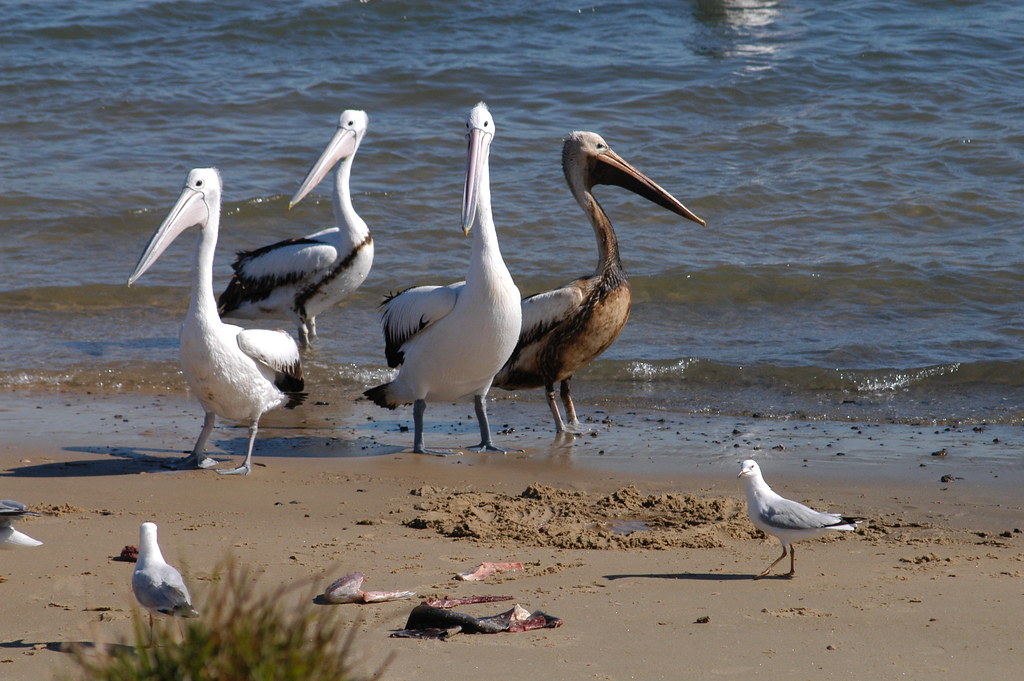
Sharks and Seabirds Lead Marine Gains (Image Credits: Flickr)
Delegates delivered a strong push for ocean travelers, listing four shark species under the treaty’s appendices for heightened safeguards. Thresher sharks (Alopias vulpinus), scalloped hammerhead sharks (Sphyrna lewini), and great hammerhead sharks (Sphyrna mokarran) entered Appendix I, mandating strict protections against capture or killing. The Patagonian narrownose smoothhound (Mustelus schmitti) joined Appendix II, calling for cooperative management across borders.
Twenty-six seabirds and three shorebirds also secured new or upgraded status, bolstering defenses for species reliant on coastal and open-ocean routes. Amy Fraenkel, CMS executive secretary, described the meeting as “a very strong COP for marine species.” Such listings underscore the treaty’s role, ratified by 132 countries and the European Union, in fostering global action.
Bycatch Ban Targets Accidental Harvest
A pivotal decision prohibited retaining or landing Appendix I species caught unintentionally, easing enforcement on fishing vessels. Previously, proving deliberate capture proved challenging, creating loopholes for endangered catches. This measure aims to curb overexploitation, a primary driver of declines.
Experts hailed the rule as practical. “It’s very easy to enforce that kind of rule,” Fraenkel noted. Fisheries now face clearer incentives to release protected marine life, potentially aiding recovery for sharks and seabirds alike.
Mapping Flyways and Safeguarding Seamounts
Parties recognized six key marine flyways where seabird migrations concentrate, spanning the Atlantic, North Indian, East Indian, West Pacific, Pacific, and Southern Oceans. This framework enables coordinated efforts to shield these corridors from threats like pollution and habitat loss. BirdLife International called it a historic advance for ocean conservation.
Seamounts earned designation as critical habitats and navigation beacons for whales, sharks, turtles, and seabirds. Delegates urged caution on deep-sea mining, pending robust data on its impacts like sediment plumes disrupting food webs. Resolutions also mapped hotspots for sharks, rays, turtles, and marine mammals to inform high-seas protections under emerging global agreements.
Freshwater Fish Enter the Fray
Beyond oceans, attention turned to rivers. A CMS assessment pinpointed 325 migratory freshwater fish needing cross-border strategies. The approved Regional Action Plan for Amazon Migratory Catfish covers species like dorado (Brachyplatystoma rousseauxii), which roam up to 12,000 kilometers over 12-15 years.
Europe’s eel (Anguilla anguilla) gained its own action plan. Terrestrial highlights included giant otters, striped hyenas, snowy owls, and jaguars under new protections, spanning ecosystems from wetlands to forests.
- Thresher sharks: Appendix I
- Hammerhead sharks: Appendix I
- Patagonian narrownose smoothhound: Appendix II
- 26 seabirds: New/enhanced listings
- Giant otter: Appendices I and II
- Striped hyena: Appendices I and II
- Snowy owl: Appendix II
Urgent Trends Demand Swift Implementation
Opening updates painted a grim picture: 24% of CMS-covered populations now teeter on extinction’s edge, fueled by habitat fragmentation and exploitation. Fraenkel stressed, “This is not the right direction.” Success hinges on nations translating commitments into national laws and monitoring.
Wildlife Conservation Society’s Susan Lieberman emphasized multilateralism’s power: “Countries can deliver meaningful conservation at scale.” With COP16 slated for 2029 in Germany, momentum builds toward 2030 biodiversity goals.
Key Takeaways
- 40 species, including 33 marine, now under enhanced CMS safeguards.
- Six marine flyways and seamounts prioritized for protection.
- Bycatch ban and deep-sea mining caution address immediate threats.
Migratory species link ecosystems worldwide; their survival signals planetary health. Parties must act decisively to reverse declines and secure these natural connectors. What do you think about these protections? Tell us in the comments.