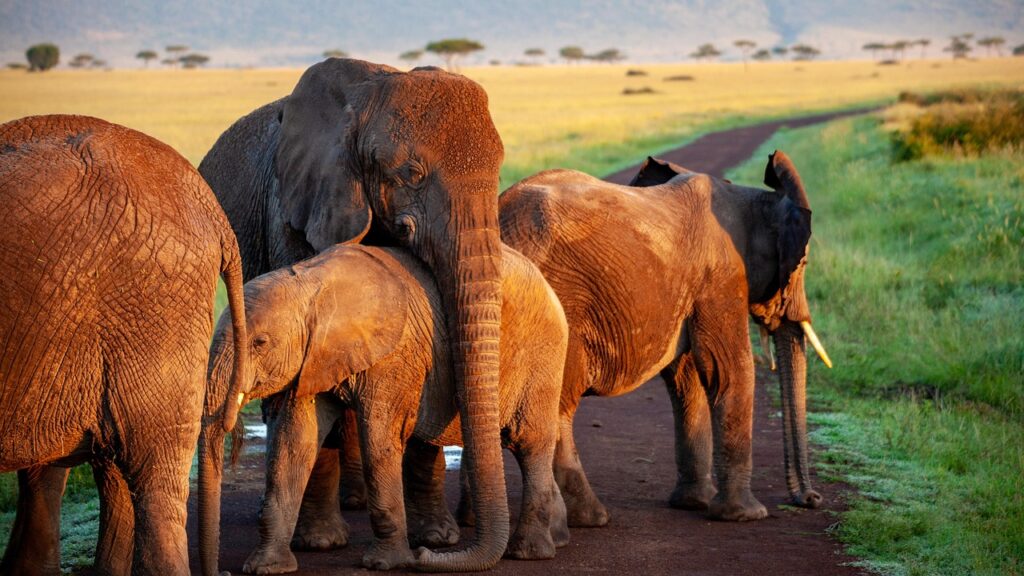
Kenya – The Kenya Wildlife Service initiated a translocation effort targeting adult male elephants at Solio Ranch Conservancy, moving them to Tsavo West National Park to protect vital rhino habitats and lessen human-wildlife tensions.
Unruly Bulls Disrupt Delicate Balance
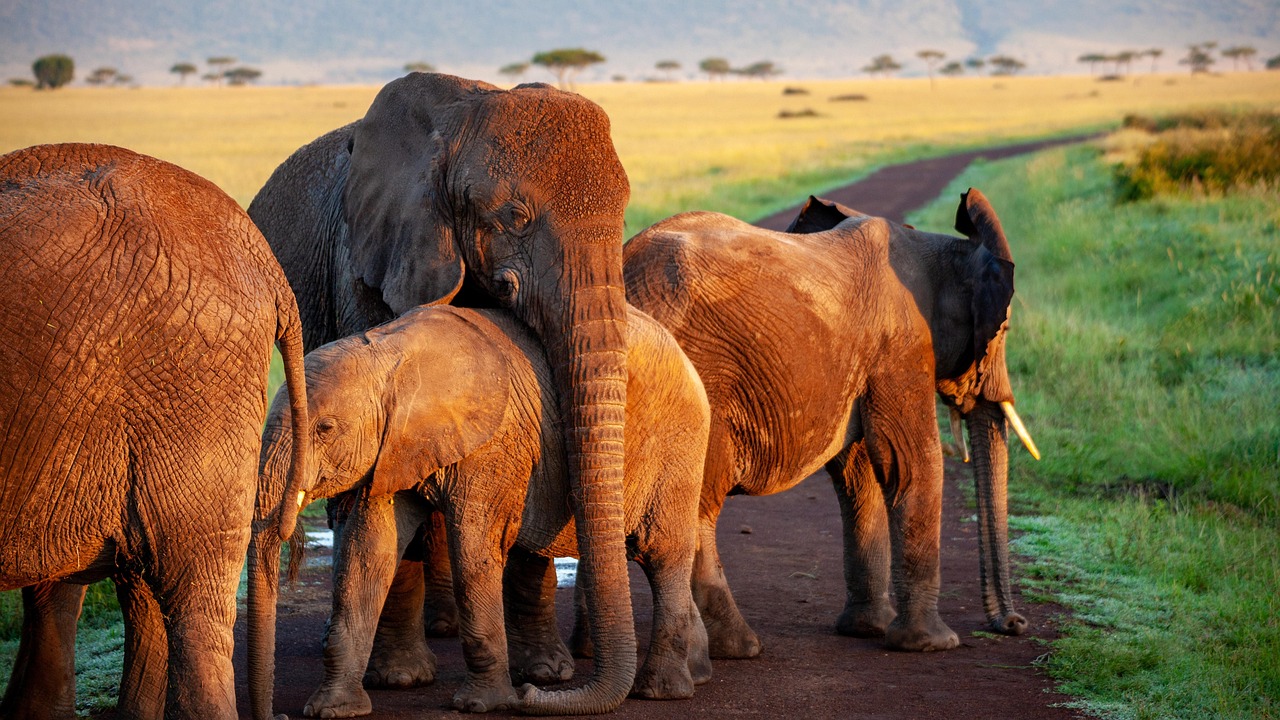
Unruly Bulls Disrupt Delicate Balance (Image Credits: Pixabay)
Adult bull elephants had lingered at Solio for extended periods, unsettling the area’s ecological harmony. Their presence threatened sensitive rhino zones, conservation facilities, and nearby residents. KWS veterinary and capture teams, working alongside partner organizations, selected these long-term residents for the operation. The unpredictable nature of mature males in restricted spaces heightened risks. This intervention marked a proactive step to restore stability.
Tsavo West National Park offered the ideal destination, with its expansive landscapes allowing freer movement. The process aligned with established protocols for safe handling and transport. Officials emphasized the necessity of such measures when natural dispersal failed.
Solio’s Pivotal Role in Rhino Recovery
Solio Ranch Conservancy stands as the world’s oldest private sanctuary for eastern black rhinos. It manages approximately 150 black rhinos and more than 250 white rhinos, totaling around 400 individuals. The site has successfully reintroduced over 100 black rhinos and 60 white rhinos to other areas in Kenya and Uganda. Elephant activity now jeopardized these achievements by damaging infrastructure and habitats.
“Solio plays a critical role in Kenya’s rhino conservation efforts, and maintaining ecological balance there is essential,” KWS stated. The relocation preserved these gains while addressing overcrowding.
Blocked Corridors Fuel Growing Conflicts
Traditional migratory routes connecting Mount Kenya and the Aberdares have fallen victim to settlements, farms, fences, and roads. Elephants, once free to roam for resources and mates, now crowded into fragments. Kenya’s elephant numbers climbed from 36,280 in 2021 to over 42,000 in 2025, amplifying pressures.
| Year | Kenya Elephant Population |
|---|---|
| 2021 | 36,280 |
| 2025 | Over 42,000 |
Human-wildlife clashes escalated as a result. “Blocked corridors force elephants into smaller areas, increasing conflict,” KWS noted.
KWS Strategic Plan Guides Response
The translocation formed part of the KWS Strategic Plan 2024–2028, prioritizing data-driven actions and landscape conservation. Beyond moves, KWS deployed electric fences, quick-response units, and community programs. Problem-animal controls supplemented these efforts. Long-term fixes centered on reviving corridors for sustainable coexistence.
“Our strategic approach recognises that coexistence is not optional. We must protect communities, conserve endangered species, and manage wildlife populations responsibly,” KWS affirmed. Partners bolstered the initiative’s reach.
Key Takeaways
- Solio safeguards Kenya’s rhino future but faces elephant-induced strains.
- Relocation to Tsavo provides space and cuts conflict risks.
- Restoring corridors remains crucial for enduring wildlife management.
This operation underscored conservation’s tough choices amid success stories like booming populations. Restoring mobility for elephants promises healthier ecosystems overall. What steps should Kenya prioritize next for human-wildlife harmony? Share your views in the comments.