Northern California — Biologists announced in early March that a pair of reintroduced California condors had built the species’ first nest in the Pacific Northwest in more than a century. The birds selected a remote cavity high in an old-growth redwood tree within Yurok ancestral territory along Redwood Creek. This milestone, detected through satellite tracking and behavioral shifts, fuels optimism for establishing a wild population in the region.
A Monumental Discovery Unfolds
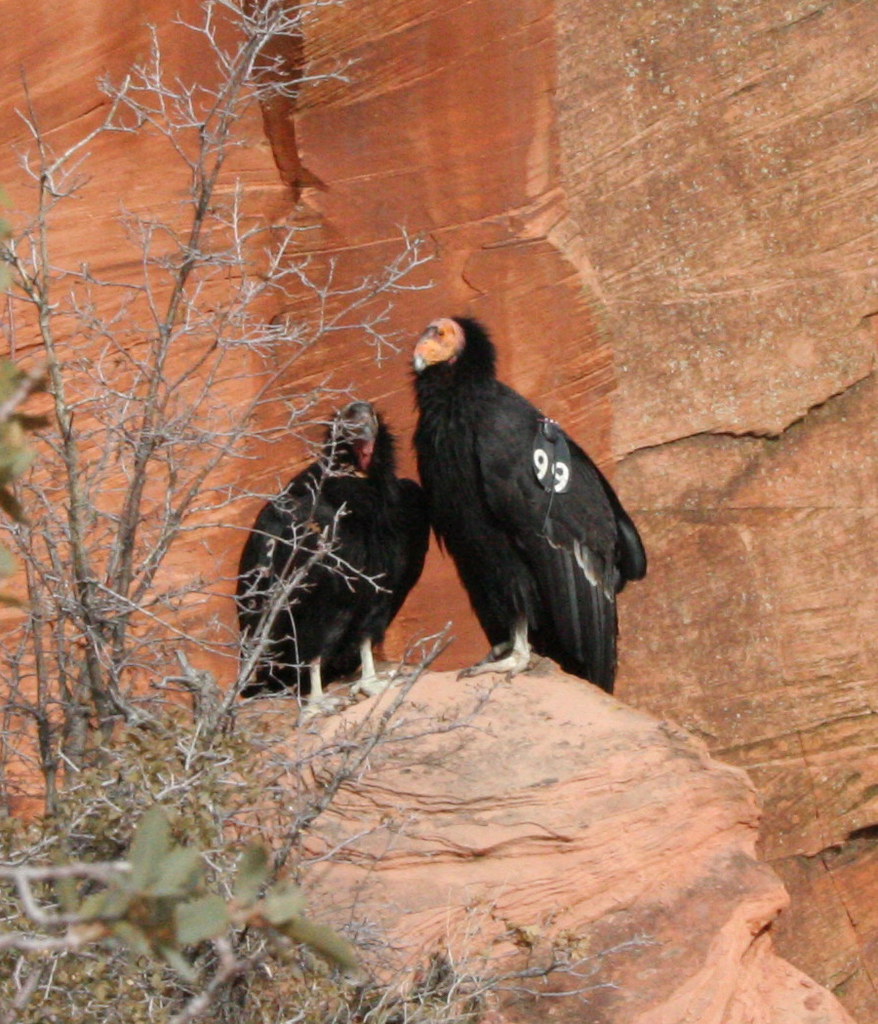
A Monumental Discovery Unfolds (Image Credits: Flickr)
Researchers spotted the first clues in satellite data from wing-mounted transmitters. The condors began lingering at the site, alternating incubation duties while one foraged for food and water. Such patterns, combined with reduced flight activity, pointed to egg-laying around early February. The egg, if present, requires 55 to 58 days of shared parenting before hatching, potentially in early April.
Direct confirmation remains elusive due to the nest’s inaccessibility – no roads lead there, and a creek blocks easy access. Program staff considered drones for a closer look but prioritized minimal disturbance. Changes in feeding rates and timing will signal progress, from hatching to the chick’s eventual fledging after six to seven months.
Profiles of the Pioneering Parents
The female, identified as A0 or Ney-gem’ Ne-chween-kah – “She carries our prayers” – hails from the Oregon Zoo. Her mate, A1 or Hlow Hoo-let – “At last I fly” – originated at the World Center for Birds of Prey. Both reached nearly seven years old, the threshold for breeding maturity, after release in May 2022 as part of the initial cohort.
These birds mated for life, a common trait among condors, and scouted months for the perfect spot. As the oldest in their group, they outpaced younger flock members still maturing. In Yurok tradition, known as prey-go-neesh, these giants hold sacred status, their feathers and songs woven into World Renewal ceremonies.
- Female A0: Only female from 2022 cohort; bred at Oregon Zoo.
- Male A1: Displays courtship wings; bred at World Center for Birds of Prey.
- Pair’s age: 6 years, 10 months at nesting time.
- Breeding habits: One egg every other year; chick dependent for over a year.
Tribal Stewardship Drives Revival
The Yurok Tribe spearheaded the Northern California Condor Restoration Program (NCCRP) after elders prioritized the species in 2003. Nearly two decades of studies on contaminants and partnerships paved the way for releases. NCCRP, collaborating with Redwood National and State Parks, now tracks 24 free-flying condors in the area.
“This is a huge moment for our Northern California flock,” stated Chris West, NCCRP manager and Yurok Wildlife senior biologist. The tribe views condors as “elder parents” that carry prayers skyward, restoring ecological and cultural balance. Funding from the U.S. Fish and Wildlife Service and others supports annual releases planned for at least 20 years.
Tiana Williams-Claussen, Yurok Wildlife director, captured the sentiment: “I have been waiting for this moment since the first condors arrived in 2022.” Their efforts echo broader recovery, transforming a population of 22 birds in 1987 into 607 worldwide by late 2025.
Navigating Persistent Threats
Condors faced near-extinction from shooting, poisoning, and habitat loss by European settlers. Lead ammunition fragments in carrion remain the top killer, claiming one young NCCRP bird in 2025. Avian flu and inexperienced parenting add risks, especially for first-time nesters.
Global reintroductions since 1991 succeeded in Southern California and Arizona, but Northern California’s flock is young. Scavengers by nature, condors recycle nutrients, soaring up to 15,000 feet with 9.5-foot wingspans and lifespans exceeding 50 years.
- Lead poisoning: Primary mortality cause; preventable via non-lead ammo.
- Inexperience: First eggs often fail.
- Historical low: 22 wild birds in 1982.
- Current wild total: Nearly 400 across sites.
Key Takeaways
- First potential nest in Pacific Northwest in 100+ years signals breeding milestone.
- Yurok-led program released 26 birds since 2022; 24 remain free-flying.
- Success hinges on monitoring amid lead and inexperience threats.
This nest embodies resilience, blending science, culture, and perseverance to reclaim a lost legacy. As the condors guard their future, conservationists watch closely. What does this milestone mean for wildlife recovery in your view? Share your thoughts in the comments.