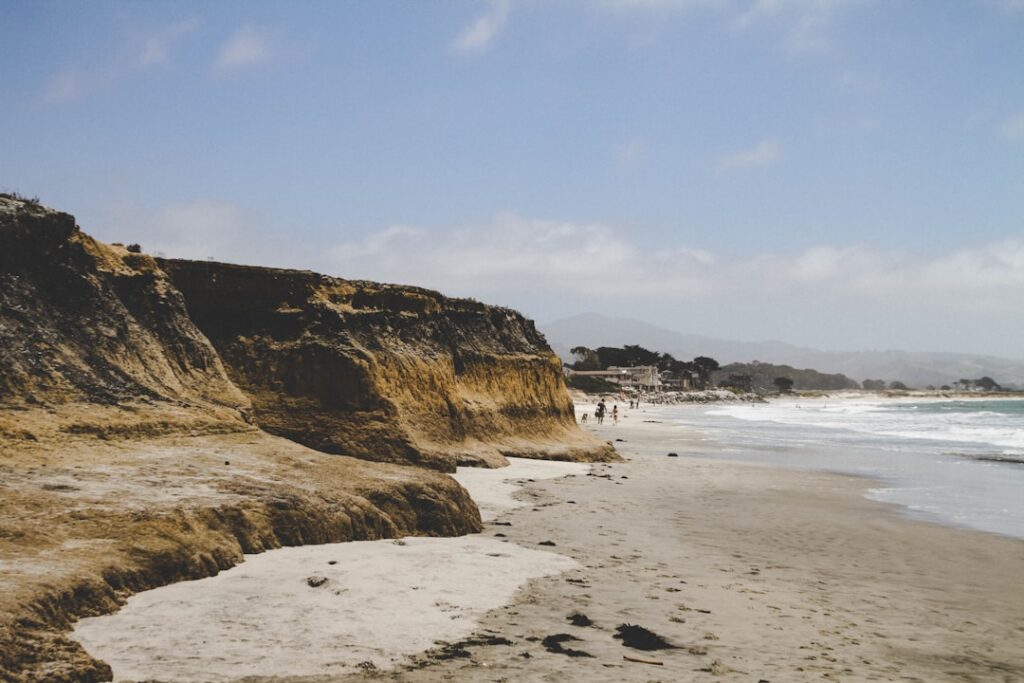
California’s coast – Vast expanses of land that once teemed with megafauna and early human settlements now rest beneath the Pacific Ocean. Rising sea levels after the last Ice Age submerged these landscapes, preserving a hidden record of prehistoric life. Recent explorations have brought these remnants to light, offering fresh insights into a world of giant mammals and coastal communities.
A Sunken World Exposed
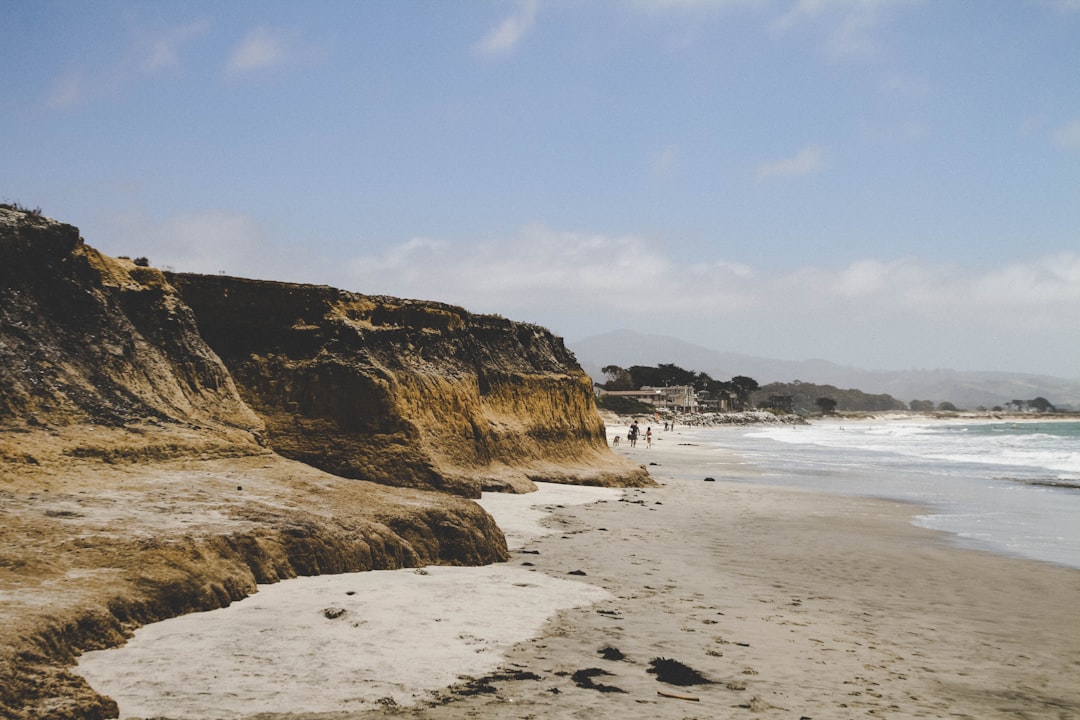
A Sunken World Exposed (Image Credits: Unsplash)
Researchers have mapped drowned valleys and ancient riverbeds off the California shoreline using advanced sonar technology. These efforts revealed paleolandscapes that extended miles westward during the Pleistocene epoch, when glaciers locked water on land and sea levels dropped dramatically. After the last glacial maximum, oceans rose more than 300 feet, flooding coastal plains and burying evidence of life from tens of thousands of years ago.
The Northern Channel Islands, now separated, formed a single landmass known as Santarosae, connected to the mainland. This super-island served as a migration corridor for animals and possibly the earliest humans. Erosion along modern cliffs and construction projects continue to expose fossils, underscoring the dynamic nature of these discoveries.
Megafauna Roamed a Lush Coastline
Mammoths traversed what is now the ocean floor to reach Santa Rosa Island, where a tusk dating back over 100,000 years turned up. Jefferson’s ground sloth bones surfaced in the Santa Cruz Mountains, discovered by hikers, while a Paramylodon bone from the same region dated to about 85,000 years old emerged during nearby construction. These finds paint a picture of abundant large mammals thriving in diverse ecosystems.
Such discoveries highlight greater species diversity than previously estimated. Giant herbivores and their predators navigated shifting terrains influenced by climate fluctuations. Fossils from tar pits and coastal exposures further illustrate interactions among these creatures before their eventual decline.
Traces of Early Coastal Dwellers
Off La Jolla, divers recovered thousands of stone tools at depths around 80 feet, including over 2,000 mortars and pestles used for grinding. These artifacts, some over 100,000 years old, mark submerged village sites linked to Indigenous groups like the Kumeyaay. Similar finds appeared along the San Diego coast, with portable sandstone bowls found up to 800 meters offshore and 30 meters deep.
These sites suggest communities adapted to marine resources, possibly dropping tools from watercraft or leaving them at ancient camps. The evidence points to a vibrant coastal culture reliant on fishing and gathering, now preserved underwater due to Holocene sea level rise.
- Stone mortars and pestles: Primary artifacts, often 20 cm in diameter.
- Manos, metates, and pestles: Less common grinding tools.
- Net weights, scrapers, projectile points: Indicators of fishing and hunting.
- Over 34 potential sites identified off San Diego.
Mapping the Past with Modern Tools
Federal expeditions employed side-scan sonar and sub-bottom profiling to chart prehistoric camping spots in submerged valleys. California State Parks documented the impacts of sea level changes, while the San Diego Archaeological Center cataloged artifacts from dives. The Santa Cruz Museum of Natural History showcased these treasures in a 2025 exhibit, featuring a reconstructed mastodon skull alongside real fossils.
Public involvement played a key role, with children spotting sloth bones during outings. These collaborative efforts bridge erosion threats and development pressures to salvage history.
Reshaping Timelines of Arrival and Extinction
The submerged record challenges traditional views by suggesting maritime explorers reached North America’s West Coast earlier than thought. Coastal highways like Santarosae facilitated migrations, linking human expansion with megafauna movements amid environmental shifts. Insights into extinctions point to climate, humans, and ecosystem changes as intertwined factors.
Key Takeaways
- Sea levels rose over 300 feet, submerging miles of prehistoric land.
- Megafauna fossils, including mammoth tusks over 100,000 years old, reveal migration patterns.
- Thousands of stone tools indicate early human coastal villages and maritime skills.
These underwater revelations connect modern California to its Ice Age roots, urging continued exploration before more sites vanish. What do you think these finds mean for our understanding of early Americans? Tell us in the comments.