California – Entomologists have long marveled at the state’s extraordinary insect diversity, spanning ancient redwoods to arid deserts, where tens of thousands of species thrive in relative obscurity.
The Enormous Scope of California’s Insect Realm

The Enormous Scope of California’s Insect Realm (Image Credits: Imgs.mongabay.com)
Austin Baker, director of the BioSCAN project at the Natural History Museum of Los Angeles County, spearheaded the California Insect Barcode Initiative in recent years to tackle this vast unknown. The effort forms part of the broader California All-Taxa Biodiversity Inventory, or CalATBI, which seeks to catalog every living species in the state. Researchers estimate that California hosts between 60,000 and 100,000 insect species, a figure that dwarfs current documented counts and highlights the urgency of systematic documentation. Traditional surveys, reliant on physical collection and morphological identification, proved insufficient for such scale, prompting a shift toward molecular techniques.
The initiative launched with ambitious goals in 2025, combining fieldwork across diverse ecosystems with advanced laboratory analysis. Teams collected specimens from coastal fog belts to inland valleys, capturing a snapshot of this hidden world. Early results revealed hotspots of activity in unexpected places, such as the species-rich Mojave Desert, where environmental pressures foster unique adaptations. This comprehensive approach not only aims to identify known species but also to uncover cryptic ones that blend seamlessly into their habitats.
Harnessing DNA for Precise Identification
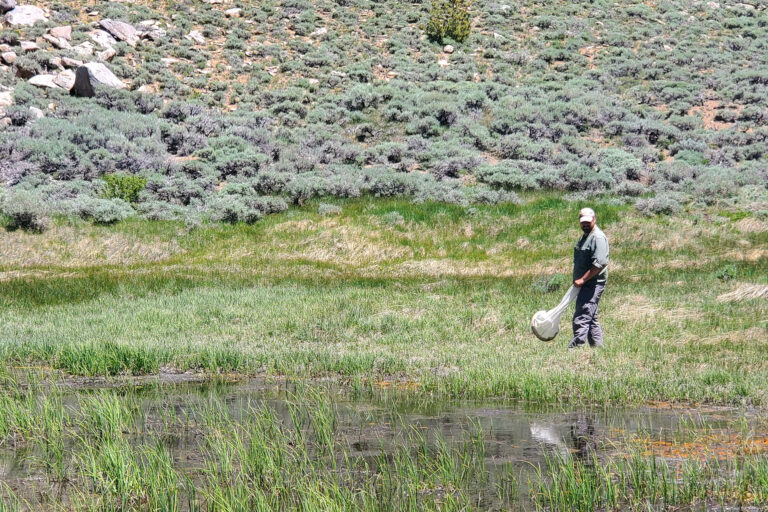
At the heart of the project lies DNA barcoding, a method that sequences a short genetic marker from the mitochondrial COI gene to create a unique “barcode” for each species. Baker’s team processed thousands of specimens, generating a digital library that serves as a baseline for future comparisons. This technology accelerates identification, allowing scientists to distinguish between look-alike insects that might otherwise require expert dissection. Field collectors used malaise traps and light nets to gather samples, which then underwent extraction and sequencing in specialized labs.
The process unfolded methodically over the past year, with partnerships involving universities and citizen scientists expanding the reach. By integrating barcodes into public databases, the initiative facilitates global collaboration and rapid verification. Challenges arose in handling degraded samples from remote sites, yet innovations in sequencing protocols minimized losses. Overall, this genetic toolkit transformed what was once a labor-intensive endeavor into a scalable, efficient operation.
Revealing Hotspots and Surprising Finds
Initial analyses pinpointed biodiversity hotspots that defied expectations, from the misty coastal regions teeming with endemic flies to desert dunes harboring resilient beetles. The Mojave emerged as a particularly prolific area, its harsh conditions nurturing specialized insects adapted to extreme aridity. Coastal zones, meanwhile, supported diverse pollinators vital to agriculture and wildflowers alike. These discoveries underscored California’s role as a global biodiversity powerhouse, rivaling tropical regions in sheer variety.
Surveys also exposed gaps in prior knowledge, with many species previously unrecorded or misclassified. For instance, urban areas near Los Angeles yielded unexpected abundances of nocturnal moths, influenced by artificial lights and green spaces. Researchers documented over 30,000 potential new entries in the first phase, emphasizing the state’s ecological complexity. Such findings provided fresh insights into how insects drive ecosystem functions, from decomposition to predation.
Implications for Conservation and Monitoring
The barcode library stands as a critical tool for tracking environmental changes, enabling detection of declines due to habitat loss or climate shifts. By establishing a genetic snapshot as of 2026, scientists can monitor shifts in species distributions over time. This data informs policy, prioritizing protected areas for at-risk taxa and guiding restoration efforts. Collaboration with agencies like the California Department of Fish and Wildlife amplified the project’s reach, integrating insect data into broader conservation strategies.
Long-term, the initiative promises to safeguard California’s insect heritage against threats like urbanization and invasive species. It also empowers educators and the public to engage with local biodiversity, fostering stewardship. As the database grows, it will support predictive modeling for pest management and ecological health assessments.
- Specimen collection via traps in varied habitats.
- DNA extraction and COI gene sequencing.
- Barcode matching against global references.
- Validation through expert review.
- Integration into accessible online repositories.
- Ongoing monitoring for temporal changes.
Key Takeaways
- The initiative estimates 60,000–100,000 insect species in California, far exceeding prior records.
- DNA barcoding creates a permanent genetic archive for conservation tracking.
- Hotspots like the Mojave Desert reveal untapped diversity essential to ecosystems.
As California’s insect barcode project advances, it not only demystifies a teeming underbelly of life but also equips future generations to protect it. This endeavor reminds us that even in a well-studied state, nature holds profound secrets waiting to be unlocked. What role do you see insects playing in your local environment? Share your thoughts in the comments.