Battambang and Stung Treng provinces, Cambodia – Researchers delved into over 60 limestone caves and rugged hills, unearthing 11 species unknown to science. These findings, outlined in a detailed biodiversity report released this year, highlight the extraordinary diversity within the country’s karst landscapes. Dramatic formations of towering rocks and hidden caverns have long sheltered unique life, isolated by surrounding human-altered terrain. The survey emphasized the need to safeguard these fragile ecosystems from mounting pressures.
A Turquoise Viper Steals the Spotlight
A Turquoise Viper Steals the Spotlight (Image Credits: Upload.wikimedia.org)
Among the most striking discoveries stood a vividly colored pit viper from the genus Trimeresurus, collected in Phnom Prampi during the 2025 field season. This venomous serpent, equipped with heat-sensing pits to hunt warm-blooded prey, awaits formal description. Its turquoise hue set it apart in the dim cave interiors. Researchers noted how such karst formations act as natural laboratories, fostering evolution in isolation.
Dr. Lee Grismer, a biology professor at La Sierra University, captured the phenomenon: “Each one of these isolated karst areas act as their own little laboratory … The results are species that exist nowhere else — not just nowhere else in the world, or that country — but in no other cave.” Seven species received official scientific names, while four more undergo taxonomic review. The haul included geckos, micro-snails, and millipedes, each adapted to the stark cave environments.
Survey Teams Chart Unexplored Territory
From late 2023 through mid-2025, teams led by Fauna & Flora, in partnership with Cambodia’s Ministry of Environment, targeted karst sites in Banan and Phnom Proek districts of Battambang, plus Thalabarivat in Stung Treng. They explored 64 caves across 10 hills using headlamps, camera traps, mist nets, and hand collection. Methods ranged from nighttime herpetology walks to litter sifting for invertebrates and acoustic bat monitoring.
Camera traps logged over 5,500 nights, capturing 199,000 images of mammals and birds. Snail hunts yielded 72 species from 17 families, while myriapods totaled 30. The effort confirmed vast understudied potential, with molecular analyses still pending for many specimens.
Breakdown of the New Discoveries
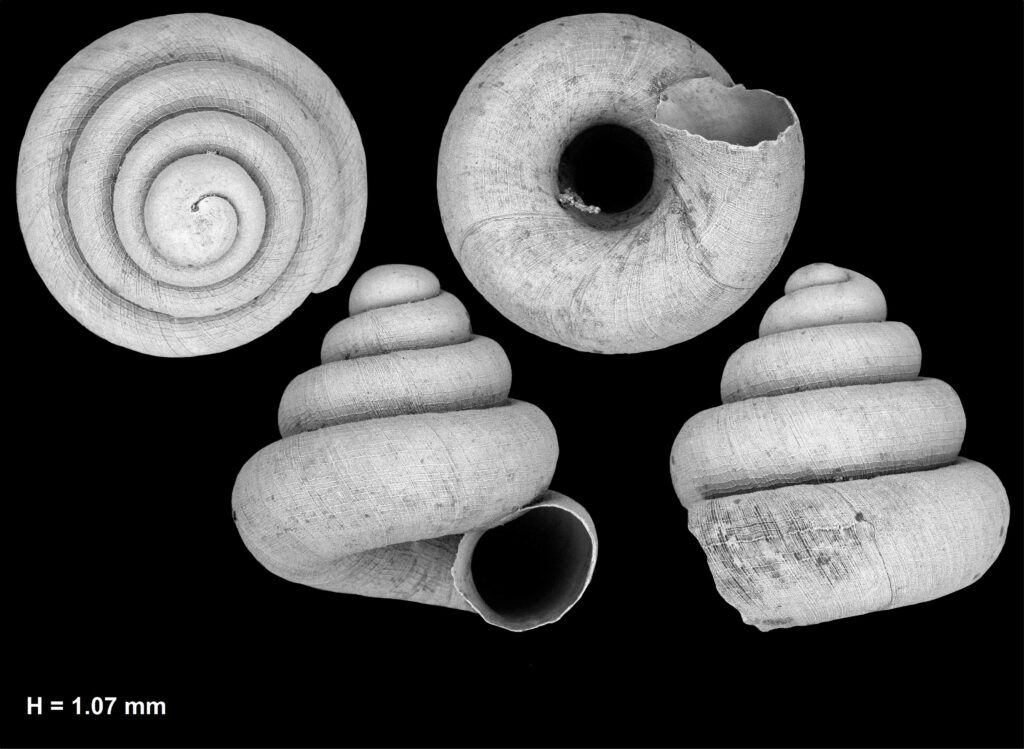
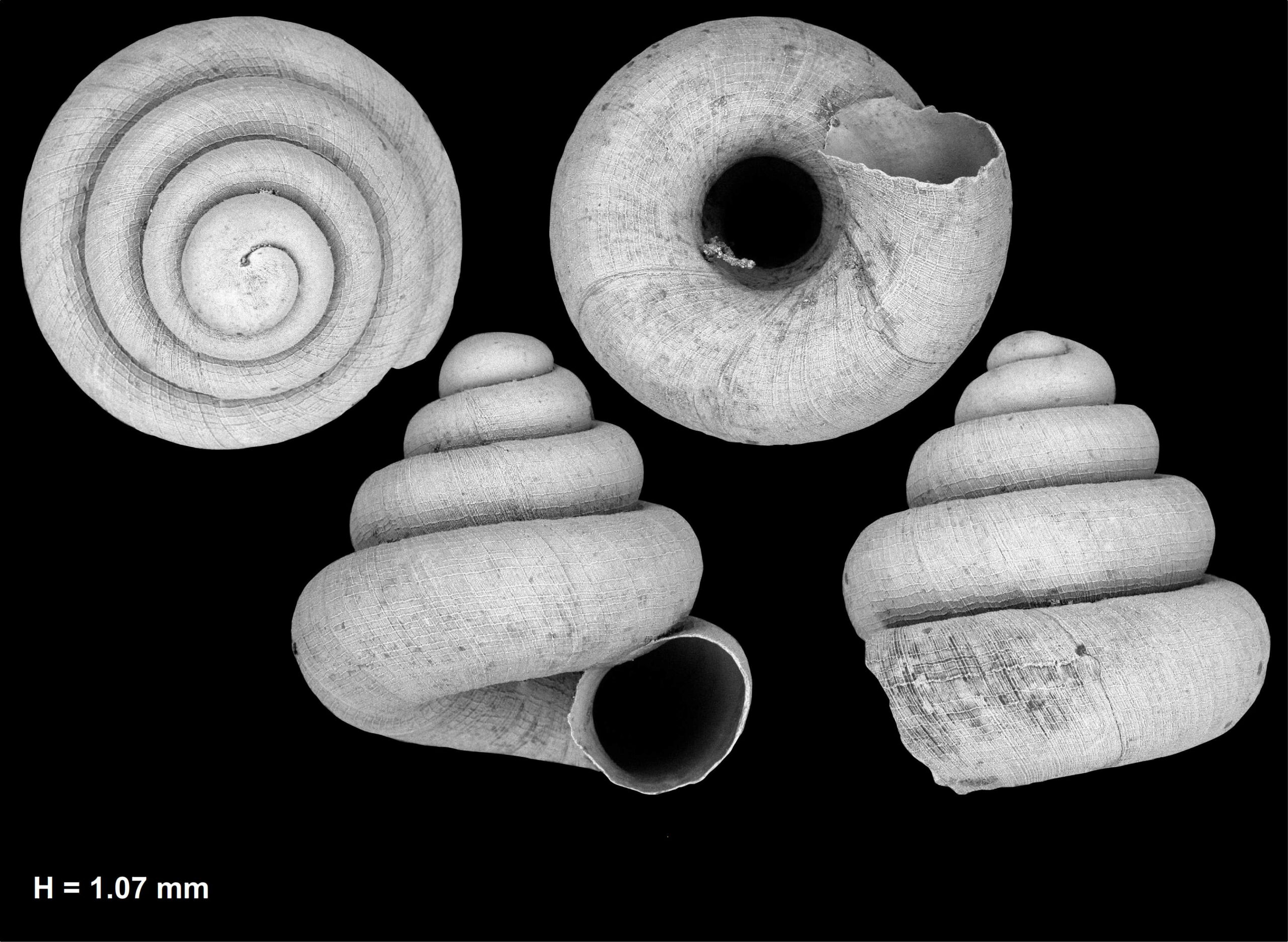
The 11 new species spanned reptiles, mollusks, and arthropods, many restricted to specific karst hills. Formally described ones included three geckos suited to rocky crevices and cave walls. Micro-snails, some under 2 millimeters, represented first records for their genera in Cambodia.
- Geckos (described): Cyrtodactylus kampingpoiensis (striped bent-toed, from four isolated populations), Hemiphyllodactylus khpoh, Dixonius noctivagus (leaf-toed with leopard spots).
- Micro-snails: Clostophis udayaditinus, Chamalycaeus aduncus.
- Millipedes: Orthomorpha efefai, Orthomorpha battambangiensis (dark orange, likely toxic).
- Pending: Three additional geckos (Gehyra sp. nov., Cyrtodactylus sp. nov., Dixonius sp. nov.) and the Trimeresurus pit viper.
These finds built on prior records, like the first Cambodian sighting of Gekko shiva, named for a Hindu deity.
Endangered Wildlife Shares the Caves
Beyond novelties, the surveys documented critically endangered and vulnerable species navigating the same habitats. Camera traps twice recorded the Sunda pangolin, whose scales fuel illegal trade. Indochinese silvered langurs, long-tailed macaques, and green peafowl also appeared frequently.
Other detections included northern pig-tailed macaques, mainland serow, and Bengal monitor lizards. Bats like the Near-Threatened Hipposideros lekaguli roosted in large colonies, their first confirmed sites in Cambodia. Such overlaps signal high conservation value amid threats like quarrying and poaching.
Karst’s Unique Role and Rising Perils
Cambodia’s karst covers isolated “islands” in the Indo-Burma hotspot, promoting endemism through water-eroded limestone towers and caverns. Only 1% receives protection globally, leaving most vulnerable to cement mining, wildfires, tourism, and hunting. Traps even caught images of human-set fires and armed poachers.
Sothearen Thi, Fauna & Flora’s karst coordinator, warned: “Cambodia’s karst landscapes shelter unique endemic species. Yet these fragile ecosystems are increasingly threatened by human activities, especially cement mining.” Recommendations urge expanded surveys, site protections, and community enforcement.
Key Takeaways
- 11 new species from caves signal untapped biodiversity in karst.
- Threatened icons like pangolins rely on these unprotected habitats.
- Targeted protections could prevent extinctions before discovery.
These revelations from Cambodia’s depths remind us that much of Earth’s biodiversity hides in plain sight, demanding swift action. As karst hills crumble under development, will conservation keep pace? What do you think about it? Tell us in the comments.