Picture this: You’re hiking through a remote canyon in Montana when something catches your eye—a curved, weathered bone protruding from the rock face. Your heart races as you realize you might be looking at a dinosaur fossil. But before you start chiseling away, there’s a crucial question that could determine whether you go home with a life-changing discovery or face serious legal consequences: Can you keep what you find?
The world of fossil hunting operates in a legal gray area that confuses even experienced collectors. What seems like a simple treasure hunt quickly becomes a complex maze of federal laws, state regulations, and property rights that vary dramatically across North America. One wrong move could turn your exciting discovery into an expensive nightmare.
The Foundation of Fossil Law in America
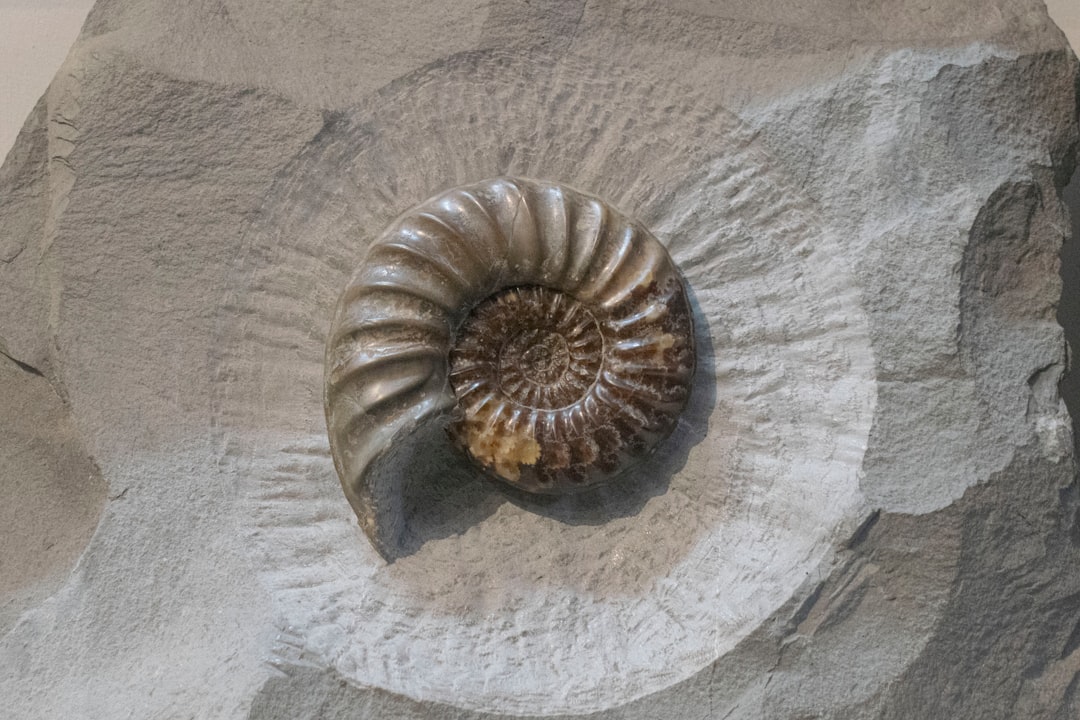
The legal framework governing fossil collection in North America stems from a patchwork of federal statutes, state laws, and property regulations that have evolved over more than a century. The most significant piece of legislation is the Antiquities Act of 1906, originally designed to protect archaeological sites but now extended to include paleontological resources.
This foundational law established the principle that fossils found on public lands belong to the government, not the finder. However, the interpretation and enforcement of these laws have shifted dramatically over the decades, creating confusion for amateur collectors who may not understand the legal implications of their hobby.
Federal Land: The Strictest Rules Apply
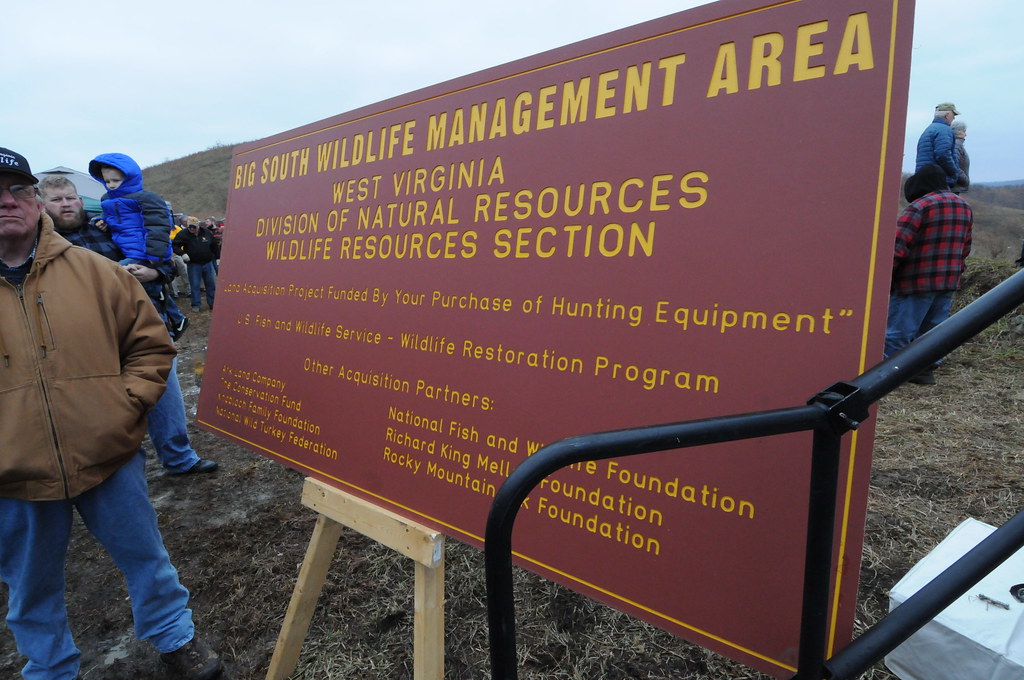
When you step onto federal property—including national parks, forests, and Bureau of Land Management areas—you’re entering territory where fossil collection is heavily regulated or completely prohibited. The Paleontological Resources Preservation Act of 2009 made it a federal crime to collect vertebrate fossils on public lands without proper permits.
Violations can result in fines up to $500,000 and imprisonment for up to five years. Even collecting invertebrate fossils like trilobites or shells without permission can lead to significant penalties. The law treats fossil theft as seriously as stealing any other government property, and ignorance of the regulations isn’t considered a valid defense.
National parks represent the most restrictive environment for fossil hunters, where removing even a small rock can result in criminal charges. The National Park Service maintains a zero-tolerance policy, treating every fossil as a crucial piece of America’s natural heritage that belongs to all citizens.
State Lands: A Varied Landscape
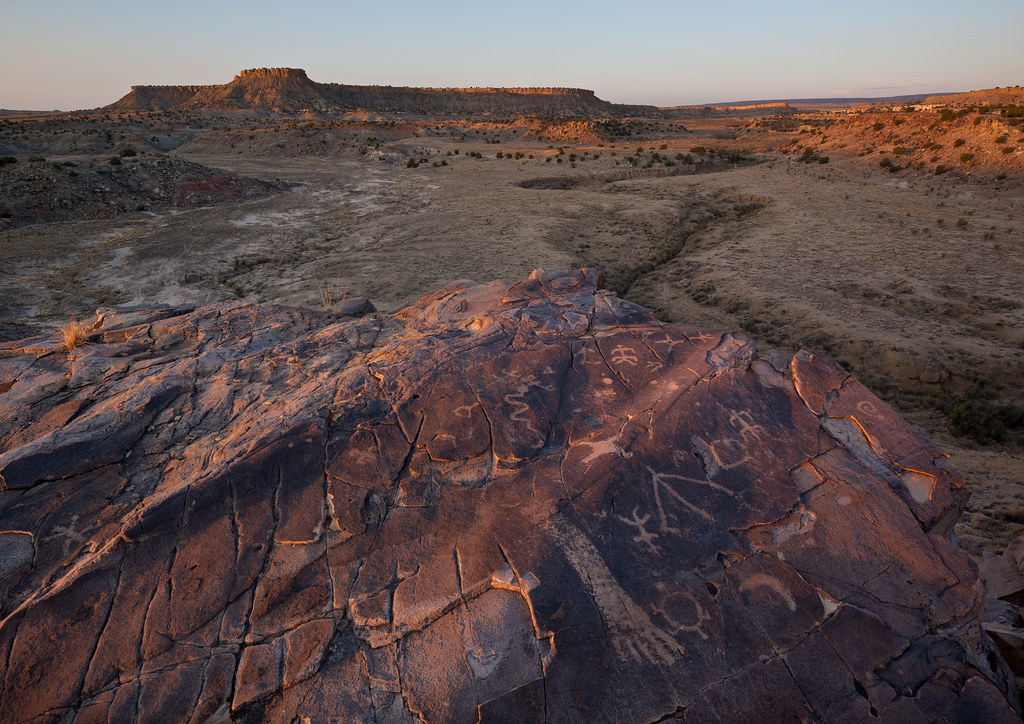
State-owned properties present a more complex picture, with regulations varying significantly from one state to another. Some states, like Texas, allow limited collection of common fossils on certain state lands, while others maintain strict prohibitions similar to federal regulations.
California’s approach exemplifies the restrictive model, treating fossils on state land as protected resources that require special permits for collection. In contrast, states like Montana have more permissive policies for surface collection of invertebrate fossils, though vertebrate remains still require professional involvement.
The key challenge for amateur collectors lies in understanding which specific state agency governs fossil collection and what permits or permissions may be required. These regulations change frequently, and what was legal last year might be prohibited today.
Private Property: Where Freedom Meets Complexity

Private land represents the most promising territory for amateur fossil hunters, but even here, the legal landscape isn’t straightforward. Generally, landowners have the right to allow fossil collection on their property, and discoveries made with permission can be kept by the finder or landowner, depending on their agreement.
However, several important caveats apply. Some states claim ownership of particularly significant fossils regardless of where they’re found, especially if they’re considered scientifically important. Additionally, mineral rights and surface rights are sometimes owned by different parties, creating potential conflicts over fossil ownership.
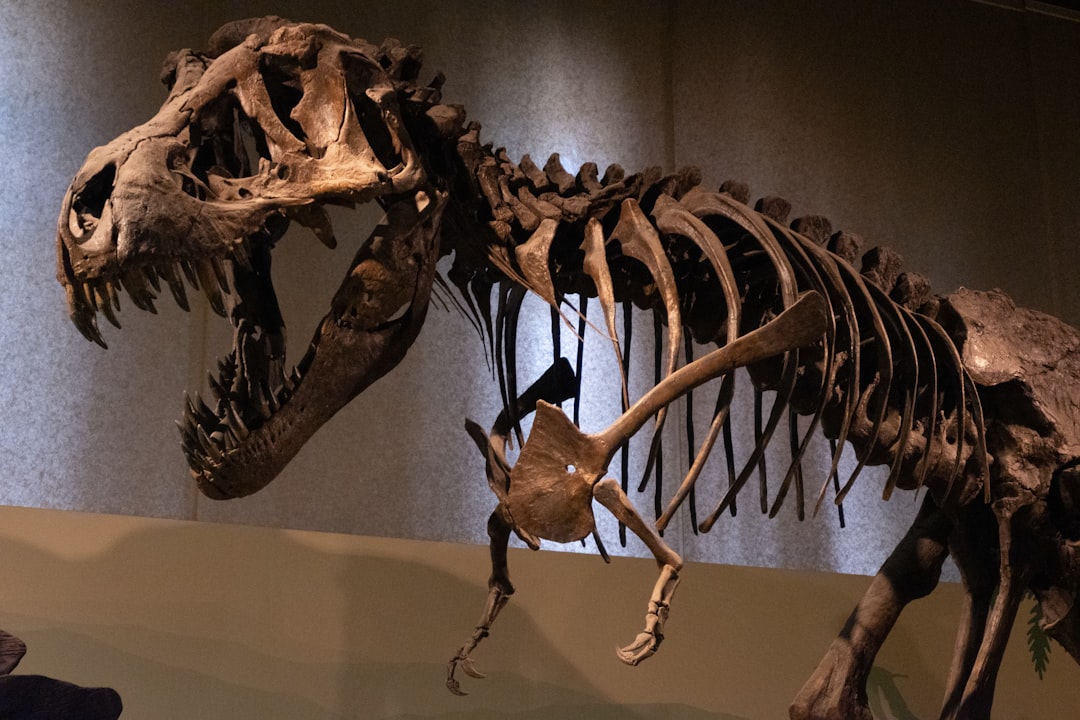
The most famous example of this complexity occurred with “S,ue” the T. rex, discovered on private land in South Dakota. The resulting legal battle lasted years and involved multiple parties claiming ownership, ultimately reaching federal court before being resolved.
The Scientific Significance Factor
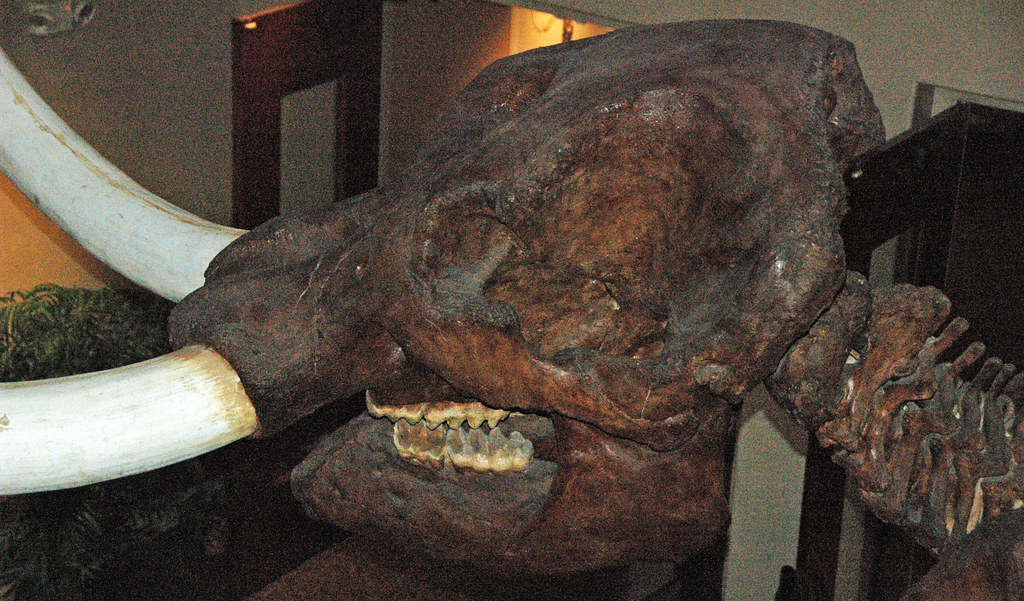
The scientific importance of a fossil discovery can dramatically alter its legal status, even on private property. Specimens deemed to have exceptional research value may be subject to special protections or government intervention, regardless of where they were found.
Courts have established precedents suggesting that fossils of extraordinary scientific merit constitute part of the public trust, similar to how archaeological artifacts are treated. This principle has been invoked in cases involving dinosaur fossils, early mammal specimens, and other paleontologically significant finds.
The challenge for amateur collectors lies in the fact that the scientific significance of a specimen often can’t be determined until after professional examination. What appears to be a common fossil might represent a new species or provide crucial insights into prehistoric life.
Canada’s Approach: Provincial Variations
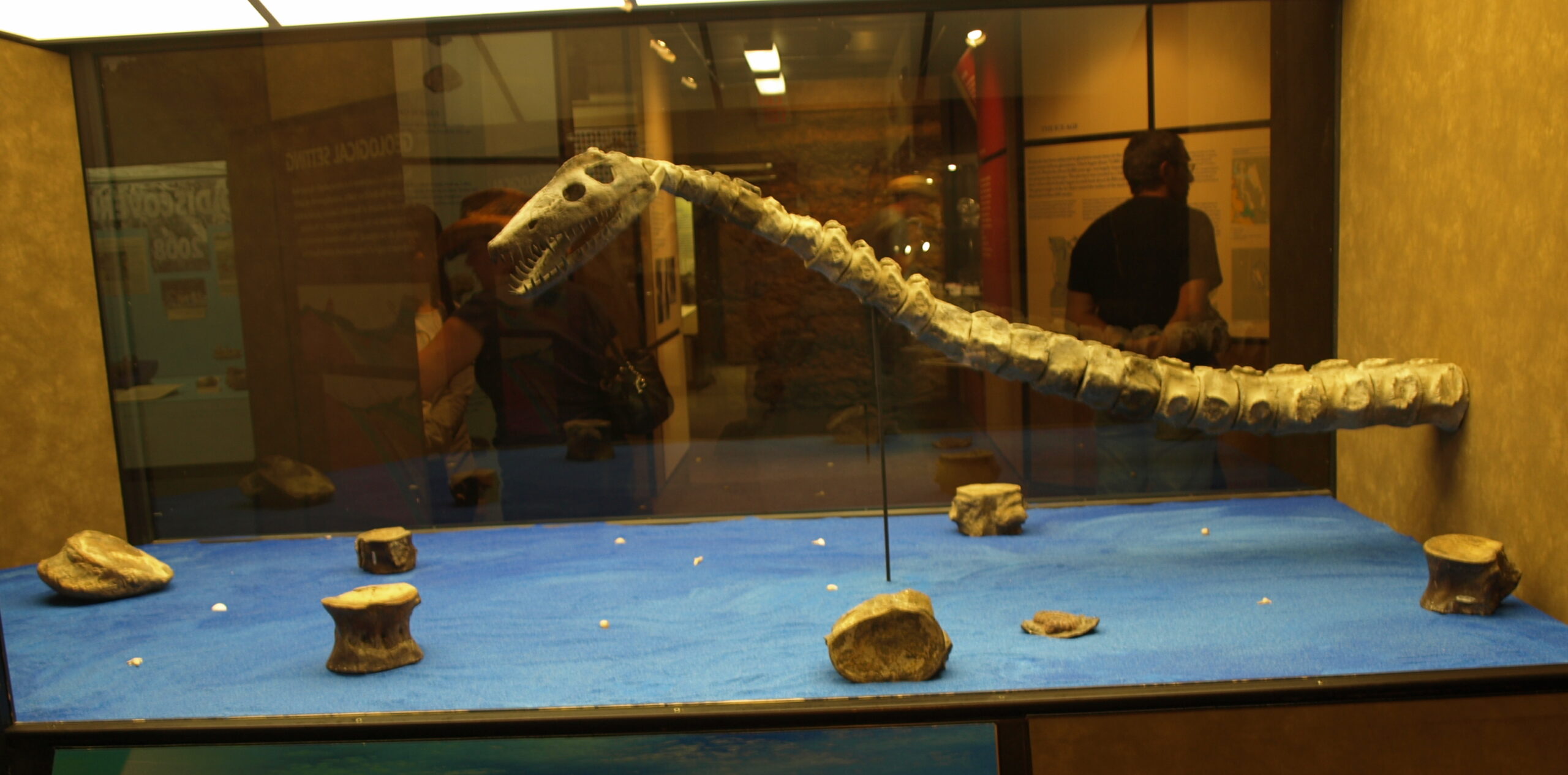
Canadian fossil laws operate under provincial jurisdiction, creating a system that varies significantly from province to province. Alberta, home to some of the world’s most important dinosaur fossil sites, maintains strict regulations requiring permits for most fossil collection activities.
British Columbia allows the limited collection of common invertebrate fossils but requires permits for vertebrate specimens. The province’s approach emphasizes education and conservation, encouraging amateur collectors to work with professional paleontologists rather than pursuing independent collection.
Ontario’s regulations focus primarily on protecting sites of exceptional scientific value while allowing more freedom for collecting common specimens. However, the province requires reporting of significant finds and maintains the right to claim ownership of scientifically important discoveries.
Permits and Professional Partnerships

For amateur collectors serious about pursuing their hobby legally, obtaining proper permits represents the most straightforward path to legitimate fossil hunting. Many agencies offer collecting permits that allow limited collection of specific types of fossils under controlled conditions.
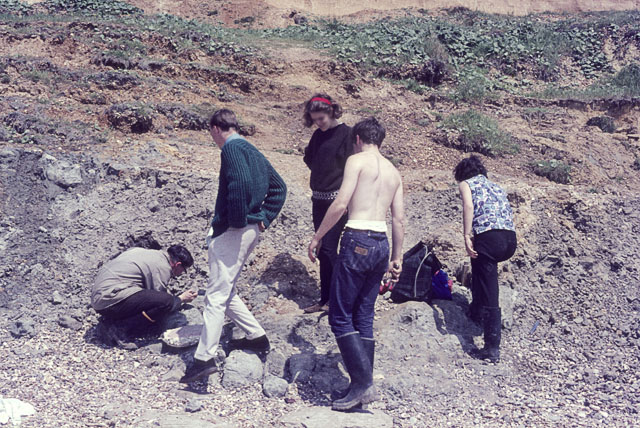
Professional partnerships offer another avenue for legal fossil hunting. Many universities and museums welcome amateur collectors who are willing to work under professional supervision, providing training in proper collection techniques while ensuring legal compliance.
These partnerships often provide access to sites that would otherwise be off-limits to amateur collectors, while also contributing to legitimate scientific research. The arrangement typically involves sharing discoveries with the institution, but collectors often retain rights to less scientifically significant specimens.
Commercial Fossil Trade Regulations
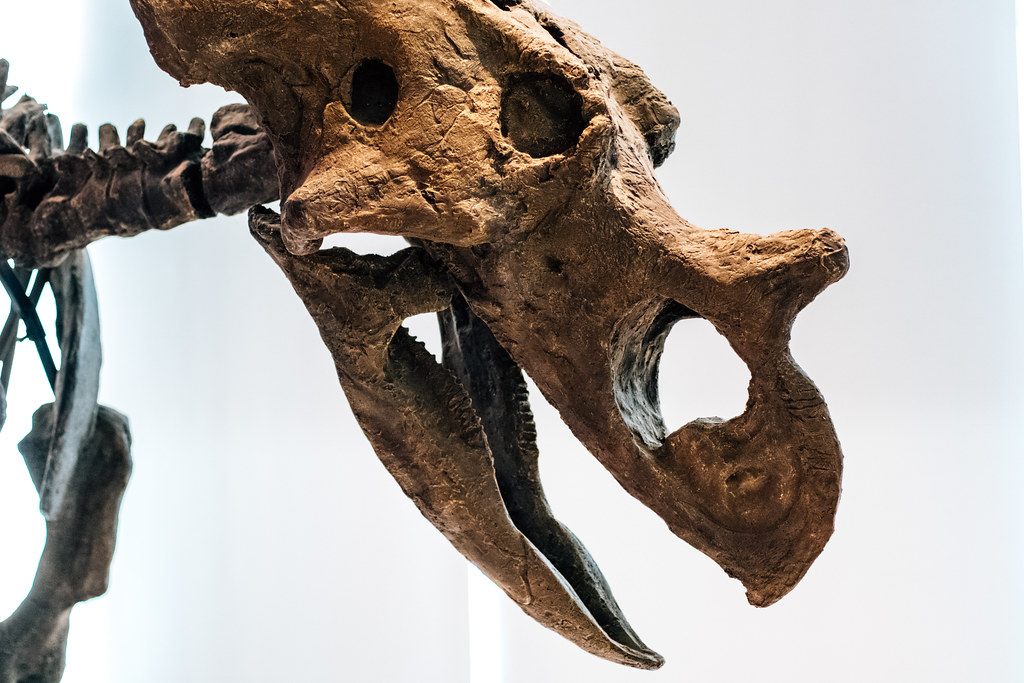
The commercial fossil trade operates under a complex web of regulations that vary depending on the type of specimen, its origin, and its destination. Selling fossils collected from public lands remains illegal regardless of how they were obtained, while privately collected specimens face fewer restrictions.
International trade in fossils is governed by various treaties and agreements, including CITES (Convention on International Trade in Endangered Species), which covers some fossil specimens. Collectors planning to buy or sell fossils across international borders must understand these regulations to avoid legal complications.
The rise of online fossil sales has created new enforcement challenges, as specimens of questionable legality can be sold across state and national borders with minimal oversight. Law enforcement agencies have begun targeting online fossil sales as part of broader efforts to combat illegal fossil trafficking.
Enforcement and Penalties
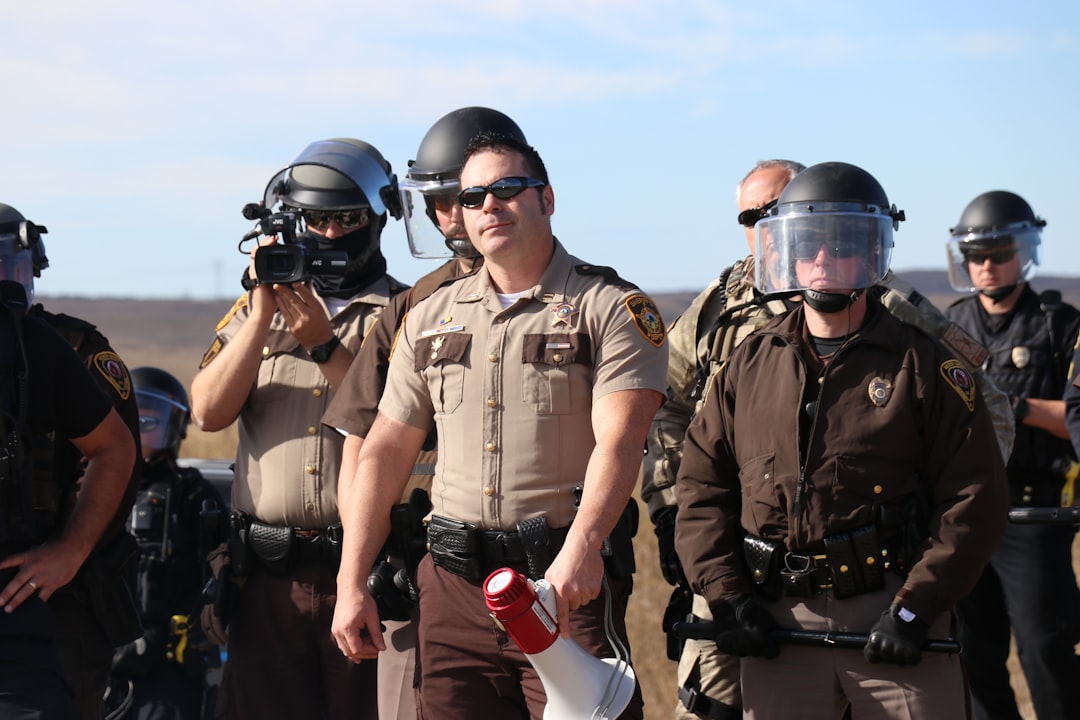
Fossil law enforcement has intensified significantly over the past decade, with specialized investigators trained to identify illegal collection activities and track stolen specimens. The FBI’s Art Crime Team now includes fossil theft as part of its mandate, reflecting the growing recognition of fossils as valuable cultural resources.
Penalties for fossil-related crimes can be severe, including substantial fines, imprisonment, and permanent bans from public lands. The government has also pursued civil forfeiture actions, seizing entire fossil collections from individuals found to have violated collection laws.
Recent high-profile prosecutions have sent a clear message that fossil theft is taken seriously by law enforcement. Cases involving stolen dinosaur fossils have resulted in sentences of several years in prison, along with restitution payments exceeding millions of dollars.
Insurance and Liability Considerations

Amateur fossil hunters face potential liability issues that extend beyond criminal penalties. Property damage during unauthorized collection activities can result in civil lawsuits, while accidents during fossil hunting expeditions may not be covered by standard insurance policies.
Professional liability insurance specifically designed for fossil collectors has emerged as a growing market, offering protection against both legal costs and civil claims. These policies typically require collectors to demonstrate compliance with applicable laws and proper safety procedures.
Homeowner’s insurance policies may not cover fossil collections, especially if the specimens were obtained illegally or without proper documentation. Collectors with valuable specimens should consider specialized insurance coverage to protect their investments.
Technology and Modern Enforcement

Modern technology has revolutionized fossil law enforcement, with satellite imagery, GPS tracking, and digital forensics now playing crucial roles in investigating illegal collection activities. Social media posts and online sales have become valuable sources of evidence for prosecutors.
The development of portable X-ray and CT scanning equipment has made it easier for law enforcement to verify the authenticity and origin of fossil specimens. These technologies help distinguish between legally collected specimens and those obtained through illegal means.
Blockchain technology is being explored as a way to create permanent, tamper-proof records of fossil provenance, potentially revolutionizing how ownership and legal collection are documented. This could provide greater protection for both collectors and law enforcement agencies.
Educational Programs and Legal Alternatives

Many institutions now offer educational programs designed to teach amateur collectors about legal fossil hunting while providing supervised access to collection sites. These programs typically combine classroom instruction with hands-on field experience under professional guidance.
Fossil preparation workshops offer another legal avenue for enthusiasts to engage with paleontology without the legal risks associated with collection. These programs teach the skills needed to clean and prepare fossils while contributing to legitimate scientific research.
Citizen science initiatives allow amateur collectors to contribute to paleontological research while ensuring legal compliance. These programs often provide training in proper collection techniques and data recording, creating valuable partnerships between professionals and amateurs.
International Perspectives and Comparisons
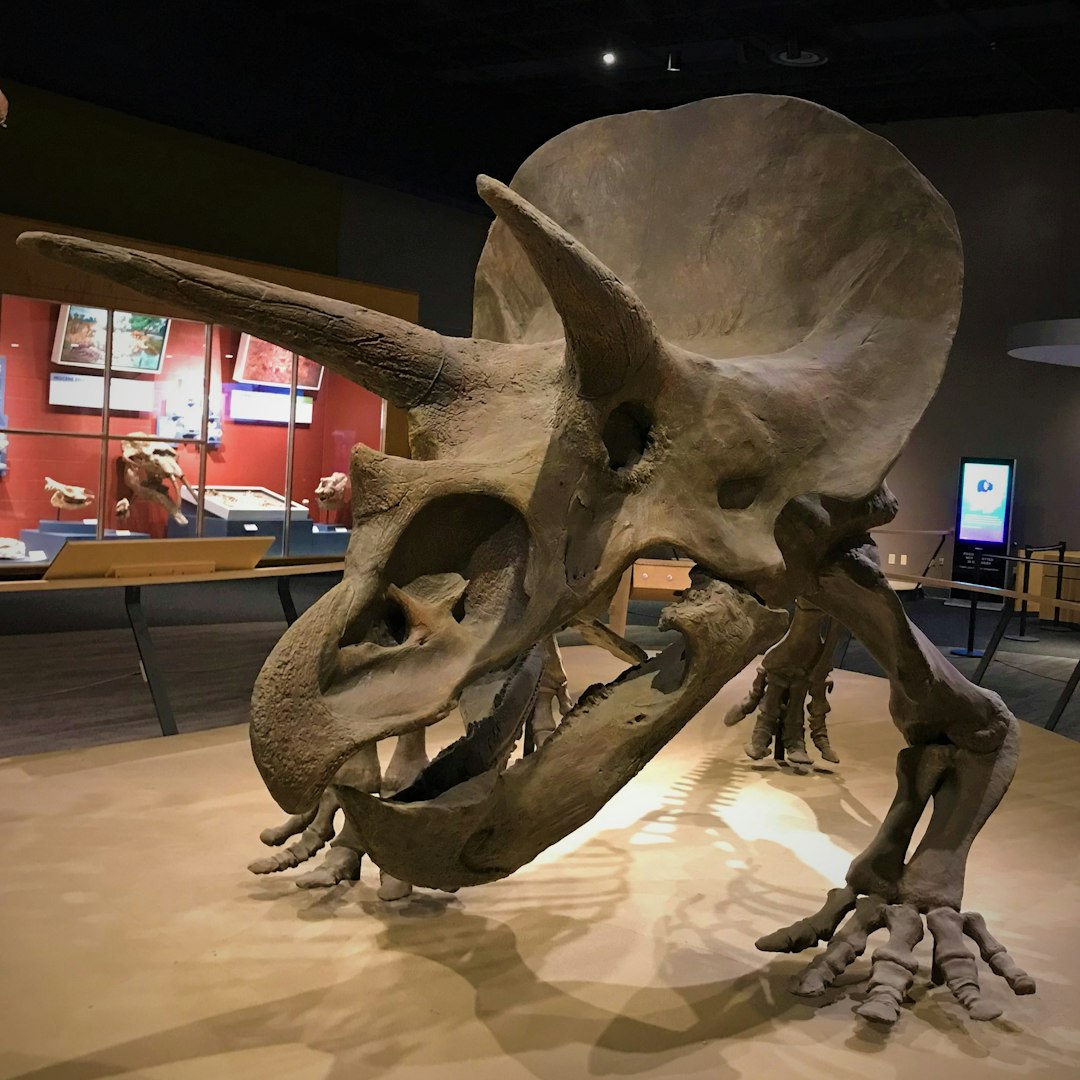
North American fossil laws are generally more restrictive than those found in many other countries, reflecting different cultural attitudes toward paleontological resources. European countries often allow more extensive amateur collection while maintaining strong protections for sites of exceptional scientific value.
Australia’s approach emphasizes state-level regulation with varying degrees of restriction, similar to the North American model but with generally more permissive policies for amateur collectors. The country’s fossil laws recognize the educational value of amateur collection while protecting scientifically significant sites.
Developing countries often struggle with fossil trafficking issues, as valuable specimens are illegally exported to collectors in wealthier nations. International cooperation in fossil law enforcement has become increasingly important as the global trade in fossils continues to grow.
Future Trends and Legal Evolution
The legal landscape surrounding fossil collection continues to evolve, with new legislation and court decisions regularly changing the rules for amateur collectors. Recent trends suggest increasing restrictions on collection activities, particularly for vertebrate fossils and specimens from sensitive sites.
Technology will likely play an increasingly important role in both collection and enforcement, with new tools potentially making it easier to document legal collection while also improving law enforcement capabilities. The integration of artificial intelligence and machine learning into fossil identification could revolutionize how legal compliance is monitored.
Climate change and increased interest in paleontology may lead to new pressures on fossil sites, potentially resulting in even more restrictive regulations. The challenge will be balancing legitimate scientific and educational interests with the need to protect irreplaceable paleontological resources for future generations.
Conclusion
The world of amateur fossil hunting exists at the intersection of science, law, and personal passion, creating a complex landscape that continues to evolve. While the legal restrictions may seem daunting, they reflect the growing recognition that fossils represent irreplaceable windows into our planet’s history that belong to all humanity. For those willing to navigate the legal requirements, opportunities still exist to pursue this fascinating hobby while contributing to our understanding of prehistoric life. The key lies in education, preparation, and respect for the laws designed to protect these ancient treasures for future generations. What discoveries might be waiting for those who choose to hunt legally?