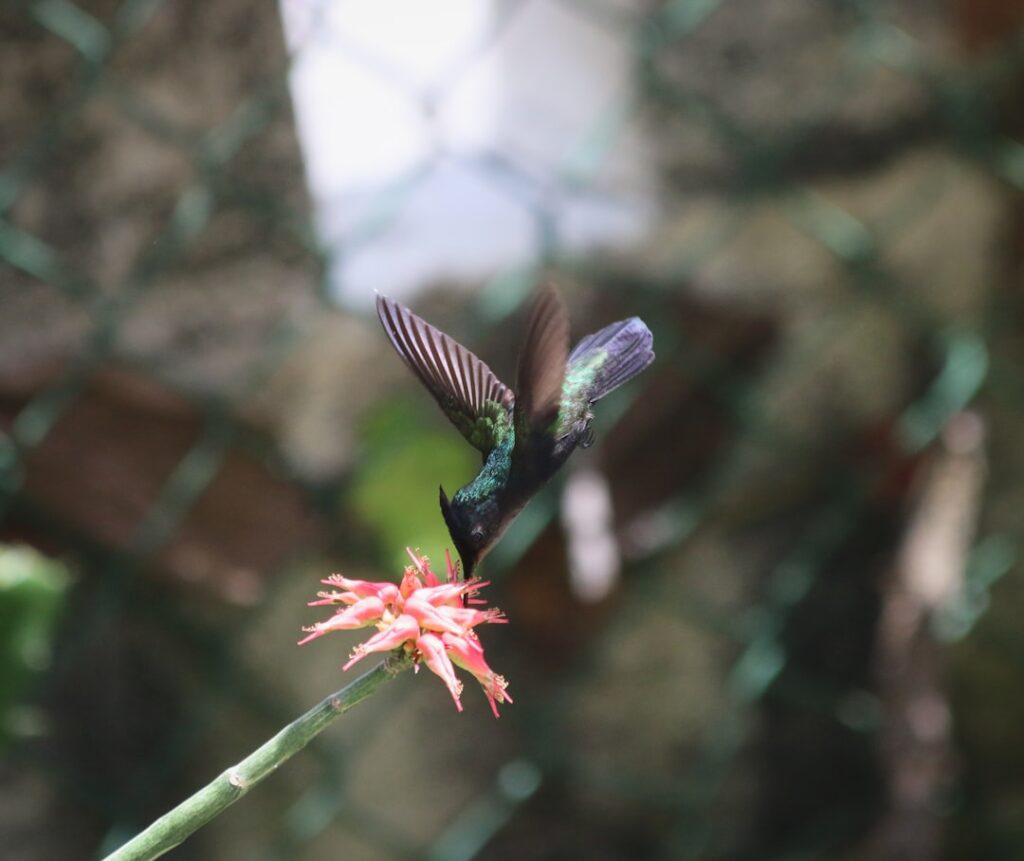
Migratory birds that nest in New England and winter in the Caribbean now benefit from expanded conservation measures led by a key partnership.
Record Demand Highlights Urgency at Grenada Workshop
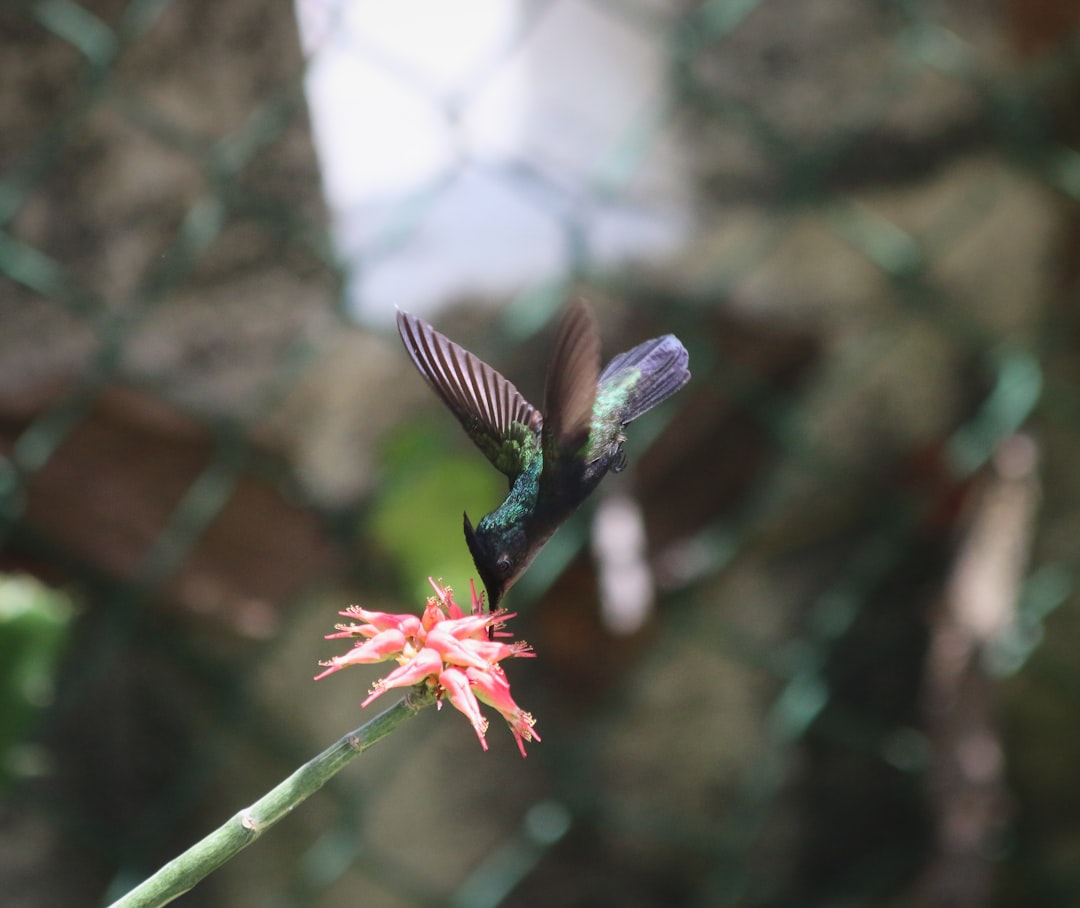
Record Demand Highlights Urgency at Grenada Workshop (Image Credits: Unsplash)
Interest surged when Zoo New England collaborated with BirdsCaribbean to host a bird banding training workshop in Grenada in March 2024. Wildlife professionals from across the region applied in droves, with 74 submissions for just 18 spots. Participants hailed from nine Caribbean islands and underwent five intensive days of hands-on instruction at two field sites.
Trainers Daniela Ventura del Puerto from Cuba and Zoya Buckmire from Grenada earned North American Banding Council Trainer certifications during the event. They guided attendees through critical techniques, from safe bird handling to data collection and feather aging for precise bird identification. Holly Garrod demonstrated proper release methods to minimize stress on the birds. One participant reflected, “After sharing with so many passionate people dedicated to the same goal, I am convinced of the importance of what we do and how much the effort is worth it every day.”
Puerto Rico Project Deploys Cutting-Edge Tracking
The partnership shifted to Puerto Rico in March 2025, where teams launched a Prairie Warbler tracking initiative using the Motus Wildlife Tracking System. Local professionals received additional banding training, bringing the total number trained to about 27 over the two years. Crews fitted tiny transmitter tags on 20 Prairie Warblers, capturing vital data on their movements.
Results proved promising, with Motus stations detecting 18 of the tagged birds. Two even reached subsequent migration stops, including one in Florida. This project marked a step toward monitoring birds across their full annual cycle, from New England breeding grounds to Caribbean wintering sites. Such efforts equip local experts to lead protection in their home countries.
Foundations for a Caribbean-Wide Banding Authority
Central to the collaboration stands the push for a unified bird banding authority and database spanning the entire Caribbean. This system promises standardized data collection to track populations more effectively. Trained surveyors now establish repeatable routes and sites, fostering consistent monitoring.
The initiative addresses a core challenge: building community-centered conservation for lasting impact. By empowering local residents, the program ensures skills and passion endure beyond initial workshops. Zoo New England connects these Caribbean actions to its Massachusetts-based work, protecting shared species across hemispheres.
Key Milestones in Two Years of Progress
The partnership delivered tangible outcomes quickly. Organizers noted the overwhelming workshop demand as a sign of regional commitment.
- Trained 18 professionals from nine islands in Grenada.
- Certified two new trainers from Cuba and Grenada.
- Tagged 20 Prairie Warblers in Puerto Rico, with strong detection rates.
- Trained 27 locals total in banding techniques.
- Launched repeatable survey protocols.
Key Takeaways
- Hands-on workshops built a cadre of skilled Caribbean bird experts.
- Motus tracking revealed early migration insights for Prairie Warblers.
- A centralized database will unify data for better decision-making.
These developments position the Caribbean as a stronger guardian for migratory birds that sustain New England ecosystems. As networks expand, full-cycle monitoring could transform population management. What steps should regions take next to support these birds? Share your thoughts in the comments.
For more details, visit the Zoo New England blog.