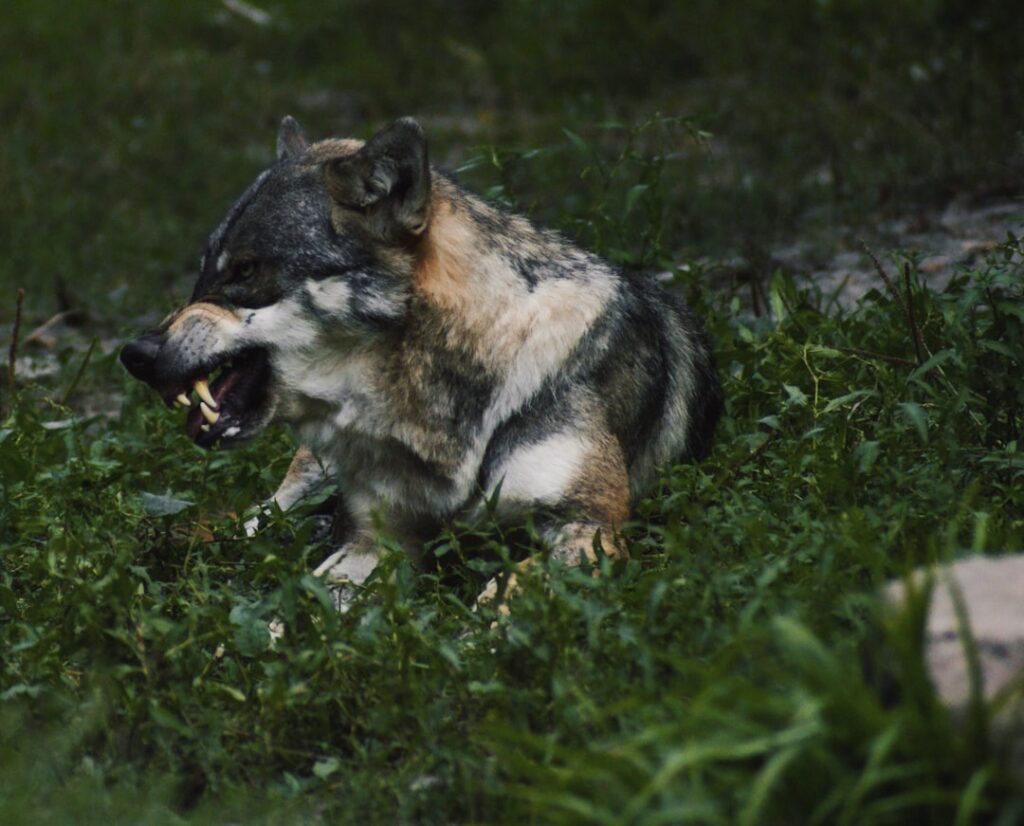
Yellowstone National Park – A parasite long known for altering behavior in other animals has now reshaped dynamics among the park’s wolves. Researchers found that wolves infected with Toxoplasma gondii, a pathogen typically harbored by felines, showed heightened tendencies toward leadership and early pack dispersal.
These changes carry significant risks, as leaving packs prematurely exposes wolves to greater dangers. The discovery highlights how microscopic invaders can influence large predators and, by extension, entire ecosystems.
Unlikely Behavioral Shifts in Apex Predators
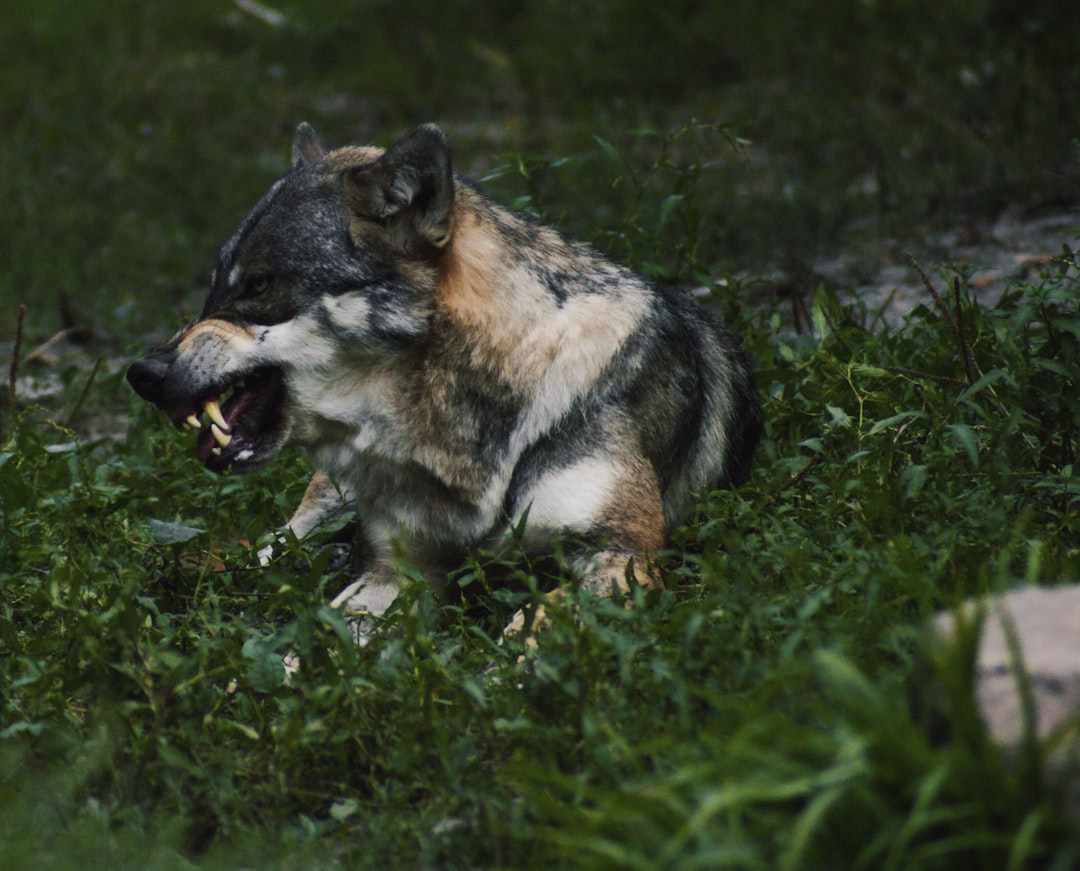
Unlikely Behavioral Shifts in Apex Predators (Image Credits: Unsplash)
Wolves positive for Toxoplasma gondii emerged as pack leaders at twice the rate of uninfected counterparts. This bold shift defied typical hierarchies, where dominance often stems from physical prowess or age.
Infected individuals also dispersed from their natal packs sooner than expected. Such early exits heighten mortality risks from starvation, injury, or rival encounters. Scientists observed these patterns through long-term monitoring in Yellowstone, a hotspot for wolf studies since their reintroduction decades ago.
Understanding Toxoplasma Gondii’s Mechanism
Toxoplasma gondii thrives primarily in cats, shedding infectious oocysts in their feces. Virtually all warm-blooded animals can serve as intermediate hosts, harboring dormant cysts in their brains and muscles. In wolves, the parasite appears to tweak risk assessment, fostering daring actions that aid transmission back to felines.
“Wolves and house cats have few similarities, except potentially a behavior-altering parasite.”
The exact neural pathways remain under investigation, but parallels exist with rodents, where infected mice lose fear of cats. Wolves, as secondary hosts, likely experience amplified boldness rather than outright fearlessness.
Pathways of Infection in the Wild
Researchers hypothesize that wolves contract the parasite by scavenging cougar scat, as these big cats roam the same Yellowstone landscapes. Cougars, infected with T. gondii, deposit feces laden with oocysts that wolves ingest while foraging.
“Researchers hypothesize that one potential way wolves are becoming infected is by consuming the feces of infected cougars (Puma concolor) that share habitat with wolves.”
- Wolves scavenge cougar feces in overlapping territories.
- Oocysts survive in the environment for months.
- No direct cat-wolf contact required for transmission.
- Prevalence rises in areas with high cougar density.
- Other routes, like contaminated prey, remain possible but less likely.
Ecosystem Ripples from Parasitic Influence
Altered leadership could reshape pack structures, favoring infected wolves in dominance roles. Faster dispersal might thin populations or spur conflicts with neighboring groups. Over time, these shifts influence prey distribution, as packs hunt differently under new alphas.
Conservationists now ponder broader effects. Parasite-driven behaviors could affect wolf recovery efforts or predator-prey balances. Monitoring programs may need to account for T. gondii prevalence to predict population trends accurately.
| Behavior | Uninfected Wolves | Infected Wolves |
|---|---|---|
| Pack Leadership Likelihood | Baseline | Twice as likely |
| Dispersal Timing | Standard | Shortened |
| Mortality Risk Post-Dispersal | Moderate | Higher |
- Toxoplasma gondii doubles chances of infected wolves becoming pack leaders.
- Early pack dispersal elevates death risks for carriers.
- Cougar feces likely transmit the parasite to wolves in Yellowstone.
The interplay between this feline parasite and wolves underscores nature’s intricate dependencies. As Yellowstone’s wolves navigate these hidden influences, their story reminds us of unseen forces at work in the wild. What implications do you see for wildlife management? Share your thoughts in the comments.