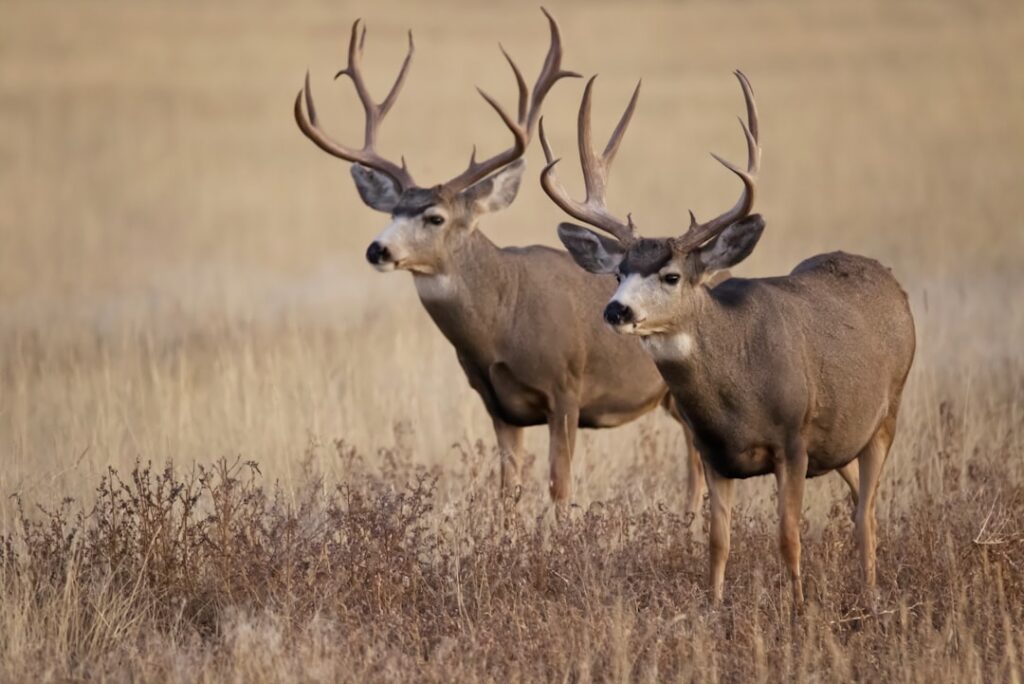
Catalina Island – State wildlife officials recently approved permits for the Catalina Island Conservancy to hire professional sharpshooters, launching a multi-year effort to remove roughly 2,000 nonnative mule deer and restore the island’s battered ecosystem.
An Invasive Legacy Unfolds
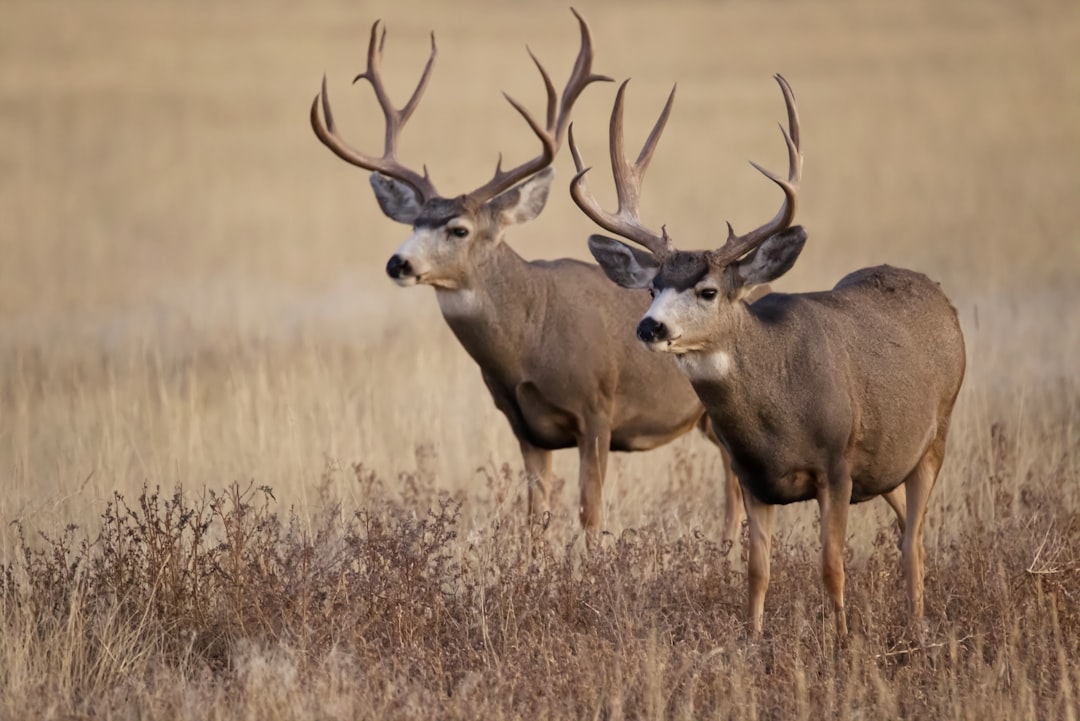
An Invasive Legacy Unfolds (Image Credits: Unsplash)
Mule deer first arrived on the island in 1928, with a small group of two individuals, followed by eight more in 1930, primarily for sport hunting.
Absent natural predators, the population surged to around 2,000 by 1947, reshaping the landscape through relentless browsing on native plants.
These deer selectively targeted rare and endemic vegetation, leading to biodiversity loss, soil erosion, and increased wildfire vulnerability as they favored fire-prone invasives.
Previous attempts to control the herd, including the state’s longest hunting season and targeted doe removals, yielded minimal results, prompting calls for more decisive action.
The Approved Eradication Blueprint
The California Department of Fish and Wildlife issued Restoration Management Permit No. RMP 2025-0017-R5 in late January 2026, greenlighting the conservancy’s comprehensive plan.
Professional contractors, certified as Level 3 Urban Sharpshooters with experience in over 100 similar projects worldwide, will lead ground-based operations using rifles.
Efforts incorporate baiting with approved feeds like cracked corn, nocturnal shooting aided by thermal optics, drones, and detection dogs, plus limited aerial net-captures from helicopters – without aerial shooting.
A small number of sentinel deer, fewer than 30, will undergo surgical sterilization and relocation for monitoring, while urban deer in Avalon face coordinated tranquilization and euthanasia.
Harvested meat heads to the California Condor Recovery Program, pending funding, after testing for diseases like Chronic Wasting Disease.
| Phase | Timeline | Key Activities |
|---|---|---|
| Year 1 | 2027-2028 | Baiting, daytime/night shooting |
| Year 2 | 2028-2029 | Aerial nets, dog-assisted shooting |
| Years 3-5 | 2029-2032 | Sentinel tracking, final depopulation |
Restoration Goals and Broader Impact
This deer removal forms the cornerstone of the Catalina Island Restoration Project’s 10-year workplan, spanning 2026 to 2035, which also tackles invasive plants through herbicides and reseeding.
Success will allow native seed germination, outplanting of endemics like Catalina Island mountain mahogany, and habitat recovery for species such as island foxes and ground-nesting birds.
Monitoring includes vegetation plots, bird acoustics, camera traps for shrews, and annual fox surveys to track progress and adapt strategies.
The Catalina Island Conservancy emphasized past failures in a scientific assessment: “Even with the longest hunting season in California and years of prioritizing the removal of does before bucks, the program made little progress in reducing the herd.”
Navigating Controversy
The plan has drawn sharp criticism from animal welfare groups and some locals who view the deer as part of the island’s heritage.
Lauren Dennhardt, the conservancy’s senior director of conservation, addressed the gravity in an earlier statement: “You don’t do these projects lightly. This is a last resort.”
- Opponents argue against total eradication, favoring alternatives like expanded hunting.
- Supporters highlight irreversible ecological damage and parallels to successful island eradications elsewhere.
- Public input shaped the permit process, though final approval proceeded amid protests.
This high-stakes initiative could redefine Catalina Island’s future, proving whether aggressive intervention can reclaim a paradise from invasives. What do you think about this balance of conservation and compassion? Tell us in the comments.
Key Takeaways
- Approximately 2,000 nonnative mule deer targeted for complete removal over 4-5 years.[5]
- Ground-based sharpshooting prioritizes humane methods and repurposes meat for condors.
- Integrated into a decade-long restoration to boost native biodiversity and reduce fire risks.