Western Ecuador – A remote ridge cloaked in cloud forest once stood as a stark warning for biodiversity loss. Botanists in the late 1980s documented extraordinary plant diversity there before chainsaws transformed the landscape into farmland within years. The rapid change fueled fears of immediate species extinctions, but fresh investigations reveal a more nuanced reality shaped by incomplete data rather than wholesale disappearance.
A Hypothesis Born from Devastation
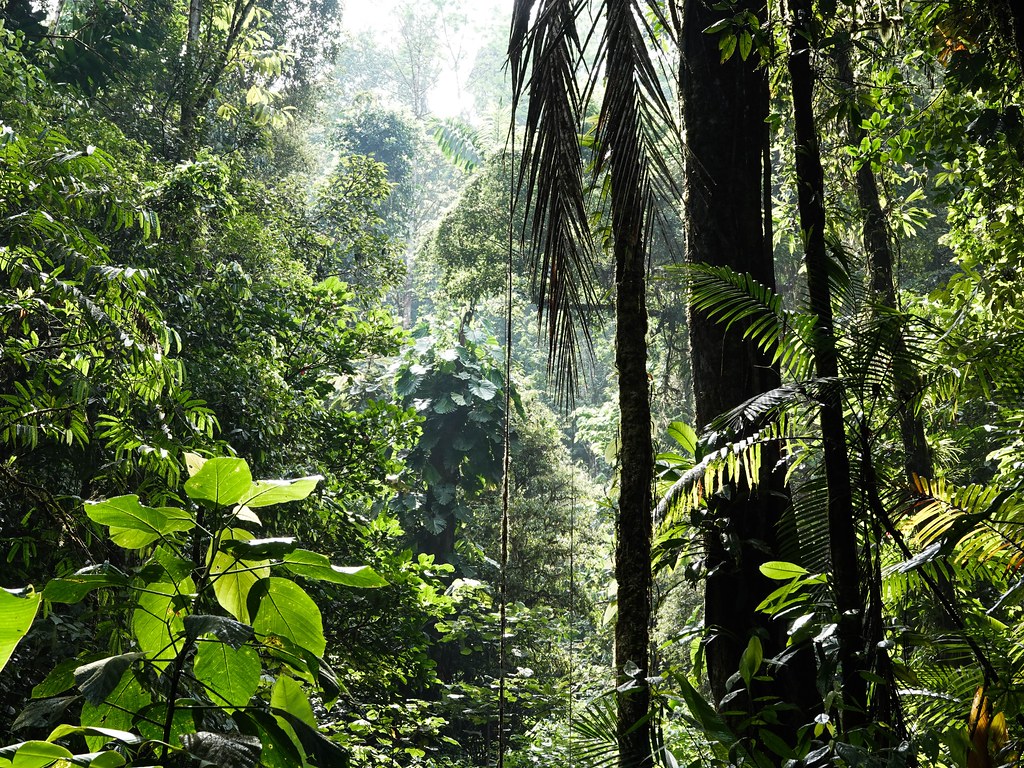
A Hypothesis Born from Devastation (Image Credits: Flickr)
Botanists Calaway Dodson and Alwyn Gentry surveyed Centinela ridge in the 1980s and uncovered nearly 100 plant species new to science. The area, an isolated 40-square-kilometer spur on the Andes’ western slope, harbored unique flora adapted to its misty, island-like microclimate. By 1991, they reported that deforestation for crops like cacao and bananas had erased much of the forest, leaving behind species known solely from that site.
Ecologist E.O. Wilson later termed this phenomenon Centinelan extinction, arguing that habitat destruction could trigger instant global losses for hyper-local endemics. The idea gained traction, illustrating how tropical hotspots might lose biodiversity before scientists could fully catalog it. Yet the premise rested on collections made primarily at Centinela itself.
Decades Later, a Groundbreaking Reexamination
A 2024 study in Nature Plants challenged the long-held narrative. Researchers led by Dawson M. White sifted through herbarium records from multiple institutions, including the Field Museum and New York Botanical Garden. They cross-referenced literature and conducted fieldwork in surviving forest fragments. The analysis covered 98 species once deemed microendemic to Centinela.
Strikingly, 99 percent of those plants turned up in collections from other sites across northwestern South America. Many spanned broad environmental gradients, from lowlands to highlands, suggesting bird dispersal and wider ranges than initially assumed. Field teams confirmed five species, previously thought gone, thriving in nearby remnants.
Unmasking the Data Gaps
The Centinela case exposes systemic issues in tropical biodiversity monitoring. Sparse sampling in remote areas often inflates perceptions of rarity. Early surveys focused narrowly, missing populations elsewhere due to logistical challenges and limited funding.
- Patchy herbarium records lead to overstated endemism.
- Tropical cloud forests remain undercollected “darkspots” of diversity.
- Assumptions of instant extinction overlook gradual declines, or “extinction debt,” in fragments.
- Expanded databases now reveal connections across landscapes.
- Ongoing fieldwork uncovers new species amid presumed wastelands.
These gaps mean conservationists risk misdirecting efforts, mistaking unseen survivors for ghosts.
Rediscoveries That Inspire Hope
Recent expeditions yielded remarkable finds. In 2022, teams rediscovered Gasteranthus extinctus, an orange-flowered plant named for its presumed doom. Botanist John L. Clark described Amalophyllon miraculum, a tiny serrated-leaf species from steep ravines too rugged for farming.
These survivors persist in scattered patches, underscoring the value of even tiny remnants. Riley Fortier noted the ridge’s unique cloud-trapping climate fosters isolated evolution. Yet agriculture encroaches, and without protection, true losses loom.
| Species Example | Original Status (1991) | Current Status |
|---|---|---|
| Gasteranthus extinctus | Presumed extinct | Rediscovered in 2022 |
| Gasteranthus atratus | Microendemic, lost | Found elsewhere |
| Amalophyllon miraculum | Unknown | New species, extant |
Lessons for Tomorrow’s Conservation
Centinela shifts the conversation from despair to diligence. What appeared as abrupt annihilation proved a mirage of missing data. True threats persist: fragmented habitats invite slow declines, demanding sustained surveys and land safeguards.
Herbaria and field efforts emerge as vital tools against the biodiversity crisis. Investments here could prevent real extinctions in cloud forests worldwide.
Key Takeaways:
- 99% of Centinela’s putative endemics survive beyond the ridge.
- New species discoveries highlight untapped potential in remnants.
- Better data prevents premature extinction declarations, guiding effective action.
The story of Centinela reminds us that knowledge gaps can obscure both peril and promise. With accurate insights, conservation stands a stronger chance. What do you think about these findings? Share in the comments.