Villagers in the Xe Champhone wetlands tread carefully through dense vegetation, eyes scanning for signs of nests amid the seasonal floods. These central Laos communities have long revered the Siamese crocodile as a link to their ancestors, a belief now powering one of the most successful conservation stories for a critically endangered species. Wildlife experts credit this spiritual connection, combined with structured protection efforts, for sustaining what may be the largest wild population left in mainland Southeast Asia.
A Sacred Bond Shields the Species
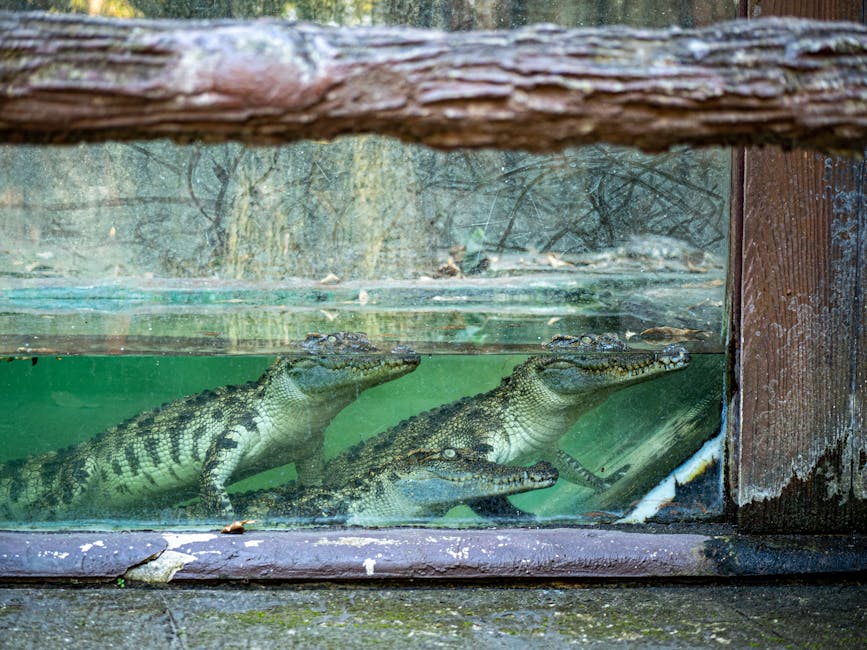
A Sacred Bond Shields the Species (Image Credits: Pexels)
Local residents view Siamese crocodiles not as threats but as embodiments of ancestral spirits. Harm to these reptiles invites misfortune, illness, or worse, according to longstanding animistic traditions among ethnic groups like the Phouthai and Makong. This reverence persisted even as the species faced near-extinction from poaching, habitat loss, and commercial farming across Southeast Asia.
Wildlife Conservation Society program manager Oudomxay Thongsavath, a native of the region, explained that the crocodiles protect both the wetlands and the community. “They believe it protects the wetland and protects the community,” he said. “If you do bad behavior in the wetland or speak not nicely, something can happen to that person.”
Rituals Pave the Way for Egg Rescue
Conservation teams, made up of five to 20 villagers each, patrol the wetlands from mid-May to early August. They locate nests on floating peat mats, often spotted during daily activities like fishing or farming. Upon discovery, teams act swiftly, collecting eggs within 24 hours to evade poachers, predators, or floods.
Before handling the eggs, a ritual unfolds. Offerings go to the spirits, with team members explaining their intent: “We collect the egg, we incubate it in the village, and we return your children back to your area … Please take care of them.” Only then do they transport viable eggs – typically half a clutch of about 27 – in padded boxes to village facilities in Tan Soum and Dongyanong. Drones, introduced in 2022, enhance nest detection without disturbing the animals.
Head-Starting Boosts Survival Odds
In village pens, eggs incubate naturally for around 75 days, achieving a 53% hatch rate – far surpassing the wild’s 13%. Hatchlings receive hand-fed meals of fish, eels, frogs, and snails. They grow for about 30 months until reaching 75 centimeters, size enough to deter most predators.
Teams then place the juveniles in submerged acclimation pens for gradual release. In 2025, efforts yielded 61 hatchlings from 114 viable eggs across nine nests. Wildlife Conservation Society herpetologist Steve Platt noted the depth of local commitment: “The people there still believe and they take this very seriously. That’s why those crocodiles are still there.”
Releases Mark Milestones Amid Recovery Signs
On March 19, 2026, teams released 56 juveniles into the Xe Champhone wetlands during a ceremony with Buddhist monks and officials. The program has returned 294 crocodiles since 2013, with 191 more in rearing. Nest surveys from 2022 to 2024 estimate 60 to 225 adults in the area, signaling population rebound.
- Teams leave up to five eggs per nest to respect the female.
- Modest stipends support villagers’ participation.
- Soft-release techniques improve survival and site loyalty.
- Monitoring confirms breeding by head-started adults.
- Wetland health benefits fish, birds, and livelihoods.
Santi Saypanya, WCS Laos director, highlighted the synergy: “The teams build on long-held cultural beliefs that crocodiles are spiritual guardians, creating powerful incentives for protection.”
These efforts demonstrate that tradition and science can align to reverse biodiversity loss. As threats like wetland conversion loom, sustained collaboration offers hope for the Siamese crocodile’s future. What do you think about blending cultural beliefs with conservation? Tell us in the comments.
- Spiritual reverence has preserved the species amid regional declines.
- Head-starting multiplies hatchling survival fivefold.
- Community teams have released nearly 300 crocodiles, boosting the wild population.