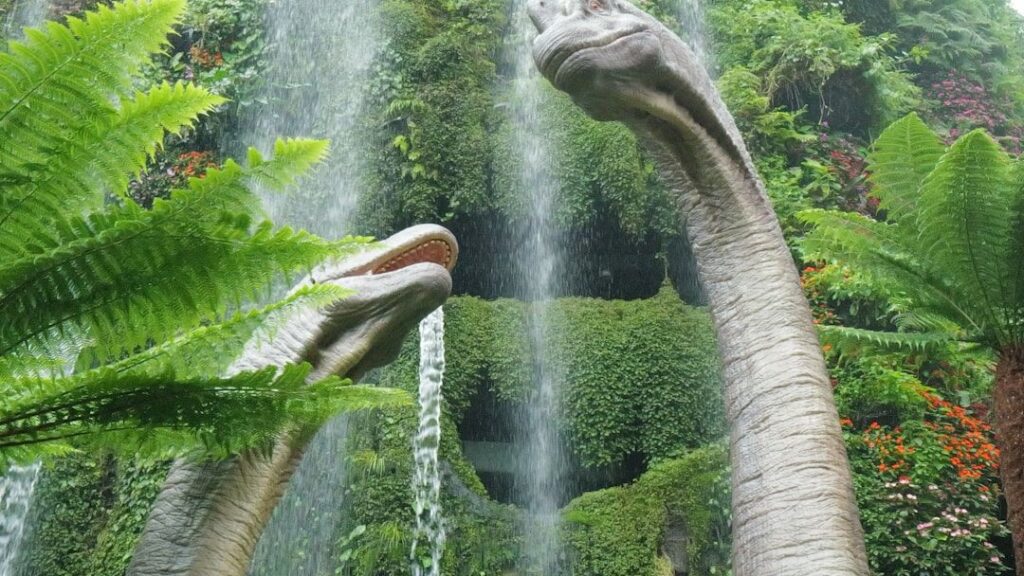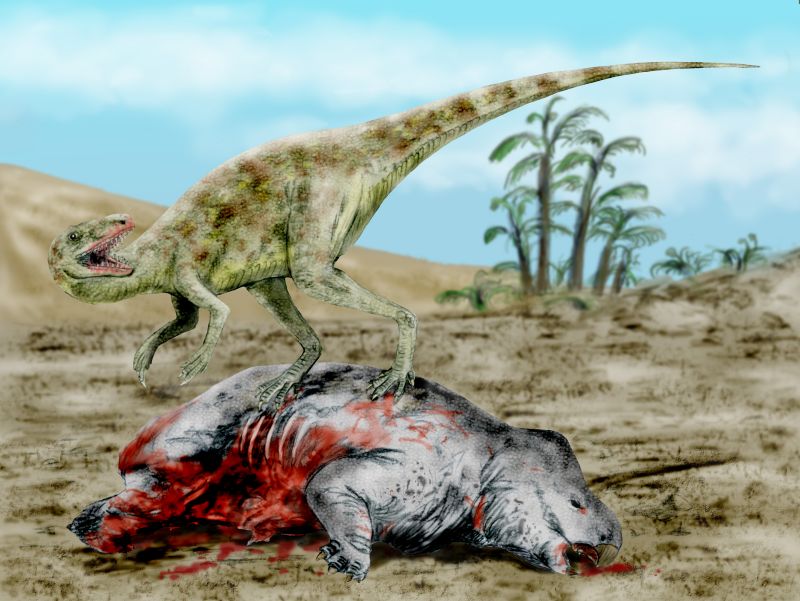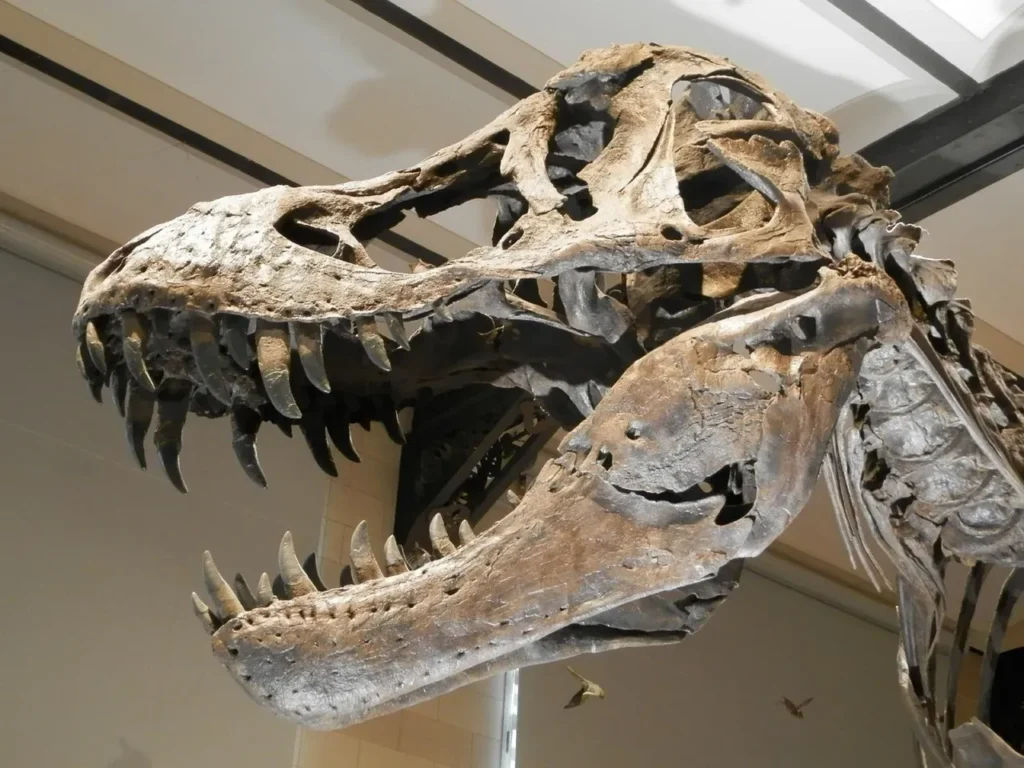
Most of us picture dinosaurs stomping through steamy jungles, surrounded by towering ferns and thick tropical heat. That image is so deeply embedded in popular culture that it almost feels like a scientific fact. But what if I told you that some dinosaurs spent their entire lives in the freezing dark of the polar regions, enduring months without sunlight and temperatures that dipped well below freezing?
The story of polar dinosaurs is one of paleontology’s most jaw-dropping revelations. It rewrites what we thought we knew about these ancient animals, their biology, their resilience, and their remarkable adaptability. It turns out the prehistoric world was far more complex, and far more extreme, than the movies ever let on. Let’s dive in.
The Discovery That Shocked the Scientific World
For most of modern science’s history, the idea of dinosaurs in polar regions was simply not taken seriously. The traditional view was that dinosaurs were all overgrown reptiles that lived under tropical conditions. Researchers assumed they needed constant warmth to function, much like modern-day cold-blooded reptiles. That assumption crumbled when fossils started turning up in places nobody expected.
Scientists working in Australia, Alaska, and even atop a mountain in Antarctica have unearthed remains of dinosaurs that prospered in environments that were cold for at least part of the year. Dinosaur skeletons have been found well within the contemporary Arctic and Antarctic Circles, discoveries that surprised paleontologists who regarded the dinosaurs as warm-adapted animals. Honestly, few moments in paleontology have been quite as humbling as this one.
Alaska’s Prince Creek Formation: A Polar Hotspot
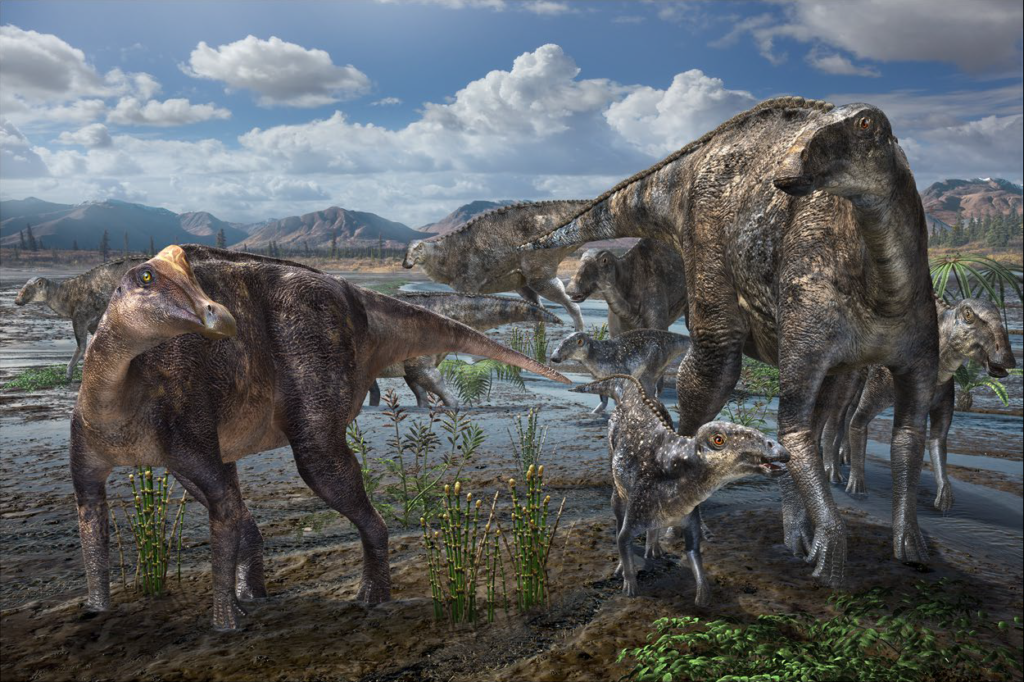
The 70 million-year-old rock of Alaska’s Prince Creek Formation contains the fossils of horned dinosaurs, tyrannosaurs, duckbilled dinosaurs, raptors, and more that lived within the Arctic Circle. This site has become one of the most significant windows into polar dinosaur life anywhere on the planet. Think of it like a prehistoric time capsule buried in one of the harshest places on Earth.
The Arctic was warmer in the Late Cretaceous period than today, but conditions were still very challenging. The average annual temperature was about 6 degrees Celsius, but there would have been around four months of winter darkness with freezing temperatures and occasional snowfall. Researchers discovered hundreds of tiny baby dinosaur bones in Northern Alaska, suggesting that polar dinosaurs lived in high latitudes year-round. You read that right. They were not just passing through.
Were They Year-Round Residents or Seasonal Migrants?
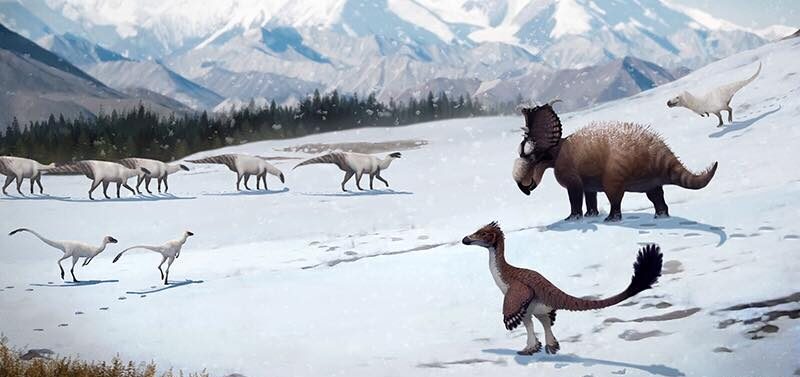
Here is the thing that kept paleontologists arguing for decades. Did these animals actually stay put through the brutal polar winters, or did they migrate south when temperatures dropped? Some experts proposed that dinosaurs might migrate, drawing an analogy to modern-day caribou. Various lines of evidence, however, indicate that the dinosaurs remained in their home habitat through the winter.
The eggs of these ancient animals took two to six months to hatch. If their mothers laid them at the dawn of spring, the hatchlings only had a few months to grow before winter set in. A thousand-mile migratory trek would therefore have been out of the question. The evidence for permanent residency is, to put it plainly, compelling. These were not tourists in the cold. They were locals.
Physical Adaptations That Made It All Possible
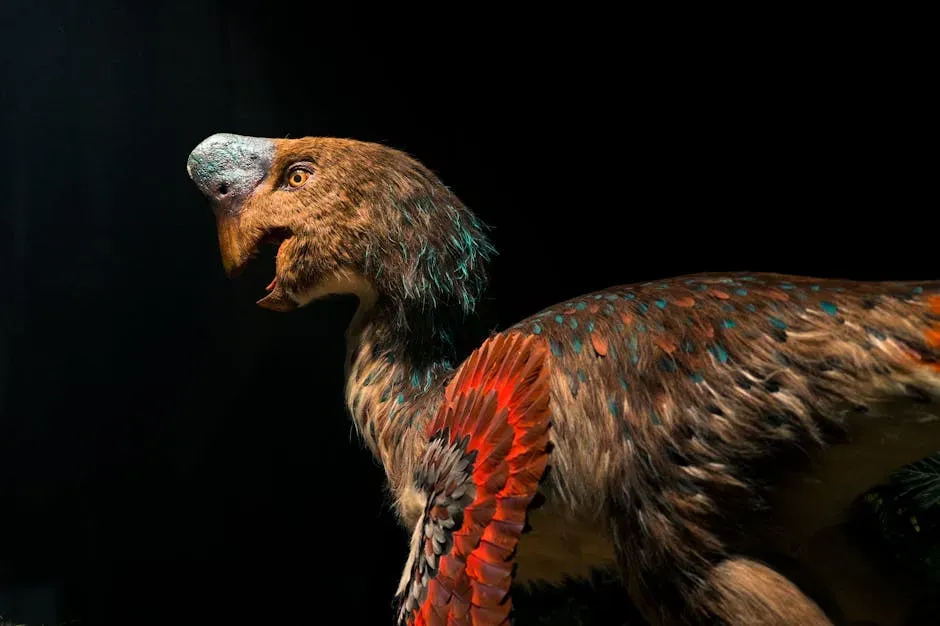
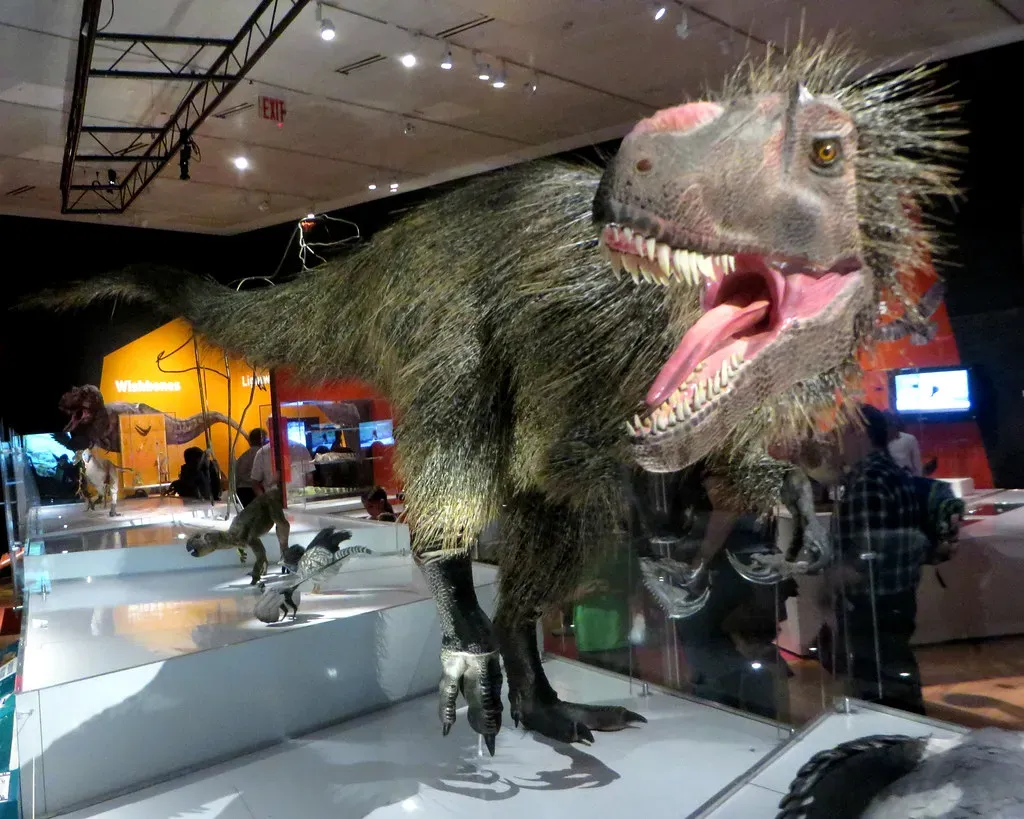
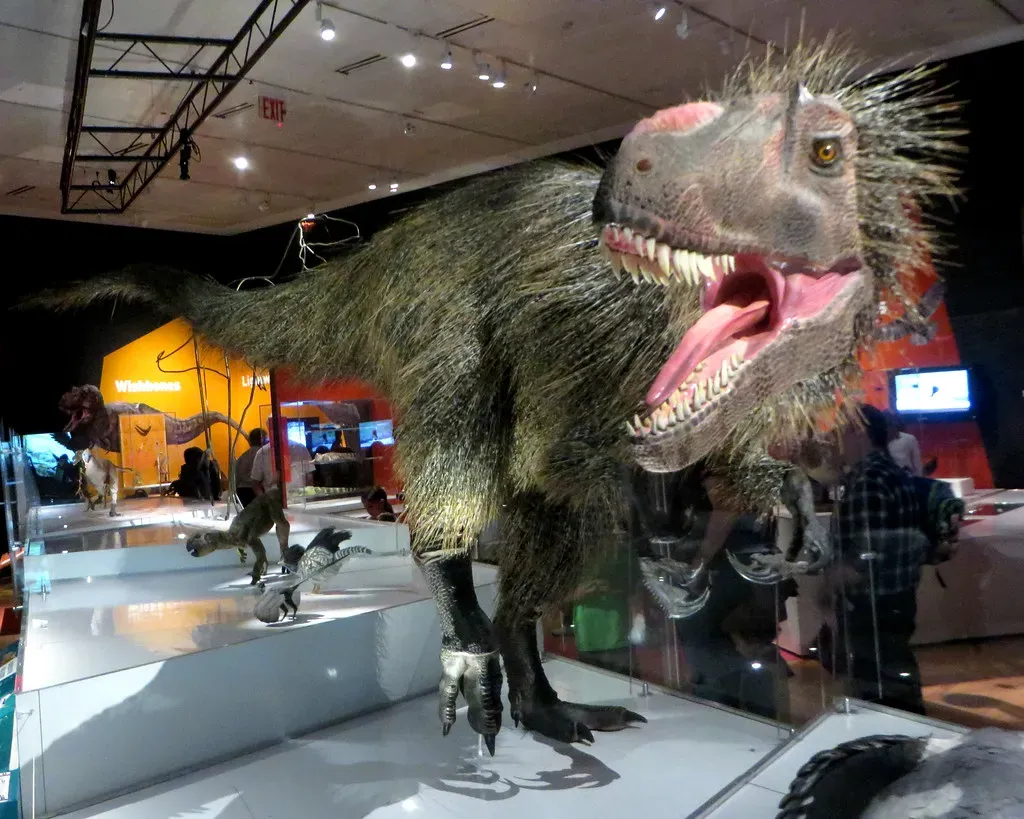
You cannot just show up in an Arctic environment without the right gear. Dinosaurs, it seems, had their own version of a winter wardrobe. Researchers concluded that most of the meat-eating dinosaur groups found in the Arctic were probably feathered, serving as their own natural down parka to help them survive the winter. Fossils unearthed in recent years show that many non-avian dinosaurs, including iconic beasts like tyrannosaurids, were covered in feathers, probably for insulation.
Some species, such as the Australian ornithischian Leaellynasaura, had enlarged eye sockets which indicated that they had developed a keen sense of vision. Having enhanced eyesight would have been important in helping these dinosaurs thrive during months of near-total darkness. Some dinosaurs might have dug in to survive the harshest months. Paleontologists working in southern Australia’s strata have found burrow-like structures from the age of Leaellynasaura, and elsewhere these structures actually contain small, herbivorous dinosaurs. It is almost like nature had already invented the sleeping bag.
Antarctica and Australia: The Southern Pole’s Prehistoric Giants
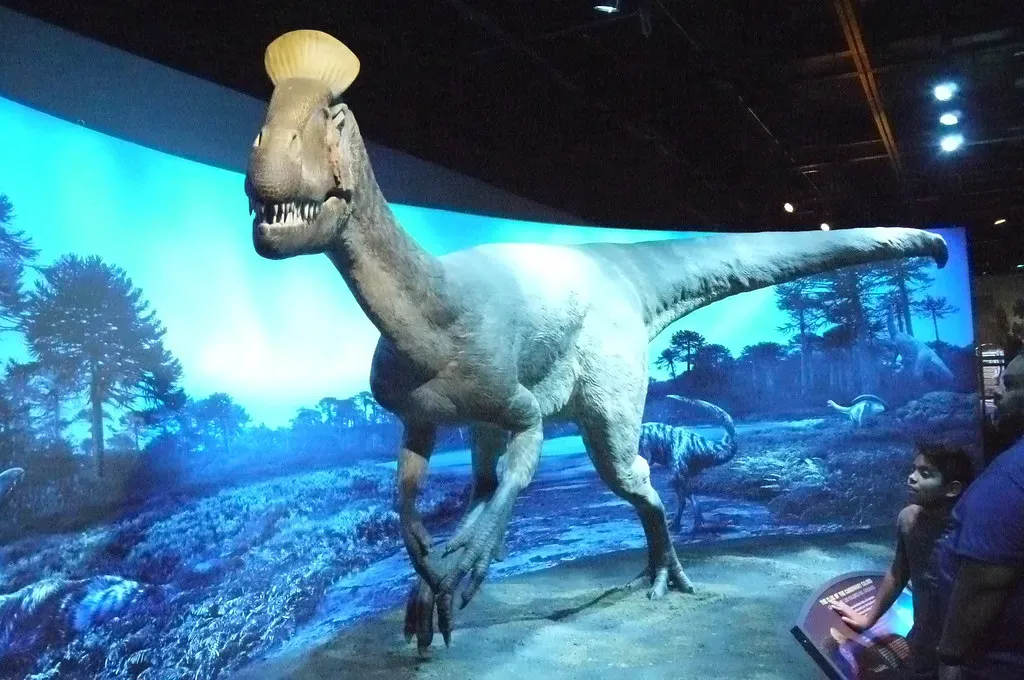
Around 120 million years ago, what is now Australia straddled the polar circle and formed a giant landmass with Antarctica. What is now Victoria was once within the polar circle, up to 80 degrees south of the equator and shrouded in darkness for months at a time. Some of the oldest polar dinosaurs are found among the rocks of southern Australia’s aptly-named Dinosaur Cove. Over 110 million years ago, this area was a temperate rainforest carpeted with ferns and bushy-looking conifers.
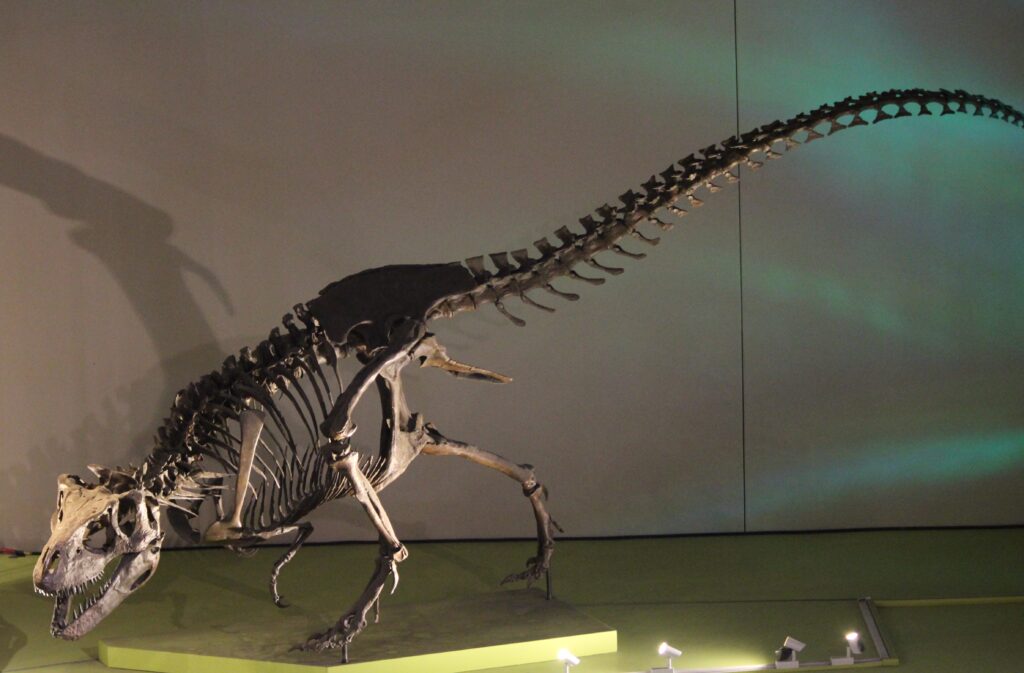
In 1991, paleontologists discovered Cryolophosaurus ellioti, a previously unknown dinosaur species and the only one found on the continent of Antarctica. Cryolophosaurus fossils were found at Mount Kirkpatrick, located only 600 kilometers from the present-day South Pole. Antarctic dinosaurs from the late Cretaceous period around 70 million years ago resembled those that lived in other parts of the world some 60 million years earlier, suggesting that some kinds of dinosaurs hung on in Antarctica long after they had died out elsewhere. Antarctica, in other words, may have been a genuine refuge for some lineages.
Cold Tolerance as a Key to Dinosaur Dominance
Here is something that might genuinely surprise you. The ability to handle freezing conditions was not just a quirky survival trick. It may actually explain why dinosaurs became the dominant creatures on Earth in the first place. Dinosaur ecological dominance resulted from adaptations to cold, allowing them to survive volcanic winters 202 million years ago. That is a staggering thought, that the cold, often seen as a weakness, was their secret weapon.
202 million years ago, in an episode called the Triassic-Jurassic extinction event, a chain of massive volcanic eruptions cooled the planet dramatically, killing more than 75% of species on land and in the oceans, and paving the way for the cold-adapted dinosaurs to emerge and dominate the Jurassic. Phylogenetic bracket analysis shows that non-avian dinosaurs were primitively insulated, enabling them to access rich deciduous and evergreen Arctic vegetation even under freezing winter conditions. While their competitors froze and perished, the dinosaurs were already prepared. It is a bit like being the only person at the party who remembered to bring a coat.
Conclusion: Rewriting the Dinosaur Playbook
The story of polar dinosaurs is not just a fascinating footnote in paleontology. It is a full-on revision of the way we understand these animals. The unexpected discovery of so many species living in the Arctic is leading scientists to rethink old assumptions about dinosaur biology. Discoveries from both the Arctic and Antarctica have revealed that dinosaurs were more adaptable than what could previously be imagined.
What makes this story so powerful is the sheer resilience it reveals. These were not delicate creatures limited to warm equatorial paradise. They burrowed, grew feathers, developed sharper eyes, and simply endured. Each thread comes together to underscore how wonderfully flexible dinosaur species were, adapting to some of the harshest habitats of their time. The next time you think of dinosaurs as lumbering tropical giants, remember the ones that lived through months of polar darkness and came out the other side.
What does it tell you about survival when a creature built for a warmer world learns to thrive in the cold? That might be worth thinking about today, in a world where adaptation is everything.